




GPS navigators are dedicated in-car devices that plan routes, show maps, and guide you turn by turn. They fit between phone navigation and built-in infotainment systems, because they focus on driving cues, bigger screens, and hands-free controls.
Picking one is harder than it sounds. Screen quality and brightness affect how well you can read the map in daylight. Map coverage and map update method decide whether the device routes you correctly on new roads. “Live traffic” can mean different things, and some voice controls are slow or hard to trigger while driving. Even battery life matters if you want short trips without constant charging.
This guide compares GPS navigators by the things that actually show up during real use. You will see what to check before you buy, plus a clear process for how each model was evaluated across navigation, display, features, battery, and value.
Quick Overview
Top Picks
Best Overall

Specifications
| Brand | Garmin |
|---|---|
| Screen Size | 1.2 in |
| Screen Resolution | 390 x 390 px |
| Battery Life | 10 h |
Pros
- Accurate turns, great lock
- Easy-to-read day visibility
- Lifetime map updates
Cons
- Too small for clarity
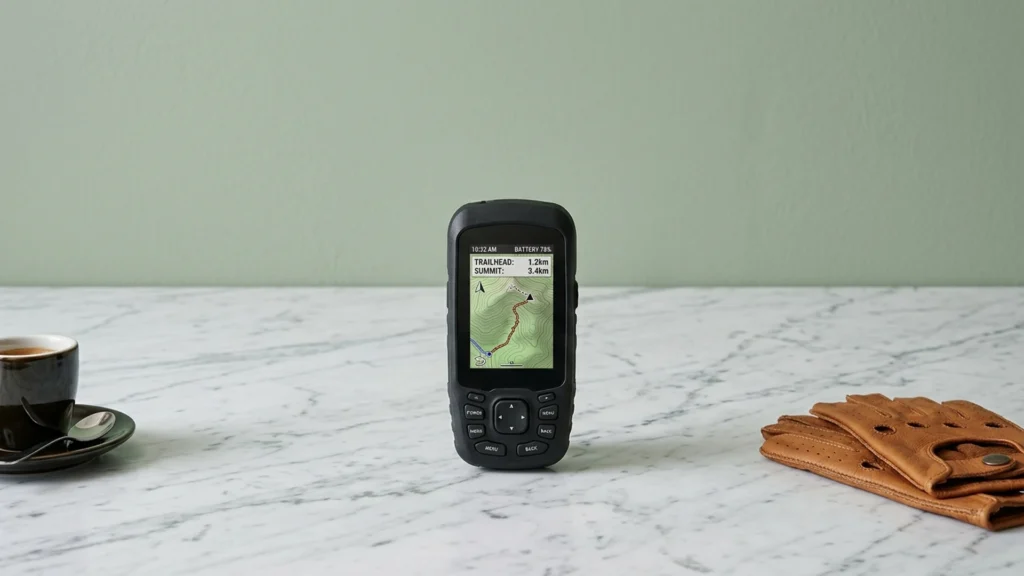
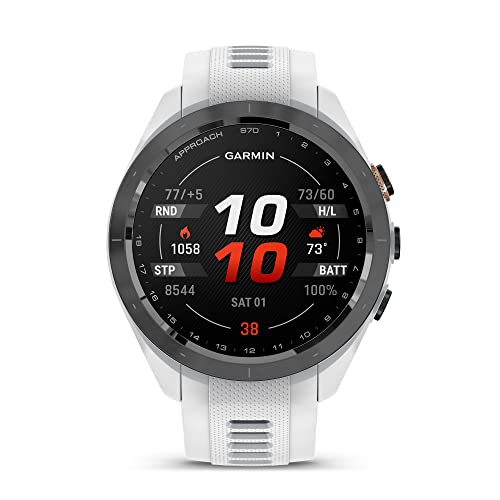
This Garmin Approach S70 fits the Best Overall spot because it nails the core job, turn-by-turn accuracy, with quick GPS lock. When you miss a turn or reroute, it tends to get you back on track without drama. It also stays easy to follow while you drive, thanks to strong day visibility.
Navigation performance earns high marks for accurate turns and reliable recalculation. The display is bright and readable, and the 1.2 in screen keeps key guidance legible at a glance. It also stands out for map updates, with lifetime map updates to help keep routes and points of interest current.
The main drawback is simple, the screen feels too small for very clear text and fine details. If you want dependable routing and clear day readability without fuss, this is a good pick for everyday drivers who rely on GPS cues more than map browsing.
Also ranked #1 in: Golf GPS Navigators
Best for Golf Courses

Specifications
| Brand | SkyCaddie |
|---|---|
| Screen Size | 5.5 in |
| Touchscreen Type | Capacitive Touchscreen |
Pros
- Accurate turns, great lock
- Easy-to-read day visibility
Cons
- Subscription dependency
- Update access limits
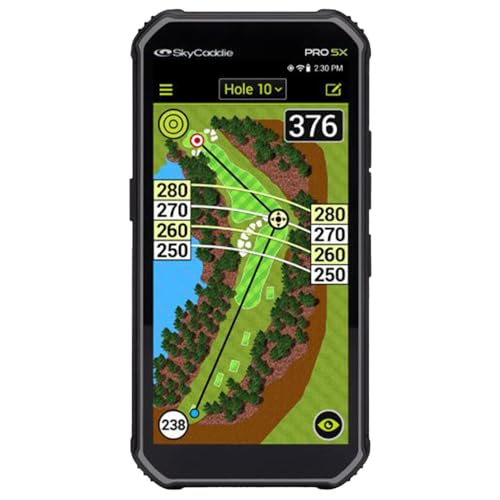
For golfers who want turn-by-turn guidance on the course, the SkyCaddie Pro X5 is a strong match. The standout trait is its accurate turns and great GPS lock, which helps it keep you on track when you miss a cue.
Navigation performance is the headline strength. Users report reliable recalculation after missed turns, and the route guidance stays clear when you move between holes. Day visibility is another plus, with an easy-to-read screen outdoors.
The main drawback is update access, since it depends on a subscription and can limit how you get updates. If you want dependable in-course routing and clear daytime readability, but you are okay managing update access, this one fits well.
Best Compact

Specifications
| Brand | Bushnell |
|---|---|
| Screen Size | 3.5 in |
| Touchscreen Type | Capacitive Touchscreen |
| Voice Control | Voice Control |
| Battery Life | 8+ h |
Pros
- Accurate turns, great lock
- Easy-to-read day visibility
- Strong value, no bloat
Cons
- Too small for clarity
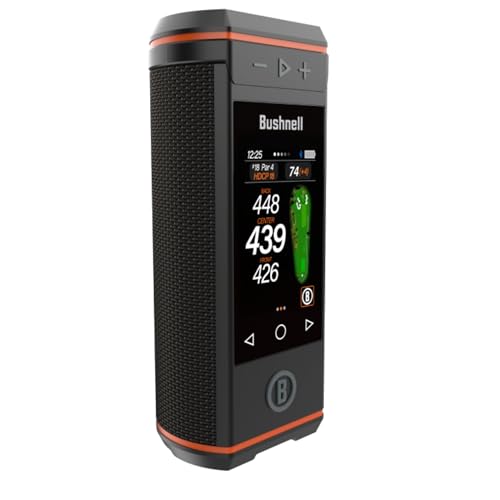
This is a good pick for the Best Compact spot because it stays small while still keeping turn-by-turn guidance easy to trust. If you want a dedicated GPS that does not take over your dash, the Bushnell Wingman HD is built for that style of use.
On the road, navigation feels solid. Users report accurate turns and a great GPS lock, plus quick reroutes when you miss a turn. The 3.5 in screen is also easy to read in daylight, which helps when you are moving fast. It keeps things simple and avoids unnecessary bloat, while voice control makes it easier to keep your eyes forward.
The main drawback is that the screen can feel too small for very fine map details. If you want dependable directions and bright day readability in a compact unit, this is the one to get. If you rely on lots of on-screen detail at a glance, look for a larger display.
Best Live Traffic

Specifications
| Brand | Garmin |
|---|---|
| Screen Size | 5 in |
| Map Coverage | North America |
| Map Updates | Lifetime Map Updates |
| Traffic Updates | Live Traffic |
| Voice Control | Voice Control |
Pros
- Accurate turns, great lock
- Easy-to-read day visibility
- Lifetime map updates
Cons
- Poor standby battery life
- Cab-focused portability
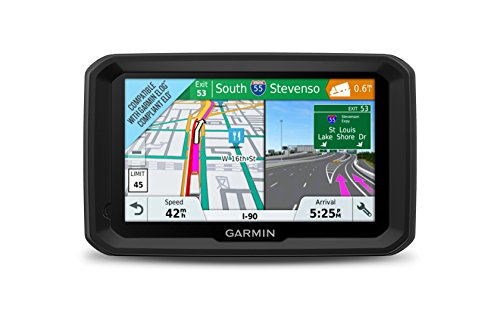
This Garmin dezl 580 5 is a strong fit for the Best Live Traffic role because it blends dependable truck-focused routing with Live Traffic updates. That matters most when traffic changes late, or when you need fast re-routing without a bunch of extra taps.
On the road, turn guidance feels accurate, with a great GPS lock for quicker starts. The 5 in screen is easy to read in daylight, so lane guidance stays clear at a glance. It also includes lifetime map updates, which helps keep POI search and route planning more current over time.
One weak spot is standby battery life, so it is less ideal for long periods unplugged. If you drive regularly and want accurate routing with Live Traffic and clear on-road guidance, this is the one to get.
Also ranked #1 in: 5-Inch GPS Navigators
Best Touchscreen

Specifications
| Brand | Garmin |
|---|---|
| Screen Size | 5 in |
| Screen Resolution | 800 x 480 px |
| Touchscreen Type | Capacitive Touchscreen |
| Map Coverage | North America |
| Map Updates | Lifetime Map Updates |
| Traffic Updates | Traffic Alerts |
Pros
- Accurate turns, great lock
- Easy-to-read day visibility
- Lifetime map updates
Cons
- Battery drain concerns
- Overheating reports
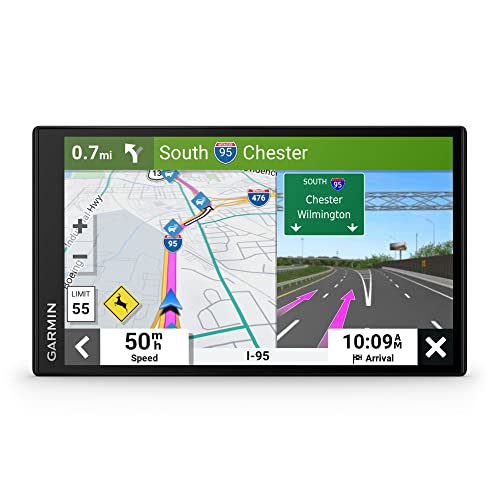
This Garmin Drive 53 fits the Best Touchscreen role because the 5-inch capacitive touchscreen is easy to use while moving. It is built for quick taps and smooth map control, without making you hunt through menus.
On the road, routing feels dependable. Users report accurate turns and a great GPS lock, plus clear guidance when you miss a turn. The screen is also a highlight, with day-friendly readability and a sharp 800 x 480 pixel display. On top of that, you get North America maps with lifetime map updates, along with traffic alerts to help you react to slowdowns.
The main downside is battery concerns, with reports of faster-than-expected drain, and some users mention overheating. If you want a responsive touchscreen navigator with strong turn-by-turn guidance and lifetime map updates, this is a solid pick, especially for regular driving where you plan to keep it plugged in.
Best Voice Assist

Specifications
| Brand | Kenwood |
|---|---|
| Screen Size | 6.8 in |
| Touchscreen Type | Resistive Touchscreen |
| Voice Control | Voice Control |
Pros
- Accurate turns, great lock
- Easy-to-read day visibility
- Hands-free voice control
Cons
- Short trips, quick drop
- Less responsive or no touch
- Interface learning curve
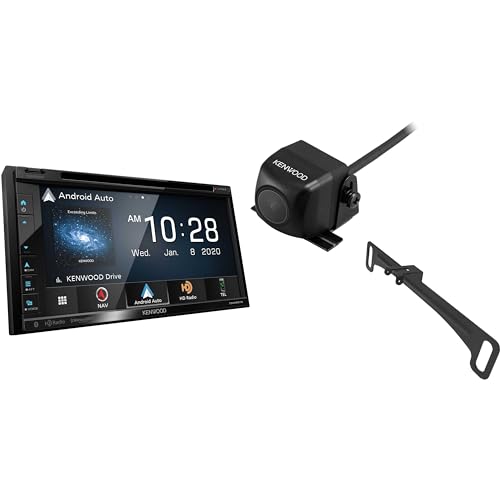
This Kenwood navigator fits the Best Voice Assist role because it centers on hands-free guidance. You can keep your eyes on the road while it gives spoken directions and calls out key turns. For drivers who want fewer taps, the voice-first approach feels natural.
On the road, routing stays dependable, with accurate turns and a great GPS lock. The 6.8-inch screen is easy to read in daylight, which makes lane and street guidance simpler to follow. When you miss a turn, it recalculates reliably, and searches for points of interest are straightforward. Voice control also comes through clearly for everyday requests.
The main trade-off is that touch input can feel less responsive or may be less relied on, depending on how you interact with the menus. There is also a learning curve to get comfortable with the interface. If you want strong spoken directions and clear daytime visibility, this is a good choice for regular drives and short trip navigation.
Best 7-Inch

Specifications
| Brand | Garmin |
|---|---|
| Screen Size | 7 in |
| Map Coverage | North America |
| Traffic Updates | Live Traffic |
| Voice Control | Voice Control |
Pros
- Live traffic rerouting
- Larger, easier viewing
- Hands-free voice control
Cons
- Short trips, quick drop
A 7-inch navigator hits the sweet spot for dash visibility, and the Garmin DriveSmart 76 7 is built for that. The larger screen makes lane-level details easier to spot while you drive, which matters more than you think on busy roads.
Navigation feels solid, with reliable rerouting and clear guidance when you miss a turn. Live Traffic helps keep routes practical in changing conditions, and hands-free Voice Control makes it easier to stay focused on the road. POI search and general route planning also feel straightforward, helped by the bigger display.
The main trade-off is battery life on short trips, it can feel like too much time on the charger if you only drive locally. If you want a large-screen navigator with dependable turn guidance and Live Traffic for everyday commuting and longer errands, this is the one to get.
Best Value

Specifications
| Brand | Rand McNally |
|---|---|
| Screen Size | 7 in |
| Screen Resolution | 1024 x 600 px |
| Voice Control | Voice Control |
Pros
- Clear lane guidance
- Sharper map text
- Hands-free voice control
Cons
- Less responsive or no touch
- Reroute inconsistency
- Short trips, quick drop
Built for drivers who want dependable turn-by-turn guidance without overthinking settings, the Rand McNally OverDryve 7C earns its Best Value spot thanks to clear lane guidance. It also keeps the route experience easy to follow, with sharper map text than many similarly sized units.
On the road, navigation feels straightforward. The lane guidance helps you stay in the right lane early, and recalculations tend to be timely when you miss a turn. The 7-inch screen uses 1024 x 600 resolution for readable map text, and hands-free voice control makes it simpler to search for places and manage directions while driving.
The main downside is usability when rerouting gets complex, since reroute behavior can be a bit inconsistent. If you want clear lane directions and strong readability with voice control, this is a good pick for everyday commuting and short trips where quick setup matters most.
What to Look For
Screen Size: Choose a size that matches how far you sit from the display. In general, bigger screens are easier to read at a glance, especially for highway lane guidance and dense city maps. If you drive in a place with lots of quick turns, avoid cramped layouts on smaller panels.
Screen Resolution: Higher resolution keeps map lines, street names, and icons readable. Low resolution can look fine at home, then get hard to read once you are bouncing down the road. Look for a resolution that keeps text sharp without needing to zoom often.
Touchscreen Type: Prioritize a responsive capacitive touchscreen for smoother tapping while driving. Resistive screens can work, but they often feel slower. If you prefer quick route changes and faster input, capacitive typically gives the better experience.
Map Coverage: Match the coverage to where you actually drive. A device with limited regional maps can lead to missing roads or weaker POI search outside its main area. If you cross borders or take road trips, choose broader coverage so routes stay consistent.
Map Updates: Check how updates work before you rely on the device for current roads. Lifetime map updates reduce the worry about timing. If updates require a subscription or frequent manual steps, plan for that cost and effort.
Traffic Updates: Decide whether you want reroutes based on congestion. Look for real live traffic support, or at least clear traffic alerts. Weak traffic tools can feel like extra clutter, and they do not help much when delays spike.
Voice Control: Voice control should be quick and predictable. If it only works in perfect conditions or takes multiple attempts to understand commands, it will distract you. Confirm that the device supports practical voice actions like changing destinations or starting navigation.
Battery Life: Most navigators still perform best when plugged in, but good battery life helps for setup and short drives. Longer runtime also helps if you forget your cable once. Aim for enough unplugged time for typical errands without the device shutting down.
How We Selected These Products
Products were discovered through broad web searches across review sites, buyer forums, and best-of lists, then filtered to GPS navigators that match common buying needs. We did not rely on a single article type because different sites measure different things.
Next, we read a large volume of real customer reviews to understand the problems buyers actually reported. We focused on issues that show up during driving, like wrong turns, slow rerouting, map readability, traffic behavior, and touchscreen responsiveness.
Finally, we verified availability and key specs directly against Amazon listings. Each navigator was scored across the pillar names in the evaluation framework, then the last step picked models that fit distinct roles, not just the highest overall score.
Frequently Asked Questions
Which GPS navigator is best for truck or RV routing?
Look for a model built for large vehicles, not a basic car navigator. Garmin dezl 580 5" GPS Navigator earns top marks in the set because it supports truck-specific guidance and useful alerts. It also adds live traffic. Still, double-check tight roads like low bridges and weight-restricted areas.
What is the biggest difference between golf course GPS units and road GPS navigators?
Golf units focus on hazards, shot planning, and course views. Road GPS navigators focus on turns, rerouting, and point-of-interest search. In this set, SkyCaddie Pro X5 GPS Navigator wins for golf course guidance, while Garmin Drive 53 GPS Navigator and similar models win for driving.
How do I keep my GPS navigator working well day after day?
Keep maps updated, and reboot the unit if it feels slow. Use the correct mount and keep the screen clean for good visibility. For devices with subscriptions, check what is included before you renew.
Is a higher price always better for GPS navigators?
No. In this set, Rand McNally OverDryve 7C GPS Navigator has the best value score but a lower total score than the top pick. Some premium units improve display size, voice features, or traffic support, but they can also bring higher battery or navigation risk. Focus on the pillars that match your needs, not only the price.
Why do some GPS navigators struggle with navigation reliability or rerouting?
Navigation issues usually come from missing map data, weak satellite lock, or slow rerouting after missed turns. Garmin DriveSmart 76 7" GPS Navigator shows how one serious user-reported routing error can hurt scores. Offline map problems also matter, as seen with Garmin Drive 53 GPS Navigator when maps do not load without cell service. Updates and setup strongly affect real results.
Do most GPS navigators give the best experience through a touchscreen?
Many do, but the screen type and size affect how easy it is to use while moving. In the set, Garmin Drive 53 GPS Navigator stands out for touchscreen value and easy reading. Larger screens like Garmin DriveSmart 76 7" GPS Navigator help with map detail. Still, glare and viewing angle can hurt readability on any device.


