




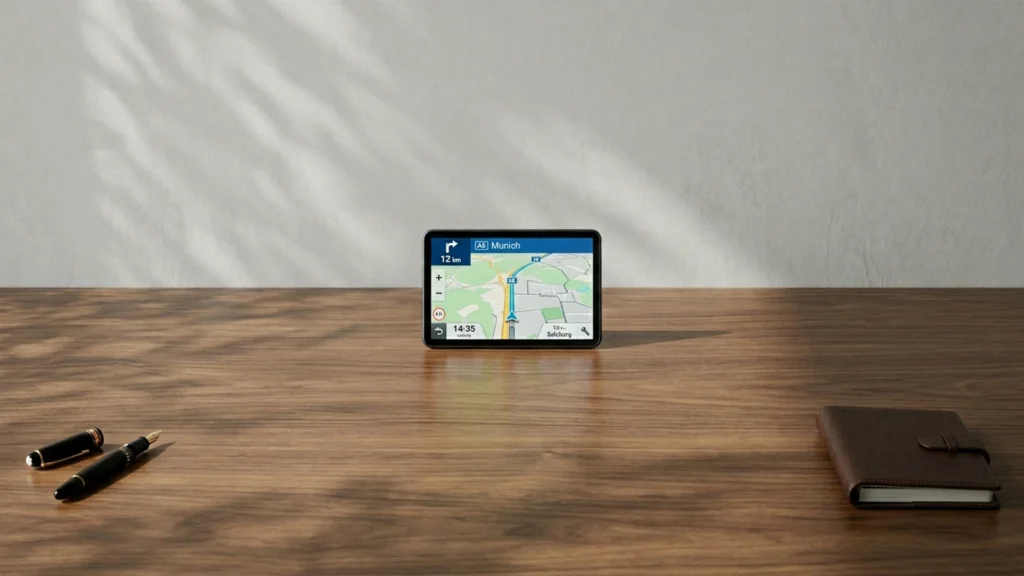
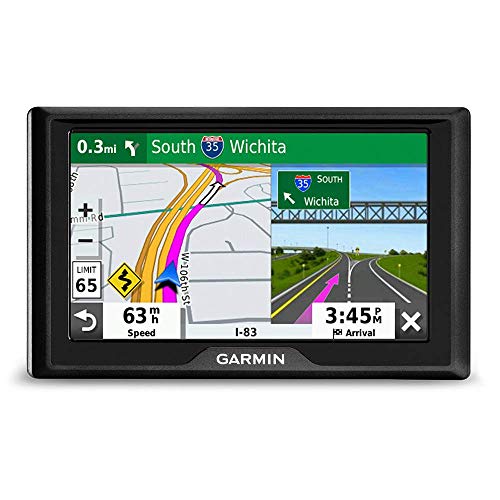
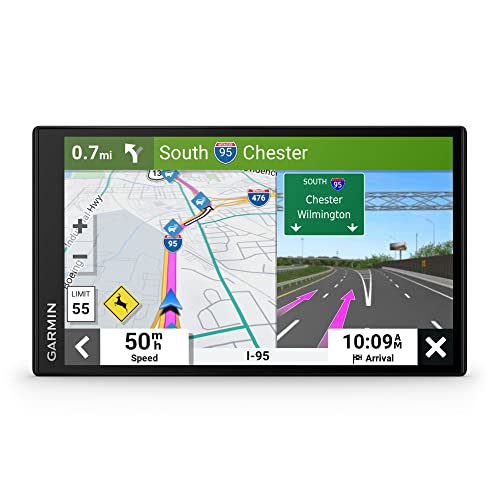
Live Traffic GPS Navigators use current traffic data to adjust your route while you drive. For buyers, that means you should expect faster reroutes after missed turns, fewer wrong exits, and route guidance that updates quickly when congestion builds.
The hard part is trade-offs. A bigger, brighter display can help while driving, but bigger screens often cost more. Maps and updates matter too, since outdated roads can break even the best live traffic routing. Battery life also matters, because you may rely on the unit on trips where you do not plug in every stop.
Use this guide to compare live traffic performance, display visibility, and updates for this specific sub-category, then match the choice to where you drive most. Looking for all types? See our Best GPS Navigators.
Quick Overview
Our Top Picks
#1. Garmin dezl 580 5" GPS Navigator
Specifications
| Brand | Garmin |
|---|---|
| Screen Size | 5 in |
| Map Coverage | North America |
| Map Updates | Lifetime Map Updates |
| Traffic Updates | Live Traffic |
| Voice Control | Voice Control |
Pros
- Accurate turns, great lock
- Easy-to-read day visibility
- Lifetime map updates
Cons
- Poor standby battery life
- Cab-focused portability
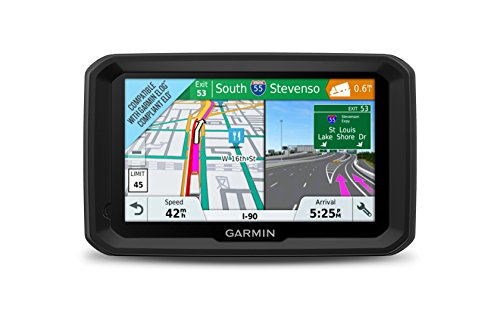
Garmin dezl 580 5 stands out for live, real-world routing. Drivers get fast GPS lock and accurate turn guidance, with reliable rerouting when you miss a turn. Live Traffic helps tighten your route choices around slowdowns, so delays are handled sooner instead of after they build up. The 5 in screen stays easy to read in daylight, which matters when you need glanceable instructions while moving.
The main trade-off is battery behavior when you are not plugged in. Standby battery life is poor, so plan on charging for longer stops or overnight use. Also, it feels more made for cab and vehicle use than casual, pocket-friendly navigation, so it fits best for drivers who want dependable turn-by-turn guidance for trips on the North America map set.
#2. Garmin zumo 396 4.3" GPS Navigator

Specifications
| Brand | Garmin |
|---|---|
| Screen Size | 4.3 in |
| Touchscreen Type | Capacitive Touchscreen |
| Traffic Updates | Live Traffic |
Pros
- Accurate turns, great lock
- Easy-to-read day visibility
- Strong value, no bloat
Cons
- Short trips, quick drop
- Complex mounting
This Garmin zumo 396 4.3 is notable in the Live Traffic GPS Navigators space because it pairs live traffic rerouting with confident guidance. Drivers report accurate turns and a strong GPS lock, which helps the device recover when traffic or a missed turn forces a new route. The screen stays easy to read during day driving, so lane and turn prompts are simpler to follow when roads get busy.
The main trade-off is battery practicality and setup. Users note it can drop quickly for short, frequent trips if you rely on it unplugged, so plan on charging for daily use. Mounting can also take extra effort, which matters if you swap vehicles often or dislike fiddly installs. Best fit: riders or drivers who want reliable live traffic navigation and clear on-road direction, and who do not mind spending a bit of time on mounting.
#3. Garmin Drive 52 5" GPS Navigator

Specifications
| Brand | Garmin |
|---|---|
| Screen Size | 5 in |
| Screen Resolution | 480 x 272 px |
| Touchscreen Type | Capacitive Touchscreen |
| Map Coverage | United States & Canada |
| Traffic Updates | Live Traffic |
Pros
- Accurate turns, great lock
- Easy-to-read day visibility
- Live traffic rerouting
Cons
- Short trips, quick drop
- Offline map gaps
- Update workflow frustration
Garmin Drive 52 5 is a strong pick for people who rely on live traffic while driving. Users report accurate turns, fast GPS lock, and helpful rerouting when you miss a turn. In real-world trips, that means fewer wrong-way moments and smoother corrections as road conditions change, especially on busier routes where traffic makes plans shift.
The main trade-off is how it fits shorter drives. Some buyers mention the battery and handling feel less forgiving on quick trips that start and stop often, and there can be offline map gaps depending on where you go. It also takes patience with the map update workflow, so it is best for drivers who plan updates ahead of time rather than last minute.
#4. Garmin DriveSmart 76 7" GPS Navigator

Specifications
| Brand | Garmin |
|---|---|
| Screen Size | 7 in |
| Map Coverage | North America |
| Traffic Updates | Live Traffic |
| Voice Control | Voice Control |
Pros
- Live traffic rerouting
- Larger, easier viewing
- Hands-free voice control
Cons
- Short trips, quick drop
This Garmin DriveSmart 76 7 stands out in live traffic GPS navigation because its Live Traffic rerouting helps you stay on track when roads slow down or block up. When you miss a turn or hit a detour, it recalculates in a way that keeps the drive moving instead of restarting your trip mentally. The 7 in screen is also a practical win for real-world traffic driving, since you can scan the route at a glance and catch lane guidance signals sooner.
The main trade-off is battery reality for short, frequent stops. If you mostly do quick drop-offs, you may not spend enough time off the charger to notice the difference, and any time not in motion will still mean plugging in. This model fits best if you rely on live traffic decisions and want clearer viewing during commute-like drives.
What to Look For
Live traffic that actually changes routes: Look for “Live Traffic” support and pay attention to feedback about rerouting speed. If it delays recalculation after a turn or keeps sending you back into heavy congestion, the feature is not doing its job.
Navigation accuracy under real driving: Favor units that handle missed turns cleanly. Clear lane guidance and correct point-of-interest search reduce distraction and missed exits, especially on highways and dense city streets.
Readable screen for daytime driving: Choose a screen you can read quickly at a glance. A larger display helps, but visibility matters most. Also check that the touch interface responds without lag while you are moving.
Maps coverage and update method: Select the map region that matches your trips, like United States & Canada, Europe, or Global. Then prioritize how updates work, such as Lifetime Map Updates or Wi-Fi updates, because frequent road changes make older maps a navigation risk.
Battery life for unplugged stops: Live traffic guidance can drain power. Aim for a dependable battery life in hours so the unit stays usable at rest stops and during short legs without power. Quick charging is a plus if you do stop and plug in often.
How We Picked
Products were identified through broad research across review sites and buyer forums, then filtered to only those that qualify as Live Traffic GPS Navigators.
Scoring used the same objective pillar framework as the main GPS Navigators post, allowing direct comparison of products within this sub-category.
Frequently Asked Questions
What makes a GPS navigator a Live Traffic model?
A Live Traffic navigator uses real-time traffic data to adjust your route. It can reroute when roads get slow, blocked, or congested. Some models show traffic status on the map, while others focus on route changes.
Do Live Traffic GPS navigators need an internet connection to work?
Most Live Traffic features require an active data connection. That can come from a built-in connection or a linked smartphone connection. If you plan long road trips, check how the traffic link stays active.
How do I set up Live Traffic alerts so they help without distracting me?
Start by turning on route rerouting and traffic alerts in the settings. Use voice prompts if you want hands-free guidance while driving. Keep alert severity moderate so minor delays do not interrupt you often.
How are Live Traffic GPS navigators different from basic GPS navigators?
Basic GPS navigators guide you using planned routes and your current location. Live Traffic models also react to changing road conditions. That usually means fewer delays and faster reroutes when a route slows down.
When should I choose a different type of GPS navigator instead of Live Traffic?
Choose a basic GPS navigator if you rarely drive in heavy traffic areas. It can also fit better if you do not want to manage a data connection. If you travel often through cities or commute routes, Live Traffic is usually worth it.


