




Camping tents are enclosed shelters for outdoor trips. They protect you from rain, wind, and bugs while you sleep on the ground. In this category, the difference between a good tent and a frustrating one shows up fast, especially when weather changes.
Picking the right model is hard because real camping makes trade-offs unavoidable. You will balance capacity, season rating, weight, and livable space. Some specs also mislead buyers, like packed weight that hides bulky dimensions, or “3-season” claims that still feel drafty in windy sites. Features like extra vents or multiple doors can help, but only if the tent uses them in a practical layout.
This guide helps you sort through those choices. You will learn what matters most for weather control, comfort, and day-to-day use. Then you can match a tent to your trips, from car camping weekends to longer stays with rougher conditions.
Quick Overview
Top Picks
Best Overall

Specifications
| Brand | Big Agnes |
|---|---|
| Capacity Persons | 1 |
| Season Rating | 3-Season |
| Tent Type | Backpacking |
| Door Count | 1 |
| Packed Weight | 2.4 lb |
| Packed Size | 14 x 5 x 6.5 in |
Pros
- Seams and zippers sealed
- Reliable stitching and zippers
- Fair value, strong build
Cons
- Stake-dependent stability
This Big Agnes Fly Creek HV UL1 is a strong match for the Best Overall spot because it keeps the tent light without giving up solid protection. The standout trait is its well-sealed build, with seams and zippers treated to help block wind-driven rain.
In real use, that weather focus shows up in strong pillar scores for Weather Protection (8.3) and Build Quality (8.6). You can expect reliable stitching and dependable zippers, plus a tent structure that stays put when conditions turn. Comfort also lands high for a solo backpacking shelter, with a livable feel for one sleeper and practical airflow through its venting setup.
Setup is also straightforward, with a smooth pitch and a quick, clean take-down that scores well for simplicity (8.3). The main trade-off is stake-dependent stability, so you need to stake it correctly and use good anchor points. If you want an ultralight one-person tent that prioritizes dry, sturdy nights without fuss, this is the one to get.
Best 4-Person

Specifications
| Brand | Snow Peak |
|---|---|
| Capacity Persons | 4 |
| Tent Type | A-Frame |
| Floor Dimensions | 178.8 x 10⁶ in |
| Peak Height | 76.8 in |
| Door Count | 4 |
| Packed Weight | 24.2 lb |
Pros
- Seams and zippers sealed
- Cozy headroom, easy access
- Reliable stitching and zippers
Cons
- Heavy packed weight
For a Best 4-Person pick, this tent hits the sweet spot between space and shelter. The standout is its sealed seams and zippers, which help keep a group dry and protected when weather turns.
Inside, the roomy 76.8 in peak height feels livable without making the A-frame feel bulky. Comfort is backed by easy access with 4 doors, so getting in and out is simpler for more than two campers. Build quality also holds up well, with reliable stitching and dependable zipper performance.
The main trade-off is weight, coming in at 24.2 lb when packed. If you plan car camping and want a solid, weather-tight 4-person tent with practical door access, this is the one to get.
Best 3-Person

Specifications
| Brand | Nemo |
|---|---|
| Capacity Persons | 3 |
| Tent Type | Backpacking |
| Door Count | 2 |
| Packed Weight | 3.5 lb |
| Packed Size | 19.5 x 6.5 x 3.5 in |
Pros
- Seams and zippers sealed
- Cozy headroom, easy access
- Light for transport
Cons
- Ultralight fragility
This three-person pick is aimed at campers who want a real backpacking tent that still feels livable. The standout trait is its sealed build plus easy interior access, so a group can stay sheltered while moving in and out without crawling awkwardly.
Weather protection scores high thanks to sealed seams and zippers, and the tent stays comfortable inside with cozy headroom. Setup is also a strong point, with a straightforward pitch that is quick to get right. In use, it feels light for the size, which matters when you are carrying it to a campsite.
The main trade-off is ultralight fragility, so it is not the best choice if your trips are rough on gear. If you care more about low pack weight and comfortable space than about heavy-duty durability, this is a solid tent for backpackers and weekend groups.
Best 6-Person

Specifications
| Brand | Kelty |
|---|---|
| Capacity Persons | 6 |
| Season Rating | 3-Season |
| Tent Type | Dome |
| Peak Height | 77 in |
| Packed Weight | 14.5 lb |
Pros
- Fair value, strong build
- Cozy headroom, easy access
- More sleeping space
Cons
- Heavy packed weight
- Limited season coverage
- Condensation discomfort risk
This Kelty 6-person dome is a strong fit for the Best 6-Person category because it stays livable when group camping gets crowded. The standout is the roomy, cozy headroom, so people do not feel bent over all night.
Comfort scores well for a tent this size, with easy access and more sleeping space than you expect from a 6-person rating. Setup is also approachable, thanks to a straightforward dome layout that pitches without constant fiddling. In the field, weather protection lands in the solid middle, with enough rainfly coverage for typical camp conditions, though it is not built for tough storms.
The main trade-off is packed weight. At 14.5 lb, it is not the one you want for long carry-ins. Condensation risk is another concern, since a 3-season tent can feel damp inside during cool, humid nights. If you want a spacious, easy-to-pitch group tent for warm to mild seasons and you can handle the weight, this is the one to get.
Best Vestibule

Specifications
| Brand | The North Face |
|---|---|
| Capacity Persons | 6 |
| Season Rating | 3-Season |
| Peak Height | 76 in. |
| Packed Weight | 20.94 lb |
Pros
- Seams and zippers sealed
- Cozy headroom, easy access
- Sturdy DAC poles
Cons
- Tricky solo pitching
- Ventilation trade-off
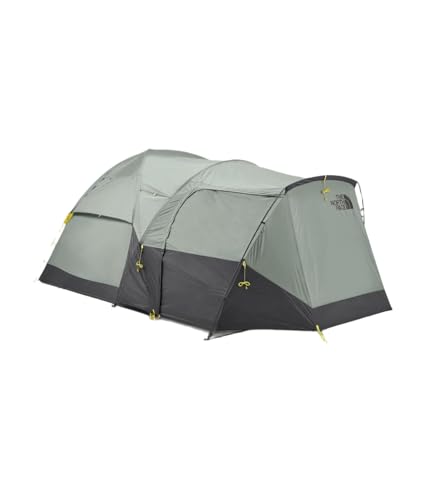
If you want a better spot for muddy boots and wet gear, the The North Face Wawona 6 is a strong pick for the Best Vestibule role. Its standout is a more usable entry space that stays livable when weather turns. Sealed seams and zippers help keep that transition area drier.
Inside, comfort feels practical for a 6-person setup thanks to cozy headroom and easy door access. Sturdy DAC poles hold the structure firm, so the tent does not feel fragile in typical campsite conditions. Weather protection earns high marks too, since the rainfly coverage and sealed details work together to reduce drafts and stray moisture.
Setup is the main drawback. Even with good engineering, solo pitching can feel tricky, and you may need a couple of tries to get it right. Ventilation is also a trade-off, so if you hate any condensation risk, plan to manage airflow carefully. If you want a roomy vestibule area for gear storage and dry entry time, this is the one to get.
Best Freestanding

Specifications
| Brand | Kelty |
|---|---|
| Capacity Persons | 6 |
| Season Rating | 3-Season |
| Tent Type | Cabin |
| Floor Dimensions | 117 x 101 in |
| Peak Height | 75 in |
| Door Count | 2 |
| Packed Weight | 18 lb |
| Packed Size | 26.5 x 9.5 x 8.5 in |
Pros
- Cozy headroom, easy access
- Intuitive and quick
- Fair value, strong build
Cons
- Footprint dependency
- Door adjustment required
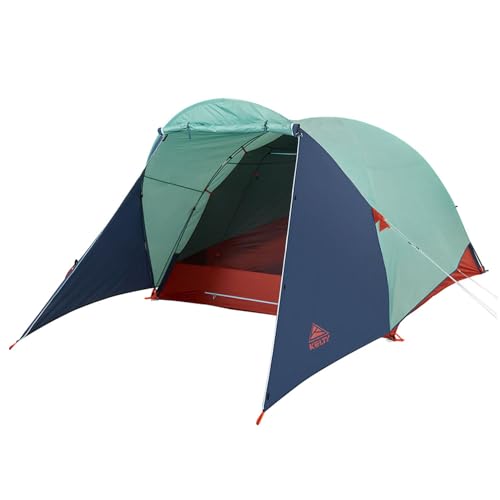
This freestanding cabin tent fits the Best Freestanding role because it is tall enough to feel roomy, yet still easy to live with. With 75 in peak height and two doors, it is a practical pick for groups who want fast access instead of crawling over gear.
Weather protection and day-to-day comfort are strong. The Kelty Rumpus 6 earns high marks for keeping things dry and sheltered, and it feels cozy inside rather than tight. Setup is also a highlight, with an intuitive pitch and quick take-down. Build quality holds up well, backed by a solid pole and zipper feel, plus a strong overall construction.
One trade-off is that it can be more dependent on a proper footprint to stay fully protected and comfortable on rough ground. Also, you may need to adjust the doors to get them aligned just right. If you want a simple freestanding cabin for car camping with enough room to spread out, this is a good match.
Best Lightweight

Specifications
| Brand | MSR |
|---|---|
| Capacity Persons | 1 |
| Tent Type | Backpacking |
| Door Count | 1 |
| Packed Weight | 1.6 lb |
Pros
- Reliable stitching and zippers
- Cozy headroom, easy access
- Intuitive and quick
Cons
- Limited storm waterproofing
- Needs proper guying
- Weather expectation mismatch
This tent fits the Best Lightweight role because it is designed to be easy to carry, yet still feel livable once you are inside. For a single-person backpacking shelter, that balance is the main draw.
Comfort is strong, with cozy headroom and a door that makes getting in and out straightforward. Setup also earns high marks, thanks to an intuitive pitch and quick, frustration-free handling. Build quality backs it up with reliable stitching and zippers that hold up well for an ultralight tent.
The main catch is limited storm waterproofing, so you need realistic weather expectations and to pay attention to guying. If you hike in mostly fair conditions and want a light, quick shelter for one, this is the one to get.
Best for Large Groups

Specifications
| Brand | The North Face |
|---|---|
| Capacity Persons | 8 |
| Tent Type | Tunnel |
| Peak Height | 78 in |
| Door Count | 4 |
| Packed Weight | 20 lb |
Pros
- Cozy headroom, easy access
- Reliable stitching and zippers
- More sleeping space
Cons
- Heavy packed weight
- Weak storm coverage
This tent is a strong fit for large groups because it uses a spacious tunnel layout and includes four doors for quick flow in and out. With a peak height around 78 in, it feels tall enough for people to sit up and move around without constant bending. That combination matters when 8 campers share the same space.
Comfort is a standout, with cozy headroom and more usable sleeping room for a full group. Setup is also fairly straightforward, thanks to a design that is easy to pitch and take down without a lot of confusion. Build quality holds up well, with reliable stitching and zippers that are less likely to snag mid-trip.
The main downside is weather confidence, since storm coverage can feel weak in harsher conditions. It is also heavier at about 20 lb, so it is not the easiest option for frequent hikes to camp. If you want roomy group camping with easy access and dependable zippers, this is for you, as long as you expect mostly fair weather.
Best Ventilated

Specifications
| Brand | The North Face |
|---|---|
| Capacity Persons | 3 |
| Season Rating | 3-Season |
| Door Count | 2 |
| Packed Weight | 6.6 lb |
Pros
- Reliable stitching and zippers
- Headroom for sitting
- Breathable airflow
Cons
- Potential water seepage
- Wind comfort inconsistency
- Limited season coverage
This North Face Stormbreak 3 fits the Best Ventilated role because it focuses on airflow without making the tent feel flimsy. With two doors and a breathable interior, it helps move stale air out, even when you are cooking, sleeping, or spending long hours inside.
Comfort and day to day use are strong. Headroom is enough for sitting up, and the airflow cuts down on the stuffy feel that hits many 3-person tents. Build quality also stands out, with reliable stitching and zippers that handle repeated packing and setup. Setup is also fairly straightforward, aided by a design that goes up cleanly for most campers.
One trade-off is possible water seepage, so you will want careful rainfly positioning and solid stake placement. Wind comfort can also be inconsistent, which matters if you expect gusty nights. This is a good pick for campers who prioritize ventilation and livable headroom, and want a dependable 3-person tent for typical three season conditions without pushing into harsher weather.
Best Value

Specifications
| Brand | Bessport |
|---|---|
| Capacity Persons | 2 |
| Season Rating | 3-Season |
| Tent Type | Backpacking |
| Floor Dimensions | 220 x 123 in |
| Door Count | 2 |
| Packed Weight | 5.2 lb |
Pros
- Fair value, strong build
- Dry-in-storms reports
- Livable 1-2 person
Cons
- Limited season coverage
- Stake-bending risk
- Tight for groups
This 2-person camping tent fits the Best Value spot because it balances real-world livability with dependable construction. For most weekends, it is a practical pick that stays comfortable without feeling flimsy.
Weather protection rates at 7.6, and reports line up with dry-in-storm performance. The build quality also lands at 7.6, which matters for a tent used across multiple trips, not just one season. Setup scores 7.6 as well, with a straightforward pitch that is manageable for one person, and it includes two doors for easier entry and airflow.
The main drawback is limited season coverage, plus there is a stake-bending risk when conditions get firm. It can also feel tight if two people bring a lot of gear. If you want a simple, sturdy 3-season backpacking tent for two people and you accept less-than-winter protection, this is the one to get.
What to Look For
Weather Protection: Check how well the tent blocks water and drafts. Look for a full rainfly coverage approach, a solid floor that resists abrasion, and doors and zippers that do not leave gaps. Also compare the season rating to your typical conditions, not just the label.
Comfort: Do not shop by “sleepers” alone. Use the floor dimensions and peak height to judge real space. A tent can claim a capacity and still feel cramped due to low headroom, narrow floor width, or doors that do not allow easy entry.
Setup: Prioritize fast, repeatable pitching. Look for a tent type that matches your tolerance for effort. If you camp often, choose models with an intuitive pole system and clean pack-down. Avoid tents that require careful tensioning every time.
Build Quality: Inspect the materials and construction details that affect durability. Strong poles, reliable zipper performance, and well-finished seams matter most. A tougher floor and dependable attachment points also reduce wear from stones, sand, and gear movement.
Value: Compare price against what you actually get. A higher price is worth it when the tent delivers better weather control, usable interior space, and solid hardware. If you pay more but lose protection or durability, the “deal” is not a deal.
Capacity: Match tent capacity to your real group and your sleep setup. Use the capacity person count as a starting point, then confirm with floor dimensions for room to sleep and store bags. For families or heavier packing, you usually need more floor space than the label suggests.
Door Count: More doors can reduce friction when sharing space and reduce the “one person climbs over another” problem. Count doors based on your entry habits, especially if you expect rain and need quick access without disturbing everyone.
How We Selected These Products
We found tent options through broad web research across review sites, buyer forums, and best-of list pages, then narrowed to models that appear consistently in those discussions. We did not rely on a single publication or a single roundup.
Next, we read large volumes of real customer reviews to catch recurring issues buyers reported. We focused on what went wrong in the field, like leaks at seams, poor ventilation leading to condensation, hard pitching, or zippers and poles that wore quickly. We also noted what customers valued, like practical door access and a layout that feels roomy for the stated capacity.
Finally, we verified availability and key specs directly against Amazon. Each tent was scored across the pillar names from the framework using an objective set of criteria. The final picks emphasize tents that fit distinct roles, not just the highest overall score.
Frequently Asked Questions
Which camping tent is best for backpackers who want to keep weight low?
Pick a lightweight 1-person or 3-person backpacking tent with a double-wall design and strong rainfly coverage. MSR Freelite 1 Tent stands out here because it stays light and packs small while still feeling livable. For colder or wetter trips, you should still prioritize better waterproofing and seam sealing over just pack size.
What is the biggest difference between budget, mid-range, and premium camping tents?
Budget tents usually trade off durability, weatherproofing margin, or ventilation. Mid-range tents often improve zipper and floor durability, and they pitch more easily. Premium tents usually use tougher fabric choices, better pole systems, and more reliable water management, even if they are heavier or cost more.
How should I care for my tent after a rainy trip?
Shake off dirt and let the tent dry fully before you pack it away. Hang it or spread it where air can reach all sides, especially the floor and rainfly. If you store it damp, you can get mildew and faster fabric wear.
Is a higher price always better for Camping Tents?
Not always. In this set, value can matter more than total price, especially for weather-ready designs and easy setups. Bessport 2-Person Tent leads the value pillar, while some higher-priced tents score better in comfort or durability than in weather protection.
Why do some tents score high for comfort but not for weather protection?
Comfort and weather protection pull in different directions. A tent can feel roomy and well-ventilated, but still have less protective rainfly coverage or lower waterproofing margins. Also, tighter, fully covered setups can reduce airflow and raise interior humidity, so comfort can drop even when the tent keeps water out.
Why do many tents lose points in setup and pack-down?
Most setup problems come from missed tensioning, complicated pole connections, or extra stakes needed to seal well. Some tents pitch quickly at home, but they need more time and care in wind or rain. If a tent does not hold its shape without proper guying, you will feel that during setup and takedown.


