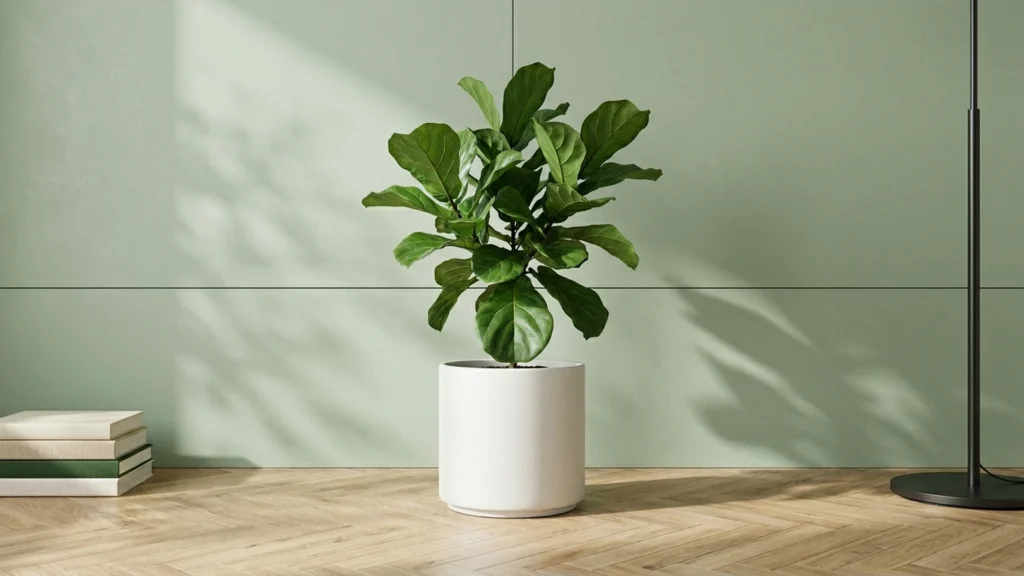
Floor planters are the pot or planter you set on the ground or a patio floor. Buyers in this category care about stability, root-safe drainage, and size that matches the plants they plan to grow. Many floor planters also target easy care, such as built in reservoirs or liners that help manage moisture between waterings.
Picking one gets tricky because floor planters blend form with function. You have to balance build quality with how well the planter handles outdoor conditions. You also need to match height and width to your plant’s root spread, not just the plant’s visible leaves. Finally, drainage and cleaning access can make the difference between a planter you use weekly and one you avoid.
Use this guide to narrow your choices inside the floor planter sub category. Looking for all types? See our Best Planters.
Quick Overview
Our Top Picks
#1. Lechuza Classico Planter 28"

Specifications
| Brand | Lechuza |
|---|---|
| Planter Type | Floor Planter |
| Material | Resin |
| Shape | Round |
| Use | Indoor/Outdoor |
| Dimensions | 10.2 x 11 x 11 in |
| Capacity | 7 gal |
| Drainage Holes | Yes |
| Self Watering | Yes |
Pros
- Holds up beautifully outdoors
- Stable and easy to use
- Auto-watering reservoir
Cons
- Premium price skepticism
The Lechuza Classico Planter 28 stands out among floor planters because it uses a true self-watering reservoir on a stable, easy-to-place round design. With a 7 gal capacity and built-in drainage holes, it helps keep plant roots from drying out between waterings while still allowing excess water to move out of the soil zone. The planter is also steady in use, so it feels more like a long-term planting container than a decorative pot that needs extra care every day.
The main trade-off is that it is a step up in commitment compared with basic planters. You are buying into the reservoir system, so it works best for people who want less frequent watering and are willing to follow the fill and check routine. If you tend to overwater or you travel often, this setup makes a lot of sense for indoor or outdoor floor displays.
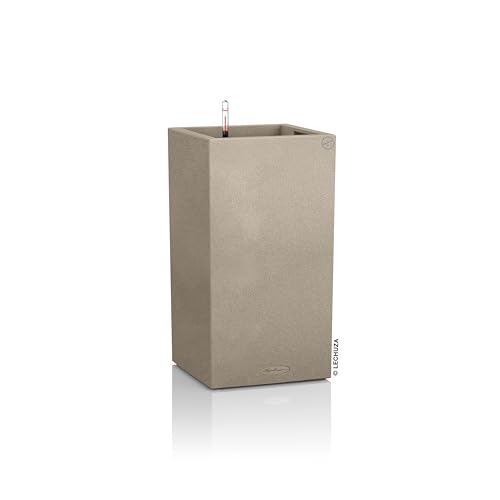
#2. Lechuza Canto Stone High Planter 40"

Specifications
| Brand | Lechuza |
|---|---|
| Planter Type | Floor Planter |
| Material | Resin |
| Shape | Square |
| Use | Indoor/Outdoor |
| Dimensions | 15.7 x 15.7 x 29.8 in |
| Drainage Holes | Yes |
| Self Watering | Yes |
Pros
- Sturdy, clean construction
- Stable and easy to use
- Auto-watering reservoir
Cons
- Capacity unspecified
- Version selection confusion
This Lechuza floor planter stands out for its built-in self-watering setup in a compact square footprint. At 15.7 x 15.7 x 29.8 in, it is tall enough for many common indoor and patio plants while keeping a neat, modern look. The stable, clean construction makes it easy to place on the floor and move when you need to rotate plants or refresh the soil. Drainage is handled with built-in drainage holes, and the reservoir helps keep moisture more even between waterings.
The main trade-off is planning around the reservoir and learning its routine. Because the capacity is not clearly stated, it can be harder to judge how long it will last for your specific plant and environment. Also, there can be version selection confusion, so it helps to double-check you are getting the self-watering high planter style that matches this size.
#3. Lechuza Mini-Deltini Planter 5.1"

Specifications
| Brand | Lechuza |
|---|---|
| Planter Type | Floor Planter |
| Material | Resin |
| Shape | Round |
| Use | Indoor |
| Dimensions | 5.1 x 4 x 4 in |
| Capacity | 1 gal |
| Drainage Holes | Yes |
| Self Watering | Yes |
Pros
- Sturdy, clean construction
- Stable and easy to use
- Strong value for quality
Cons
- Indoor-only limitation
- Limited root space
- Less durable material
The Lechuza Mini-Deltini Planter 5.1 stands out for floor-planter buyers who want a simple self-watering setup without extra mess. It is a round indoor resin pot with a 1 gal capacity, drainage holes, and a built-in reservoir system. In a floor planter context, that combination helps keep moisture steadier between watering days, which is especially useful for small spaces or plants that hate swings in wet and dry.
The trade-off is size and environment. With limited root space, it fits smaller houseplants more than anything fast-growing or root-hungry. Also, it is meant for indoor use, so it is not the best pick for outdoor freeze or sun exposure. Choose it if you want a stable, easy-to-manage floor planter for everyday indoor plant care.
#4. VIVOSUN 5 Gallon Fabric Grow Bag Planter

Specifications
| Brand | VIVOSUN |
|---|---|
| Planter Type | Floor Planter |
| Material | Plastic |
| Use | Indoor/Outdoor |
| Dimensions | 12.5 x 12.5 x 9.9 in |
| Capacity | 5 gal |
| Drainage Holes | Yes |
| Self Watering | Yes |
Pros
- Sturdy, clean construction
- Auto-watering reservoir
- Strong value for quality
Cons
- Shape retention issues
This fabric grow bag style planter is notable for its built-in auto-watering reservoir, paired with true floor placement. The 5 gallon size works well for common floor planter needs like herbs, leafy greens, and smaller shrubs, where steady moisture matters. Drainage holes keep water from pooling, while the reservoir helps reduce how often you need to water during busy weeks.
The main trade-off is shape retention. The fabric body can lose its crisp form over time, especially if it stays outdoors in harsh weather or gets moved around often. If you want a neat, rigid look that stays perfectly squared, consider a more structured pot. If you care more about root health and consistent watering than a fixed shape, this one fits the floor planter job well.
#5. Classic Home & Garden Corinthian Planter 13"

Specifications
| Brand | Classic Home & Garden |
|---|---|
| Planter Type | Floor Planter |
| Material | Resin |
| Shape | Round |
| Use | Indoor/Outdoor |
| Dimensions | 13 x 13 x 11 in |
| Drainage Holes | Yes |
| Self Watering | No |
Pros
- Strong value for quality
- Improves root health
- Outdoor-ready use
Cons
- No self-watering
- Less durable material
This round floor planter is notable in the floor planter category because it balances outdoor readiness with healthier root conditions. It is made from resin and comes with drainage holes, which helps excess water escape instead of pooling at the bottom. With dimensions of 13 x 13 x 11 in, it suits many common floor potting needs for porches, patios, and entryways where you want a stable, easy-to-place container.
The main trade-off is that it does not include self-watering. That means you will need to check moisture more often during hot or windy weather. Also, the less durable material noted for this model can be a factor if you expect heavy weather exposure or rough handling over time.
#6. Nearly Natural Large Urn Planter 20.25"

Specifications
| Brand | Nearly Natural |
|---|---|
| Planter Type | Floor Planter |
| Material | Concrete |
| Use | Indoor/Outdoor |
| Dimensions | 14.5 x 14.5 x 20.25 in |
| Capacity | 24.9 gal |
| Drainage Holes | No |
Pros
- Decor-first versatility
- Easy decor placement
Cons
- Poor drainage, stressful upkeep
- Arrival reshaping needed
This Nearly Natural large urn planter stands out in the floor planter category because it looks decorative even before you add plants. The concrete build gives it weight and presence, so it works well for statement areas like entryways, patios, and living rooms where you want the pot to matter as much as the greenery. At 14.5 x 14.5 x 20.25 in and about 24.9 gal, it is sized for fuller arrangements rather than small accent pots.
The main trade-off is practical upkeep. It does not list drainage holes, and reviewers report poor drainage and reshaping on arrival, which can make setup stressful. This is best for people who are willing to manage watering carefully, likely by using an inner nursery pot or liner, and who can handle a little initial adjustment before placing it.
What to Look For
Stability and base strength: Floor planters must feel solid when touched. Look for designs that sit flat and do not wobble, especially when plants grow heavy. Check for secure joints, even finishes, and a well made rim that will not chip during handling.
Drainage holes that match real watering: Choose a floor planter with drainage holes if you plan to grow live plants. Yes means excess water can escape and roots stay healthier. If you have a saucer, pair it with the planter so you do not leave standing water around flooring.
Self watering support (only if you need it): If you travel or forget waterings, prioritize a planter with a self watering reservoir. Yes means less guesswork between waterings. If you do not want a reservoir system, you can still choose a non self watering planter, but plan to water on a routine schedule.
Size that fits root growth: Use the planter’s dimensions and capacity to avoid common mistakes. A small footprint can look fine above ground but stress roots below. For spreading plants, favor wider widths and deeper depths over narrow containers.
Material that fits indoor or outdoor use: Outdoor exposure punishes weak coatings and low grade plastics. Choose the base material based on where it will live. For indoor use, you can focus more on look and easy cleaning. For outdoor use, prioritize resistance to fading and weather wear.
How We Picked
Products were identified through broad research across review sites and buyer forums, then filtered to only those that qualify as Floor Planters. Each listing needed to clearly fit a floor based placement style, such as standing planters or similar ground set containers.
Scoring used the same objective pillar framework as the main Planters post, allowing direct comparison of products within this sub category. Build quality, durability, function, style, and value were applied to each floor planter, then combined using the pillar weights to produce the final ranking.
Frequently Asked Questions
What should I check first before buying a floor planter?
Check for drainage holes and how well the planter stays stable on your floor. Next, look at the planter size for your plant type, especially root depth. Also confirm the material feels solid and resists cracking or fading if it will see sun.
Do floor planters need drainage holes even for indoor plants?
Yes, most plants need drainage to prevent root rot. Choose a floor planter with one or more drainage holes. If it lacks holes, use a separate nursery pot inside, and empty any water that collects.
How do self-watering floor planters work, and are they worth it?
Self-watering planters hold extra water and slowly move it to the plant as the soil dries. This can help if you forget to water or travel. Still, you should check the water level and clean the reservoir so algae does not build up.
Which is better for patios, a floor planter or a window box style planter?
Choose a floor planter if you want flexibility with plant height and spacing. Window box style planters work better for tight areas and long, narrow displays near walls. For patios, also consider wind, drainage, and how heavy the planter feels when planted.
When should I choose a wall mounted planter instead of a floor planter?
Pick a wall mounted planter when you want to save floor space or create a vertical garden. Use a floor planter when you need deeper soil for bigger plants or when you want easy moving for sun changes. Floor planters also let you place plants anywhere without relying on wall strength.


