




Planters are containers for growing plants, from small herbs to larger outdoor flowers. They shape how water moves, how roots breathe, and how easy it is to keep plants alive. The best planters feel solid and make watering simple. The wrong ones create dry pockets, trapped water, or setup headaches.
Picking a planter gets tricky because key details get mixed with style. Size labels can hide the real planting depth. Drainage claims may be unclear, or holes may sit so high that water cannot escape well. Self-watering features sound helpful, but they only work if the reservoir design and fill method match your plant use. Materials also matter, resin and plastic can handle weather, while some ceramics or stones can crack from freeze-thaw cycles.
This guide explains what to check before you buy. You will learn how to read the core specs, what drainage and self-watering mean in practice, and how to match shape and size to your plants. Each recommendation is then filtered for build, durability, function, style fit, and overall value for its role.
Quick Overview
Top Picks
Best Overall

Specifications
| Brand | Lechuza |
|---|---|
| Planter Type | Floor Planter |
| Material | Resin |
| Shape | Round |
| Use | Indoor/Outdoor |
| Dimensions | 10.2 x 11 x 11 in |
| Capacity | 7 gal |
| Drainage Holes | Yes |
| Self Watering | Yes |
Pros
- Holds up beautifully outdoors
- Stable and easy to use
- Auto-watering reservoir
Cons
- Premium price skepticism
For a Best Overall pick in floor planters, this one stands out for its auto-watering reservoir. That built-in system makes it easier to keep plants evenly moist, without daily checks. It is also designed for indoor or outdoor use, so it works across common patio and entryway setups.
The planter feels solid when you move it around, which is a big deal for a round, floor-standing pot. The resin build holds up well outdoors, and the design stays stable in use. With drainage holes and a 7 gal capacity, it gives roots room while helping excess water escape. Cleaning is also straightforward because you are dealing with a simple reservoir and drainage setup.
The main downside is the premium price skepticism some shoppers will feel before they try it. If you want a dependable, stable self-watering planter for everyday plant care, this is the one to get. If you only need a basic pot and do not mind more hands-on watering, you may want to look elsewhere.
Also ranked #1 in: Self-Watering Planters · Floor Planters
Best for Balcony Railings

Specifications
| Brand | Lechuza |
|---|---|
| Planter Type | Window Box |
| Material | Plastic |
| Shape | Trough |
| Use | Indoor/Outdoor |
| Dimensions | 7.5 x 19.7 x 7.5 in |
| Capacity | 12 gal |
| Drainage Holes | Yes |
| Self Watering | Yes |
Pros
- Auto-watering reservoir
- Improves root health
- Holds up beautifully outdoors
Cons
- Less durable material
A balcony railing window box needs two things, stable placement and steady moisture. The Lechuza Balconera Cottage is a self-watering trough planter, so it stays set up for rail-friendly gardening without constant checking.
Its built-in reservoir helps keep roots healthy, backed by strong function scores. You get drainage holes and a 12-gal container, which gives more room for plants than many smaller rail planters. It also holds up well outdoors, with a build that feels solid in daily use.
The main drawback is the material. It is plastic, so it may not match the long-term feel of heavier planters. If you want a balcony rail window box that simplifies watering and keeps plants in balance, this is a strong fit.
Best for Narrow Entryways

Specifications
| Brand | Lechuza |
|---|---|
| Planter Type | Floor Planter |
| Material | Resin |
| Shape | Square |
| Use | Indoor/Outdoor |
| Dimensions | 15.7 x 15.7 x 29.8 in |
| Drainage Holes | Yes |
| Self Watering | Yes |
Pros
- Sturdy, clean construction
- Stable and easy to use
- Auto-watering reservoir
Cons
- Capacity unspecified
- Version selection confusion
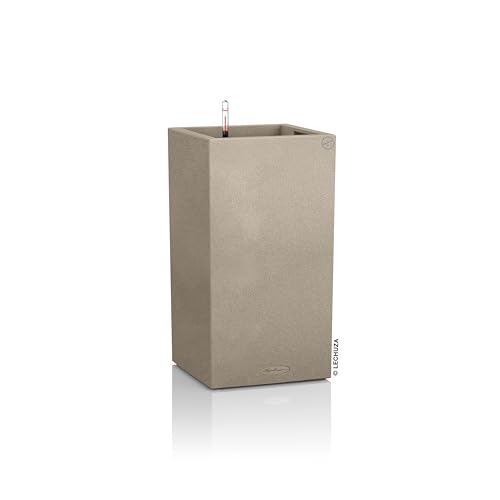
This high planter works well for narrow entryways because it stays compact in footprint, at 15.7 x 15.7 inches, while adding height of 29.8 inches. The standout trait is its built-in auto-watering reservoir, which helps keep plants steady between visits.
It feels solid in use, with clean, sturdy construction that stays stable once placed. The drainage holes support healthier root conditions, and the self-watering system helps reduce guesswork when watering. The resin build also makes it practical for indoor or outdoor spots where you still want a neat look.
The main downside is that capacity is not clearly stated, which can make it harder to judge how many plants or which sizes will fit comfortably. There is also some version selection confusion when shopping. If you need a tall, space-saving floor planter for a tight entryway and want reliable self-watering, this is a strong match.
Best Root Aeration

Specifications
| Brand | VIVOSUN |
|---|---|
| Planter Type | Floor Planter |
| Material | Plastic |
| Use | Indoor/Outdoor |
| Dimensions | 12.5 x 12.5 x 9.9 in |
| Capacity | 5 gal |
| Drainage Holes | Yes |
| Self Watering | Yes |
Pros
- Sturdy, clean construction
- Auto-watering reservoir
- Strong value for quality
Cons
- Shape retention issues
If you are shopping for best root aeration, the VIVOSUN 5 Gallon Fabric Grow Bag Planter is built for that job because fabric sides help air reach the root zone. It also includes a self-watering reservoir, so plants can pull moisture without waterlogged soil as easily.
On the day-to-day side, the planter is easy to work with and feels solid. Users get strong drainage help with the included drainage holes, and the built-in auto-watering reservoir makes watering less frequent. The build quality shows up in the clean construction and sturdy feel, and it is a good fit for indoor or outdoor use.
The main drawback is shape retention issues over time, which can matter if you want it to look crisp after long use. If you want a fabric grow bag setup that supports airflow to roots and keeps moisture steady, this is a strong choice for container gardeners, especially those growing leafy greens or herbs.
Best Value

Specifications
| Brand | Mkono |
|---|---|
| Planter Type | Hanging Planter |
| Material | Ceramic |
| Shape | Round |
| Use | Indoor/Outdoor |
| Dimensions | 18 x 4.6 x 4.6 in |
| Drainage Holes | Yes |
| Self Watering | No |
Pros
- Improves root health
- Strong value for quality
- Attractive, well-proportioned design
Cons
- No self-watering
- Takes up space
For a Best Value pick in a planters guide, this Mkono macrame hanging planter makes the most sense when you want style without a complicated setup. The standout is the ceramic round pot paired with macrame for an eye-catching look that works in many indoor and outdoor spots.
Build quality feels solid for daily use, with clean finishes that do not look rough or uneven. The ceramic body helps improve root health, and the planter includes drainage holes, so excess water can escape instead of pooling. It also has a well-proportioned shape for its size, which makes it easier to place and enjoy at a glance.
The main drawback is that it does not self-water, so you will need to stay on top of watering, especially in warmer weather. It is also a bit space-intensive since it hangs rather than sits flat. If you want a stylish hanging planter with proper drainage and a nicer look, this is a good fit for people who can water on schedule.
Also ranked #1 in: Hanging Planters · Ceramic Planters
Best for Hanging Spaces

Specifications
| Brand | LA JOLIE MUSE |
|---|---|
| Planter Type | Hanging Planter |
| Material | Plastic |
| Use | Indoor/Outdoor |
| Dimensions | 4.72 x 9.84 x 9.84 in |
| Drainage Holes | Yes |
| Self Watering | No |
Pros
- Improves root health
- Outdoor-ready use
- Compact footprint
Cons
- No self-watering
- Less durable material
This hanging planter is a strong fit for “Best for Hanging Spaces” because it is compact and designed to mount up high. At 9.84 in tall and 9.84 in wide, it is an easy way to add greenery to balconies, patios, and window areas without taking floor space.
It uses a plastic body with drainage holes, which helps keep roots healthier by reducing water buildup. The overall build feels solid for everyday use, and the indoor-outdoor design makes it practical for sun and weather. Its compact footprint also makes it simpler to swap plants or adjust your layout.
The main trade-off is that it does not have self-watering, so you will need to stay on top of watering. The other downside is that the plastic material is not as rugged as heavier planter options over time. If you want an attractive hanging planter that is easy to place and maintain, but you are fine watering manually, this is the one to get.
What to Look For
Planter Type: Choose the mounting and placement first. Hanging planters work from above, wall mounted planters need secure hooks or brackets, and window boxes fit railings and window ledges. Floor and raised planters suit open spaces and heavier loads.
Material: Match the material to your environment. Plastic and resin handle outdoor exposure well and resist fading in normal sun. Ceramic and terracotta look natural but can be more fragile. Metal and wood can be weather-sensitive unless they use outdoor-ready finishes.
Shape: Pick a shape that fits both space and root growth. Round and square options work for most plants. Rectangular and trough styles suit herbs, rows of flowers, and narrow areas. Tighter shapes often limit how deep and how many plants you can fit.
Use (Indoor or Outdoor): Confirm the planter is intended for your location. Indoor planters can be lighter and easier to move. Outdoor planters need weather resistance and stable drainage. If you live where temperatures drop below freezing, prioritize materials that resist cracking and warping.
Dimensions: Use width x depth x height to check real fit. Measure your shelf, railing space, or floor area. Then ensure the planting depth supports your plants, especially for taller growers like tomatoes, peppers, and many flowering perennials.
Capacity: Capacity in gallons predicts how often you must water. Small containers dry fast, especially in sun and wind. Larger planters hold more moisture and give roots room, which helps plants handle busy schedules.
Drainage Holes and Self-Watering: Look for drainage holes if you water on a normal schedule, because roots need oxygen. If the planter is self-watering, confirm it has a true reservoir design, not just a catch tray. Use self-watering planters when you want steadier moisture, but still check water levels and refill needs.
How We Selected These Products
We started with broad web research across review sites, buyer forums, and best-of roundups. We did not rely on one list, because planters often rank well for appearance but fail on drainage or stability. Next, we read large volumes of real customer reviews to find repeated problems and the details that buyers cared about in daily use.
We then verified availability and core specs directly against Amazon listings. Each option was scored against the same pillar set: build quality, durability, function, style, and value. Finally, we selected a small set of products that fit distinct roles in the guide, so you can pick based on your space and care needs, not just a single overall score.
Frequently Asked Questions
Which planter type works best for people who forget to water?
Choose a self-watering planter with a water reservoir and an indicator, like the Lechuza models in this guide. These systems move water to the roots more steadily and reduce guesswork. A standard planter without a reservoir depends on you to keep the soil evenly moist.
Are budget planters usually as reliable as premium ones?
Not always. Premium planters often use tougher materials and better-built systems, which can reduce leaks, warping, and component issues over time. Budget options can still work well, but you may get less consistent drainage or less durable parts.
How do self-watering planters prevent waterlogged roots?
They typically use a reservoir plus drainage holes in an inner liner. The planter wicks water up from below, then excess drains so roots do not sit in standing water. This design supports healthier moisture levels than many simple pots.
Is a higher price always better for planters?
No. Some higher-priced options focus on looks and build feel, not stronger plant performance. In this set, the Lechuza picks score high across multiple pillars, while value options like VIVOSUN 5 Gallon Fabric Grow Bag Planter can deliver strong practical results for root aeration.
Why do many planters get lower durability scores?
Outdoor exposure creates common failure risks, like UV fading, brittleness, and cracks. Moisture problems also matter, especially if a planter traps water or has poor drainage. Even good materials can fall behind if the drainage and liner system does not work reliably.
What is the easiest plan for hanging plants, indoors or outdoors?
Pick a hanging planter that includes drainage holes, so you do not drown the soil. If you want lower-maintenance care, use a self-watering system, but only if it fits your hanging space safely. For compact setups, LA JOLIE MUSE Hanging Planter 9.84


