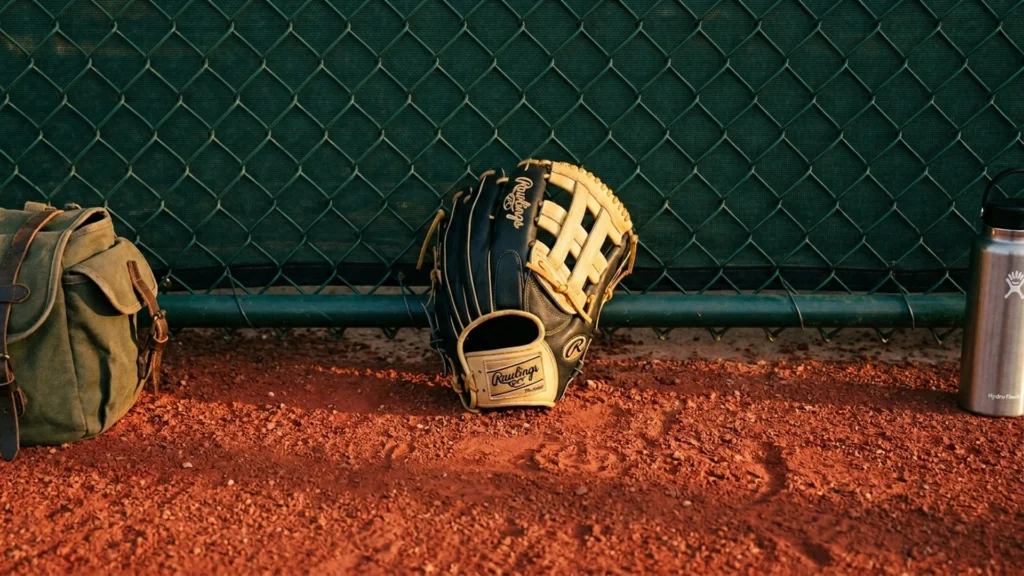
Outfield baseball gloves focus on catching from distance and making quick, accurate throws. Buyers should look for a glove with a deeper pocket for secure fielding and a shape that helps the ball stay in place during transfer. Most outfielders also want an easy-to-control catching hand position, so the glove feels steady when you run, slide, or turn on a hop.
Choosing one gets hard because outfield gloves trade pocket depth for break-in time. A deeper pocket often feels stiffer at first. You also need the right web type for your style. Some webs help you track the ball, while others speed up ball release. Finally, size matters. Too big can slow your transfer. Too small can make hard catches feel less secure.
For more glove types and how they differ by role, use this guide as your outfield-focused starting point. Looking for all types? See our Best Baseball Gloves.
Quick Overview
Our Top Picks
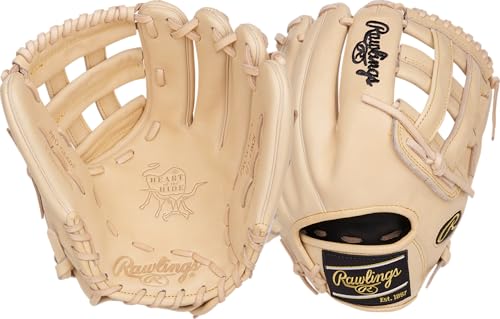
#1. Rawlings Heart of The Hide 12.25" Baseball Glove
Specifications
| Brand | Rawlings |
|---|---|
| Position | Outfield |
| Throwing Hand | Right Hand Throw |
| Glove Size | 12.25 in |
| Web Type | H-Web |
| Material | Leather |
Pros
- Confident, secure catches
- Durable laces, solid seams
- Leather build
Cons
- Firm break-in period
- Over-oiling risk
- Suboptimal web choice
This Rawlings Heart of The Hide 12.25 glove stands out for outfield play because it locks in during the catch and holds its shape. The pocket feels secure, and the ball transfer stays clean when you take hard throws and line drives in stride. For outfielders, that confidence matters, since missed transfers often turn into bad bounces.
The trade-off is the break-in. Expect a firm learning curve before it feels fully natural. It can also tempt over-oiling, which can soften the leather too much if you are not careful. The H-Web design is solid, but if you want maximum visibility for quick reads, some web types may suit you better.
#2. NOKONA Walnut EP 12.75" Baseball Glove

Specifications
| Brand | NOKONA |
|---|---|
| Position | Outfield |
| Throwing Hand | Left Hand Throw |
| Glove Size | 12.75 in |
| Web Type | H-Web |
| Material | Leather |
| Back Style | Open Back |
Pros
- Confident, secure catches
- Durable laces, solid seams
- Lightweight, flexible fit
Cons
- Suboptimal web choice
- Less stable open back
The NOKONA Walnut EP 12.75 stands out for outfield work thanks to its confident, secure catching feel. The pocket does a good job holding the ball long enough to transfer it cleanly, which matters when you are tracking hard-hit fly balls and quick hops. At 12.75 inches, it hits a solid outfield sweet spot, and the H-Web keeps the catch stable while your glove hand stays in control. Build quality feels substantial, with durable laces and solid seams that hold up through repeated game use.
The main trade-off is in the design choices. The web selection is a bit less ideal than you might want for all outfield angles, and the open back feels a little less stable when you are reaching. This glove fits best for outfielders who prioritize secure catches over maximum back-of-hand lock-in, and who do not mind a slightly more flexible feel on the backside during aggressive plays.
#3. Rawlings R9 12.75" Baseball Glove

Specifications
| Brand | Rawlings |
|---|---|
| Position | Outfield |
| Throwing Hand | Right Hand Throw |
| Glove Size | 12.75 in |
| Web Type | Pro-H Web |
| Material | Leather |
| Break In Level | Game Ready |
Pros
- Lightweight, flexible fit
- Game-ready out of box
- Leather build
Cons
- Limited durability evidence
- Youth-focused sizing
The Rawlings R9 12.75 stands out for outfield play because it is game ready with a flexible feel right away. At 12.75 inches, the Pro-H web works well for reading line drives and tracking fly balls, helping you get the ball into the pocket fast. It also feels lightweight for an outfield glove, so quick transfers and routine catches do not feel heavy in your hand. The leather build supports a steady shape as you use it, which matters when you are catching repeated hard-hit balls.
The trade-off is durability evidence is limited, so it is best if you treat it as an everyday practice and game glove while you watch for lace wear over time. It also skews toward youth-focused sizing, which can be a plus for smaller hands that want a secure, natural fit. If you are an outfielder with larger hands, try it in person first so it does not feel cramped during longer games.
#4. Wilson A360 12" Baseball Glove

Specifications
| Brand | WILSON |
|---|---|
| Position | Outfield |
| Throwing Hand | Left Hand Throw |
| Glove Size | 12 in |
| Web Type | Two-Piece Closed Weave Web |
| Material | Leather |
| Wrist Closure | Velcro |
Pros
- Strong performance for cost
- Role-appropriate sizing
- Leather build
Cons
- Inconsistent pocket control
- Loose Velcro fit
This Wilson 12 in outfield glove stands out for its role-appropriate shape and leather build. The two-piece closed weave web helps keep catches organized during fly balls, and the pocket depth feels suited for outfield play. In a sub-category where many gloves feel either too shallow or too bulky, this one plays like a true outfield model, with steady feel around the ball on routine catches.
The trade-off is pocket control. Some catches land cleanly, but the glove can feel inconsistent when you need a firm, repeatable hold on harder contact. The Velcro wrist closure can also feel a bit loose, so you may want to snug it down each time. This is a good fit for outfielders who want dependable leather and a normal break-in experience, but still want a glove they can refine with practice.
What to Look For
Pocket depth for outfield catches: Choose a glove that keeps the ball in the pocket on line drives and sinking hits. Deeper pockets reduce slippage when you catch while moving or off-balance.
Throwing control through the web: Pick a web that helps you secure the ball before you transfer. Web styles that hold the ball well can make your release feel cleaner on quick throws from the outfield.
Size matched to your role: Use an outfield-ready size range, usually around 12.25 to 12.75 inches. If you play corner outfield and move a lot, err slightly smaller. If you prioritize strong pocket security, go slightly larger within the outfield fit.Break-in level that fits your schedule: If you need game-ready performance soon, prioritize gloves labeled Game Ready or Partially Broken In. If you can practice the break-in, a glove that needs more time can still pay off in long-term pocket feel.
Leather and build quality that holds shape: Outfield gloves see more repeated catches and faster transfers. Look for consistent stitching, firm lace strength, and padding that keeps its form during repeated use. Better construction usually means fewer shape changes after weeks of play.
How We Picked
Products were identified through broad research across review sites and buyer forums, then filtered to only those that qualify as Outfield Baseball Gloves.
Scoring used the same objective pillar framework as the main Baseball Gloves post, allowing direct comparison of products within this sub-category.
Frequently Asked Questions
What makes an outfield glove different from an infield glove?
Outfield gloves usually run larger with a deeper pocket. That helps you secure fly balls and hard-hit balls on the move. They also often use a web designed for quick, confident catches and fast transfer.
What glove size should I pick for outfield play?
Most outfielders choose gloves around 12.0 to 12.75 inches. A bigger glove helps with high catches and longer ball tracks. If you are new to the position, start at the smaller end for better control and easier break in.
How do I break in an outfield glove without ruining the pocket?
Use light catch and pocket reps to set the pocket shape. Keep the laces snug and avoid bending the glove the wrong way. A few days of steady work is usually better than forcing it in one long session.
How should I care for an outfield glove used outdoors and in bad weather?
Wipe dirt off after games and let the glove dry naturally. Do not heat it with a dryer or direct heater, since leather can crack. Use a small amount of glove conditioner as needed to keep the leather flexible.
When should I consider a different type of baseball glove instead of an outfield glove?
If you play infield positions most of the time, you may want a shallower pocket for faster transfers. If you catch mostly line drives near the mound, a different design may fit your catching style better. Choose the glove that matches your fielding distance and how you get rid of the ball.
How do outfield gloves compare to other baseball gloves in terms of catch control?
Outfield gloves focus on holding the ball securely, especially on fly balls. Many have deeper pockets that reduce drops when you catch while moving. Other glove types may trade pocket depth for quicker throws or different ball control.


