




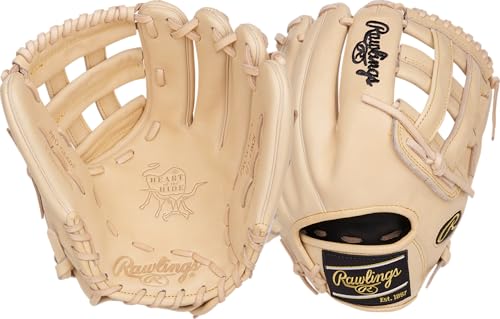
Baseball gloves are position-specific hand tools for catching and transferring the ball cleanly. Infielders need quick control, outfielders need reach and secure hands, and catchers need a strong pocket that can handle hard contact. Pitchers need a glove that helps with repeatable transfers.
Choosing is hard because the specs can mislead. Glove size sounds simple, but inches alone do not tell you pocket depth or how stiff the leather feels. Web type affects visibility and ball security, yet many listings do not explain how it changes the catch. Some “game-ready” claims ignore real break-in time, and some synthetic blends wear faster than people expect.
This guide narrows the options to real, use-tested picks. You will get four sections that explain what to look for, how the selection was made, and how each model fits a clear role. Use it to match the glove’s specs to your position and throwing hand, then buy with fewer surprises.
Quick Overview
Top Picks
Best Overall

Specifications
| Brand | Rawlings |
|---|---|
| Position | Outfield |
| Throwing Hand | Right Hand Throw |
| Glove Size | 12.25 in |
| Web Type | H-Web |
| Material | Leather |
Pros
- Confident, secure catches
- Durable laces, solid seams
- Leather build
Cons
- Firm break-in period
- Over-oiling risk
- Suboptimal web choice
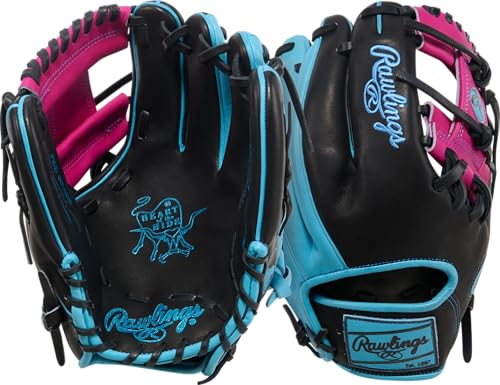
This Rawlings Heart of the Hide 12.25-inch glove fits the Best Overall spot because it feels dependable on tough plays, especially with its secure catching pocket. The H-Web setup helps the ball settle quickly, so you stay confident when the ball comes in hot. For an outfielder, that kind of control matters more than just looks or size.
Build quality stands out. The leather build and durable laces hold up well, and the seams stay tight through repeated use. In play, it tracks and gathers with strong control, and the glove shape helps you get clean transfers. Comfort is also solid for a glove in this class, with a flexible feel once you have it moving.
The main drawback is the break-in period. It starts firm, so expect extra work before it feels natural. Also, be careful with how much oil you use, since over-oiling can make leather too soft. If you want a pro-style outfield glove with reliable catching control and long-term build quality, this is the one to get.
Also ranked #1 in: Outfield Baseball Gloves · H-Web Baseball Gloves
Best 11.5-Inch

Specifications
| Brand | Rawlings |
|---|---|
| Position | Infield |
| Glove Size | 11.5 in |
| Web Type | Pro I-Web |
| Material | Leather |
Pros
- Confident, secure catches
- Durable laces, solid seams
- Lightweight, flexible fit
Cons
- Break-in lag
- Forced closure bubbles
This Rawlings 11.5-inch infield glove fits the Best 11.5-Inch role because it is built for quick transfers and sure catches in smaller pockets. The standout is the Pro I-Web design, which helps the glove play crisp and stay controlled on line drives and hard grounders.
In play, it earns strong marks for secure feel and clean ball handling. The laces and seams hold up well, and the glove stays light and flexible during swings and fielding. That balance helps you get repeatable catching without fighting the pocket.
The trade-off is a break-in lag, plus some forced-closure feel that can take time to smooth out. If you want an 11.5-inch infield glove that prioritizes pocket control and durable build, and you can handle some break-in time, this is a solid pick.
Also ranked #1 in: Infield Baseball Gloves
Best for Outfield

Specifications
| Brand | NOKONA |
|---|---|
| Position | Outfield |
| Throwing Hand | Left Hand Throw |
| Glove Size | 12.75 in |
| Web Type | H-Web |
| Material | Leather |
| Back Style | Open Back |
Pros
- Confident, secure catches
- Durable laces, solid seams
- Lightweight, flexible fit
Cons
- Suboptimal web choice
- Less stable open back
This NOKONA 12.75 inch outfield glove fits the Best for Outfield role because it focuses on secure, repeatable catches in space. The H-Web and outfield-ready pocket help the glove stay controlled when you need to track and receive fly balls.
In play, it earns strong performance marks for pocket feel and catching control. You also get durable laces and solid seams that hold up through repeated reps. Comfort comes from a lightweight build and a flexible fit, so the glove moves without feeling bulky during long fielding sessions.
The main trade-off is the suboptimal web choice for some outfield needs, plus a less stable open back when you try to lock in a very tight receiving position. If you want a dependable outfield glove with strong catch control and flexible feel, this is a solid pick for everyday outfield practice and game use.
Best Premium

Specifications
| Brand | NOKONA |
|---|---|
| Position | Infield |
| Throwing Hand | Right Hand Throw |
| Glove Size | 12 in |
| Web Type | Modified T- Web |
| Material | Leather |
| Break In Level | Game Ready |
Pros
- Confident, secure catches
- Durable laces, solid seams
- Lightweight, flexible fit
Cons
- Tight lace runs
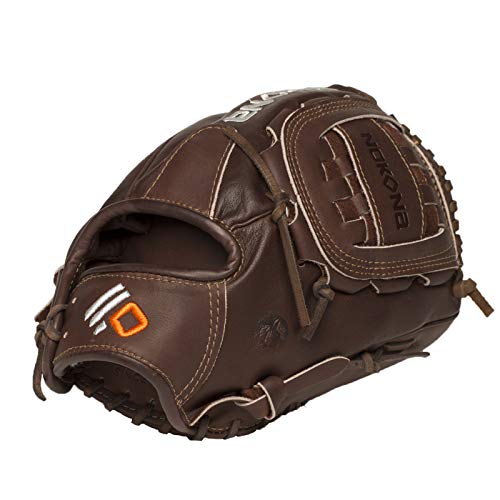
This Nokona X2 Elite 12 fits the Best Premium role because it focuses on clean, secure catching right away. The 12-inch infield setup and Modified T-Web shape help the ball stay in the pocket, even on harder hit plays.
In game, it feels dependable. You get confident, secure catches and quick control from a pocket designed for infield work. Build quality is also strong, with durable laces and solid seams that hold up with repeated use. The glove stays lightweight and flexible, so the hand moves naturally.
The main downside is a tight lace run, which can make it feel a bit snug at first. If you want a premium infield glove that catches with confidence and stays game-ready, this is a great pick for competitive players who do not mind a little extra break-in effort.
Best for Catchers

Specifications
| Brand | Rawlings |
|---|---|
| Position | Catcher |
| Throwing Hand | Right Hand Throw |
| Glove Size | 33 in |
| Web Type | Fully Closed Web |
| Material | Kip Leather |
Pros
- Confident, secure catches
- Durable laces, solid seams
- Leather build
Cons
- Slow uncertain break-in
- New stiffness heaviness
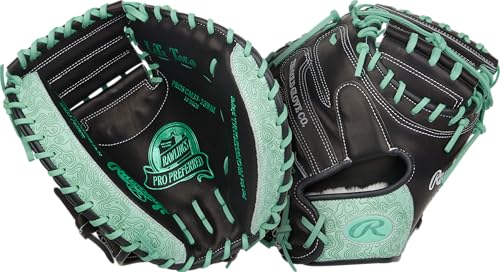
This Rawlings 33 in catcher mitt fits the Best for Catchers role because the fully closed web helps you control the ball and keep it secure on tough pitches. The deep pocket shape also makes it easier to catch in the strike zone and keep transfers quick.
In play, it delivers confident, secure catches, with a solid catch feel that suits the receiving demands of a catcher. Build quality stands out too, with kip leather, durable laces, and consistent stitching that help the mitt hold its shape through repeated use.
The main downside is the break-in. Expect slow, uncertain break-in and some new stiffness and heaviness at first. If you want a traditional catcher setup with strong materials and dependable catching control, but you can wait for it to loosen up, this is a solid pick.
Best for Comfort

Specifications
| Brand | Mizuno |
|---|---|
| Position | Infield |
| Throwing Hand | Right Hand Throw |
| Glove Size | 11.5 in |
| Web Type | Cross 8 Web |
| Material | Steerhide Leather |
Pros
- Confident, secure catches
- Durable laces, solid seams
- Lightweight, flexible fit
Cons
- Fit-dependent comfort
This Mizuno 11.5 in infield glove fits the Best for Comfort role because it stays lightweight and flexible once you have it on. The standout trait is how natural it feels during quick transfers, with less hand strain than heavier gloves.
In play, it delivers confident, secure catches with a pocket that holds the ball well. The Cross 8 Web helps the glove stay steady, and the steerhide leather gives a controlled feel. Build quality also stands out, with durable laces and solid seams that look ready for repeat use.
The main drawback is fit-dependent comfort. If the hand fit is not right for you, the glove can feel less comfortable even if the break in goes well. If you want a flexible, low-fatigue infield glove and you value secure catches, this one is for you.
Best Game Ready

Specifications
| Brand | WILSON |
|---|---|
| Position | Infield |
| Throwing Hand | Right Hand Throw |
| Glove Size | 11.5 in |
| Material | Leather |
| Break In Level | Game Ready |
Pros
- Confident, secure catches
- Durable laces, solid seams
- Lightweight, flexible fit
Cons
- Steaming warranty risk
- Lack comfort feedback
This Wilson A2K 1786SS 11.5 fits the Best Game Ready role because it starts catching well right away. The pocket feels secure, so you spend less time fighting the glove and more time making clean plays.
Infield players get strong control on hard-hit balls, with quick ball transfer once you lock into the pocket. The build feels solid, too, thanks to durable laces and consistent seams that hold up through repeat reps. On top of that, the fit stays lightweight and flexible, which helps you stay fluid at shortstop and second base.
The main downside is the steaming warranty risk, so you need to avoid heat-based break-in. If you want a game-ready infield glove that catches confidently with minimal hassle, this one is a good match for you.
Best Value

Specifications
| Brand | Rawlings |
|---|---|
| Position | Infield |
| Throwing Hand | Right Hand Throw |
| Glove Size | 13 in |
| Web Type | H-Web |
| Material | Leather |
| Back Style | Mesh Back |
| Wrist Closure | Velcro |
| Break In Level | Game Ready |
Pros
- Strong performance for cost
- Leather build
- Game-ready out of box
Cons
- Loose Velcro fit
- Less stable open back
- Suboptimal web choice
This is a strong pick for the Best Value role because it hits the sweet spot of game-ready feel and solid leather build. The Rawlings RENEGADE 13 is sized for infield work at 13 inches, with an H-Web that helps keep the ball in the pocket on routine plays.
On the field, it scores well for performance thanks to its control and steady transfer. The leather construction and consistent stitching make it feel substantial in hand. Comfort is also a highlight, since it breaks in to a game-ready feel and stays flexible without needing a long, tough process.
The main weak point is how the glove stays attached to you, the Velcro wrist closure can feel a bit loose, and the open back is less stable than you might want for quick stops. If you want a reliable infield glove with an easy start and durable leather, but you do not mind adjusting your fit, this one is for you.
What to Look For
Position: Choose a glove built for your role. Infield gloves are smaller and flatter for quick transfers, while outfield gloves are larger with a deeper pocket for catching on the move. Pitcher and catcher gloves prioritize control and sturdier handling of repeated action.
Throwing Hand: Buy by your throwing arm, not your catching hand. Standardize this as Right Hand Throw or Left Hand Throw, then match the glove orientation that works with your natural throw.
Size: Pick a size in inches that fits your position and comfort. Small gloves move faster for infield play, while larger gloves help with reach in the outfield. If you feel late on catches, size can be the problem, not your hands.
Web Type: Use the web style to guide how the glove feels on contact. H-Web and similar open designs help you see the ball earlier, while more closed or basket-style webs often stabilize the pocket for secure catches. Choose based on whether you want faster sight lines or more pocket control.
Material: Look for real leather as the primary material when you want lasting shape and reliable pocket performance. Full grain or other leather grades matter less than how the glove holds structure after repeated use. Synthetic materials can feel quick early, but the pocket and lacing may not last as well.
Back Style: Select the back style based on how you move. Open backs often improve flexibility and break-in speed, while more conventional back builds can feel more structured. If your glove feels tight when you field, back style and overall pattern play a bigger role than you expect.
Wrist Closure and Break-In Level: Use a wrist closure that locks down without over-tightening. Velcro can be quick and consistent, while other closure systems can change how the glove sits after catches. Then match the break-in level to your timeline. If you need play-ready performance now, avoid models that clearly require extended break-in.
How We Selected These Products
Products came from broad web searches across review sites, buyer forums, and best-of lists. I did not rely on a single source or a single brand recommendation, so the shortlist reflects what different communities report.
I then read a large volume of real customer reviews to find common problems and repeat praises. I focused on pocket behavior, catch consistency, lacing durability, comfort after longer sessions, and whether the break-in claims matched lived experience.
Availability and specs were checked directly against Amazon listings. Each glove was scored against the pillar set, Performance, Build Quality, Comfort, and Value, using an objective rubric. The final curation kept gloves that truly fit distinct roles, rather than ranking every glove against every other glove without context.
Frequently Asked Questions
Which baseball glove is best if I play infield and want the quickest transfer?
Pick an 11.5 inch infield glove with a web that supports quick ball release. The best fit usually comes from a pattern sized for grounders and relays, not a bigger outfield pocket. If you want faster readiness, focus on game-ready or moderate break-in builds.
How do price tiers change the glove experience in this category?
Premium gloves use higher grade leather and stronger lacing, so they hold shape longer. Mid-tier gloves often feel good and perform well, but they may not match the same long-term pocket stability. Budget gloves can be comfortable right away, but they may not keep their form under harder play.
What is the best glove care method to avoid damaging leather gloves?
Avoid soaking your glove and do not use heat tools to speed break-in. Too much heat or over-oiling can shorten a gloves life and mess up the fit. Use light conditioning when needed, then store the glove in a cool, dry place.
Does a higher price always mean better performance?
Not always. The top score goes to Rawlings Heart of The Hide 12.25" Baseball Glove, but comfort and value can vary a lot even at high prices. A glove can be built for elite pocket control and still take longer to feel right.
Why do many gloves struggle with comfort compared to performance and build quality?
Comfort depends heavily on fit, finger stall feel, and break-in timing. Many premium gloves start firm, so they score well later but feel stiff at first. If your hand size does not match the glove pattern, you may feel pinching or pressure hotspots.
What separates budget gloves from premium gloves the most?
Budget gloves often use simpler materials and do not protect shape as well over time. Premium gloves use better leather and construction, so the pocket stays secure and transfers stay clean with repeated use. That difference shows up most after months of play, not just during the first catch.


