Self-watering planters include a reservoir and a wicking system that pulls water up to the roots. For buyers, that means fewer manual waterings and steadier moisture for houseplants, herbs, and summer containers. When they work well, plants stay healthier between trips, and you avoid the swings of “too dry” then “flooded.”
Picking the right one is harder than it sounds. Some reservoirs sit too small for heat and wind, so the system runs dry. Others water unevenly, so one side stays wetter or roots get waterlogged. You also have to match the planter size to your plant, because self-watering does not fix an undersized pot.
Looking for all types? See our Best Planters.
Quick Overview
Our Top Picks
#1. Lechuza Classico Planter 28"

Specifications
| Brand | Lechuza |
|---|---|
| Planter Type | Floor Planter |
| Material | Resin |
| Shape | Round |
| Use | Indoor/Outdoor |
| Dimensions | 10.2 x 11 x 11 in |
| Capacity | 7 gal |
| Drainage Holes | Yes |
| Self Watering | Yes |
Pros
- Holds up beautifully outdoors
- Stable and easy to use
- Auto-watering reservoir
Cons
- Premium price skepticism
The Lechuza Classico Planter 28 stands out in self-watering planters because it uses an actual reservoir system to keep moisture steady at the root zone. The built-in reservoir and drainage holes make it easier to maintain plants, especially when you miss a watering or are away for a few days. With a 7 gal capacity, it holds enough water for longer stretches than small pots, which helps reduce the usual cycle of drought then oversaturation.
It is also a solid choice if you want a stable floor planter that feels sturdy in daily use, including outdoors. The main trade-off is that it targets people who are comfortable with a more premium build, rather than bargain shoppers. If you prefer frequent manual watering or small planters, a self-watering reservoir may be more than you need.
#2. Lechuza Balconera Cottage Window Box Planter

Specifications
| Brand | Lechuza |
|---|---|
| Planter Type | Window Box |
| Material | Plastic |
| Shape | Trough |
| Use | Indoor/Outdoor |
| Dimensions | 7.5 x 19.7 x 7.5 in |
| Capacity | 12 gal |
| Drainage Holes | Yes |
| Self Watering | Yes |
Pros
- Auto-watering reservoir
- Improves root health
- Holds up beautifully outdoors
Cons
- Less durable material
This Lechuza Balconera Cottage window box is notable in self-watering planters because it has an auto-watering reservoir built into the trough. That means the soil stays evenly moist without constant check-ins, which helps roots stay healthier and can reduce the risk of drying out between waterings. It also has drainage holes for normal runoff when needed, so you get the mix of steady moisture plus drainage rather than waterlogged soil.
The main trade-off is the material choice: it is plastic, so it feels a bit less rugged than heavier options. Still, it holds up well outdoors in everyday conditions, making it a strong fit for window boxes where you want reliable watering with less daily effort.
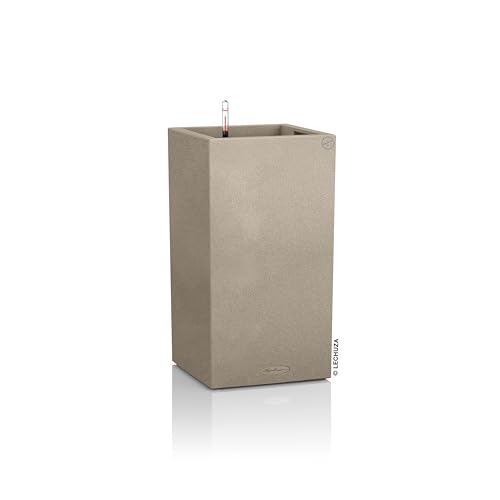
#3. Lechuza Canto Stone High Planter 40"

Specifications
| Brand | Lechuza |
|---|---|
| Planter Type | Floor Planter |
| Material | Resin |
| Shape | Square |
| Use | Indoor/Outdoor |
| Dimensions | 15.7 x 15.7 x 29.8 in |
| Drainage Holes | Yes |
| Self Watering | Yes |
Pros
- Sturdy, clean construction
- Stable and easy to use
- Auto-watering reservoir
Cons
- Capacity unspecified
- Version selection confusion
The Lechuza Canto Stone High Planter 40 stands out in the self-watering planter space because it combines a built-in reservoir with a regular drainage setup. The result is steadier moisture for plants between check-ins, without turning the pot into a soggy container. It also feels solid and stable in use, which matters when the watering system is doing its job and you are not constantly moving soil around. At 15.7 x 15.7 x 29.8 in, it is tall enough for many indoor and outdoor arrangements that need more vertical room while still keeping the self-watering workflow straightforward.
The main trade-off is that key details are not always clear at purchase, including the exact reservoir or plant capacity. Also, some listings make it easy to get confused about which version you are selecting. This planter is best for people who want less frequent watering and cleaner maintenance, and who are comfortable taking a quick minute to confirm the exact model details before ordering.
#4. Lechuza Mini-Deltini Planter 5.1"

Specifications
| Brand | Lechuza |
|---|---|
| Planter Type | Floor Planter |
| Material | Resin |
| Shape | Round |
| Use | Indoor |
| Dimensions | 5.1 x 4 x 4 in |
| Capacity | 1 gal |
| Drainage Holes | Yes |
| Self Watering | Yes |
Pros
- Sturdy, clean construction
- Stable and easy to use
- Strong value for quality
Cons
- Indoor-only limitation
- Limited root space
- Less durable material
This Lechuza Mini-Deltini stands out in self-watering planters because it combines a true reservoir setup with a small indoor footprint. With its 1 gal capacity and built-in drainage holes, it helps keep moisture steady for day-to-day plant care without constant checking. The rounded resin body also feels solid in use, so it is easier to move and adjust once it is planted.
The main trade-off is root space. At just 5.1 x 4 x 4 in, it fits smaller plants better than fast-growing ones. It is also listed for indoor use, and the resin material is less ideal for harsh outdoor conditions where it can wear faster. If you want a tidy, dependable self-watering planter for a compact indoor setup, this one fits well.
#5. Bloem Modica Planter

Specifications
| Brand | Bloem |
|---|---|
| Planter Type | Window Box |
| Material | Resin |
| Shape | Round |
| Use | Indoor/Outdoor |
| Dimensions | 8.8 x 26 x 14 in |
| Capacity | 4 gal |
| Self Watering | Yes |
Pros
- Sturdy, clean construction
- Auto-watering reservoir
- Strong value for quality
Cons
- Limited root space
- Extra tie-downs needed
The Bloem Modica Planter stands out because it pairs a self-watering reservoir with a practical window box style. That built-in water system helps keep moisture steady for plants in warm indoor or outdoor spots, reducing how often you need to check the soil. The planter itself feels solid and has a clean, sturdy build for a resin container, so it is easier to handle during planting and seasonal moves.
The main trade-off is root space. With a 4 gal capacity in an 8.8 x 26 x 14 in box, it works best for smaller plants or tighter arrangements rather than deep-rooting varieties. It also needs extra tie-downs to stay secure, so plan on anchoring it if you are placing it where it can get bumped by wind or foot traffic.
#6. VIVOSUN 5 Gallon Fabric Grow Bag Planter

Specifications
| Brand | VIVOSUN |
|---|---|
| Planter Type | Floor Planter |
| Material | Plastic |
| Use | Indoor/Outdoor |
| Dimensions | 12.5 x 12.5 x 9.9 in |
| Capacity | 5 gal |
| Drainage Holes | Yes |
| Self Watering | Yes |
Pros
- Sturdy, clean construction
- Auto-watering reservoir
- Strong value for quality
Cons
- Shape retention issues
This 5 gallon VIVOSUN fabric grow bag planter stands out for self-watering ease. The built-in reservoir helps keep moisture steady between waterings, which is useful when you are growing outdoors or you simply miss a day. Drainage holes are included, so excess water can move out rather than pooling at the roots.
The main trade-off is shape retention. Over time, the fabric bag may not hold its form as crisply as some rigid containers. If you want a planter that stays perfectly shaped, this may feel less consistent. If you mainly care about reliable moisture control and healthier cycles for plants, it is a practical pick.
What to Look For
Reservoir size and coverage: Check the planter’s capacity and whether the built-in reservoir has enough volume for your typical outdoor or indoor conditions. A small reservoir may need frequent refills in hot weather.
Self-watering reliability: Look for clear details on how water moves to the soil, like wicks or a built-in reservoir tube. If the design is vague, assume you will need more monitoring at first to confirm steady moisture.
Drainage holes and overflow control: Even self-watering planters need drainage or overflow pathways. Verify drainage holes exist, and ensure the setup still lets excess water escape so roots do not sit in standing water.
Build quality where leaks happen: Inspect the joints and inserts that connect the reservoir to the planter shell. Self-watering systems fail most often at seals or fit points, so sturdier construction usually means fewer leaks over time.
Material fit for your environment: Choose based on where you will place it. For outdoor use, favor materials that resist UV fading, cracking, and moisture damage. For indoor use, look for finishes that wipe clean without staining.
How We Picked
Products were identified through broad research across review sites and buyer forums, then filtered to only those that qualify as Self-Watering Planters.
Scoring used the same objective pillar framework as the main Planters post, allowing direct comparison of products within this sub-category.
Frequently Asked Questions
How do self-watering planters keep plants from getting too much water?
They use a water reservoir at the bottom plus a wick or built-in wicking insert. The plant only takes up water as the soil dries. This reduces guessing compared with daily hand watering. Still, you should check levels and adjust for heat and sunlight.
Do self-watering planters need drainage holes?
Many self-watering planters include drainage holes or openings, which help prevent salt buildup and stale water. Some designs use a reservoir system that still manages excess water. If your planter has no drainage, you need extra care with soil mix and watering level. Always confirm the product details before planting.
How often do I refill the water reservoir?
Refill frequency depends on plant size, weather, and how sunny the spot is. In hot or windy areas, you may refill more often. In cooler indoor conditions, it can last longer. A quick check of the reservoir level every few days at first helps you learn your pace.
What is the biggest difference between a window box and a floor self-watering planter?
A window box self-watering planter focuses on long, narrow growing space. It works well for herbs and flowers near windows and railings. A floor self-watering planter usually has more depth and holds more water. That makes it easier for larger plants and longer gaps between refills.
Should I choose a self-watering planter or a standard planter instead?
Choose self-watering if you want steadier moisture and less daily work. It helps when you travel, forget watering, or live in hot climates. Choose a standard planter if you prefer full control and quick draining for moisture-sensitive plants. You can also switch to self-watering later if you want more convenience.
How do self-watering planters compare to standard planters for watering frequency and effort?
Self-watering planters usually reduce how often you water the soil. You mostly refill the reservoir and check water level. Standard planters often require more frequent watering because the soil dries faster. Both can work well, but self-watering wins for busy schedules and consistent moisture.


