




The 3 Best Freestanding Camping Tents in 2026

Transparency Note: This post contains affiliate links. As an Amazon Associate, we earn from qualifying purchases at no extra cost to you.

Freestanding camping tents stand on their own without needing extra poles. For this sub-category, buyers care about how the tent behaves when the stakes are not doing all the work. That means stable poles, a rainfly that covers key spots, and a floor that holds up on real ground.

Picking the right freestanding tent gets tricky because trade-offs show up fast. More space often means a bulkier pack and slower setup. Better weather resistance can cost more. And a tent can pitch easily but still underperform in wind or leak at seams and zipper areas.

We focused this guide on freestanding models buyers actually use for car camping and base camps, then matched the picks to the setup, comfort, weather protection, build quality, and value that matter most in the field. Looking for all types? See our Best Camping Tents.

Quick Overview

Kelty Rumpus 6 Tent
#1 Kelty Rumpus 6 Tent
Kelty Wireless 6 Tent
#2 Kelty Wireless 6 Tent
Mountainsmith Conifer 5+ Tent
#3 Mountainsmith Conifer 5+ Tent

Our Top Picks

#1. Kelty Rumpus 6 Tent
Kelty Rumpus 6 Tent
Our Score
8.0 / 10
hover for details
Weather Protection
7.9
Comfort
8
Setup
8.1
Build Quality
7.9
Value
8
BrandKelty
Capacity Persons6
Season Rating3-Season
Tent TypeCabin
Floor Dimensions117 x 101 in
Peak Height75 in
Door Count2
Packed Weight18 lb
Packed Size26.5 x 9.5 x 8.5 in
  • Cozy headroom, easy access
  • Intuitive and quick
  • Fair value, strong build
  • Footprint dependency
  • Door adjustment required

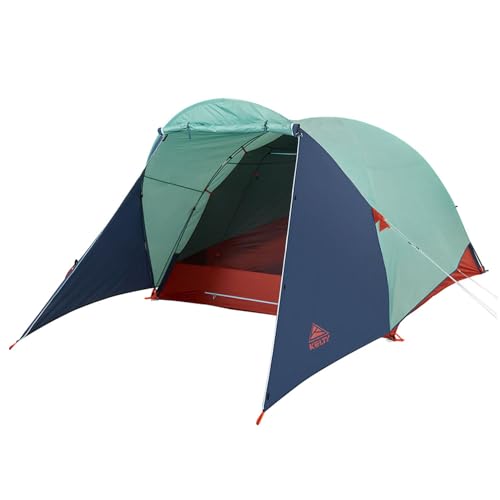
The Kelty Rumpus 6 is a standout freestanding cabin tent because it stays livable in real use. With 2 doors and a peak height of 75.0 in, getting in and out feels much easier than many 6-person tents that rely on one tight entry. It also pitches in an intuitive way, so setup feels fast and repeatable. Inside the 117 x 101 in floor, the headroom and roomy access make it feel less cramped when multiple people and gear share the space.

The main trade-off is how much it depends on a footprint for the floor to stay protected. It can also take a bit of door tweaking to get the best fit, which matters if you are trying to minimize drafts or rain splash. If you want a freestanding family-style tent that is quick to pitch and comfortable for longer stays, this one makes a strong case.

→ Read full review

#2. Kelty Wireless 6 Tent

Kelty Wireless 6 Tent
Our Score
7.7 / 10
hover for details
Weather Protection
7.6
Comfort
7.8
Setup
8.1
Build Quality
7.3
Value
8
BrandKelty
Season Rating3-Season
Tent TypeDome
Peak Height76 in
Door Count2
Packed Weight18.6 lb
Packed Size25.5 x 11 x 9 in
  • Fair value, strong build
  • Better headroom
  • More convenient access
  • Limited season coverage
  • Heavy packed weight
  • Bulky packed dimensions

The Kelty Wireless 6 stands out in freestanding camping tents because it combines dome-style pitching with noticeably better headroom. At 76 in peak height, the interior feels easier to move around in than many tents in its class. Access is also more convenient, thanks to 2 doors, which helps when you want quick entry without climbing over other campers. Setup is straightforward for a 6-person freestanding tent, and it feels manageable even when conditions are not perfect.

The main trade-off is weather and travel practicality. With a 3-Season rating, it is not the best pick for extended cold-weather or harsh storm duty. It is also heavy at 18.6 lb and packs down to a bulky size of 25.5 x 11 x 9 in, so it is better suited to car camping than frequent long carries.

#3. Mountainsmith Conifer 5+ Tent

Mountainsmith Conifer 5+ Tent
Our Score
7.6 / 10
hover for details
Weather Protection
7.4
Comfort
8.2
Setup
7.1
Build Quality
7.6
Value
8
BrandMountainsmith
Capacity Persons5
Season Rating3-Season
Tent TypeDome
Peak Height74 in
Door Count2
Packed Weight6 lb
  • Cozy headroom, easy access
  • More sleeping space
  • Fair value, strong build
  • Limited season coverage
  • Setup ambiguity
  • Wind sail effect

This 5-person, dome-style tent stands out in the freestanding camping category for how livable it feels for its size. At 74 in peak height, it gives more headroom than many roomy-looking models, and the two-door layout makes it easier to get in and out without climbing over sleeping bags. Inside, the space feels cozy rather than cramped, so it works well when you are hanging out at camp, not just sleeping.

The trade-off is weather and wind behavior. It is rated for 3-season use, but it can struggle when conditions get rough, including a noticeable wind sail effect. Setup also takes a little figuring out, so this is a better fit for campers who are okay spending a few extra minutes the first couple times rather than expecting instant, repeatable pitches.

What to Look For

Stable Weather Protection: Check whether the rainfly and floor coverage protect the tent in steady rain. Look for seam and zipper leak risk, and make sure the tent stays taught in wind. Ventilation matters too, since condensation can feel like dampness from the inside.

Usable Interior Comfort: Use the listed floor dimensions to judge real space, not just the stated capacity. Pay attention to headroom near sleeping areas and whether doors make it easy to enter without crawling over gear. If two doors exist, note how they split access and airflow.

Pitch and Pack Simplicity: Freestanding tents still vary widely in setup time. Favor designs with intuitive pole color cues and fewer parts. If you plan to move camps often, prioritize tents that fold down cleanly and pack into a manageable carry size.

Durable Build Quality: Look at pole strength and zipper reliability, since these fail points show up over repeated weekends. A tough floor helps with abrasion, especially on gravel or packed dirt. Strong stitching and finished seams reduce early leaks.

Value for the Space and Materials: Compare price against the tent type, capacity, and listed dimensions. A freestanding tent is not worth the cost if it compromises weather protection, feels cramped for its capacity, or requires frequent fixes to stay stable.

How We Picked

Products were identified through broad research across review sites and buyer forums, then filtered to only those that qualify as Freestanding Camping Tents.

Scoring used the same objective pillar framework as the main Camping Tents post, allowing direct comparison of products within this sub-category.

Frequently Asked Questions

Do freestanding camping tents need to be staked down to work well?

You should still stake down a freestanding tent. Staking helps the floor stay flat and improves wind stability. Use all stake points and guy lines if your model includes them. This also helps reduce flapping in gusts.

How do I choose the right capacity for a freestanding tent?

Use the listed sleeper count as a starting point. Check the number of doors and your preferred gear storage style. If you keep packs inside, you may want one extra space compared to your group size. For comfort, people often prefer filling the tent less than the max capacity.

What should I look for to stay dry in rain with a freestanding tent?

Focus on rainfly coverage and good seam and zipper protection. Look for a tent with a full rainfly and a tub-style floor that lifts water away from the opening. Good ventilation helps reduce condensation on the inside walls. Always fully close the fly before heavy rain.

Are freestanding tents easier to set up than non-freestanding styles?

Often, yes. Freestanding tents usually pitch using poles and can stand without first finding perfect tie points. That makes them easier for quick trips and windy campsites. Non-freestanding types may work better in very specific conditions, but they typically take more careful setup.

When would I pick a different Camping Tents type instead of a freestanding tent?

Choose a different type if you need the best packability or the lowest weight. Freestanding tents tend to be bulkier because they rely on multiple poles. Pick a lighter shelter if you hike long distances. Pick a freestanding tent if you value fast setup and easy access at camp.

How do freestanding camping tents compare in packed size and weight to other tent types?

Freestanding tents are usually heavier and larger when packed. Other styles can pack smaller because they use fewer poles or different support methods. If you drive to camp, the extra size often matters less. If you carry your tent far, you may want a lighter backpacking style instead.

See Also

Share:
On Key
You Might Also Like