




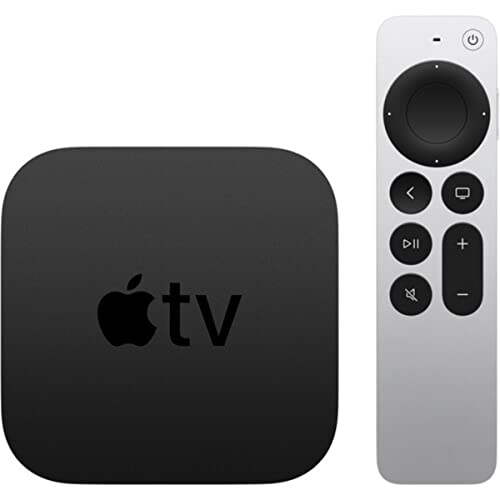
Streaming devices turn your TV into a video and music hub. They sit behind the TV and connect to your home network. Most people use them for movies, shows, sports, and music apps.
Picking the right one is harder than it looks. Some specs look impressive but do little for daily use, like extra processing or vague HDR claims. Other choices matter a lot, like how the box handles Wi-Fi, how fast it opens apps, and which audio formats it can pass through to your sound system.
This buying guide helps you sort through those trade-offs. You will get clear criteria for performance, app and format compatibility, connectivity options, and practical design. You will also see how each model fits distinct home setups.
Quick Overview
Top Picks
Best Overall

Specifications
| Brand | Apple |
|---|---|
| Operating System | tvOS |
| Max Video Resolution | 4K |
| Hdr Formats | Dolby Vision |
| Audio Formats | Dolby Atmos |
| Internal Storage | 64 GB |
| Ports | HDMI, Ethernet |
| Dimensions | 2.7 x 6 x 5.8 in |
Pros
- Smooth, lag-free playback
- Always-current software support
- Dolby Vision/HDR10+ support
Cons
- AirPlay interoperability issues
- Setup network sensitivity
This is a strong fit for the Best Overall role because it pairs fast, smooth streaming with Apple’s dependable tvOS experience. Navigation feels responsive, and playback stays steady when you jump between apps and titles. If you want a simple box that just works, it is an easy match.
Support for Dolby Vision and HDR10+ makes it a solid choice for modern 4K TVs, and Dolby Atmos covers immersive audio. Performance scores reflect how little lag you see during browsing and app launch. It also stays consistently current with always-current software support, which helps major services keep working well over time.
The main trade-off is AirPlay interoperability issues, so screen casting may be less reliable than you expect. Setup can also be a little sensitive to your home network, so weak Wi-Fi can show up fast. If you want smooth 4K with Dolby Vision and an Apple-first interface, this is the one to get. If you rely heavily on AirPlay, you may want to test casting before you commit.
Best Alexa Voice Search

Specifications
| Brand | Amazon |
|---|---|
| Operating System | Fire TV |
| Max Video Resolution | 4K |
| Hdr Formats | Dolby Vision |
| Audio Formats | Dolby Atmos |
| Wi Fi Standard | Wi-Fi 6E |
| Internal Storage | 16 GB |
| Ports | HDMI |
| Dimensions | 3 x 3.4 x 3.4 in |
Pros
- Smooth, lag-free playback
- Always-current software support
- Quick reconnect, steady 4K
Cons
- Fewer useful ports
- Setup connectivity friction
- Audio handshaking quirks
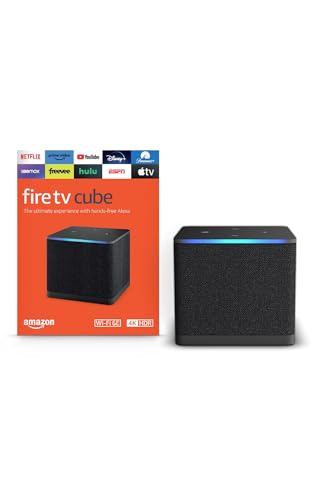
This Fire TV Cube is the best fit for Best Alexa Voice Search because it leans heavily into hands-free control. Say what you want to watch, and it keeps the search and playback flow quick. It is designed to feel like voice comes first, not as an afterthought.
Navigation stays smooth, and playback is steady without the kind of lag that ruins a queue. You also get always-current software support, which helps keep apps working as they change. On top of that, 4K streaming is reliable, with Dolby Vision video and Dolby Atmos audio support, plus Wi-Fi 6E for a strong wireless link.
The main drawback is connectivity setup friction, and there are fewer useful ports to fall back on. Audio handshaking can also be a little quirky when syncing with some sound systems. If you want fast Alexa-driven searches and consistent 4K streaming, this is the one to get, especially if you rely on the cloud and do not need many extra physical connections.
Best Stick

Specifications
| Brand | Amazon |
|---|---|
| Operating System | Fire TV |
| Max Video Resolution | 4K |
| Hdr Formats | Dolby Vision, HDR10+ |
| Audio Formats | Dolby Atmos |
| Wi Fi Standard | Wi-Fi 6E |
| Internal Storage | 16 GB |
| Dimensions | 0.6 x 4.3 x 1.2 in |
Pros
- Smooth, lag-free playback
- Always-current software support
- Quick reconnect, steady 4K
Cons
- Micro-USB inconvenience
This Fire TV Stick 4K Max fits the Best Stick role because it is built for fast, simple living-room streaming, and it keeps playback steady when you just want to watch. The standout trait is smooth operation, so navigation and app launches feel quick.
Performance is a strong point. It delivers smooth, lag-free playback and quick reconnects for 4K shows. Compatibility is also solid, with support for Dolby Vision and HDR10+ video, plus Dolby Atmos audio. On top of that, Wi-Fi 6E helps it stay reliable in busier home networks.
The main drawback is the Micro-USB connection, which is less convenient than newer power ports. If you want a top-tier 4K stick with strong HDR and Atmos support and you do not mind Micro-USB power, this is the one to get.
Best Android TV

Specifications
| Brand | NVIDIA |
|---|---|
| Operating System | Android TV |
| Max Video Resolution | 4K |
| Hdr Formats | Dolby Vision |
| Audio Formats | Dolby Atmos, Dolby Digital Plus |
| Internal Storage | 16 GB |
| Ports | USB-A, Ethernet |
| Dimensions | 3.9 x 1 x 6.3 in |
Pros
- Smooth, lag-free playback
- Quick reconnect, steady 4K
- Dolby Vision/HDR10+ support
Cons
- Inconsistent CEC control
For a Best Android TV pick, the NVIDIA Shield TV stands out with its smooth, Android TV experience and strong media playback. It feels responsive in everyday use, and the box has a track record of steady streaming performance.
In day to day navigation, it delivers quick app launches and lag-free playback. It also holds up well for 4K viewing, with Dolby Vision and HDR10+ support, plus Dolby Atmos and Dolby Digital Plus for compatible audio setups. Connectivity is another strong point, since it stays stable for 4K streams and can use Ethernet via its wired port when you want the most reliable signal.
The one downside worth noting is inconsistent CEC control, so TV power and input switching may not always behave as expected. If you want a fast Android TV streamer built for reliable 4K video and modern HDR and Dolby audio, this is the one to get.
Best 32GB Storage

Specifications
| Brand | |
|---|---|
| Operating System | Google TV |
| Max Video Resolution | 4K |
| Hdr Formats | Dolby Vision |
| Audio Formats | Dolby Atmos |
| Wi Fi Standard | Wi-Fi 5 |
| Internal Storage | 32 GB |
| Dimensions | 1 x 6.4 x 3 in |
Pros
- Smooth, lag-free playback
- Always-current software support
- Quick reconnect, steady 4K
Cons
- Side-loading uncertainty
- Port details unclear
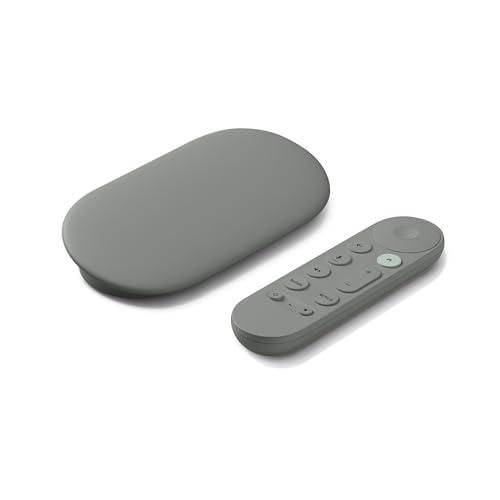
This Google TV Streamer fits the Best 32GB Storage role because it couples solid internal storage capacity with a smooth, always-current experience. For most viewers, that means enough space for apps and updates without feeling like you are constantly managing storage.
In daily use, it stays responsive. Menus move without lag, and app launches feel quick. Playback is also dependable for 4K viewing, with steady performance when you start and switch between services. On the software side, it runs Google TV and stays up to date, which helps keep compatibility with major streaming apps. It also supports Dolby Vision and Dolby Atmos, and it uses Wi-Fi 5 for reliable streaming in typical home setups.
The main drawback is side-loading uncertainty, so power users who rely on unofficial app installs may need to confirm it first. Port details are also unclear, which can make planning hookups a guessing game. If you want a 4K Google TV streamer with a dependable interface and enough internal space for everyday apps, this is the one to get.
Best Wi-Fi 6

Specifications
| Brand | Amazon |
|---|---|
| Operating System | Fire TV |
| Max Video Resolution | 4K |
| Hdr Formats | Dolby Vision, HDR10+ |
| Audio Formats | Dolby Atmos |
| Wi Fi Standard | Wi-Fi 6 |
| Dimensions | 0.7 x 5.6 x 1.5 in |
Pros
- Smooth, lag-free playback
- Always-current software support
- Quick reconnect, steady 4K
Cons
- HDCP handshake failures
- Cheap-feeling remote
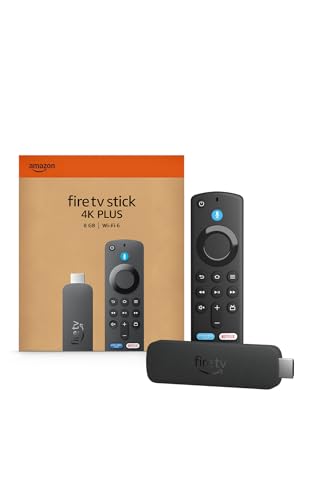
If you want a streaming device for a Wi-Fi 6 home, this Fire TV Stick 4K Plus is a strong fit. It targets modern wireless networks, helping keep 4K playback smooth when your connection gets busy. Setup is straightforward, and it is easy to place behind a TV.
Day-to-day performance feels fast. Menus respond quickly, and app launches stay snappy. Playback is also steady, with quick reconnects after pauses and a reliable stream once you start watching. Compatibility is solid too, with support for popular streaming apps plus modern HDR and surround formats like Dolby Vision, HDR10+, and Dolby Atmos.
The main downside is occasional HDCP handshake failures, which can interrupt playback on some setups. The remote also feels a bit cheap compared to the rest of the experience. If you want smooth 4K streaming on a Wi-Fi 6 network and frequent software updates without fuss, this is the one to get.
Best with Ethernet

Specifications
| Brand | Roku |
|---|---|
| Operating System | Roku OS |
| Max Video Resolution | 4K |
| Hdr Formats | HDR10+, Dolby Vision |
| Audio Formats | Dolby Atmos |
| Wi Fi Standard | Wi-Fi 6 |
| Ports | Ethernet |
| Dimensions | 1 x 5 x 4.9 in |
Pros
- Smooth, lag-free playback
- Quick reconnect, steady 4K
- Dolby Vision/HDR10+ support
Cons
- Promo-heavy UI
If you want a streaming box that works better on a wired network, the Roku Ultra fits the Best with Ethernet role. It includes Ethernet for more stable playback, especially when Wi-Fi signals are weak or crowded.
In day-to-day use, it feels fast and steady. Navigation stays smooth, app launches are quick, and 4K streaming holds up reliably. The support for Dolby Vision and HDR10+ helps make newer HDR shows look right, and Dolby Atmos audio support rounds out the home theater experience.
The main downside is the promo-heavy Roku UI, which can add clutter when you are just trying to get to a specific app or show. If you prefer wired reliability and clean playback over a minimal on-screen interface, this is a strong pick.
Best with DTS Audio

Specifications
| Brand | Roku |
|---|---|
| Operating System | Roku OS |
| Max Video Resolution | 4K |
| Hdr Formats | Dolby Vision, HDR10+ |
| Audio Formats | Dolby Atmos, DTS |
| Wi Fi Standard | Wi-Fi 6 |
| Ports | HDMI, Ethernet, Power |
| Dimensions | 2 x 6 x 2 in |
Pros
- Smooth, lag-free playback
- Always-current software support
- Quick reconnect, steady 4K
Cons
- Remote audio usability issue
- Limited peripheral control
If you care about DTS audio, the Roku Ultra LT fits the “Best with DTS Audio” role thanks to its support for DTS alongside Dolby Atmos. That matters if your TV or receiver can pass through surround sound formats you already use.
It also keeps playback smooth. Menus feel responsive, and 4K streaming runs steadily once connected. Roku OS stays up to date, and reconnecting after a network change is quick, which helps with day to day reliability. For a wired option, it includes Ethernet along with HDMI.
The main drawback is remote audio usability, which can make voice and sound-related controls less convenient. If you want a dependable streaming box with DTS surround support and stable performance, this is a solid pick for living rooms with a receiver or home theater setup.
Best Value

Specifications
| Brand | Amazon |
|---|---|
| Operating System | Fire TV |
| Max Video Resolution | 1080p |
| Hdr Formats | HDR10, HDR10+, HLG |
| Wi Fi Standard | Wi-Fi 6 |
| Internal Storage | 8 GB |
| Ports | Power, HDMI |
| Dimensions | 0.7 x 5.6 x 1.5 in |
Pros
- Dolby Vision/HDR10+ support
- Newer Wi-Fi for stability
- Strong features, fair cost
Cons
- Limited 1080p or below
- Limited onboard storage
- Fewer useful ports
This Amazon Fire TV Stick HD is a strong fit for the Best Value slot because it keeps the experience simple while supporting modern video picture modes like Dolby Vision and HDR10+. The result is a streaming stick that feels easy to live with, without needing a bigger media box.
Day to day, it scores well for smooth, reliable use, with a fast and responsive Fire TV interface. Connectivity is another highlight, thanks to Wi-Fi 6 for steadier playback when your network is busy. Compatibility is also solid for common streaming apps on Fire TV, and the HDR lineup includes HDR10, HDR10+, Dolby Vision, and HLG.
The main trade-off is that it tops out at 1080p. If you want reliable HD streaming and Dolby Vision support, this is the one to get. If you need 4K output or more storage and ports, look elsewhere.
What to Look For
Operating System: Look for a platform with frequent updates and a stable app store. A well supported OS makes app launches faster and reduces random bugs that interrupt playback.
Max Video Resolution: Match the device to your TV. If you have a 4K TV, prioritize 4K streaming support to keep picture quality consistent across modern services.
HDR Formats: Check for the HDR types your TV can use. Common choices include HDR10, HDR10+, Dolby Vision, and HLG. If you buy without this, you may lose contrast and color in certain shows.
Audio Formats: Confirm support for the audio your setup needs. If you use a soundbar or receiver, look for Dolby Digital Plus and Dolby Atmos support, plus formats your system can decode or pass through.
Wi-Fi Standard: Use the Wi-Fi generation to estimate real world reliability. If your router is farther away or crowded with networks, Wi-Fi 6 or Wi-Fi 6E options usually help with fewer dropouts.
Internal Storage: Favor more built in storage for smoother navigation and app installs. Extra space often reduces app reloading and keeps the home screen feeling responsive.
Ports and Dimensions: Choose ports that fit your setup, especially HDMI and whether you need Ethernet or USB. Then check size so the device does not block other cables behind the TV or stick out too far.
How We Selected These Products
We found candidates through broad web searches across review sites, buyer forums, and best-of lists, not a single publication. We used that mix to catch repeated complaints and common wins that show up across many households.
Next, we read a large volume of real customer reviews to understand what problems buyers actually faced. We paid close attention to buffering complaints, freezing or crashes, remote and interface speed, and whether Wi-Fi performance held up in everyday rooms.
Finally, we verified key specs and availability directly against Amazon listings. Each device was scored against the pillar names in this guide, then we curated the final picks to cover distinct roles, such as Ethernet focused models, stronger audio options, and better value stick devices.
Frequently Asked Questions
Which streaming device is best for the smoothest overall experience?
Choose a device with strong performance and stable playback. In this lineup, Apple TV 4K Streaming Device leads for overall smoothness and reliability. Users report fast navigation and fewer playback hiccups. It also helps when you have compatible HDMI and a solid wired option.
What is the real difference between a streaming stick and a streaming box?
A stick is smaller and easier to hide, but it often depends on Wi-Fi. A box is bigger, and many models include more stable options like Ethernet. The Fire TV Cube and NVIDIA Shield TV Streaming Device are box-style picks aimed at smoother daily control and reliability. If you want the least lag and the most setup flexibility, a box usually wins.
Why do some streaming devices struggle with audio or video after setup?
Many issues come from HDMI handshake and audio settings. Some models need you to set passthrough, PCM, or the right surround mode. Others can show HDCP messages on certain TVs. If audio changes or playback feels off, start by checking those HDMI and sound settings.
Is a higher price always better for streaming devices?
Not always. In this set, value scores vary a lot, and the best overall pick is not the best value pick. Amazon Fire TV Stick HD Streaming Device has the top value pillar score but fewer premium features. Higher price often brings faster interfaces, better HDR support, or more reliable networking options.
Why do some devices score lower on compatibility even when they support 4K?
Compatibility is not only about resolution. It also depends on HDR formats, audio formats, and how well apps work together on your setup. NVIDIA Shield TV Streaming Device can miss some modern codec or HDR needs and has reports of stutter in certain apps. So you can get 4K output but still see issues with specific content types.
How much does Ethernet matter versus Wi-Fi for reliable streaming?
Ethernet usually helps with stability, especially in busy homes. Devices with Ethernet score well for fewer buffering issues during normal use. Roku Ultra Streaming Device and Roku Ultra LT Streaming Device both benefit from wired options. If you cannot run Ethernet, Wi-Fi 6 or Wi-Fi 6E can still improve reliability.


