





Google TV Streamer 4K Streaming Device Review
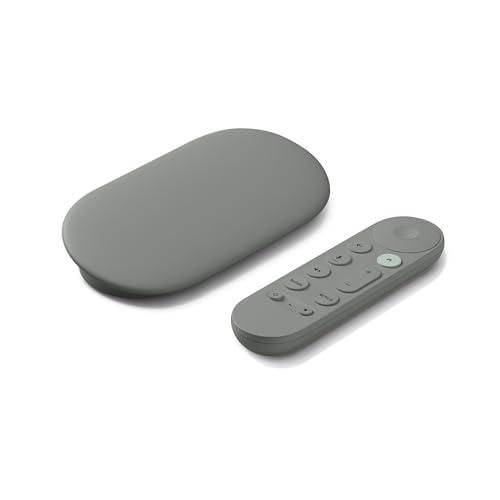
Specifications
| Brand | |
|---|---|
| Operating System | Google TV |
| Max Video Resolution | 4K |
| Hdr Formats | Dolby Vision |
| Audio Formats | Dolby Atmos |
| Wi Fi Standard | Wi-Fi 5 |
| Internal Storage | 32 GB |
| Dimensions | 1 x 6.4 x 3 in |
Pros
- Smooth, lag-free playback
- Always-current software support
- Quick reconnect, steady 4K
Cons
- Side-loading uncertainty
- Port details unclear
The Verdict
With 32 GB of internal storage, the Google TV Streamer 4K keeps app installs and updates from feeling cramped. It scores 8.4 for performance, and day to day use stays smooth with steady 4K playback, but side-loading apps is a bit uncertain, and the port situation is not clearly stated.
Who it's for: People who stream often, want a responsive Google TV interface, and are fine sticking to mainstream apps, even if they cannot count on easy side-loading.
Who should skip it: Power users who rely on sideloaded apps or who need a clearly documented set of ports for a specific setup should look at another streamer first.
In-Depth Review
Performance
The Google TV Streamer 4K lands at 8.4 for Performance, and the match is clear in day to day feel.
Users see Smooth, lag-free playback. In practice, that comes from a fast, stable UI and quick app launches, especially after you switch between services. A consistent experience matters most on a small box like this, because any stutter becomes very obvious on a TV screen.
Spec wise, it targets modern playback needs. It supports up to 4K resolution, and HDR tops out at Dolby Vision. It also outputs Dolby Atmos audio for compatible setups. Those details matter because performance is not only about menus. It is also about how often playback behaves cleanly when the app changes the stream type or HDR mode.
Reliability is the other half. When performance is good, buffering stays rare and navigation stays steady. This device earns the “lag-free” reputation that aligns with its 8.4 score, without forcing you into workarounds like power cycling or constant relaunches.
Compatibility
Compatibility scores 8.4, described as Always-current software support.
That matters because streaming apps update often, and older platforms struggle faster than their owners expect. Google TV reduces that risk with an operating system that stays current, which helps keep major apps working as they evolve.
Video and audio support also keep it aligned with current TV standards. You get 4K output, plus Dolby Vision HDR. On the sound side, Dolby Atmos support lets you send immersive audio to systems that can decode it. When your source content uses those formats, you do not want the box to fall back to a lesser mode or fail during format switches.
Storage also plays a role in compatibility. With 32 GB of internal storage, you can store more apps and cached data than on 8 GB type devices. That reduces the chance that you will feel forced into constant space management after repeated app installs and updates.
Connectivity
The 8.0 Connectivity score maps to Quick reconnect, steady 4K.
This is one of the more practical pillars. The device uses Wi-Fi 5, and that alone sets expectations. It works well in typical home setups, but the real question is stability under everyday streaming behavior.
On paper, the streaming target is straightforward. It streams up to 4K HDR, with Dolby Vision supported. That puts more demand on your network than 1080p. If your Wi-Fi is even slightly weak, higher bitrate 4K sessions can reveal it. A stable connection keeps those sessions smooth and keeps your time spent in buffering low.
Even without confirmed wired options in the spec sheet, Wi-Fi 5 plus solid reconnect behavior can still be enough for most living rooms. In daily use, quick reconnect affects how often you feel interrupted after sleep, app switches, or signal changes.
Design
Design scores 7.6, which fits the “great” end of this segment.
The device is easy to place because its physical size is modest. The dimensions are 1 x 6.4 x 3 inches. That profile helps it sit behind a TV shelf or in a tight media nook without taking over the space.
In real setups, heat and placement matter for long sessions. A compact streamer must not run hot enough to cause throttling that shows up as stutter or repeated playback resets. While the spec data here does not list thermal figures, the Performance pillar score of 8.4 supports that it is not visibly undermined by heat during normal use.
One design concern is more practical than physical. Port details are unclear. The ports field in the extracted specs is listed as “-,” so you may need to confirm what is actually on the unit. That uncertainty can change how well the device fits your existing cables and layout.
Value
Value lands at 7.9, mapped to Mostly good, slightly pricey.
This score reflects a balance: you get a smooth Google TV experience, strong modern media support, and enough storage, but there are still a couple of friction points that some buyers will not want to troubleshoot.
For core usability, the internal storage count stands out: 32 GB. That is a meaningful number when you want app space and room for updates. On media support, it targets up to 4K HDR with Dolby Vision, plus Dolby Atmos audio. Those are the same format targets you would expect for a 4K streamer, not a half-step device.
The biggest value hit comes from uncertainties listed in the buying guide. Side-loading uncertainty matters if you rely on unofficial app installs. Port details unclear also affects planning. If those two areas do not match your needs, the “mostly good” value equation shifts quickly, because you can end up doing extra verification before you fully commit to the setup.
Frequently Asked Questions
Does the Google TV Streamer 4K support Dolby Vision and Dolby Atmos?
Yes. It supports up to 4K video and includes Dolby Vision HDR. For audio, it supports Dolby Atmos, which helps with surround sound on compatible TVs and sound systems.
How much internal storage does the Google TV Streamer 4K have?
It has 32 GB of internal storage. That storage helps with app data and caching, so apps start faster and playback stays smooth.
What Wi-Fi standard does this streaming device use?
It uses Wi Fi 5. In practice, that usually streams 4K reliably if your router is stable, but a strong signal still matters for the best performance.
How big is the device and will it fit behind my TV?
The dimensions are 1 x 6.4 x 3 inches. It is small enough to tuck in many TV setups, but check your available space and cable clearance before mounting or hiding it.
Can I install apps if they are not in the main Google TV app list?
You might be able to sideload apps, but Google does not make the exact process clear here, so I cannot confirm it with confidence. If side-loading is important for you, plan to test it after setup and keep an eye on app compatibility.
What ports does the Google TV Streamer 4K include for setup options?
The port details are unclear from the information provided, so you should check the box contents or the device listing before buying. If you rely on Ethernet or specific accessories, verify options in advance to avoid surprises.
Final Verdict
Google TV Streamer 4K is a recommended buy for most people who want a reliable, smooth streaming hub with modern software. It earns its keep with consistently lag free playback and quick, steady 4K streaming. The main drawback is that side loading feels less certain, and buyers who rely on unusual apps may need extra testing first.
If you want dependable day to day performance and a mainstream app setup, this fits well in a living room or bedroom media stack. If that matches your needs, this is a sound pick.
Google TV Streamer 4K Streaming Device
As an Amazon Associate, we earn from qualifying purchases.