Transparency Note: This post contains affiliate links. As an Amazon Associate, we earn from qualifying purchases at no extra cost to you.
Vestibule camping tents put a covered space at the tent door. That vestibule gives you a place for muddy boots, wet jackets, and day packs without dragging water and dirt onto the sleeping area. For this sub-category, buyers need doors that work well in real rain, plus a floor and rainfly setup that seals out storm water.
Picking one is harder than it looks. A big vestibule can reduce usable interior space. More open door options can improve access, but side panels and zippers can also become more leak points. The trade-off often comes down to wind stability and ventilation versus how roomy the tent feels.
If you want broader options beyond vestibule layouts, see our Best Camping Tents.
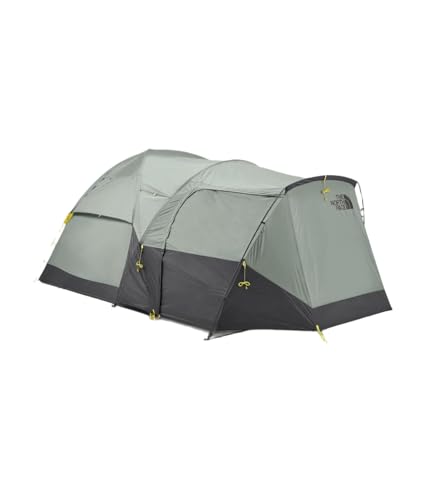
With vestibule camping tents, you want a dry entry zone and gear space you can actually use in bad weather. The North Face Wawona 6 Tent stands out here thanks to sealed seams and sealed zippers, plus reliable DAC poles for stability. In real camping conditions, that means fewer leaks around the entry and a tent body that holds its shape when the wind picks up. The interior also feels livable, with cozy headroom and easy access, so getting in and out without climbing over people is simple.
The main trade-off is setup. Solo pitching can be tricky, so it is better for groups or for campers who do not mind taking a few extra minutes the first time. You also trade a bit of ventilation for weather protection, so airflow may feel limited on calm, muggy nights. If you camp with multiple people and want a dependable vestibule zone that stays dry, this is a strong pick.
The North Face Wawona 4 stands out in vestibule camping setups thanks to strong barrier performance. Sealed seams and zippers help keep rain out when weather turns, and the tunnel style holds its shape better than many lighter tents. It also feels livable for a 4-person layout, with cozy headroom and easy entry through two doors. In short, it is a solid choice when you want a covered space to manage wet gear and still stay comfortable inside.
The trade-off is weight and how you handle the fly. At about 13 lb, it is not a carry-anywhere option if you are walking far from your car. Solo fly handling can be awkward, so plan on an extra set of hands when pitching in gusty or rainy conditions. It is best for car camping and base-camp use where you can pitch calmly and keep the vestibule area practical.
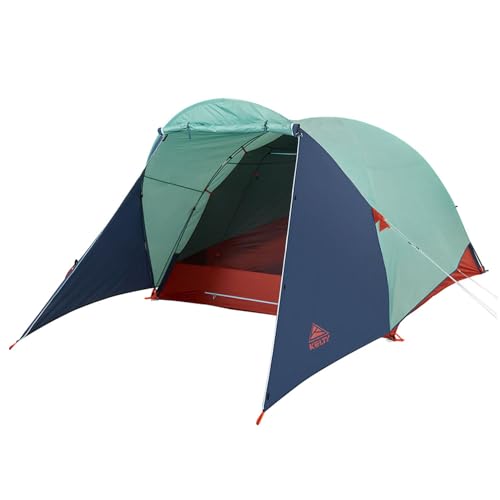
The Kelty Rumpus 6 stands out among vestibule camping tents thanks to its cozy cabin layout and easy door access for a group of 6. With 117 x 101 in of floor space and a 75 in peak height, it feels roomy enough to move around and stash gear near the entrances. Setup is also straightforward, thanks to an intuitive pole layout and quick pitching, which matters when you are trying to get everyone situated before weather rolls in.
The main trade-off is that it leans on having the right footprint for best results. There is also a bit of door tweaking needed to get the vestibule area to sit just right. This is a strong fit for car camping or family trips where you want a livable basecamp feel, not for people who want a totally hands-off pitch or a pack-and-go setup every day.
Built for camping groups, The North Face Wawona 8 stands out in vestibule-style tenting thanks to its roomy interior and practical access. With four doors and a peak height around 78 in, moving in and out with gear feels less like a puzzle. The layout also helps keep the sleeping area usable, even when people are constantly entering and leaving the main space.
The main trade-off is weight and weather resistance in tougher conditions. At about 20 lb, it is not the kind of tent you will want to haul often. More importantly for vestibule camping, storm coverage can feel weak, so you may want extra care with setup, guying, and rainfly tension when winds pick up.
Kelty Wireless 6 Tent stands out in vestibule camping because it mixes practical living space with easier entry. At 76 in peak height and with two doors, you can get in and out without climbing over sleepers or gear. Setup is also fairly straightforward, which matters when you want to move fast after rain or while managing wet boots in the vestibule area. The tent also feels stable enough for typical camp conditions, scoring solidly for weather protection.
The trade-off is that it is a 3-Season dome. That means it is not the best pick for long, harsh cold snaps or very windy conditions. It is also heavy at 18.6 lb and packs down to a bulky 25.5 x 11 x 9 in, so it fits car camping and campground use more than frequent carry-to-site trips.
The Mountainsmith Conifer 5+ Tent is a solid pick in the vestibule camping tent niche because it balances more usable sleep space with everyday livability. With cozy headroom and two doors for easier entry and exit, it feels less cramped than many large 3-season domes. At about 6 lb packed weight and a 74 in peak height, it is also practical for car camping setups where you still want a tent that goes up and down without drama.
Trade-offs show up if you plan on nasty weather or big wind. Its weather protection lands in the middle of the pack, and reviewers note a wind sail effect. Setup can also feel a bit ambiguous, so it is best for campers who are willing to take a moment to get the pitch right. If your goal is comfortable 3-season base camping with room to move around, this is an easy-going option. If you expect heavy storms or frequent gusty conditions, you may want a more wind-tested design.
This Coleman Skydome 4-Person Tent stands out in vestibule camping for one practical reason: it is easy to pitch and handle on short trips where you set up, cook, and move in and out often. The dome layout keeps the body stable, and the larger footprint gives you room to stage wet gear near the entrances. With a 13.7 lb packed weight and a 24.5 x 8.5 x 8.5 in pack size, it also fits the usual pattern for car camping vestibule use, where convenience matters as much as comfort.
The main trade-off is durability. Review feedback points to fabric wear sooner than expected, and zipper durability can be a weak spot. That means it is a solid match for casual, fair-weather weekends when you treat zippers gently and expect normal wear. For heavy repeated storms, or if you want long-term reliability from the entry hardware, you may want to look at sturdier alternatives.
What to Look For
Water-seal details at the entry: Focus on how the rainfly and vestibule cover the door area. Check for full coverage over the zipper line and a floor that blocks splash and puddling when you step in from wet ground.
Ventilation that prevents condensation: Vestibules trap moisture from wet gear. Look for smart airflow paths near the door so inside stays livable during damp mornings, not just dry on the floor.
Vestibule size that matches your gear: Make sure the vestibule floor is deep and wide enough for the items you carry most. If you need to store more than one wet bag, prioritize tents with larger vestibule space over smaller entries.
Easy access in wind and rain: Doors and vestibule openings should open and close smoothly without fighting flapping fabric. Strong tents hold their shape in gusts so the vestibule keeps its coverage over the entry.
Pitch speed and packability: Vestibule tents often use more poles and more fabric panels. Choose a layout that you can set up in one smooth run, then pack back down without struggling to fold and secure the extra sections.
How We Picked
Products were identified through broad research across review sites and buyer forums, then filtered to only those that qualify as Vestibule Camping Tents. We limited this list to tents with a covered entry vestibule that meaningfully protects gear at the door area, not just a small rain flap or minimal awning.
Scoring used the same objective pillar framework as the main Camping Tents post, allowing direct comparison of products within this sub-category. Weather Protection carried the most weight, followed by Comfort, Setup, Build Quality, and then Value for the price, so vestibule-focused buyers get the driest entry with usable space and dependable day-to-day setup.
Frequently Asked Questions
What should I look for in a vestibule area on a camping tent?
Check for a covered space that stays dry when it rains. Look for a front door layout that lets you keep shoes, packs, or wet gear inside the vestibule. Good vestibules also use vents or mesh panels to reduce musty smells. A wider vestibule gives you more room to organize gear without crowding sleepers.
How does a vestibule tent help with wet gear during rainy trips?
A vestibule acts like a dry buffer between the doorway and the main sleeping area. You can store damp jackets, muddy boots, or a soaked rain cover without tracking water inside. For best results, make sure the rainfly sits tight over the vestibule opening. Always keep zippers closed during rain to limit side spray and dripping.
Do vestibule tents usually set up faster than other tent styles?
Not always. Vestibules often add extra fabric panels and attachment points, which can add a few minutes. Look for color-coded poles and a simple rainfly that lines up without lots of fiddly straps. If you plan to move often, practice pitching at home once before your trip.
When should I choose a different camping tent type instead of a vestibule tent?
Choose a different type if you camp mostly in open, dry weather with no need for extra gear storage. If weight and packed size matter most, a lighter backpacking style may fit better than a vestibule setup. Choose a cabin or pop-up tent when you need easy standing room for long stays. If you expect heavy storms, prioritize stronger wind stability even if the vestibule takes some space.
How do vestibule camping tents compare with non-vestibule tents for storage and comfort?
Vestibule tents give you a dedicated zone for boots, packs, and wet items. This keeps the sleeping area cleaner and reduces condensation from gear. Many vestibule models also help with airflow by allowing doors to be partially open under the rainfly. Without a vestibule, you usually have to store gear inside, which can feel crowded.