




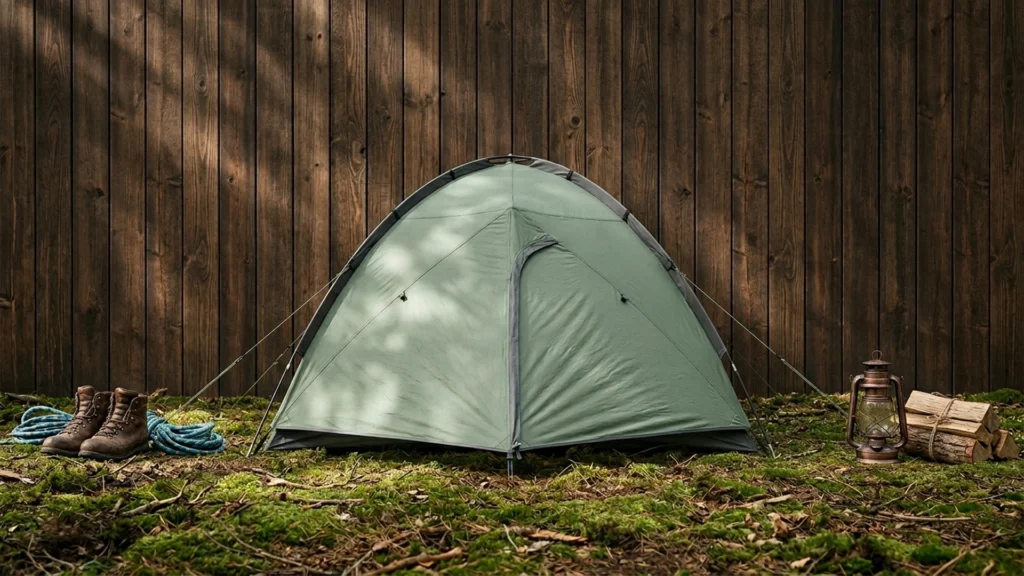
3-person camping tents fit three campers with gear, but the best ones feel like a usable 3-person setup. Buyers in this sub-category care about real rain protection, not just label space. They also want enough headroom and floor room to move inside without climbing over sleeping bags.
Choosing is hard because 3-person tents balance four things that do not always get along. More space often means more fabric and more seams to manage during storms. Lighter tents can trade durability for carry weight. Faster pitches can reduce interior options. Even the season rating matters, because a tent that handles weekend rain may still struggle in steady wind.
We ranked the best options from the top models in this size class, then tied each result to the practical issues buyers report in the field. Looking for all types? See our Best Camping Tents.
Quick Overview
Our Top Picks
#1. NEMO Dagger Osmo 3 Tent

Specifications
| Brand | Nemo |
|---|---|
| Capacity Persons | 3 |
| Tent Type | Backpacking |
| Door Count | 2 |
| Packed Weight | 3.5 lb |
| Packed Size | 19.5 x 6.5 x 3.5 in |
Pros
- Seams and zippers sealed
- Cozy headroom, easy access
- Light for transport
Cons
- Ultralight fragility
This tent stands out in the 3-person camping category because it keeps the vibe light and packable without giving up real livability. At just 3.5 lb, it is easier to move on trips than heavier 3-person options. Inside, the headroom feels cozy rather than cramped, with two doors for quick access from both sides. Sealed seams and closed-up zippers help the shelter stay tight when conditions turn, which matters when you are sharing space with two other campers.
The main trade-off is durability. This is an ultralight build, so it is better suited to careful handling and gentle site choice. If you pitch on rocky ground or toss it in a rough pack, expect more wear than with sturdier tents. It is a strong pick for weekend backpacking and car-to-trail trips where weight and comfort both matter for three people.
#2. The North Face Stormbreak 3 Tent

Specifications
| Brand | The North Face |
|---|---|
| Capacity Persons | 3 |
| Season Rating | 3-Season |
| Door Count | 2 |
| Packed Weight | 6.6 lb |
Pros
- Reliable stitching and zippers
- Headroom for sitting
- Breathable airflow
Cons
- Potential water seepage
- Wind comfort inconsistency
- Limited season coverage
For a 3-person tent, the North Face Stormbreak 3 stands out for its steady build. Reliable stitching and smooth zippers help the shelter stay intact through repeated setup nights. Inside, the airflow makes a real difference, so three campers are less likely to feel trapped or clammy after cooking or breathing. There is also enough headroom to sit up comfortably instead of crawling into a low-ceiling space.
The trade-off is weather fit and wind comfort. Some users may see potential water seepage, so seam care and careful rainfly setup matter when storms move in. Wind comfort can also vary, so it is not the best pick for exposed ridgelines without good site selection and staking. It is best thought of as a solid 3-season option for typical camping, not a do-it-all shelter for harsher, longer cold-weather runs.
#3. Mountain Hardwear Mineral King 3 Tent

Specifications
| Brand | Mountain Hardwear |
|---|---|
| Capacity Persons | 3 |
| Season Rating | 3-Season |
| Door Count | 2 |
| Packed Weight | 8 lb |
Pros
- Reliable stitching and zippers
- Reliable durability
- More convenient access
Cons
- Limited season coverage
- Heavy packed weight
- Poor extended-rain comfort
Solid stitching and dependable zippers stand out in a 3-person tent class where gear failures are a common pain point. In the Mountain Hardwear Mineral King 3, access feels more convenient with its two-door setup, so you spend less time climbing over sleeping bags when someone needs in or out. Build quality also leans sturdy for repeat camping, and the tent goes up in a straightforward way for the size.
The main trade-off is season and comfort. It is rated for 3-season use, but extended rain comfort is not its strong suit, with ventilation that can feel less forgiving when the weather lingers. It also packs on the heavier side at 8 lb, so it fits best for car camping or basecamp trips rather than frequent carrying to the site.
What to Look For
Weather Protection: Check how the tent seals at the rainfly edges, zipper areas, and floor seams. A good 3-person tent stays tight in wet weather and does not sag in wind.
Ventilation and Condensation Control: In a 3-person tent, three bodies produce a lot of moisture. Look for covered vents and a layout that lets air move without rain blasting in.
Comfort With Real Gear Layout: Confirm the door and vestibule setup you will use daily. Pick a tent where two sleepers can sit up or change without turning the whole tent into a bottleneck.
Setup and Take Down Time: Prioritize tents with intuitive pole paths and clear attachments. For 3-person tents, the extra size can make sloppy instructions feel slower and more frustrating each trip.
Build Quality for Weekend-to-Season Use: Inspect zipper smoothness, seam finishing, and floor abrasion resistance. A 3-person tent gets heavier use than a 2-person shelter, so weak fabric and fragile poles show up faster.
How We Picked
Products were identified through broad research across review sites and buyer forums, then filtered to only those that qualify as 3-Person Camping Tents.
Scoring used the same objective pillar framework as the main Camping Tents post, allowing direct comparison of products within this sub-category.
Frequently Asked Questions
What size do 3-person camping tents usually feel like in real use?
Most 3-person tents feel comfortable for three sleepers with smaller packs. Two people often feel roomy with gear inside. If you store bulky bags inside, the space can feel tight.
How do 3-person tents compare for rain protection during bad weather?
Look for good rainfly coverage and a full-coverage floor. Strong tents also have sealed or well-finished seams and reliable zipper flaps. Ventilation helps reduce condensation on the inside walls.
Are 3-person camping tents easy to set up for one person?
Many models pitch fairly easily, especially those with color-coded poles and matching clips. Still, one person can take longer on windy sites. Practice at home once, then use the same steps at camp.
When should I pick a different tent type instead of a 3-person camping tent?
Choose a different type if you need more headroom or easier standing space, like a cabin-style layout. Switch to a backpacking shelter if you will carry the tent long distances and want lower weight. For heavy winter use, a 3-season tent is not enough.
How do 3-person camping tents compare with 2-person tents for comfort and gear storage?
A 3-person tent usually gives more floor space for sleep and gear. You also get more room to move at the doors, especially with two doors. A 2-person tent can feel cramped if you plan to keep backpacks inside.


