




The 4 Best Voice Assist GPS Navigators in 2026

Transparency Note: This post contains affiliate links. As an Amazon Associate, we earn from qualifying purchases at no extra cost to you.

Voice Assist GPS Navigators let you control key actions without touching the screen. You need voice routing that understands common street names, plus hands-free help for starting, rerouting, and finding places while you drive.

The trade-offs show up fast. A better voice experience often depends on good GPS lock, current map data, and responsive recalculation when you miss a turn. Screen size and brightness also matter, because voice prompts still need a quick visual check at exits and lanes.

Looking for all types? See our Best GPS Navigators.

Quick Overview

Kenwood Excelon DNX697S GPS Navigator
#1 Kenwood Excelon DNX697S GPS Navigator
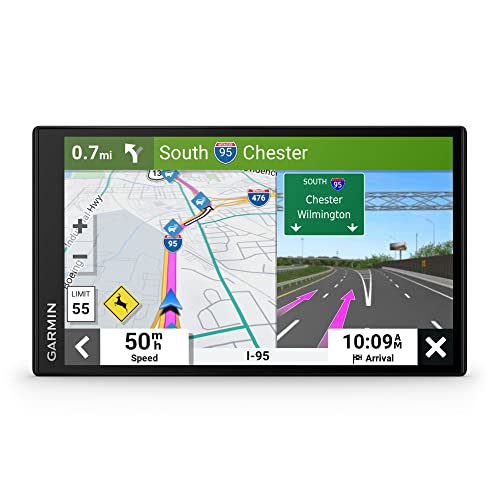
Garmin DriveSmart 66 6" GPS Navigator
#2 Garmin DriveSmart 66 6" GPS Navigator
Garmin DriveSmart 76 7" GPS Navigator
#3 Garmin DriveSmart 76 7" GPS Navigator
Rand McNally OverDryve 7C GPS Navigator
#4 Rand McNally OverDryve 7C GPS Navigator

Our Top Picks

#1. Kenwood Excelon DNX697S GPS Navigator
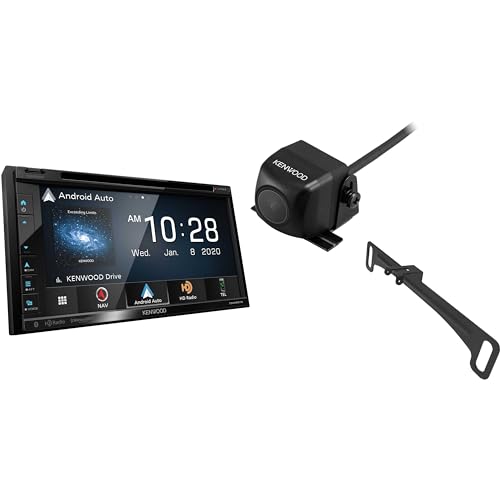
Kenwood Excelon DNX697S GPS Navigator
Our Score
7.8 / 10
hover for details
Navigation
8.3
Display
8.2
Features
7.8
Battery
6.4
Value
7.6
BrandKenwood
Screen Size6.8 in
Touchscreen TypeResistive Touchscreen
Voice ControlVoice Control
  • Accurate turns, great lock
  • Easy-to-read day visibility
  • Hands-free voice control
  • Short trips, quick drop
  • Less responsive or no touch
  • Interface learning curve

Hands-free voice control stands out here, and it fits the Voice Assist GPS Navigators need for safer, easier driving. Users report accurate turns and strong GPS lock, which matters when you are relying on voice prompts instead of constantly watching the screen. The 6.8 in display is also easy to read in daylight, so lane guidance stays clear when you do glance down. Overall, the navigation behavior sounds dependable, including recalculations when you miss a turn.

The main trade-off is interaction friction. The resistive touchscreen is less responsive, and some buyers find the interface takes time to learn. The battery life note also points to a best fit for shorter drives, since unplugged use may drop off quickly. If you want voice-first routing with clear screen visibility and you can tolerate a learning curve, this Kenwood is a strong pick.

→ Read full review

#2. Garmin DriveSmart 66 6" GPS Navigator

Garmin DriveSmart 66 6" GPS Navigator
Our Score
7.8 / 10
hover for details
Navigation
8.1
Display
8.6
Features
7.6
Battery
5.8
Value
8
BrandGarmin
Screen Size6 in
Screen Resolution1024 x 600 px
Map CoverageNorth America
Traffic UpdatesLive Traffic
Voice ControlVoice Control
  • Accurate turns, great lock
  • Easy-to-read day visibility
  • Strong value, no bloat
  • Poor standby battery life
  • Short unplugged runtime
  • Battery charging unreliability

This Garmin DriveSmart 66 6 stands out for voice-assisted driving because it pairs clear, accurate turn-by-turn guidance with strong GPS lock. Reviewers consistently mention reliable reroutes and correct turn timing, plus easy day visibility from its 6-inch screen. Voice control also fits the “keep your eyes forward” goal, since you can stay focused while the navigator handles directions and updates.

The main trade-off is power. Standby battery life is poor, and unplugged runtime is short. If you mostly mount it for regular trips, it will feel fine. If you want long off-grid sessions or frequent unplugging between drives, this is the part to plan around.

#3. Garmin DriveSmart 76 7" GPS Navigator

Garmin DriveSmart 76 7" GPS Navigator
Our Score
7.7 / 10
hover for details
Navigation
7.6
Display
8.5
Features
7.9
Battery
6
Value
7.9
BrandGarmin
Screen Size7 in
Map CoverageNorth America
Traffic UpdatesLive Traffic
Voice ControlVoice Control
  • Live traffic rerouting
  • Larger, easier viewing
  • Hands-free voice control
  • Short trips, quick drop

This Garmin DriveSmart 76 stands out for voice-led driving, using hands-free voice control along with live traffic rerouting. When roads change, it can redirect you without pulling focus from the road. The 7 in screen also helps for quick lane decisions, since the route view is easier to read than on smaller units.

The trade-off is battery behavior on short trips. If you often do quick stops and unplug frequently, you may feel the limitation sooner than with models that hold charge longer. If most of your driving happens while it is powered in the car, this is a strong pick for voice-first navigation with frequent route changes.

→ Read full review

#4. Rand McNally OverDryve 7C GPS Navigator

Rand McNally OverDryve 7C GPS Navigator
Our Score
7.5 / 10
hover for details
Navigation
7.6
Display
7.6
Features
7.5
Battery
6.3
Value
8.5
BrandRand McNally
Screen Size7 in
Screen Resolution1024 x 600 px
Voice ControlVoice Control
  • Clear lane guidance
  • Sharper map text
  • Hands-free voice control
  • Less responsive or no touch
  • Reroute inconsistency
  • Short trips, quick drop

The Rand McNally OverDryve 7C stands out in the Voice Assist GPS Navigators space for its hands-free voice control and easy-to-follow lane guidance. Users get sharper map text on its 7-inch screen and clearer turn context, which makes it simpler to stay focused on the road while listening for directions.

The main trade-off is that navigation reroutes can feel inconsistent, especially when you miss a turn. Some shoppers also note less responsive or even no touch interaction, so it may work better for drivers who rely on voice prompts than for those who want lots of on-screen tapping. Battery performance seems geared toward short trips, meaning plan for quick recharges if you do longer drives.

→ Read full review

What to Look For

Voice reliability for routing: Pick a unit that consistently starts your route from what you say. It should reroute quickly after a missed turn and keep lane guidance clear, not just restate the same directions.

Clear lane and junction guidance: Even with voice control, you need readable lane guidance at decision points. Favor models with a bright, easy-to-scan screen so you can confirm exits and lane arrows in seconds.

Map coverage and map update approach: Choose coverage that matches your usual driving region. Then confirm how updates work, such as lifetime, Wi-Fi, subscription, or manual updates, so your routes and POIs stay current.

Traffic support that is actually usable: Look for Live Traffic or Traffic Alerts tied to real routes. If traffic updates are missing or slow to apply, voice rerouting can feel late and unhelpful.

Battery life for short trips and quick getaways: Check battery life in hours, not just “works with power.” A solid unplugged runtime helps when you park, run errands, or forget the cable.

How We Picked

Products were identified through broad research across review sites and buyer forums, then filtered to only those that qualify as Voice Assist GPS Navigators.

Scoring used the same objective pillar framework as the main GPS Navigators post, allowing direct comparison of products within this sub-category.

Frequently Asked Questions

What does voice control on a GPS navigator usually let you do while driving?

Most voice assist navigators let you start routes, find places, and get spoken turn by turn directions. You can also ask for reroutes after you miss a turn. Some models support common voice commands like calling out the next turn and searching by name.

Do voice assist GPS navigators reroute faster than units without voice control?

Voice control usually does not change how fast GPS locks satellites or recalculates routes. Routing speed depends more on the navigation software and map data. Still, spoken alerts can help you react sooner, especially after a wrong turn.

What is the best way to set up voice commands and avoid mishearing in noisy cars?

Set the correct language and keep the microphone area clear. Speak naturally and use short phrases, like saying where you want to go. If the unit supports it, adjust volume and enable voice prompts so key directions are easier to hear.

When should I choose a different type of GPS navigator instead of a voice assist model?

Choose a different type if you mostly rely on a phone for searches and traffic. Also consider an alternative if you want the simplest screen only, with fewer hands free features. If you travel in areas with weak voice recognition, a no voice model can still work well for turn by turn guidance.

How do voice assist GPS navigators compare to other GPS navigators in navigation accuracy?

Navigation accuracy depends mainly on GPS signal handling, clear lane guidance, and updated maps. Voice assist helps by reading instructions out loud, not by improving map math. Look for user reports of correct turns and reliable rerouting after missed turns.

See Also

Share:
On Key
You Might Also Like