




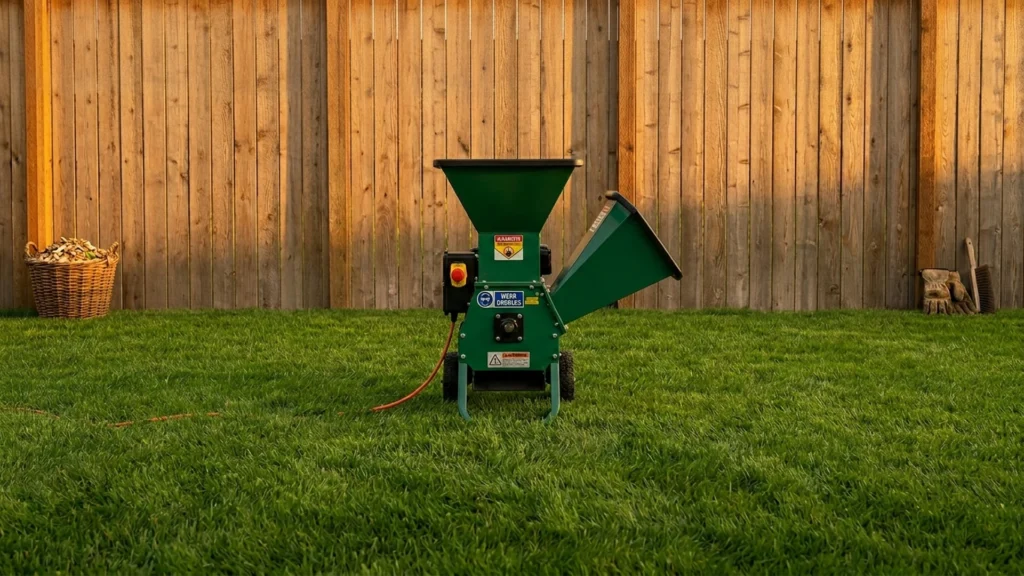
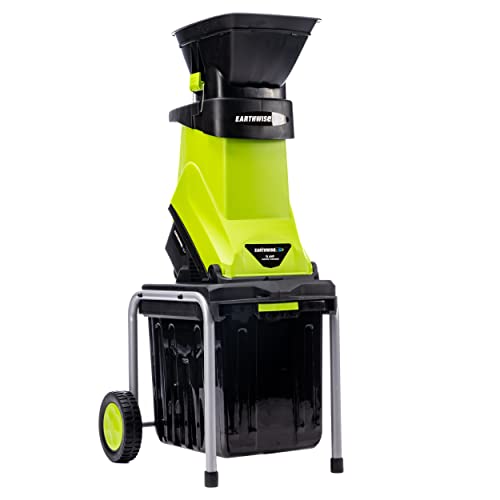
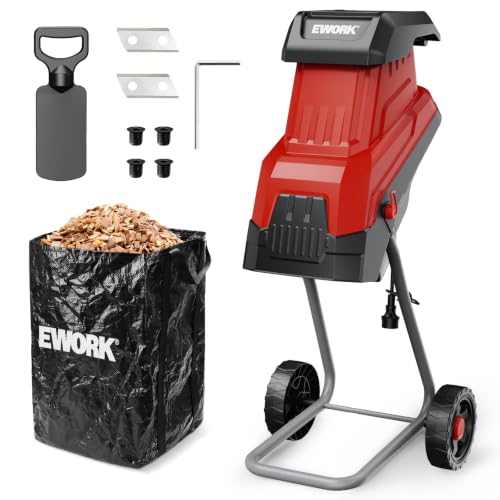
Electric wood chippers use an electric motor to turn sticks and small branches into chips. For this sub-category, buyers typically want a machine for yard cleanup, light landscaping, and occasional limb chipping at home. That means the chipper must manage real debris like leafy ends, damp branches, and mixed yard waste while staying consistent across repeated runs.
Picking the right electric model is hard because power is limited by the motor and the power source. A lower wattage or a smaller cutting path can slow feed speed and increase clog risk. Extension cords also limit where you can work, while lighter frames can vibrate more and feel less stable during heavy feeding.
Looking for all types? See our Best Wood Chippers.
Quick Overview
Our Top Picks
#1. Patriot CSV-2515 Wood Chipper

Specifications
| Brand | Patriot |
|---|---|
| Power Source | Electric |
| Max Branch Diameter | 2.5 in |
| Reduction Ratio | 20:1 |
| Weight | 95 lb |
| Dimensions | 37 x 35 x 24 in |
Pros
- More aggressive reduction
- Easier to move
- Quiet operation
Cons
- Cord power limit
- Chute clogging
This Patriot CSV-2515 stands out among electric wood chippers for its more aggressive reduction at its 2.5 in max branch size. The 20:1 reduction helps turn tougher yard debris into smaller chips, and it tends to run quietly for this class, which matters when you chip near homes. At 95 lb, it is also easier to reposition than many same-capacity chippers.
The main trade-off is cord power. You will need a suitable extension setup, and you will likely plan your work area before you start. Some users also report chute clogging, so feed sticks, leaves, and wet material in smaller amounts, and keep an eye on how the debris flows to reduce jams.
#2. Sun Joe CJ603E 1.7" Wood Chipper

Specifications
| Brand | Sun Joe |
|---|---|
| Power Source | Electric |
| Max Branch Diameter | 1.7 in |
| Weight | 38.6 lb |
| Dimensions | 31 x 8 x 15 in |
Pros
- Reliable value, fewer issues
- Jam shutoff safety
- Compact footprint
Cons
- Limited chipping capacity
- Leaf shredding limitation
The Sun Joe CJ603E 1.7 stands out in the electric chipper crowd for its practical safety and straightforward yard-waste setup. It includes a jam shutoff that helps prevent careless feed and reduces the chance of damaging the machine when things clog up. In the electric wood chippers segment, that kind of protection matters because you usually do not have the power cushion of a larger gas unit.
The trade-off is the limit on how much it can process at a time. With a 1.7 in max branch diameter, it suits small to medium yard cleanup, not heavy pruning. It also handles leafy material less reliably than woodier scraps, so you will get better results by feeding branches and letting the chipper do the bulk work.
#3. Earthwise GS70015 15-Amp Wood Chipper

Specifications
| Brand | Earthwise |
|---|---|
| Power Source | Electric |
| Max Branch Diameter | 1.8 in |
| Reduction Ratio | 15:1 |
| Weight | 29.8 lb |
Pros
- Reliable value, fewer issues
- Easier to move
- Quick cleanup bag
Cons
- Limited chipping capacity
- Instruction gaps
The Earthwise GS70015 stands out in electric wood chippers by keeping ownership simple. At 29.8 lb, it is easier to move than heavier chippers in the same class. Cleanup also tends to be straightforward thanks to the bag setup, which helps after you chip yard waste. In day to day use, its 15:1 reduction ratio and 1.8 in max branch diameter fit common yard pile jobs like small branches and trimmings.
The main trade off is limited capacity. It is not the right pick if you plan to process thicker limbs or lots of wet, heavy material in one session. Some buyers also note instruction gaps, so plan on learning the workflow before you expect fast, smooth feeding and jam clearing.
#4. Yeryork 1.8" Electric Wood Chipper

Specifications
| Brand | Yeryork |
|---|---|
| Power Source | Electric |
| Max Branch Diameter | 1.8 in |
| Reduction Ratio | 21:1 |
| Dimensions | 37 x 17.3 x 14.2 in |
Pros
- Reliable value, fewer issues
- More aggressive reduction
- Compact footprint
Cons
- Limited chipping capacity
- Some flex and thin metal
Yeryork 1.8 stands out as a compact electric chipper for small yard cleanups, where convenience matters more than brute force. It targets branches up to 1.8 in and uses a 21:1 reduction ratio for a more aggressive cut than many small electric units. In day to day use, that means you spend less time reworking piles and more time moving on.
The trade-off is capacity. It is best for lighter yard waste and smaller limbs rather than thick, woody material. The build feels a bit flex prone, and thin metal parts can take more care during feeding. This is a good fit for homeowners who want an electric chipper they can store easily, and who keep branches within its 1.8 in limit.
#5. EWORK 1.77" Electric Wood Chipper

Specifications
| Brand | EWORK |
|---|---|
| Power Source | Electric |
| Max Branch Diameter | 1.77 in |
| Reduction Ratio | 15:1 |
| Weight | 21 lb |
| Dimensions | 38 x 17 x 11 in |
Pros
- Reliable value, fewer issues
- Overload protection
- Safety interlock
Cons
- Limited chipping capacity
- Less aggressive reduction
The EWORK 1.77 stands out among electric wood chippers because it aims for dependable small-yard chipping with built-in protection. At 1.77 in max branch diameter and a 15:1 reduction ratio, it is sized for everyday yard waste rather than thick limbs. The overload protection and safety interlock also help reduce the chance of risky feed behavior, which is a common pain point with lighter electric models.
The trade-off is that it feels less aggressive on tougher material. Chipping power is limited by its smaller capacity, so larger branches or very fibrous wood may take more passes and can slow you down. This chipper fits best for homeowners who want a compact, electric option for prunings, small twigs, and routine cleanup.
#6. Saker 1.8" Electric Wood Chipper

Specifications
| Brand | Saker |
|---|---|
| Power Source | Electric |
| Max Branch Diameter | 1.75 in |
| Reduction Ratio | 8:1 |
| Dimensions | 24.8 x 14 x 12.9 in |
Pros
- Reliable value, fewer issues
- Compact footprint
Cons
- Limited chipping capacity
- Less aggressive reduction
The Saker 1.8 stands out among electric wood chippers for its practical, low-drama ownership. The build and overall setup feel straightforward, and it tends to be a dependable option for typical yard cleanup. Its compact footprint also helps, since it takes less space in a garage or shed than many larger electric models.
The trade-off is capacity and how aggressively it reduces material. With a max branch diameter of 1.75 in, thicker sticks and tougher yard waste can push it toward slower processing. This model fits best for homeowners who chip smaller branches, leaves, and light brush regularly, rather than someone trying to process large, woody loads.
What to Look For
Max Branch Diameter: Match the chipper to the biggest pieces you will feed most often. Stay at or below the stated limit, especially for electric models, because wet or leafy material chips slower and tends to jam sooner.
Cutting System Type: Focus on how the chipper forms chips. Electric chippers in this category usually use a Disc, Drum, or Flywheel system, and the right match improves consistency and reduces the chance of dulling quickly on small branches.
Feed Type and Control: Choose a feed approach that you can manage safely. Gravity feed is simple, but you still need to feed at a steady pace. If the feed depends on how you push material in, you will feel the difference in clogging when branches are uneven or damp.
Weight and Ground Stability: Lighter electric chippers are easier to move, but they can bounce during feeding. Check whether the unit stays stable on uneven ground and whether you can position it without straining over the hopper.
Value at Your Use Level: Compare price to what you will actually chip. If you only process small yard trimmings, a mid-range electric model can be enough. If you regularly push near the maximum diameter, you need stronger build and better feeding performance to avoid frequent slowdowns and jams.
How We Picked
Products were identified through broad research across review sites and buyer forums, then filtered to only those that qualify as Electric Wood Chippers.
Scoring used the same objective pillar framework as the main Wood Chippers post, allowing direct comparison of products within this sub-category.
Frequently Asked Questions
What size branches should I stick to with an electric wood chipper?
Most electric chippers handle about 1.7 to 1.8 inches max branches. Use the stated limit as a guide, not a goal. For thicker or tougher wood, feed slower and take breaks to avoid jams.
Do electric wood chippers jam more often than gas chippers?
They can, especially with wet, leafy, or stringy branches. Dry, cut wood feeds more smoothly. If you notice clogging, stop and clear the chute before you restart.
How should I prepare yard waste before chipping?
Cut branches to short lengths so the chipper can pull them in easily. Remove vines and thick side limbs that wrap around the intake. Let the wood dry for a day or two when possible, which helps cut cleaner.
What is the biggest reason to choose a gas wood chipper instead of an electric one?
Choose gas for bigger branches and longer, heavier jobs. Gas units keep stronger cutting power under load. Electric models work best for small cleanups and quick yard runs.
How do electric wood chippers compare to other wood chippers on weight and storage?
Electric chippers are usually lighter and easier to move than gas models. They also take less storage space in a garage or shed. If you need to chip often across a larger yard, this portability matters.


