




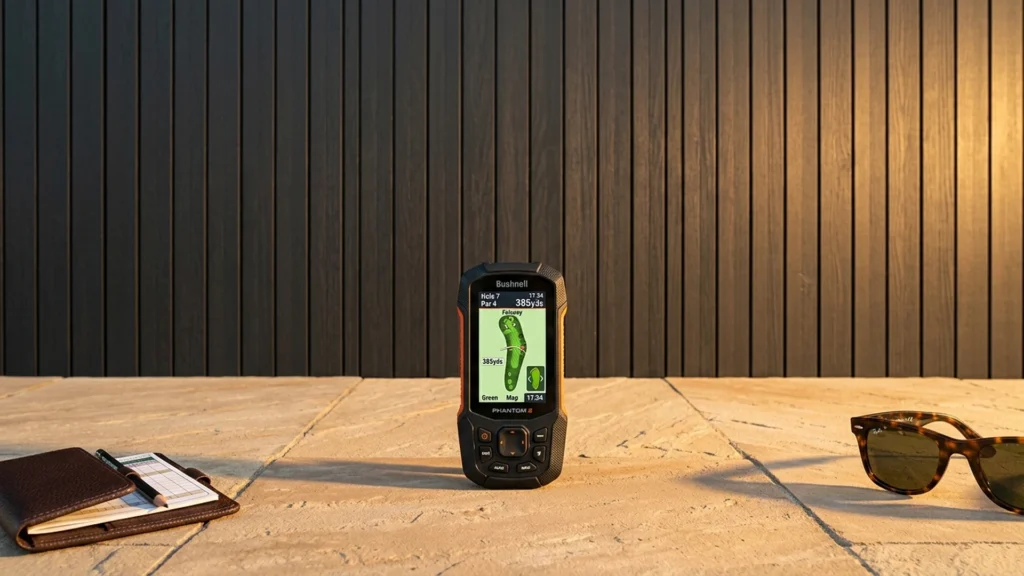
Golf GPS navigators use satellite positioning to show course layouts, front and back distances, hazards, and pin or target guidance. Buyers need route-like accuracy on the course, not street turn directions. They also need fast GPS fixes so the device is ready when play starts.
Choosing one is hard because the trade-offs are real. A bright, readable display can mean higher power use. Better map coverage and frequent course updates can come with a subscription or a specific update method. Battery life also varies a lot between course-focused devices and general navigation units.
Looking for all types? See our Best GPS Navigators.
Quick Overview
Our Top Picks
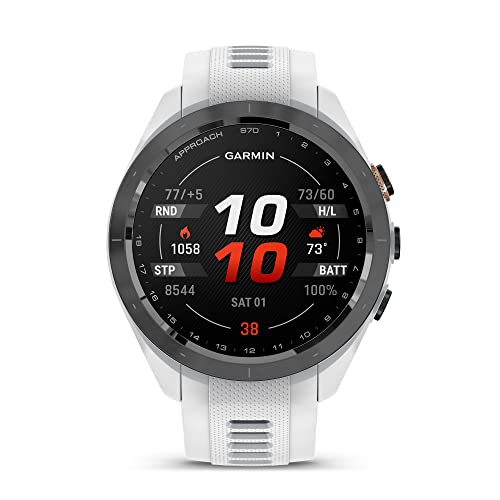
#1. Garmin Approach S70 GPS Navigator
Specifications
| Brand | Garmin |
|---|---|
| Screen Size | 1.2 in |
| Screen Resolution | 390 x 390 px |
| Battery Life | 10 h |
Pros
- Accurate turns, great lock
- Easy-to-read day visibility
- Lifetime map updates
Cons
- Too small for clarity
For golf GPS use, Garmin Approach S70 stands out for its dependable on-course routing. Users report accurate turns and great satellite lock, so the screen guidance stays steady when you are changing plans at the tee box. Map updates are listed as lifetime map updates, which matters on busy local courses where new paths and course layouts can shift over time.
The main trade-off is size. At 1.2 in, the display can feel a bit small if you want big, quick-to-read text from across the cart. This model fits golfers who value correct, consistent guidance more than large screen clarity.
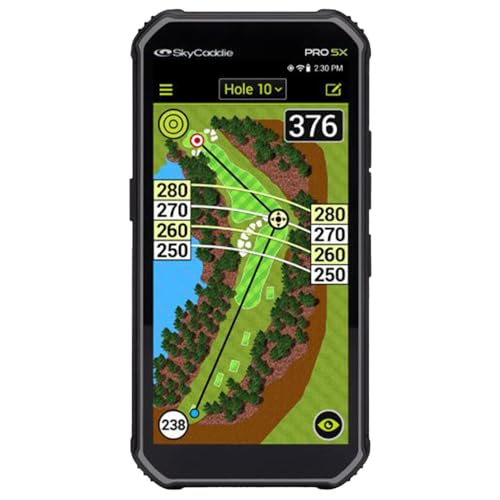
#2. SkyCaddie Pro X5 GPS Navigator

Specifications
| Brand | SkyCaddie |
|---|---|
| Screen Size | 5.5 in |
| Touchscreen Type | Capacitive Touchscreen |
Pros
- Accurate turns, great lock
- Easy-to-read day visibility
Cons
- Subscription dependency
- Update access limits
SkyCaddie Pro X5 stands out for golfers who want dependable turn-by-turn guidance when they are walking the course. Users report accurate turns and a great GPS lock, which matters most when you are trying to stay on the right route between holes. The 5.5 in screen is easy to read in daylight, so yardage and directions stay clear even under bright sun.
The main drawback is the reliance on a subscription for updates. If you do not want ongoing update access limits, this will feel restrictive. It is a strong match for golfers who prioritize solid navigation reliability, and who are okay managing the update requirement to keep maps current.
#3. Garmin Approach G20 GPS Navigator

Specifications
| Brand | Garmin |
|---|---|
| Screen Size | 2.2 in |
| Battery Life | 36 h |
Pros
- Easy-to-read day visibility
- Quick charge, steady runtime
- Accurate yardages
Cons
- Patchy traffic usefulness
- Limited course visualization
- Price-to-features mismatch
For golfers who want simple, fast guidance, the Garmin Approach G20 stands out with clear day visibility and dependable yardages. Users tend to like how quickly it locks on and how reliably it updates when plans change. It is also an easy device to live with during a round, thanks to steady battery performance rated up to about 36 hours and quick charging between outings.
The main trade-off is course and route detail. Traffic support feels patchy, and course visualization can feel limited compared with fuller map views on other golf GPS units. This makes the G20 a good fit for players who mainly want straightforward distance info and less for golfers who rely on richer, on-screen course layout guidance.
What to Look For
Course Navigation Accuracy: Look for accurate yardages for the front, center, and back of greens, plus reliable pin location updates. Prioritize devices that recalculate cleanly when you move to a new hole or miss a target.
On-Course Display Legibility: You want a screen that stays easy to read in daylight. Check screen size and resolution, and note whether the touchscreen type matches your use with gloves or changing light conditions.
Course Map Coverage and Updates: Confirm the device supports the regions you play most. Pay attention to how map or course data updates work, including whether updates are lifetime, Wi-Fi based, subscription based, or manual.
Traffic and Voice Matter Less: For golf GPS navigators, live traffic and voice control usually do not drive the experience. Skip devices that force you into extra complexity if the core golf yardage and course display are not strong.
Battery Life for Full Rounds: Choose a model with enough runtime for 18 holes and pre-round setup. Also check how battery performance holds up over time, since older units can lose capacity faster than you expect.
How We Picked
Products were identified through broad research across review sites and buyer forums, then filtered to only those that qualify as Golf GPS Navigators.
Scoring used the same objective pillar framework as the main GPS Navigators post, allowing direct comparison of products within this sub-category.
Frequently Asked Questions
What should I expect Golf GPS Navigators to show during a round?
Most show course maps and yardage to hazards and greens. Look for accurate front, center, and back distances on every hole. Many also offer a green view and distances while you walk or ride.
How do I choose between handheld Golf GPS Navigators and club-style devices?
Handheld units usually give the clearest map view and easy hole switching. Club-style units can be quick to check distances but may show less detail. If you want maps and planning, choose handheld. If you mainly want simple yardage, a more compact style can work.
How do I keep the maps and course data accurate over time?
Check each device for how map updates work. Some offer lifetime map updates, while others use subscriptions or manual updates. Update before your season starts, then confirm the course name appears correctly in the menu.
Do Golf GPS Navigators need voice control or traffic features?
Most golfers skip traffic because these devices focus on the course. Voice control helps if you want hands free button-free changes while moving. Choose based on your habits, not on car navigation needs.
When should I choose a different GPS navigator type instead of a golf GPS?
Choose a standard car or hiking GPS if you travel often between courses. Golf GPS Navigators are best for on course yardage and hole maps. If you need turn by turn driving and lane guidance, a regular GPS navigator fits better.
How do Golf GPS Navigators compare to other GPS navigators for battery life and use?
Golf GPS Navigators often last long enough for a full round and then some. Regular GPS navigators may drain faster with brighter screens and constant route guidance. If battery life is your top goal, pick a golf model that is known for strong unplugged runtime.


