




The 4 Best Upright Freezers in 2026

Transparency Note: This post contains affiliate links. As an Amazon Associate, we earn from qualifying purchases at no extra cost to you.

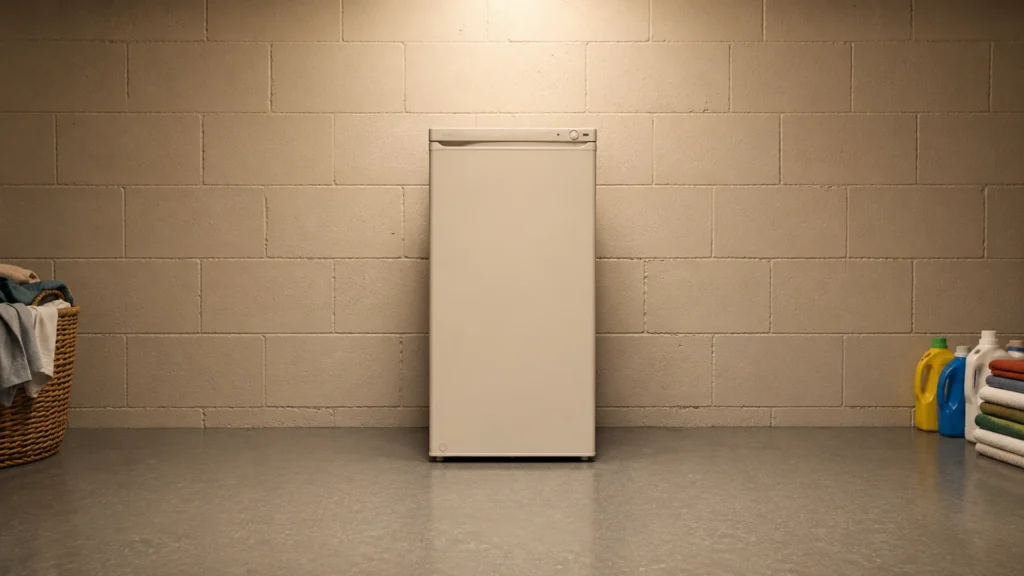
Upright freezers use shelves and a door to make frozen storage easier to organize. For buyers in this category, the real need is consistent cold inside the cabinet, not just a low temperature on the dial.

Choosing an upright model is harder because the trade-offs are predictable. Smaller upright freezers can mean less usable space. Frost patterns can vary based on defrost style. Energy use also depends on how often the door gets opened and how well the unit seals.

To match your space and habits, compare models by cooling stability, reliability signals, and how the defrost approach affects day-to-day use, then narrow down with the picks in this guide. Looking for all types? See our Best Freezers.

Quick Overview

Whynter 1.1 cu ft Upright Freezer
#1 Whynter 1.1 cu ft Upright Freezer
BLACK+DECKER 14 cu ft Convertible Freezer Refrigerator
#2 BLACK+DECKER 14 cu ft Convertible Freezer Refrigerator
Danby 3.2 cu ft Upright Freezer
#3 Danby 3.2 cu ft Upright Freezer
Magic Chef 3 cu ft Upright Freezer
#4 Magic Chef 3 cu ft Upright Freezer

Our Top Picks

#1. Whynter 1.1 cu ft Upright Freezer

Whynter 1.1 cu ft Upright Freezer
Our Score
7.3 / 10
hover for details
Performance
7.3
Reliability
6.8
Build Quality
6.5
Efficiency
8
Value
8.4
BrandWhynter
Freezer TypeUpright Freezer
Capacity Cuft1.1 cu ft
Dimensions In19.5 x 17.7 x 18.5 in
Temperature Range F-11 to 10.4 °F
Energy Star CertifiedYes
Annual Energy Use Kwh251 kWh/yr
Voltage V115V
  • Low power draw, quiet cycling
  • Energy Star certified
  • Compact footprint
  • Occasional temp-control hiccups
  • Limited storage capacity
  • Mild misalignment, flimsy feel

This Whynter 1.1 cu ft upright freezer stands out for small-space efficiency. It uses 251 kWh per year and cycles quietly, which makes it easier to place near living or work areas without constant noise. In an upright category where many compact models can feel power hungry, its Energy Star certification and low power draw help keep operating costs predictable.

The main trade-off is capacity and temperature steadiness. At 1.1 cu ft, storage is limited, so it fits best for backup frozen items, meal prep, or overflow when you have another freezer already. Some buyers note occasional temperature-control hiccups and a mild cabinet feel issue like misalignment, so it is a better pick for people who can monitor it at first and who do not need a large, storage-heavy setup.

→ Read full review

#2. BLACK+DECKER 14 cu ft Convertible Freezer Refrigerator

BLACK+DECKER 14 cu ft Convertible Freezer Refrigerator
Our Score
7.2 / 10
hover for details
Performance
7
Reliability
6.6
Build Quality
8
Efficiency
7.4
Value
7.8
BrandBLACK+DECKER
Freezer TypeConvertible Freezer
Capacity Cuft14 cu ft
Dimensions In68.1 x 27.9 x 28 in
Defrost TypeFrost Free
Energy Star CertifiedYes
Annual Energy Use Kwh270 kWh/yr
  • Energy Star certified
  • Low annual energy use
  • Frost-free convenience
  • Occasional temp-control hiccups
  • Conversion complexity
  • Repair difficulty concern

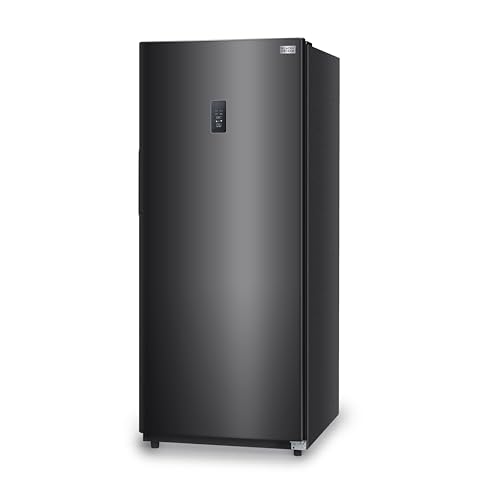
For shoppers in the upright freezer category, the standout here is the BLACK+DECKER 14 cu ft convertible design paired with frost-free operation. That combo makes it easier to switch between freezer storage and refrigerator-style use without dealing with routine defrosting. It also carries ENERGY STAR certification and uses about 270 kWh/yr, which helps keep day-to-day energy use in line for an upright form factor.

The main trade-off is control stability. Some owners report occasional temperature-control hiccups, so it is worth giving the unit time to settle after changes. There is also a bit of extra complexity in the convertible setup, and service work may be less convenient than with simpler freezer-only models. Best for households that want flexible cold storage in an upright cabinet, and are comfortable monitoring temperatures when switching modes.

→ Read full review

#3. Danby 3.2 cu ft Upright Freezer

Danby 3.2 cu ft Upright Freezer
Our Score
7.0 / 10
hover for details
Performance
7.1
Reliability
6.6
Build Quality
6.6
Efficiency
7.1
Value
8
BrandDanby
Freezer TypeUpright Freezer
Capacity Cuft3.2 cu ft
Dimensions In20.69 x 22.5 x 32.69 in
Defrost TypeManual Defrost
Temperature Range F0 to 110 °F
Annual Energy Use Kwh272 kWh/yr
Voltage V115V
  • Balanced features, fair price
  • Compact footprint
  • Occasional temp-control hiccups
  • Manual defrost required
  • Limited storage capacity

The Danby 3.2 cu ft upright freezer stands out for being a true compact option in the upright category. With dimensions around 20.69 x 22.5 x 32.69 in, it fits where larger upright models do not. It also keeps things fairly steady most of the time, so it works well for basics like frozen meals and extra ice. Performance is solid for a small cabinet, but some owners report occasional temp-control hiccups that can matter if you open the door often.

This is a good pick for tight spaces, like apartments, offices, or a garage prep area, where you want vertical storage and easy access. The trade-off is manual defrost, which means you will need to plan for periodic cleaning to manage buildup. Storage capacity stays limited at 3.2 cu ft, so it is best for smaller households or as a supplement to a main freezer rather than a full replacement.

→ Read full review

#4. Magic Chef 3 cu ft Upright Freezer

Magic Chef 3 cu ft Upright Freezer
Our Score
7.0 / 10
hover for details
Performance
7.2
Reliability
6.5
Build Quality
6.7
Efficiency
6.9
Value
8
BrandMagic Chef
Freezer TypeUpright Freezer
Capacity Cuft3 cu ft
Dimensions In20 x 17 x 24 in
Defrost TypeManual Defrost
Energy Star CertifiedYes
Annual Energy Use Kwh270 kWh/yr
Voltage V120V
  • Balanced features, fair price
  • Compact footprint
  • Energy Star certified
  • Occasional temp-control hiccups
  • Runs often, uses more power
  • Manual defrost required

This Magic Chef 3 cu ft upright freezer stands out in the upright category for its small-space fit and ENERGY STAR certification. With only 20 x 17 x 24 in of space needed, it is a practical choice for apartments, offices, and garages where a chest freezer will not work. In day-to-day use, the cabinet keeps enough of a cold zone for storing frozen staples, and the upright layout makes it easier to reach items without digging.

The main trade-off is care and temperature stability. It needs manual defrost, so you will want to plan for occasional ice build-up. Some owners also report temperature-control hiccups and that it tends to run more often than expected, which can mean higher electricity use. This model fits best for buyers who want a compact upright freezer and do not mind periodic defrosting.

What to Look For

Temperature stability: Look for even cold across the cabinet. If users report softening food after door openings or temperature swings, skip the model and choose one with accurate, steady controls.

Freeze recovery after door openings: Upright freezers get opened often. Choose a model that recovers quickly so frozen items do not sit in a warmer zone while you reload it.

Defrost type fit for your routine: Frost Free units reduce manual work, but they can still build frost under heavy use. Manual defrost models typically require more effort, but they can help you control ice buildup.

Seals and cabinet build: A tight gasket and solid door alignment matter in an upright freezer. Watch for reports of gaps, weak hinges, or doors that do not close firmly, since those drive temperature loss.

Energy use for how often you open it: Upright freezers usually cost more than chest models with the same storage. Prioritize ENERGY STAR certified units and look for lower annual kWh when comparing similarly sized options.

How We Picked

Products were identified through broad research across review sites and buyer forums, then filtered to only those that qualify as Upright Freezers. The list focuses on upright cabinet designs built for shelf-style frozen storage.

Scoring used the same objective pillar framework as the main Freezers post, allowing direct comparison of products within this sub-category. Performance, reliability, build quality, efficiency, and value were weighted to reflect what buyers actually deal with after purchase: stable freezing, fewer service issues, solid construction, and predictable running costs.

Frequently Asked Questions

What is the biggest benefit of an upright freezer over a chest freezer?

Upright freezers are easier to load and organize. You can use shelves and baskets to find items faster. They also save space in rooms where you cannot store a chest. Chest models often fit more food, though.

How much space do I need around an upright freezer for proper airflow?

Leave a little room behind the unit so air can move freely. Follow the spacing guidance in the owner manual if you have it. Avoid pushing the freezer tight to the wall. This helps it cool evenly and run more efficiently.

Should I choose manual defrost or frost free for an upright freezer?

Frost free models keep ice buildup low and need less hands-on work. Manual defrost usually costs less upfront but needs periodic defrosting. If you hate maintenance, pick frost free. If you want better control and do not mind defrosting, manual can work well.

When should I consider a convertible freezer or a different freezer type instead of an upright freezer?

Choose convertible if you want the option to run it as a freezer or a fridge. This helps for mixed storage needs like party food and drinks. If you mostly store bulk frozen food, a chest or larger upright may work better. Think about how often you open the door too.

How do upright freezers compare to other freezers for energy use?

Upright models can use more energy than well-insulated chest freezers. Still, efficiency depends on insulation, compressor quality, and door sealing. Look for ENERGY STAR certification and a lower kWh per year rating. Also avoid frequent door openings to reduce temperature swings.

See Also

Share:
On Key
You Might Also Like