




The 7 Best PFAS Reduction Water Filtration Systems in 2026

Transparency Note: This post contains affiliate links. As an Amazon Associate, we earn from qualifying purchases at no extra cost to you.

PFAS reduction water filtration systems focus on lowering PFAS, also called PFOS and PFOA, which do not break down in water. For buyers, the practical goal is safer drinking water for daily use, usually at the kitchen tap or in a direct-use unit like a countertop reverse osmosis system.

Picking one is hard because the trade-offs are not subtle. PFAS-focused filtration often means reverse osmosis, tighter stages, and slower processing. You also have to watch for system flow rate, filter change timing, and whether the unit wastes water during rejection. If you want PFAS reduction, you should also confirm the unit is meant for that job, not only for taste and odor.

Use this guide to compare PFAS reduction options across countertop and under-sink styles, then match the system to your daily water needs and replacement budget. Looking for all types? See our Best Water Filtration Systems.

Quick Overview

Weddell Duo Shower Head Filter
#1 Weddell Duo Shower Head Filter
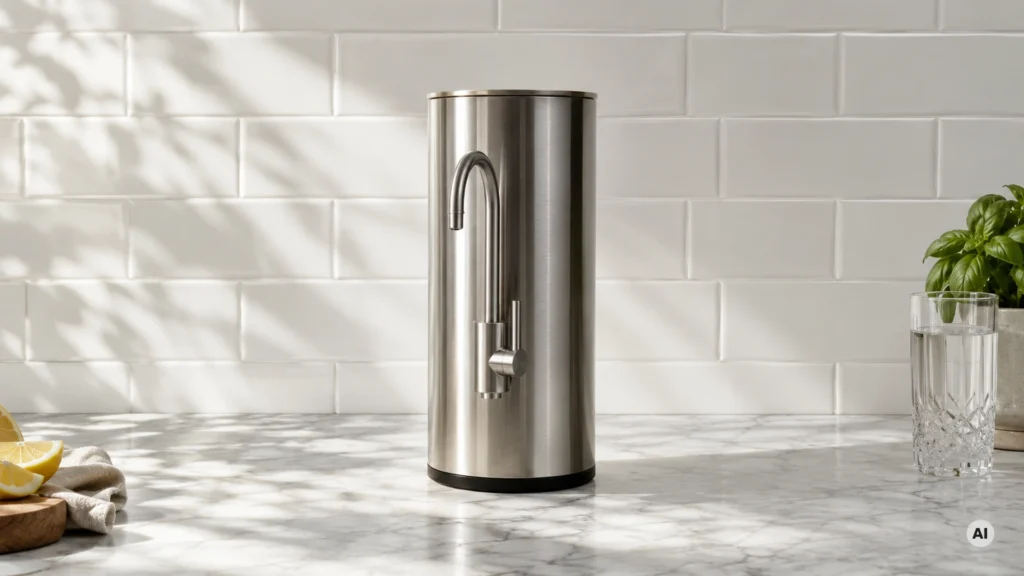
AquaTru Glass Carafe Countertop Reverse Osmosis System
#2 AquaTru Glass Carafe Countertop Reverse Osmosis System
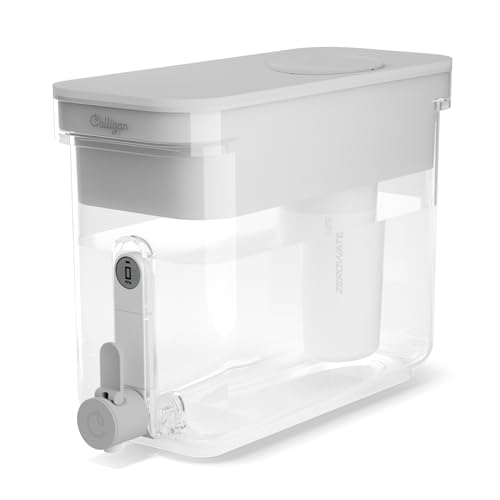
Culligan ZeroWater Water Filter Dispenser
#3 Culligan ZeroWater Water Filter Dispenser
Waterdrop G3P800 Tankless Reverse Osmosis System
#4 Waterdrop G3P800 Tankless Reverse Osmosis System
Culligan MaxClear Countertop Gravity Water Filtration System
#5 Culligan MaxClear Countertop Gravity Water Filtration System
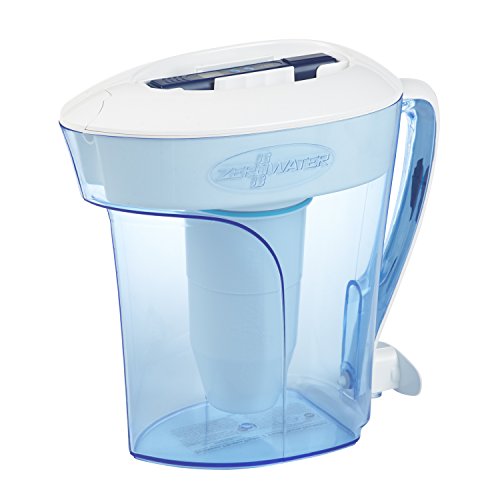
ZeroWater 10-Cup Water Filter Pitcher
#6 ZeroWater 10-Cup Water Filter Pitcher
AquaTru Classic Countertop Reverse Osmosis System
#7 AquaTru Classic Countertop Reverse Osmosis System

Our Top Picks

#1. Weddell Duo Shower Head Filter

Weddell Duo Shower Head Filter
Our Score
8.3 / 10
hover for details
Performance
8.3
Build Quality
8.1
Ease of Use
8.5
Value
8.4
BrandWEDDELL
System TypeShower
Contaminants RemovedChlorine;PFAS;Micro-plastics;Sediment;Lead;Particulates
CertificationsNSF/ANSI 42
Filter Capacity8000 gallons
Flow Rate2.8 gpm
Dimensions3.8 x 8.5 x 2.5 in
  • Strong contaminant reduction
  • Reliable seals and fittings
  • Worth the price, efficient filters
  • Pressure-dependent performance
  • Fit-sensitive installation
  • Varied under water hardness

If you are shopping in PFAS Reduction Water Filtration Systems, this shower filter stands out because it targets PFAS while also addressing everyday shower contaminants. The Weddell Duo Shower Head Filter is rated to reduce PFAS alongside chlorine, micro-plastics, sediment, and lead. In day to day use, that means less chemical smell and a more comfortable rinse, not just cleaner water on paper. With an 8000 gallon capacity and a 2.8 gpm flow rate, it is built for consistent shower use over time.

The main trade-off is that results can depend on water pressure and on how tightly it is installed. If your setup runs low pressure, filtration may feel weaker. It also can vary with local water hardness, so some users may notice differences in performance. This is best for people who want PFAS reduction where they feel it most, in the shower, and who are willing to install carefully for the best seal.

→ Read full review

#2. AquaTru Glass Carafe Countertop Reverse Osmosis System

AquaTru Glass Carafe Countertop Reverse Osmosis System
Our Score
8.0 / 10
hover for details
Performance
8.1
Build Quality
8
Ease of Use
8.1
Value
7.8
BrandAQUA TRU
System TypeCountertop
Filtration TechnologyReverse Osmosis
Number Of Stages4
Contaminants RemovedMicroplastics;Fluoride;Chromium-6;Arsenic;PFAS;Lead;PFOA;PFOS;VOCs
CertificationsNSF/ANSI 58
Dimensions13.5 x 5.2 x 1.5 in
  • Strong contaminant reduction
  • Reliable seals and fittings
  • Simple maintenance, clear setup
  • Premature membrane clogging
  • Limited point-of-use
  • Outlet dependency

This countertop reverse osmosis system stands out for PFAS reduction because it uses a multi-stage setup aimed at PFAS plus other hard-to-treat contaminants. With NSF/ANSI 58 certification, it is designed to cut down targets like PFAS, PFOA, and PFOS while also addressing common drinking water concerns such as fluoride, chromium-6, arsenic, lead, and VOCs. In everyday use, the result is typically water that tastes cleaner and feels safer for cooking and drinking, not just for a quick glass.

The main trade-off is maintenance behavior. One drawback noted with this model is premature membrane clogging, which can shorten performance life if incoming water is harder to treat. It is also more point-of-use than whole-home, so it fits best for people who want PFAS-focused drinking and cooking water at the counter, and who are comfortable with outlet dependency for consistent results.

→ Read full review

#3. Culligan ZeroWater Water Filter Dispenser

Culligan ZeroWater Water Filter Dispenser
Our Score
7.9 / 10
hover for details
Performance
7.8
Build Quality
7.4
Ease of Use
8.1
Value
8.8
BrandCulligan
System TypeRefrigerator
Filtration TechnologyReverse Osmosis
Number Of Stages5
Contaminants RemovedPFAS;Lead;Chlorine;Mercury
CertificationsIAPMO
Dimensions10.5 x 6 x 14.8 in
  • High-removal technology
  • Reduces high-risk contaminants
  • Simple maintenance, clear setup
  • No NSF certification
  • Abrupt filter failure
  • Potential end-of-life leaking

This Reverse Osmosis dispenser stands out for PFAS-focused households because it uses a multi-stage 5-step setup designed to reduce high-risk contaminants, including PFAS. For day-to-day use, the biggest practical win is simplicity: you get filtered drinking water straight from the unit, which can make it easier to stay consistent about PFAS reduction than with more complex setups.

The main trade-off is certification. It lists IAPMO certification, but it does not show NSF certification, so buyers who rely on NSF test listings may feel less confident. Also, some users report abrupt end-of-life behavior and possible end-of-life leaking, so plan to replace filters on schedule rather than waiting until performance clearly drops.

→ Read full review

#4. Waterdrop G3P800 Tankless Reverse Osmosis System

Waterdrop G3P800 Tankless Reverse Osmosis System
Our Score
7.8 / 10
hover for details
Performance
8.1
Build Quality
7.8
Ease of Use
7.6
Value
7.5
BrandWaterdrop
System TypeUnder-Sink
Filtration TechnologyReverse Osmosis
Number Of Stages10
Contaminants RemovedPFAS;Fluoride;Lead;Chromium;Iron;Nitrates;Chloride;Large particles;Radium;VOCs
CertificationsNSF/ANSI 42;NSF/ANSI 53;NSF/ANSI 58;NSF/ANSI 372
Filter Capacity800 gallons
  • Strong contaminant reduction
  • Strong NSF certification
  • Whole-home capability
  • Under-sink noise
  • Noise-per-price mismatch
  • Long-term consistency unclear

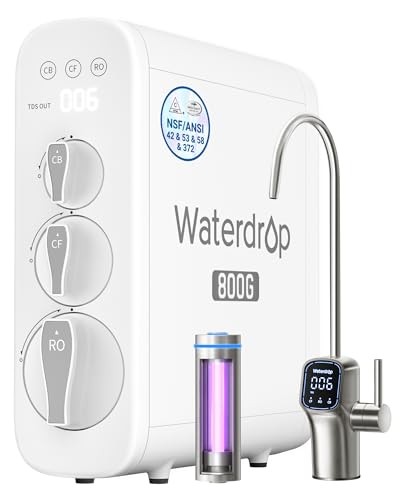
This Waterdrop tankless reverse osmosis system is notable for PFAS reduction because it backs its broad contaminant targets with multiple NSF/ANSI certifications, including NSF/ANSI 58 and NSF/ANSI 372. In day-to-day use, RO is a strong fit for PFAS concerns, and this unit is designed to reduce not just PFAS, but also fluoride, lead, nitrates, VOCs, and more. The 10-stage setup and 800-gallon filter capacity support longer stretches between filter changes, which matters when you are trying to keep PFAS risk low without constant maintenance.

The main trade-off is noise. Some users may notice under-sink sound during operation, and it can feel noticeable for the category. This is best for households that can tolerate that sound, want whole-home level style filtration in an under-sink layout, and are comfortable following routine maintenance steps to keep output consistent over time.

#5. Culligan MaxClear Countertop Gravity Water Filtration System

Culligan MaxClear Countertop Gravity Water Filtration System
Our Score
7.8 / 10
hover for details
Performance
7.4
Build Quality
8
Ease of Use
8.1
Value
8
BrandCulligan
System TypeCountertop
Filtration TechnologyCeramic + Activated Carbon
Contaminants RemovedMicroplastics;Lead;PFAS
CertificationsNSF/ANSI 42
Dimensions26 x 8.6 x 8.6 in
  • Reduces high-risk contaminants
  • Reliable seals and fittings
  • Simple maintenance, clear setup
  • No NSF certification
  • Bulky footprint
  • Slow gravity fill

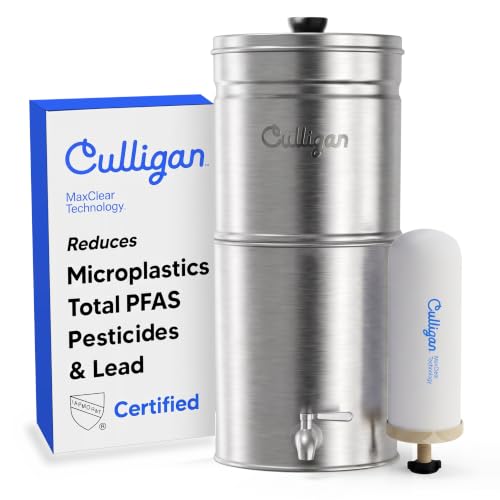
Gravity-fed countertop filtration can be an easier entry point for PFAS reduction than whole-house systems, and this Culligan MaxClear stands out for using Ceramic + Activated Carbon media and explicitly targeting PFAS alongside lead and microplastics. The unit uses reliable seals and fittings, so the water path feels well contained during everyday use. It is also listed under NSF/ANSI 42, which helps with baseline expectations for taste and contaminant reduction.

The main trade-off is speed. Gravity filling is slower than faucet-mounted or plumbed-in options, so it is not ideal for fast refills or large households. It is also bulky for a countertop, and it does not list NSF certification for PFAS reduction beyond NSF/ANSI 42. This makes it a better fit for people who want a dedicated drinking spot at the sink and can live with a slower pour while checking whether the PFAS claims match their priorities.

→ Read full review

#6. ZeroWater 10-Cup Water Filter Pitcher

ZeroWater 10-Cup Water Filter Pitcher
Our Score
7.7 / 10
hover for details
Performance
7.8
Build Quality
6.6
Ease of Use
8.3
Value
8.8
BrandZeroWater
System TypePitcher
Filtration TechnologyIon Exchange
Number Of Stages5
Contaminants RemovedPFAS;Lead;Chromium;Mercury;PFOA;PFOS
CertificationsIAPMO Certified
Flow Rate0 gpm
Dimensions11 x 5.9 x 11.6 in
  • Worth the price, efficient filters
  • Reduces high-risk contaminants
  • Included TDS meter
  • No NSF certification
  • Low flow rate
  • Decent build, minor looseness

ZeroWater 10-Cup is notable in PFAS reduction because it uses ion exchange and targets PFAS along with contaminants like PFOA and PFOS. A standout practical detail is the included TDS meter, which helps you see whether your source water is changing after filtration. In day to day use, this makes it easier to judge when the pitcher still works for your water and when it is time to replace the filter.

The main trade-off is usability for heavier PFAS goals: the pour speed is on the slow side, with low flow rate, so filling large cups can take more time. It also does not list an NSF certification for PFAS, only IAPMO certification, so shoppers who want NSF/ANSI-backed PFAS proof may need to research further. Overall, it fits best for households that want a countertop PFAS focused pitcher and prefer simple maintenance over fast filling.

#7. AquaTru Classic Countertop Reverse Osmosis System

AquaTru Classic Countertop Reverse Osmosis System
Our Score
7.7 / 10
hover for details
Performance
7.6
Build Quality
7.6
Ease of Use
8
Value
7.6
BrandAQUA TRU
System TypeCountertop
Filtration TechnologyReverse Osmosis
Number Of Stages4
Contaminants RemovedFluoride;Lead;Chlorine;PFAS
CertificationsNSF/ANSI 58
Dimensions20 x 11 x 16.2 in
  • High-removal technology
  • Reduces high-risk contaminants
  • Compact footprint
  • Minimal treatment stages

The AquaTru Classic is notable in the PFAS reduction category because it uses countertop reverse osmosis, backed by NSF/ANSI 58. In real use, reverse osmosis is one of the more reliable ways to cut PFAS along with other higher-risk contaminants like lead, fluoride, and chlorine. It also targets taste and odor issues, so the water quality change is usually noticeable without needing a special setup.

The main trade-off is its minimal treatment stages. With only 4 stages, it may not feel as thorough for people who want extra polishing steps beyond PFAS and common drinking-water concerns. This is a good fit for households that want strong PFAS reduction in a compact countertop footprint and are comfortable with regular filter maintenance, since performance depends on keeping the system supplied with fresh cartridges.

What to Look For

PFAS-targeted filtration technology: For PFAS reduction, prioritize systems that use reverse osmosis or other media explicitly designed to reduce PFAS. Avoid buying only on generic claims like better taste. The technology should align with strong PFAS reduction expectations.

Certified performance you can verify: Look for explicit NSF ANSI certifications tied to contaminant reduction categories. If the listing does not state relevant standards, treat claims as less reliable and plan to verify through test results.

Flow rate for actual daily use: PFAS reduction systems can run slower, especially with reverse osmosis. Check the flow rate in gpm and decide if it fits your routine. If you need steady drinking and cooking water, low flow can mean long waits.

Filter stages and maintenance rhythm: More stages can support broader contaminant control, but maintenance complexity also rises. Use the number of stages to gauge how often filters may need swapping and how many replacement items you will buy over time.

Replacement cost and filter capacity: Filter capacity in gallons affects how long each filter set lasts before replacement. Estimate your monthly usage, then compare total ongoing cost, not just the upfront price, especially if you plan to reduce PFAS at drinking and cooking points.

How We Picked

Products were identified through broad research across review sites and buyer forums, then filtered to only those that qualify as PFAS Reduction Water Filtration Systems. The shortlist focused on systems that use PFAS-relevant filtration approaches, such as reverse osmosis, or are built for direct drinking-water reduction rather than general taste-only upgrades.

Scoring used the same objective pillar framework as the main Water Filtration Systems post, allowing direct comparison of products within this sub-category. Performance, build quality, ease of use, and value were scored with emphasis on PFAS reduction suitability, real-world output, and upkeep demands over the expected filter life.

Frequently Asked Questions

Do I need PFAS reduction if I already have a carbon filter?

Not always. Many carbon filters help with taste and smell, but they do not always target PFAS well. Look for systems that specifically claim PFAS reduction or the right PFAS media. Also check whether they list PFAS as a reduced contaminant.

What PFAS reduction filter type works best for drinking water at the tap?

Reverse osmosis systems often perform best for PFAS because they reject a wide range of dissolved contaminants. Pitchers and many gravity filters can reduce some PFAS, but results vary by media and contact time. If you want the strongest reduction, choose a system built for PFAS and high rejection. Then match the system to your household water use.

How often do PFAS filters need to be replaced?

It depends on your water quality and how fast you use the filter. Some systems require filter changes by months, while others use a capacity like gallons. Follow the schedule in the manual, not just taste alone. If flow drops or the cartridge looks fouled, replace it sooner.

Should I use a PFAS reduction system on my shower or just for drinking water?

Many people start with drinking and cooking because it gives the clearest health value. Shower filtration can help with exposure from water contact, especially for sensitive skin or hair. However, PFAS reduction claims and filter maintenance still matter. If you do both, budget for separate cartridges or systems.

When should I choose a different type of water filtration system instead of a PFAS-focused one?

If you mainly want sediment or scale control, a PFAS reduction system may be more than you need. Sediment and hardness often need different media or equipment. If your main issue is taste and odor, activated carbon may solve it at lower cost. Use testing results or clear local water reports to decide.

How do PFAS reduction systems compare to basic water filtration for flow rate and water taste?

PFAS systems, especially reverse osmosis, can slow flow and may require a storage tank. That can change how fast you fill a pitcher or run a sink. Taste often improves because RO also reduces many dissolved substances. Basic filters can taste better too, but PFAS reduction may be limited.

See Also

Share:
On Key
You Might Also Like