Gemini AI Smartphones are Android phones where Gemini features are a real part of the daily experience, not just a side app. Buyers in this group want fast answers, helpful writing tools, and strong photo and video processing that works consistently with Gemini powered workflows.
Picking the right one is hard because the trade-offs are not one dimensional. You have to balance chipset speed with battery life, camera accuracy with how stable video looks, and larger displays with better usability outdoors.
Use the guide below to narrow your options by real criteria, then match your choice to how you actually use Gemini AI. Looking for all types? See our Best Smartphones.
Quick Overview
Our Top Picks
#1. Google Pixel 9a

Specifications
| Brand | |
|---|---|
| Display Size | 6.3 in |
| Display Type | pOLED |
| Refresh Rate | 120 Hz |
| Processor | Tensor G4 |
| Ram | 8 GB |
| Storage | 128 GB |
| Rear Camera | 48 MP |
| Battery Capacity | 5100 mAh |
Pros
- Reliable night shots
- Strong value at price
- Smooth under pressure
Cons
- Limited multitasking RAM
- Too little built-in storage
The Google Pixel 9a stands out in the Gemini AI Smartphones group because its AI-driven help feels built into everyday moments, not just into settings. With a Tensor G4 chip and a 120 Hz pOLED display, it stays responsive when you multitask between messages, searches, and AI tasks. The camera is also a big part of the Gemini story, since AI processing helps photos look more reliable across tough lighting. You get consistent night shots from the 48 MP main camera without the usual hit-or-miss results.
The main trade-off is storage and memory headroom. It comes with 128 GB, so heavy photo and video users may need to manage space. And 8 GB of RAM can feel limiting if you run lots of apps at once, especially after long sessions. This phone is best for people who want strong AI assistance, dependable camera results, and smooth daily use, while they are willing to stay mindful of storage and multitasking demands.
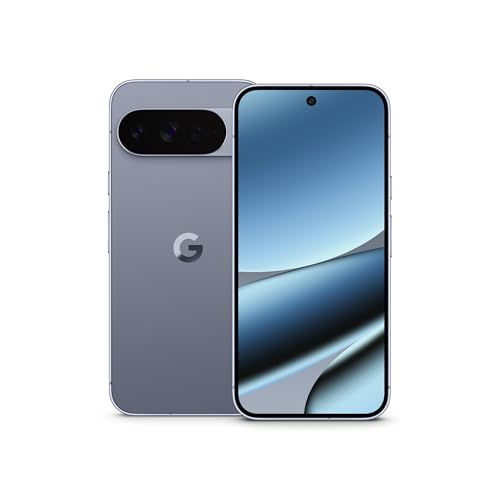
#2. Google Pixel 10 Pro XL
Specifications
| Brand | |
|---|---|
| Display Size | 6.8 in |
| Display Type | LTPO OLED |
| Processor | Tensor G5 |
| Ram | 16 GB |
| Storage | 512 GB |
| Rear Camera | 50 MP |
| Battery Capacity | 5200 mAh |
Pros
- Reliable night shots
- Bright, vividly accurate
- Well-built and sturdy
Cons
- Possible display glitch
- No burst action
The Google Pixel 10 Pro XL stands out in the Gemini AI Smartphones group with dependable real-world camera results, especially after dark. Night shots come out reliably sharp, and daytime photos look bright and vivid without turning everything too warm or too flat. On an LTPO OLED 6.8 in screen, colors stay accurate and the motion feels smooth, which makes it easier to review Gemini-assisted edits and summaries on the spot.
Battery life is solid but not class-leading, so heavy days may need a mid-day top up. The bigger practical trade-off is occasional display glitches, and the camera experience may not fit people who want no-fuss burst action. This is a strong pick for daily creators and Gemini users who prioritize consistent photo quality and a premium screen, and can live with minor quirks.
#3. Google Pixel 9 Pro Fold

Specifications
| Brand | |
|---|---|
| Display Size | 8 in |
| Refresh Rate | 120 Hz |
| Storage | 256 GB |
| Rear Camera | 48 MP |
| Battery Capacity | 4650 mAh |
Pros
- Reliable night shots
- Bright, vividly accurate
- High 120 Hz smoothness
Cons
- Fingerprint convenience issue
- Gemini not fully
The Google Pixel 9 Pro Fold stands out in the Gemini AI Smartphones lineup because it turns AI help into a more flexible, big-screen experience. On the inside, the 8-inch display at up to 120 Hz makes Gemini workflows feel less cramped when you split tasks across apps. Day-to-day, that smooth scrolling and bright, vivid panel help AI-generated text, summaries, and quick edits stay easy to read for longer sessions. Camera performance also supports the AI theme, since night shots land reliably and the main 48 MP camera keeps colors looking natural.
The main trade-off is practical. Fingerprint use can feel less convenient than you would like, which matters on a fold that you open and close often. Gemini also does not feel fully finished yet, so expect moments where you still need to double-check outputs rather than trust them blindly. This fold is best for people who want AI on a larger canvas and do not mind living with a couple of day-to-day annoyances.
#4. Google Pixel 10 Pro

Specifications
| Brand | |
|---|---|
| Display Size | 6.3 in |
| Display Type | LTPO OLED |
| Refresh Rate | 120 Hz |
| Processor | Tensor G5 |
| Ram | 16 GB |
| Storage | 128 GB |
| Rear Camera | 50 MP |
Pros
- Reliable night shots
- High 120 Hz smoothness
- Well-built and sturdy
Cons
- Update-caused battery loop
- Too little built-in storage
- Processed image look
Google Pixel 10 Pro stands out in Gemini AI Smartphones for its camera processing that stays strong in hard lighting, especially at night. The main rear camera output is consistent, with reliable autofocus and steadier stabilization when the scene gets dark. Combined with a 120 Hz LTPO OLED display, daily use feels smooth, which matters when Gemini tools are active while you multitask or switch apps.
The trade-off is not the overall speed. It is battery stability after updates. Some users report an update-caused battery loop, so endurance can vary. Storage is also limited to 128 GB, which can leave less room for AI-generated photos and video. This phone fits best if you want dependable night shots and a fluid screen, and you are comfortable managing storage and watching for update behavior.
#5. Google Pixel 9 Pro

Specifications
| Brand | |
|---|---|
| Display Size | 6.3 in |
| Display Type | LTPO OLED |
| Processor | Tensor G4 |
| Ram | 16 GB |
| Storage | 256 GB |
| Battery Capacity | 4700 mAh |
Pros
- Smooth under pressure
- Reliable night shots
- Flagship-grade chipset
Cons
- SIM detection prompts
- Photo preview mismatch
The Google Pixel 9 Pro stands out in the Gemini AI Smartphones category because it pairs a flagship Tensor G4 chip with dependable daily smoothness. In practice, it stays responsive during multitasking and feels stable under heavier app use, which matters when AI workflows depend on quick back and forth. Camera results also keep pace with that idea, with consistent photos and reliable night shots that do not fall apart when lighting gets tough.
There are a couple of small annoyances to know before you commit. Setup may trigger SIM detection prompts, which can slow first-time setup. Also, some users may notice a photo preview that does not perfectly match the final result, so it helps to trust the finished image. This phone fits best if you want a smooth day-to-day Pixel experience and you plan to lean on Gemini-style help often, not just for occasional tasks.
#6. Google Pixel 9 Pro XL

Specifications
| Brand | |
|---|---|
| Display Size | 6.8 in |
| Display Type | LTPO OLED |
| Refresh Rate | 120 Hz |
| Processor | Tensor G4 |
| Ram | 16 GB |
| Storage | 128 GB |
| Battery Capacity | 5000 mAh |
Pros
- Reliable night shots
- High 120 Hz smoothness
- Big battery capacity
Cons
- Too little built-in storage
- Call handling issues
The Google Pixel 9 Pro XL stands out in the Gemini AI Smartphones lane for its strong camera results, especially at night. In real use, it turns dark scenes into clear, stable photos more often than many peers, and that matters when you are relying on AI tools for editing, summaries, and keeping memories straight. The 6.8 in LTPO OLED screen also helps daily work feel smooth thanks to high 120 Hz motion, which makes reading, scrolling, and quick photo review less tiring.
The main trade-off is storage. With 128 GB built in, you can run out faster if you shoot a lot of videos or keep many offline files for AI features. It can also stumble with call handling, so this is best for people who spend most of their day on messages, video, and camera tasks, and who do not need flawless call reliability.
#7. Google Pixel 10

Specifications
| Brand | |
|---|---|
| Display Size | 6.3 in |
| Display Type | OLED |
| Refresh Rate | 120 Hz |
| Processor | Tensor G5 |
| Ram | 12 GB |
| Storage | 128 GB |
| Rear Camera | 48 MP |
| Battery Capacity | 4970 mAh |
Pros
- Reliable night shots
- High 120 Hz smoothness
- Strong value at price
Cons
- Display freezing
- Touch responsiveness issues
- Battery drain after updates
Google Pixel 10 stands out in Gemini AI Smartphones for how consistently its AI workflows translate into real daily tasks, especially when you want quick help on the go. The phone stays smooth thanks to a 120 Hz OLED display, so voice and on-screen AI responses feel responsive during messaging, search, and editing. Camera results also support those AI moments, with reliable night shots from its 48 MP main rear camera.
The main trade-off is software stability. Users have reported display freezing and touch responsiveness issues, and battery drain after updates can make day-to-day use feel less predictable. If you rely on Gemini AI tools but can tolerate occasional bugs while updates settle in, this is a strong option; if you want zero glitches and rock-solid battery behavior, look elsewhere.
What to Look For
Performance that stays smooth: Gemini tasks can involve heavier app switching and image work. Look for a strong processor, enough RAM, and a phone that does not slow down after 20 to 30 minutes of use.
Camera consistency, not just megapixels: Your Gemini phone should handle everyday lighting well, focus fast, and keep colors natural. Prioritize solid main rear camera output and video stabilization over sheer sensor size.
Battery life for long Gemini sessions: AI use and camera use drain power. Aim for a high capacity battery, and check that real daily use can reach evening without stress, plus charging that refills quickly.
Display smoothness for input accuracy: Gemini editing and reading work feel better on a smooth panel. Choose a higher refresh rate display, and verify the panel type is AMOLED for better contrast and easier outdoor viewing.
Value for your chosen model size: This category includes standard phones, larger XL models, and a foldable. Compare price to the full bundle of chipset, RAM, storage, camera quality, and battery capacity at each size tier.
How We Picked
Products were identified through broad research across review sites and buyer forums, then filtered to only those that qualify as Gemini AI Smartphones.
Scoring used the same objective pillar framework as the main Smartphones post, allowing direct comparison of products within this sub-category.
Frequently Asked Questions
What makes a phone a good choice for Gemini AI features?
Look for strong daily performance, good battery life, and a reliable update track. These factors help the phone run AI features smoothly and keep them responsive. A bright OLED display also makes AI tools easier to use outdoors.
How do the different Gemini AI smartphone models usually differ?
You will mostly see differences in camera strength, screen quality, and battery endurance. Some models focus more on display sharpness and smoother scrolling, while others lean harder into photo quality. Storage and RAM also change how well the phone handles multitasking.
Do I need to do any special setup to get the best Gemini AI results?
Start by signing into your Google account and letting the phone finish system updates. Then turn on relevant permissions, like microphone and location, if you want smarter suggestions. Use Wi Fi at first if you notice extra downloads for AI features.
When should I choose a different type of smartphone instead of Gemini AI smartphones?
Choose another type if you mainly need the longest battery life or the fastest gaming performance above all else. Some users also switch when they want very specific camera hardware or a certain brand ecosystem. If your priority is basic calling and texting, you may get better value elsewhere.
How do Gemini AI smartphones compare to other phones for day to day use?
They usually feel smarter in everyday tasks, like summarizing content and helping with writing. They also tend to stay smooth because software tuning matters as much as raw power. The main tradeoff can be battery endurance or price versus non AI focused models.