In a 512GB smartphone, the main job is simple: you stop managing storage. This size matters if you shoot lots of photos and 4K video, keep offline maps, download heavy apps, and want a buffer for updates. For 512GB buyers, the practical needs are fast performance with big files, reliable camera output, and battery life that does not fall apart once you are using the space you paid for.
Picking one is hard because 512GB is not only about storage. Higher-end models often trade cost for better chips, better cameras, and smoother displays. Foldables can add big storage but may bring higher power use or more software quirks. You also have to check charging speed and how well the phone stays smooth after long sessions.
Use these criteria to match your use case to the right 512GB option, then compare models in our guide for broader context: Looking for all types? See our Best Smartphones.
Quick Overview
Our Top Picks
#1. Samsung Galaxy S24 Ultra

Specifications
| Brand | Samsung |
|---|---|
| Display Size | 6.8 in |
| Display Type | AMOLED |
| Refresh Rate | 120 Hz |
| Processor | Snapdragon 8 Gen 3 for Galaxy |
| Ram | 12 GB |
| Storage | 256 GB |
| Rear Camera | 200 MP |
| Battery Capacity | 5000 mAh |
Pros
- Blazing daily speed
- Reliable night shots
- Fast, dependable charging
Cons
- Low brightness mura
- Scrolling touch quirks
The Samsung Galaxy S24 Ultra stands out in the 512GB Smartphones lane because it pairs flagship-level speed with serious storage headroom. With a fast Snapdragon 8 Gen 3 for Galaxy chip, 12 GB of RAM, and up to 512GB of internal storage, it stays smooth through big app libraries, heavy multitasking, and demanding games. Daily use feels quick, and sustained performance stays dependable rather than turning sluggish after long sessions.
It is also a strong all-day pick if you shoot a lot. The 200MP main camera delivers reliable night photos, and charging is quick and dependable. The trade-offs are small but real: some low brightness mura shows up, and touch scrolling can feel a bit quirky depending on the app. This is best for people who want top-tier performance and storage without constant file management.
#2. Samsung Galaxy S26 Ultra

Specifications
| Brand | Samsung |
|---|---|
| Display Size | 6.89 in |
| Display Type | AMOLED |
| Processor | Qualcomm Snapdragon 8 Elite Gen 5 |
| Ram | 12 GB |
| Storage | 512 GB |
| Rear Camera | 200 MP |
| Battery Capacity | 5000 mAh |
Pros
- Blazing daily speed
- Reliable night shots
- Fast, dependable charging
Cons
- Reduced text clarity
- Sharpness inconsistencies
- Incremental upgrade letdown
The Samsung Galaxy S26 Ultra stands out for 512GB smartphone shoppers who want room for big files without babysitting storage. With 512 GB built in and a fast Snapdragon 8 Elite Gen 5 chip, it stays smooth through heavy app use, multitasking, and demanding games. Daily speed feels quick, and the phone also handles sustained use with less slowdown than many rivals. The camera is a major reason people keep this model, too, since its 200 MP main sensor delivers dependable night shots with solid results more often than not.
The trade-off is not everyone will love every detail. Text can look a bit less crisp than expected, and sharpness can vary between shots. If you shoot lots of daylight scenes or you are very sensitive to fine text rendering, you may notice these small misses. This phone fits best for users who prioritize storage comfort, overall speed, and reliable low light photos, and who can live with minor camera and display precision quirks.
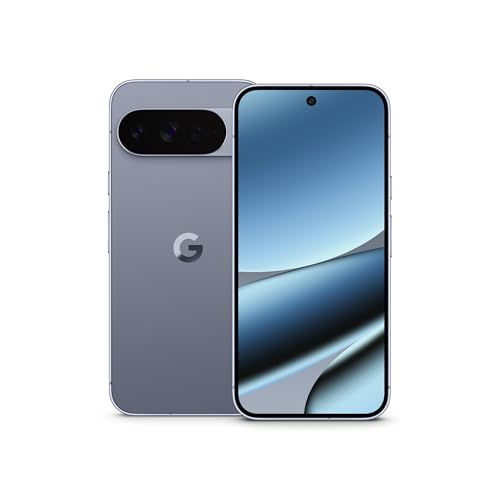
#3. Google Pixel 10 Pro XL
Specifications
| Brand | |
|---|---|
| Display Size | 6.8 in |
| Display Type | LTPO OLED |
| Processor | Tensor G5 |
| Ram | 16 GB |
| Storage | 512 GB |
| Rear Camera | 50 MP |
| Battery Capacity | 5200 mAh |
Pros
- Reliable night shots
- Bright, vividly accurate
- Well-built and sturdy
Cons
- Possible display glitch
- No burst action
With 512GB of storage, the Google Pixel 10 Pro XL fits well in the 512GB Smartphones group that wants room for lots of photos, offline apps, and long trips without cleanup. The phone also stands out for day to day screen quality and camera reliability. The 6.8 in LTPO OLED looks bright and vivid, and it stays smooth during scrolling. In real scenes, the main 50 MP camera turns out consistent shots, including dependable night photos.
The main trade-off is polish in small moments. Some users may notice a possible display glitch, and there is no burst action for rapid photo sequences. Battery life is solid rather than outstanding, so heavy camera days may need more charging planning than some rivals.
#4. OnePlus 15

Specifications
| Brand | OnePlus |
|---|---|
| Display Size | 6.78 in |
| Display Type | AMOLED |
| Refresh Rate | 165 Hz |
| Processor | Snapdragon 8 Elite Gen 5 |
| Ram | 16 GB |
| Storage | 512 GB |
| Rear Camera | 50 MP |
| Battery Capacity | 7300 mAh |
Pros
- Fast, dependable charging
- Reliable night shots
- High 120 Hz smoothness
Cons
- Thermal instability reports
The OnePlus 15 stands out in the 512GB smartphone set because it targets “big storage” users who also want a fast phone that stays smooth. With 512GB built in and a 6.78 in AMOLED panel running up to 165 Hz, daily tasks feel quick, and scrolling looks fluid. Charging is also a clear win, and the large 7300 mAh battery helps it last through long days without drama.
The main trade-off is thermal stability. Some reports point to heat and uneven performance under sustained load, so heavy gaming sessions may not feel perfectly consistent. If you mainly stream, scroll, shoot night photos, and recharge on your schedule, this is a strong fit. If you push long benchmark runs, it is worth paying attention to heat behavior in your typical use.
#5. Samsung Galaxy Z Fold6

Specifications
| Brand | Samsung |
|---|---|
| Display Size | 7.6 in |
| Display Type | AMOLED |
| Refresh Rate | 120 Hz |
| Processor | Snapdragon 8 Gen 3 for Galaxy |
| Ram | 12 GB |
| Storage | 512 GB |
| Rear Camera | 50 MP |
| Battery Capacity | 4400 mAh |
Pros
- High 120 Hz smoothness
- Flagship-grade chipset
- Well-built and sturdy
Cons
- Awkward cover ergonomics
- Limited software novelty
With 512GB of storage, this Galaxy Z Fold6 suits people who keep big files close. That matters because the Fold6 is a do-more device, not just a phone for occasional use. Its 7.6 in AMOLED display with 120 Hz smoothness makes everyday multitasking feel fluid, and the Snapdragon 8 Gen 3 for Galaxy chip keeps apps responsive for work and play. The hinge design also supports a more desktop-like workflow, which pairs well with storing maps, photos, and offline media on the same device.
The main trade-off is ergonomics. The cover can feel awkward in hand, especially if you rely on one-handed use. Software also does not add much that feels new compared to past Fold models, so it is best for buyers who already like Samsung's foldable style and want top-tier speed and a large, smooth screen with generous 512GB storage.
#6. Samsung Galaxy Z Fold7

Specifications
| Brand | Samsung |
|---|---|
| Display Size | 8 in |
| Display Type | AMOLED |
| Refresh Rate | 120 Hz |
| Processor | Snapdragon 8 Elite |
| Ram | 16 GB |
| Storage | 512 GB |
| Rear Camera | 200 MP |
| Battery Capacity | 4400 mAh |
Pros
- Smooth under pressure
- Reliable night shots
- Well-built and sturdy
Cons
- Small battery capacity
- Doesn’t lie flat
- Limited cover zoom
If you want a 512GB phone that feels different day to day, the Samsung Galaxy Z Fold7 stands out. With 512GB of storage and 16GB of RAM, it suits people who keep a lot offline. That includes large media libraries, big app collections, and work files you edit on the go. The Fold7 also handles multitasking smoothly, which matters when storage is not the only priority.
The main trade-off is battery life. Its 4400 mAh cell is smaller than what many slab phones use, so heavy use can run down faster. It also does not lie flat, which can slow down quick desk viewing or hands free reading. Choose it if you want the larger, flexible screen for reading, note taking, and split screen work, and you can live with shorter stretches between charges.
What to Look For
Real performance with a full drive: 512GB is most useful when you actually fill it. Prioritize phones that stay responsive during app switching and long camera runs. Check whether the phone avoids slowdowns during heavy use, not just short benchmark peaks.
Main camera reliability, not just high specs: With 512GB storage, you likely shoot more. Choose a phone that produces consistent detail, good autofocus, and stable video across common lighting. Pay attention to night shots and how steady the video looks when you walk or pan.
Battery that holds up through big file days: More storage often means more recording and syncing. Look for strong daily endurance and fast, dependable charging. The goal is a full day for typical screen time, plus enough headroom for trips, events, and longer photo sessions.
Display smoothness you feel every day: A 512GB phone still lives on its screen. Prefer an OLED or AMOLED panel with a high refresh rate for scrolling and camera preview smoothness. Also check peak brightness and outdoor readability so you can review files without squinting.
Build and software stability for long ownership: If you keep a phone for years, materials and software matter. Choose a model that feels solid, has good button and haptic quality, and runs stable software with a clear update path. For foldables in this size class, also watch for any repeat issues in everyday use.
How We Picked
Products were pulled from wide research across major review sources and buyer forums, then filtered to models that offer 512GB storage as a meaningful option for this sub-category. We focused on phones that real buyers can plan around for storage, not devices where 512GB is only theoretical or hard to secure.
We scored each eligible phone using the same pillar framework as the main Smartphones post: Performance, Camera, Battery, Display, Build, Software, and Value. That lets you compare these top 512GB models directly, based on how they handle daily speed, camera work, power use, and display quality, while also factoring whether the 512GB experience matches the price.
Frequently Asked Questions
Do I really need 512GB storage, or is 256GB enough?
If you store lots of big videos, offline maps, or high-res photos, 512GB helps a lot. Many people also keep games and apps installed for months, not weeks. If you use cloud backups and stream most media, 256GB can work. For most heavy users, 512GB feels safer and stays faster over time because the phone stays less full.
Will 512GB smartphones feel faster than lower-storage models?
Not usually. Speed depends more on the chip, RAM, and software tuning than on the storage size. Many 512GB models still use good internal storage, so they can feel smooth. But a 512GB model only speeds up app loading if the phone also has strong performance parts.
Do 512GB smartphones need special care to keep storage healthy?
You do not need special care just because it has 512GB. Still, keep at least some free space so the phone can manage updates and app caching. Avoid constantly filling the storage to the very top. Use built-in storage tools to find large downloads and delete what you do not need.
When should I choose a different kind of smartphone instead of a 512GB model?
Choose a different type if your top need is size, screen style, or durability rather than storage. For example, foldables can give more screen space, but they often trade cost and complexity for that. If you need the best low-light camera, prioritize camera features over storage size. If you travel often, battery and charging may matter more than 512GB.
How do 512GB smartphones compare to other phones for battery life and charging?
Storage size does not strongly change battery life by itself. Battery life comes from the battery size, display brightness, and processor efficiency. Charging speed matters more than whether you pick 256GB or 512GB. Still, heavy users who keep offline media and apps may drain faster, so 512GB often matches higher everyday usage.