




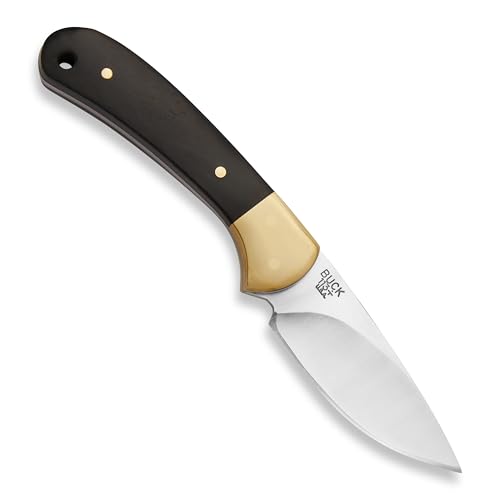
Fixed blade hunting knives are the no-nonsense choice for skinning, field dressing, and close cuts around hide and joints. In this sub-category, buyers want a blade shape that stays efficient when you work slowly and carefully. They also need a handle that stays steady with wet hands and blood on the grip.
Picking one is harder than it looks. The main trade-offs are steel and edge life versus ease of resharpening, and blade geometry versus comfort in detail work. You also have to match the sheath and overall balance to how long you will process meat in one session.
Looking for all types? See our Best Hunting Knives.
Quick Overview
Our Top Picks
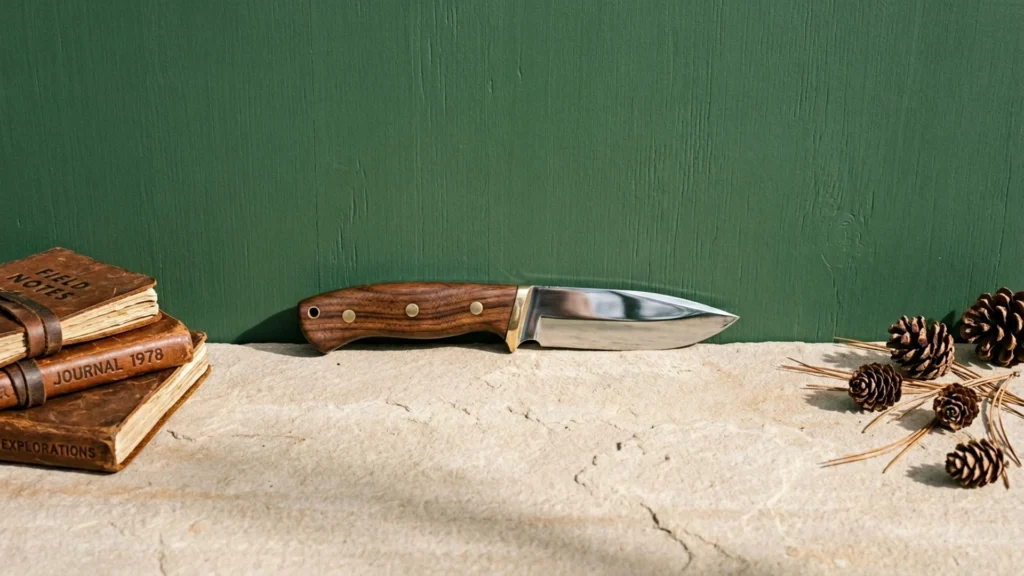
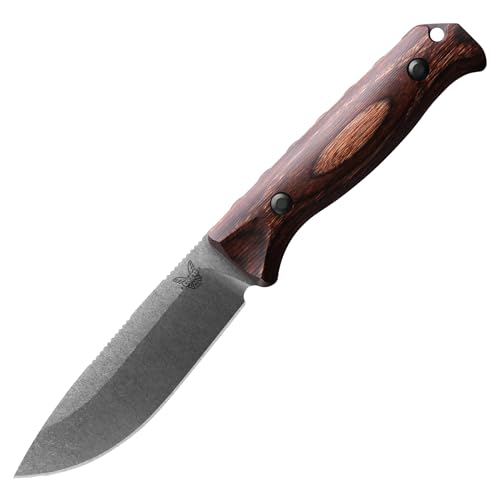
#1. Benchmade Saddle Mountain Hunting Knife
Specifications
| Brand | Benchmade |
|---|---|
| Knife Type | Fixed Blade |
| Blade Length | 4.2 in |
| Overall Length | 8.70 in |
| Blade Material | CPM-S30V Stainless Steel |
| Blade Style | Drop Point |
| Blade Edge | Plain Edge |
| Handle Material | Wood |
| Weight | 4.8 oz |
Pros
- Clean, effortless skinning
- Tight fit and finish
- Balanced for precise control
Cons
- Harder sharpening effort
This Benchmade fixed blade stands out for one reason: it stays controlled during skinning and close-up cutting. A 4.2 in drop point blade and a well-balanced 4.8 oz build make short, precise cuts feel steady. In real field work, it turns hide work into long, clean strokes, then settles back into control for slicing and detailed trimming.
The main trade-off is sharpening. CPM-S30V can be worth it for edge life, but getting it back to a crisp working edge takes more effort than softer steels. If you want a dependable skinning knife for repeated use and you plan to maintain the edge, this is a strong top pick in the fixed blade hunting class.
#2. ESEE Sencillo Hunting Knife

Specifications
| Brand | ESEE |
|---|---|
| Knife Type | Fixed Blade |
| Blade Length | 3.3 in |
| Overall Length | 7.3 in |
| Blade Material | A2 Steel |
| Blade Style | Drop Point |
| Handle Material | Micarta |
| Weight | 3.8 oz |
Pros
- Clean, effortless skinning
- Tight fit and finish
- Balanced for precise control
Cons
- Steel variant uncertainty
- Limited long-use feedback
This fixed blade stands out for how cleanly it handles the messy parts of field dressing. The 3.3 in drop point blade makes skinning feel controlled, with smooth cuts and little drag. A tight fit and balanced feel help when you switch between long pulls and short, precise strokes.
The main trade-off is that you may not get clear, consistent info on the exact A2 steel variant and what that means for edge life. Long use feedback also seems limited compared with models that have been tested for years. This knife fits hunters who want a compact, precise skinning tool and who are willing to learn its sharpening routine.
#3. ESEE Ashley Game Hunting Knife

Specifications
| Brand | ESEE |
|---|---|
| Knife Type | Fixed Blade |
| Blade Length | 3.5 in |
| Overall Length | 8.25 in |
| Blade Material | 1095 Carbon Steel |
| Blade Style | Drop Point |
| Handle Material | Micarta |
| Weight | 5.1 oz |
Pros
- Clean, effortless skinning
- Balanced for precise control
- Tight fit and finish
Cons
- Low-grade/unknown steel
- Limited performance specifics
This ESEE Ashley Game stands out in fixed blade hunting because it stays controllable during close work. At 3.5 in of drop point steel and 5.1 oz, it feels steady for skinning and field dressing, with a blade that glides cleanly through hide. The micarta handle sits solid in the hand, and the fit and finish feel tight enough that you do not think about the knife while you work.
The main trade-off is the blade steel info. 1095 carbon steel can sharpen easily, but the review highlights limited performance specifics, and that makes it harder to predict long edge life in heavy use. This knife fits best for hunters who prioritize careful, clean slicing and are willing to maintain a carbon blade with sensible oiling and light rust prevention.
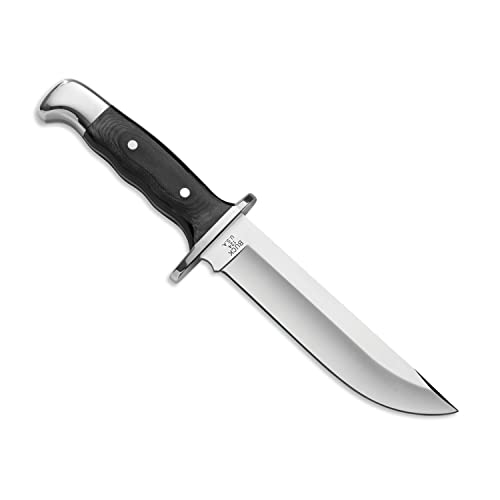
#4. Buck 124 Frontiersman Hunting Knife

Specifications
| Brand | Buck Knives |
|---|---|
| Knife Type | Fixed Blade |
| Blade Length | 6.25 in |
| Overall Length | 11.75 in |
| Blade Material | 420HC Stainless Steel |
| Blade Style | Bowie |
| Handle Material | Micarta |
| Weight | 13.3 oz |
Pros
- Clean, effortless skinning
- Tight fit and finish
- Secure wet/dry grip
Cons
- Too heavy for carry
- Too short for tasks
- Wide for small hands
This Buck 124 Frontiersman stands out for how easily it handles skinning work. In real field dressing use, the blade shape and cutting angle make long draw cuts feel controlled, and it keeps its edge well enough for routine processing. Build quality is another high point, with a tight fit and finish and micarta scales that stay secure when hands are wet or bloody.
The main trade-offs are carry and precision. At 13.3 oz it is heavy for a pack or belt, and the 6.25 in blade can feel short for bigger tasks. The Bowie profile is also a bit wide for smaller hands, so people who prefer a narrower skinner may find it less comfortable for fine, detailed cuts.
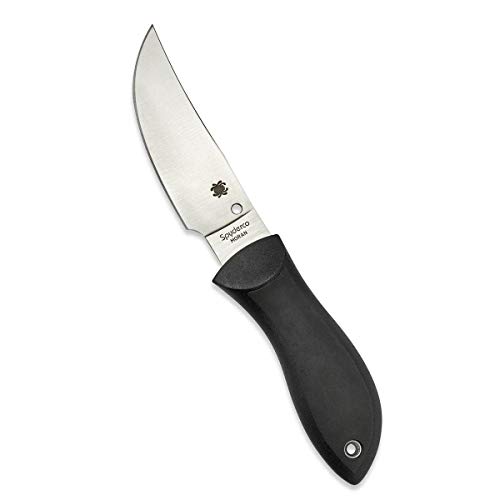
#5. Spyderco Bill Moran Hunting Knife

Specifications
| Brand | Spyderco |
|---|---|
| Knife Type | Fixed Blade |
| Blade Length | 3.9 in |
| Overall Length | 8.1 in |
| Blade Material | VG-10 Stainless Steel |
| Blade Style | Drop Point |
| Blade Edge | Plain Edge |
| Handle Material | FRN |
| Weight | 3 oz |
Pros
- Field-reliable sharpness
- Balanced for precise control
- Tight fit and finish
Cons
- Edge fragility concerns
- Not for batoning
- Chopping leverage limits
This Spyderco Bill Moran is notable in fixed blade hunting knives for its sharpness and precision control. At just 3.9 in long with a drop point profile, it stays nimble for skinning and careful slicing during field dressing. The blade comes field reliable, and its balance helps you guide the tip and belly without fighting the knife. Fit and finish feel tight, so it inspires confidence when you are working close to the carcass.
The main trade-off is edge fragility. It is not a knife you want to lean on for hard chopping or heavy leverage, and batoning is not where it shines. If you do clean, controlled cuts and plan to touch up the edge as needed, this is a strong choice. If your hunting style involves rough force, look for a tougher, more forgiving blade geometry.
#6. White River Small Game Hunter Hunting Knife

Specifications
| Brand | White River |
|---|---|
| Knife Type | Fixed Blade |
| Blade Length | 2.62 in |
| Overall Length | 7.25 in |
| Blade Material | CPM-Magnacut |
| Handle Material | Micarta |
| Weight | 2.7 oz |
Pros
- Clean, effortless skinning
- Fixed blade reliability
- Secure wet/dry grip
Cons
- Detail-point preference
This White River fixed blade stands out for small game work, where clean skinning matters most. At 2.62 in of blade length and just 2.7 oz, it stays nimble for detail cuts. The CPM-Magnacut edge bites cleanly through hide and keeps drag low during precision control. Micarta handle scales also lock in well when hands are wet or bloody, so your grip does not slip mid-task.
The trade-off is a blade that rewards careful technique. If you like hard, point-focused tasks, you may want a more detail-point oriented profile. Still, for field dressing and everyday skinning where control beats brute length, this knife fits the fixed blade hunting routine well.
#7. KA-BAR Becker Campanion Hunting Knife

Specifications
| Brand | KA-BAR |
|---|---|
| Knife Type | Fixed Blade |
| Blade Length | 5.25 in |
| Overall Length | 10.5 in |
| Blade Material | 1095 Cro-Van Stainless Steel |
| Blade Style | Drop Point |
| Handle Material | Ultramid |
| Weight | 14.2 oz |
Pros
- Clean, effortless skinning
- Tight fit and finish
- Balanced for precise control
Cons
- Low-grade/unknown steel
- Too heavy for carry
- Corrosion requires care
What makes this knife stand out among fixed blade hunting knives is its clean, controlled skinning feel. The drop point blade and tight fit and finish help it slice through hide with less drag, then keep you steady for close work like trimming and field dressing. At 5.25 in long, it stays nimble enough for detail without feeling like a toy, and its Ultramid handle shape balances well in hand for careful cuts.
The trade-off is practical: it weighs 14.2 oz, so it is not the best pick for long carry or lighter loadouts. It also needs more attention for rust prevention, and the steel choice is less confidence inspiring than higher end options for edge life. If you want a fixed blade that feels dependable during processing at the workbench or camp, this is a solid fit. If you prioritize easy carry and low maintenance, keep looking.
#8. White River M1 Caper Hunting Knife

Specifications
| Brand | White River |
|---|---|
| Knife Type | Fixed Blade |
| Blade Length | 3 in |
| Overall Length | 7 in |
| Blade Material | CPM-MagnaCut Stainless Steel |
| Blade Style | Drop Point |
| Blade Edge | Plain Edge |
| Handle Material | Micarta |
Pros
- Balanced for precise control
- Clean, effortless skinning
- Tight fit and finish
Cons
- Limited field feedback
- Low review confidence
The White River M1 Caper stands out in fixed blade hunting because it is built for close, careful work. With a 3 in drop point and a plain edge, it feels steady in hand and makes skinning and field dressing look straightforward. Control is a strength, especially when you switch from slicing to short, precise strokes. In practice, it tends to cut cleanly, with minimal drag, and the tight fit and finish help it feel like a finished tool rather than a rough prototype.
The main trade-off is confidence. There is limited field feedback, so it is harder to predict long term edge behavior for heavy use hunters. It is a good choice for buyers who want a compact fixed blade with dependable handling and clean cuts, and who plan on learning a simple sharpening routine for their preferred grit.
#9. Buck 113 Ranger Skinner Hunting Knife

Specifications
| Brand | Buck Knives |
|---|---|
| Knife Type | Fixed Blade |
| Blade Length | 3.1 in |
| Overall Length | 7.3 in |
| Blade Material | 420HC Stainless Steel |
| Blade Style | Skinner |
| Blade Edge | Plain Edge |
| Handle Material | Ebony |
| Weight | 5.2 oz |
Pros
- Clean, effortless skinning
- Tight fit and finish
- Balanced for precise control
Cons
- No blade jimping
For a fixed blade skinner in this category, the Buck 113 Ranger Skinner stands out for its clean, controlled skinning performance. Its 3.1 in plain edge blade and balanced feel help you stay precise during field dressing and slicing cuts, with a tight fit and finish that stays solid under real use. At just 5.2 oz, it does not feel bulky, so you can work longer without fighting the knife.
The main trade-off is the lack of blade jimping, so gloves or wet hands can make fine, one-handed control a bit harder than on skinners with textured thumb support. This is a strong pick if you want a straightforward skinner blade and dependable handling, and you are comfortable using proper grip rather than relying on jimping for indexing.
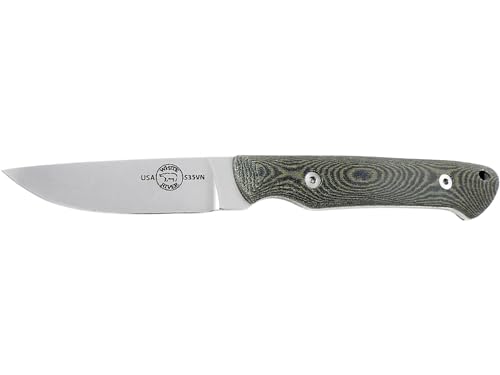
#10. White River Exodus 3 Hunting Knife

Specifications
| Brand | White River |
|---|---|
| Knife Type | Fixed Blade |
| Blade Length | 3 in |
| Overall Length | 7.2 in |
| Blade Material | CPM-S35VN Stainless Steel |
| Blade Style | Drop Point |
| Blade Edge | Plain Edge |
| Handle Material | Micarta |
| Weight | 2.3 oz |
Pros
- Clean, effortless skinning
- Tight fit and finish
- Grippy micarta grip
Cons
- Geometry expectation mismatch
- Niche ferro-rod notch
The White River Exodus 3 stands out for real field skinning work, thanks to its clean, effortless cutting feel paired with a drop point blade built around tight fit and finish. In use, it tracks well for careful cuts and controlled slicing, and the micarta handle stays grippy when your hands are wet or bloody. It is also light enough at 2.3 oz to keep handy all day without turning every task into a chore.
The main trade-off is that the cutting geometry may feel different than what some hunters expect from a very small 3.0 in blade. A niche issue is the ferro rod notch, which is not a universal must-have for everyone. This makes the Exodus 3 a better match for hunters who want a small fixed blade that focuses on skinning and close work, and who are willing to adapt to its specific blade feel.
What to Look For
Cutting performance: Choose a plain edge made for smooth slicing rather than tearing. Look for models known to arrive sharp and to keep a workable edge through repetitive skinning and short draw cuts.
Blade style for task clarity: For hide and general field work, prioritize Drop Point or Skinner profiles. Drop point helps with control on thicker hide. A skinner-style profile can speed up long strokes along the hide, but it must still feel precise for trim cuts.
Blade and overall size you can control: Go smaller when you do a lot of tight work. A shorter blade helps avoid accidental contact and improves tip control. A longer overall length can be fine for leverage, but it should not feel bulky when you pivot at the wrist.
Steel and maintenance reality: If you expect to touch up in the field, pick a steel you can sharpen without special tools. If you hunt often, edge retention matters more. The best fit is the one you will actually maintain during the season.
Handle grip and build quality: Look for a handle material such as G10 or Micarta that stays grippy when wet. Then check the fit between handle and blade, plus corrosion resistance for outdoor storage and cleaning. A stable full-tang or solid construction matters because skinning forces stress the knife during long sessions.
How We Picked
Products were identified through broad research across review sites and buyer forums, then filtered to only those that qualify as Fixed Blade Hunting Knives.
Scoring used the same objective pillar framework as the main Hunting Knives post, allowing direct comparison of products within this sub-category.
Frequently Asked Questions
What blade shape works best for skinning and field dressing?
Most hunters choose a drop point for all around cutting. It gives good tip control and works well for trimming meat and skin. A skinner or curved profile can help with long pull cuts, but it depends on how you dress game.
How should I clean a fixed blade hunting knife after a hunt?
Rinse off blood and debris with clean water as soon as you can. Dry it fully, especially around the handle and any guard or pins. Use a light coat of oil if you store it for more than a few days.
How do I keep a fixed blade edge sharp in the field?
Use a small sharpening tool you can carry, like a pocket stone or a guided field sharpener. Touch up the edge after wet or dirty work. Go slow and use the same angle each time, then test on a scrap hide.
When should I pick a different type of hunting knife instead of a fixed blade?
Choose a different type if you need easier carry in tight spaces, like a small backpack or vehicle use. Fixed blades usually work best for full time tasks at camp. If you mainly need quick cuts and want lighter carry, another format may fit better.
How do fixed blade hunting knives compare to other hunting knives for safety and control?
Fixed blades stay ready and do not rely on a lock or hinge. That helps with one handed stability while you dress game. They also tend to handle heavier tasks without flex, which can improve cut accuracy.


