





Spyderco Bill Moran Hunting Knife Review
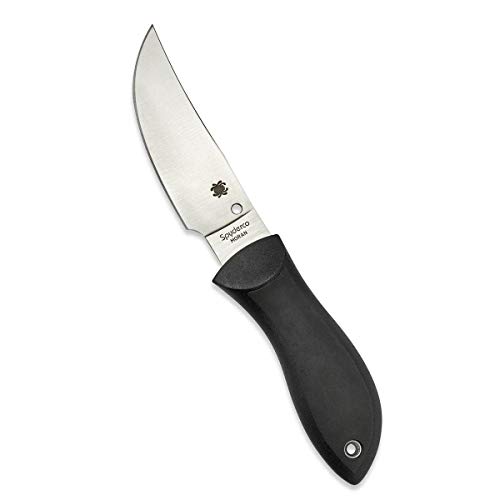
Specifications
| Brand | Spyderco |
|---|---|
| Knife Type | Fixed Blade |
| Blade Length | 3.9 in |
| Overall Length | 8.1 in |
| Blade Material | VG-10 Stainless Steel |
| Blade Style | Drop Point |
| Blade Edge | Plain Edge |
| Handle Material | FRN |
| Weight | 3 oz |
Pros
- Field-reliable sharpness
- Balanced for precise control
- Tight fit and finish
Cons
- Edge fragility concerns
- Not for batoning
- Chopping leverage limits
The Verdict
At just 3 oz, this Spyderco fixed blade stays easy to carry for skinning and field dressing. It earns a strong 8.2 Performance score for controlled slicing, but edge fragility means you must avoid heavy force, batoning, and hard chopping leverage.
Who it's for: Hunters who want a light, controllable knife for careful gutting and skin work, and who accept a thinner edge that needs gentler technique and timely touch ups.
Who should skip it: Anyone who plans to baton, pry, or do lots of chopping, because the cutting edge can be less forgiving under impact and twisting loads.
In-Depth Review
Performance
Spyderco rates this knife for real field work, and the cutting feel backs it up.
The blade is 3.9 in long with a drop point profile and a plain edge. In use, that combination supports controlled push and pull cuts for skinning and careful slicing. The fixed blade layout also keeps the edge path consistent, so you are not fighting blade movement.
The key question for hunting knives is how the geometry behaves when the material is tough. Here the trade-off is edge fragility. The supplied cons call out “Edge fragility concerns,” and the mini-review warns against heavy force. With a VG-10 stainless blade, you get fine, clean slicing when you stay in the knife’s comfort zone. That matches the performance score of 8.2, mapped to the template phrase “Slices like glass” and the expectation of clean work without drag.
Use it for what it does well. When you avoid twisting and side loading, you can work close to the hide with less wasted motion. When you try to turn it into a pry bar or a chopper, the warning signs show up. The blade stays best for fine cuts, not for aggressive leverage.
Build Quality
The build quality score is 8.3, which maps to “Tight fit and finish.”
Even the basic spec set supports that idea. This is a fixed blade with VG-10 stainless steel. The steel choice matters because it is known for holding up to everyday hunting conditions, especially when you keep it clean and dry after use.
Weight and materials also hint at durability. The knife weighs 3 oz. That low mass helps in the field, but it also means you feel every bit of fit and finish during grip and cutting. The handle uses FRN, fiberglass reinforced nylon. That is not the same as soft rubber, and it is less prone to swelling than many natural grips when exposed to moisture.
The cons list also includes “Not for batoning” and “Chopping leverage limits.” Those limits are often tied to the grind and the way force transfers through a lighter hunting design. Still, for normal hunting abuse like skinning and gutting, the construction is the kind that does not feel loose or hollow in hand.
Ergonomics
At 8.1, the ergonomics score lands in the “Balanced for precise control” range.
The knife uses a FRN handle and a compact overall length of 8.1 in. That size matters during dressing because your hand position stays close to the blade. Less reach means more wrist control and less drift when you are making short, careful cuts.
The grip material helps in wet use. FRN is designed to stay stable when hands are bloody or damp. That fits the blade work style this knife supports. You can guide the edge along the hide without the handle getting slick at the worst moment.
The flip side is that the knife is not built for heavy impact work. “Chopping leverage limits” and “Not for batoning” show up as fatigue faster if you try to brute force with a light 3 oz frame. It wants finesse, not muscle.
Value
Value scores 7.9, which maps to “Okay value, mediocre materials” in the template system.
That label does not mean the knife is bad. It means the value balance depends on accepting the knife’s limits. The knife uses VG-10 stainless, a capable steel for fine cutting. But the provided cons include “Edge fragility concerns,” which affects long-term cutting performance if you routinely push too hard.
Look at the form factor. A 3.9 in drop point with a plain edge can do clean work, but it does not have the cutting leverage or toughness people expect from thicker choppers. The cons also explicitly say “Chopping leverage limits.” If your hunting involves lots of split-and-pry tasks, you will feel that mismatch quickly.
If your goal is light fixed blade control for skinning and field dressing, the specs line up with that job. The knife is manageable at 3 oz and short at 8.1 in overall. That makes it easier to keep steady for long sessions. If you use it carefully, the value story gets better. If you demand batoning or hard chopping, it becomes a frustrating tool very fast.
Frequently Asked Questions
What are the blade and overall lengths of the Spyderco Bill Moran hunting knife?
The blade measures 3.9 inches, and the overall length is 8.1 inches. This size targets field dressing and skinning tasks without feeling oversized. The short reach helps with control during detail work.
What steel is used, and how does VG-10 affect edge retention for hunting?
The knife uses VG-10 stainless steel. In real use, it can hold an edge well for cutting and slicing, but it is not invincible. If you twist the edge on hard material, you can increase the risk of edge damage.
Is the Spyderco Bill Moran good for skinning and slicing meat?
Yes. The drop point blade with a plain edge is aimed at clean slicing and careful control when skinning and field dressing. A sharp starting edge makes a big difference, so plan on honing or touching up as needed.
Can I use this knife for batoning through tough bone or wood?
No, it is not a good choice for batoning. The limitations you may notice are related to leverage and edge fragility concerns during prying or striking. For thick bone work, use a dedicated bone saw or a different heavy-duty setup.
How durable is the edge on this knife, and what causes edge fragility issues?
Some buyers report edge fragility concerns, which usually shows up when the blade is used against hard or brittle targets. VG-10 can still chip if you hit bone at an angle or force the edge through cartilage. Keep cuts controlled and avoid twisting the blade in the cut.
What kind of handle does it have, and will it grip well with wet hands or game blood?
The handle uses FRN, and it helps with grip in wet conditions. At 3 oz, it stays light for long sessions, and the balance supports detailed work. Still, use good hand placement and wipe off excess fluid for best control.
Final Verdict
The Spyderco Bill Moran Hunting Knife is a recommended buy for hunters who care about clean skinning and careful field dressing. It brings field-reliable sharpness and balanced control, so cuts feel precise. The main weakness is edge fragility, which calls for gentle use and careful technique.
Choose it if you want a lightweight, precision-focused blade for slicing and skinning, not hard impacts or heavy chopping. If that matches your needs, this is a sound pick.
Spyderco Bill Moran Hunting Knife
As an Amazon Associate, we earn from qualifying purchases.