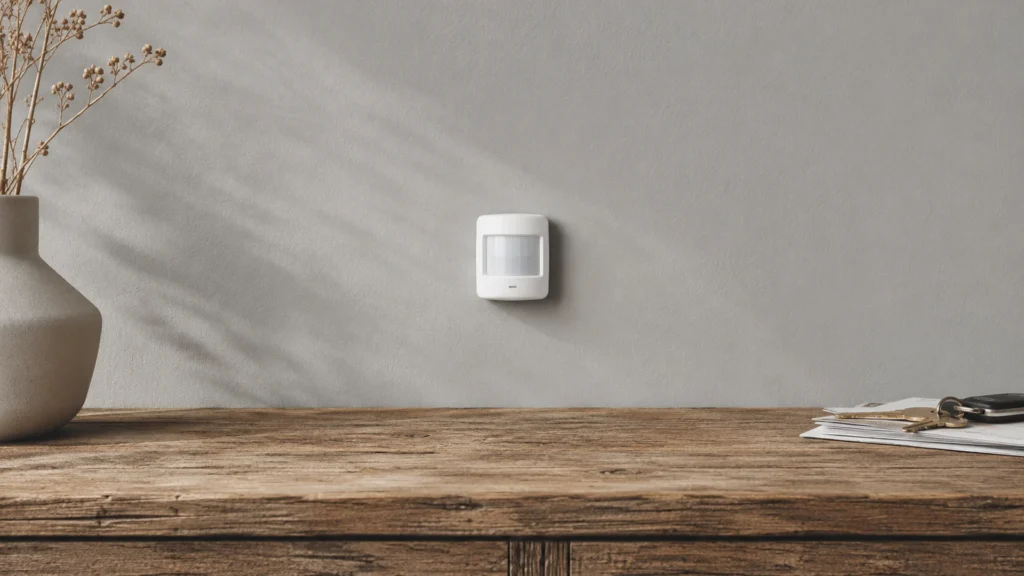
Motion sensors watch for movement and trigger an action, like turning on lights or sending a home alert. In practice, they live on entry doors, hallways, garages, and driveways, where they need to notice people without chasing every moving leaf.
Picking one is harder than it sounds. Sensing technology can be better for large motion than small motion. Stated range and angle often assume ideal mounting height and clear lines of sight. Power type matters too, because battery units trade convenience for maintenance. Then there are features like pet immunity, timers, and app control that vary in real-world usefulness and reliability.
This buying guide breaks down what separates dependable sensors from frustrating ones. You will learn what specs to trust, which features actually help, and how to match each sensor to indoor or outdoor use and your existing smart home system.
Quick Overview
Top Picks
Best Overall

Specifications
| Brand | Aqara |
|---|---|
| Sensing Technology | mmWave |
| Detection Range | 20 ft |
| Detection Angle | 120 deg |
| Power Source | Battery |
| Connectivity | Thread, Zigbee, Matter |
| Mounting Type | Wall |
Pros
- Consistent triggers, low false alarms
- Smart automation works flawlessly
- Wide coverage, quick
Cons
- Battery-powered maintenance
This presence sensor fits the Best Overall spot because it uses mmWave sensing for fast, dependable detection. In real rooms, that means it reacts quickly when someone enters or moves, instead of waiting for slower changes. It also aims for wide coverage with a 120-deg field of view and up to 20 ft range.
In daily use, it stands out for consistent triggers and low false alarms. Automations also tend to work smoothly, so lighting and occupancy rules stay stable. Setup is straightforward too, and the control options like sensitivity and timing help you tune it for how your space is used.
The main trade-off is battery-powered maintenance. You will have to monitor power and replace batteries as needed. If you want reliable, low-fuss presence detection for smart-home automation and you can handle periodic battery changes, this is the one to get.
Also ranked #1 in: Zigbee Motion Sensors
Best Outdoor

Specifications
| Brand | Eve |
|---|---|
| Detection Range | 9 m |
| Detection Angle | 120 deg |
| Power Source | Battery |
| Connectivity | Thread, Matter |
| Use Location | Indoor/Outdoor |
| Operating Temperature | 0 to 130 °F |
Pros
- Consistent triggers, low false alarms
- Wide coverage, quick
- Useful sensitivity and timers
Cons
- Battery-powered maintenance
- Thread onboarding friction
- Occasional reset cycles
This sensor fits the Best Outdoor role thanks to its strong outdoor-ready motion performance, paired with Thread and Matter support for a stable smart home setup. With a 9 m detection range and a 120 deg field of view, it is well suited for guarding driveways, porches, and outdoor paths where people cross at different angles.
In daily use, it tends to trigger consistently, with low false alarms and quick response times. Coverage feels broad, and the on-device controls let you tune sensitivity and the motion timer so short passes do not keep lights cycling. It also works smoothly with an existing Thread or Matter setup, which helps reduce the hassle of adding it to a larger system.
The main trade-off is battery upkeep, which means you will manage maintenance over time. Setup can also be a bit fiddly with Thread onboarding, and some users report occasional reset cycles. If you want reliable outdoor motion detection with good tuning controls and modern smart home connectivity, this is a solid choice. If battery-free operation matters most to you, look elsewhere.
Also ranked #1 in: Hub Required Motion Sensors
Best with Matter

Specifications
| Brand | Aqara |
|---|---|
| Sensing Technology | PIR |
| Detection Range | 23 ft |
| Detection Angle | 170 deg |
| Power Source | Battery |
| Connectivity | Thread, Matter |
Pros
- Consistent triggers, low false alarms
- Wide coverage, quick
- Quick mounting and pairing
Cons
- Short detection range
- Battery-powered maintenance
This Aqara motion and light sensor is a strong fit for the Best with Matter slot because it works on both Thread and Matter. That makes it easier to add to a modern smart home without relying only on a single app. If you want motion alerts and lighting automations that stay responsive, the Matter setup is a big plus.
In day to day use, it delivers consistent triggers with low false alarms. Coverage is also solid, with a 170 deg detection angle and a stated 23 ft range. Pairing and mounting are quick, and the setup feels straightforward. The sensor also supports motion plus ambient light sensing, which helps with automations that change based on room brightness.
The main drawback is its short detection range, so it may miss movement farther out. It is also battery powered, so you will need to plan for periodic maintenance. If you want reliable Matter support with good motion and light sensing in smaller spaces, this is a good pick.
Best Value
Specifications
| Brand | Aqara |
|---|---|
| Detection Range | 4 to 7 ft |
| Detection Angle | 150 to 170 deg |
| Power Source | Battery |
| Connectivity | Zigbee |
| Mounting Type | Wall |
| Operating Temperature | 14 to 131 °F |
Pros
- Consistent triggers, low false alarms
- Wide coverage, quick
- Useful sensitivity and timers
Cons
- Dark-object miss-detection
- Battery-powered maintenance
- Hub-dependent integration
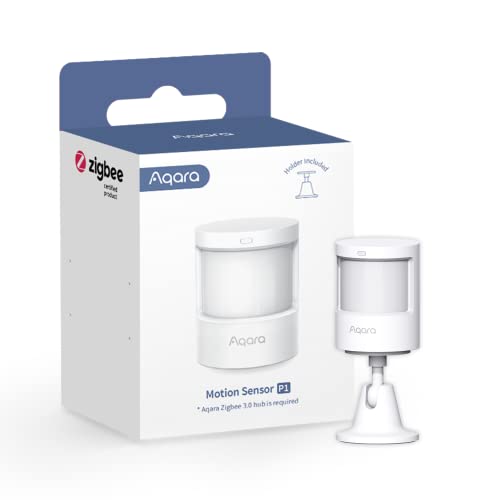
This Aqara Zigbee 3.0 Motion Sensor P1 fits the Best Value role for one simple reason, it keeps motion alerts reliable while staying simple to run. Its Zigbee setup works well with hub-based smart homes, and its detection pattern feels consistent in day-to-day use.
In real rooms, it triggers quickly and tends to avoid false alarms. The coverage is wide, roughly 150 to 170 degrees at 4 to 7 ft, which helps when you want one sensor to watch a hallway or open area. It also includes practical controls like adjustable sensitivity and a timer, so you can tune when alerts fire.
The main downside is that dark surfaces can cause missed detection, and you will need to manage battery-powered upkeep. If you want dependable motion alerts with easy tuning, and you already use a Zigbee hub, this is a strong pick. If you need flawless performance in low light or you prefer hardwired power, look elsewhere.
Best for Alarm Systems

Specifications
| Brand | Yale |
|---|---|
| Sensing Technology | PIR |
| Detection Angle | 110 deg |
| Power Source | Battery |
| Use Location | Outdoor |
Pros
- Consistent triggers, low false alarms
- Wide coverage, quick
- Quick mounting and pairing
Cons
- Battery-powered maintenance
- App alert friction
- Initial setup hiccup
This motion sensor is a strong fit for alarm systems because it aims for fast, dependable triggers with few false alarms. Using PIR sensing and a 110-degree detection angle, it is built for the kind of quick detection that keeps alerts meaningful.
In everyday use, it delivers consistent triggers with wide coverage and quick response, which matters when a zone arms and you do not want missed movement. Setup is also straightforward, with quick mounting and pairing that gets you from box to alert without a long learning curve. The housing feels solid enough for regular use, and the 3-pack format helps you cover more entry points.
The main trade-off is battery-powered maintenance, so you will manage replacements and check-ins. Some people also notice app alert friction during setup, plus an initial setup hiccup at first pairing. If you want an alarm-focused motion sensor that triggers reliably and mounts quickly, this is a good choice for home security zones where false alerts are a concern.
Best with Hue Bridge

Specifications
| Brand | Philips Hue |
|---|---|
| Sensing Technology | PIR |
| Detection Angle | 100 deg |
| Power Source | Battery |
| Connectivity | Matter |
| Mounting Type | Wall |
| Use Location | Outdoor |
Pros
- Consistent triggers, low false alarms
- Quick mounting and pairing
- Price matches the performance
Cons
- Occasional stuck-on lights
- Firmware update delays
- Careful placement required
This Philips Hue motion sensor is a strong fit for a Hue Bridge setup because it works in the Hue ecosystem for motion-triggered lighting automations. It uses PIR motion detection and pairs quickly when you add it to your Hue system.
In daily use, it tends to trigger reliably with low false alarms. Setup is also straightforward, with fast mounting and pairing, plus practical controls in the Hue app like motion timer and sensitivity tuning. The build feels solid for the job, and it is well suited to outdoor placement where you need dependable room or entry detection.
The main downside is that it can sometimes get stuck on after a trigger, usually after odd motion patterns or edge-case conditions. Firmware updates can also take longer than you would expect, and you may need careful placement to avoid misses. If you want dependable Hue automations and you already have a Hue Bridge, this is an easy motion sensor to choose. If you want perfect, hands-off behavior in every situation, look elsewhere.
Best Long Range

Specifications
| Brand | Bosch |
|---|---|
| Sensing Technology | PIR |
| Detection Range | 40 ft |
| Detection Angle | 94 deg |
| Mounting Type | Wall |
| Operating Temperature | -20 to 130 °F |
Pros
- Wide coverage, quick
- Quick mounting and pairing
- Price matches the performance
Cons
- False alarm reports
- Setup sensitivity
- Basic single-tech sensing
This PIR motion sensor fits the Best Long Range slot thanks to its 40 ft detection range and 94 deg field of view. It covers a larger area than typical compact PIR units, so it works well when the sensor is mounted to see down a hallway or across an open entry zone.
In real use, it tends to trigger fast and reliably within its set range. Installation is straightforward, with quick mounting and pairing that gets you up and running sooner. The sensitivity setup also lets you tune it for your space, which helps balance detection against nuisance triggers.
The main downside is reports of false alarms, especially when sensitivity is not dialed in. It is also a basic single-tech PIR design, so it may not be as good at filtering every tricky situation as dual-tech options. If you want long reach, simple setup, and you can spend a little time fine-tuning sensitivity, this is a solid pick for outdoor-facing entries, garages, or wide indoor paths.
Best Continuous Power

Specifications
| Brand | LEONLITE |
|---|---|
| Detection Range | 59 ft |
| Detection Angle | 180 deg |
| Power Source | AC |
| Use Location | Outdoor |
Pros
- Reliable continuous power
- Works indoors and outdoors
- Quick mounting and pairing
Cons
- Unwanted trigger risk
- Limited long-term evidence
This LEONLITE model fits the Best Continuous Power slot because it uses AC power. That means the lights do not rely on battery life for day-to-day motion coverage. It is also set for outdoor use, so you can place it where you want the lights to stay on-call.
In real use, the key strengths are its reliable continuous power and quick setup. Installation is straightforward, with fast mounting and pairing so you can get to testing sooner. Coverage is broad, rated at 180 deg and up to 59 ft, which helps it handle corners and long drive paths better than many shorter-range sensors. Adjustable sensitivity and a built-in timer make it easier to tune how often the lights turn on.
The main trade-off is the risk of unwanted triggers. Any motion sensor can react to moving trees, traffic, or pets, so expect some tuning time. Long-term proof is also limited, since there is not much history to judge consistency over years. If you want a dependable, wired-style motion light setup for outdoor areas and you are willing to fine-tune it to cut false alarms, this is a solid pick.
Best with Z-Wave

Specifications
| Brand | Ecolink |
|---|---|
| Sensing Technology | PIR |
| Detection Range | 30 ft |
| Detection Angle | 45 deg |
| Power Source | Battery |
| Connectivity | Z-Wave |
| Mounting Type | Wall |
Pros
- Useful sensitivity and timers
- Price matches the performance
- Tight fit and durable feel
Cons
- Pairing workflow quirks
- Fast battery drain reports
This Z-Wave motion sensor fits the Best with Z-Wave slot because it plugs right into a Z-Wave smart home and sticks to the basics well. It uses PIR for motion detection, with a 30 ft range and a 45 deg field of view.
In day-to-day use, the detection and response feel solid, and the setup is straightforward once you get past pairing. It stands out for practical tweaks like adjustable sensitivity and built-in timers, so you can fine-tune when it reports motion. The sensor also feels durable, with a tight fit and a sturdy build for regular wall mounting.
The main drawback is the pairing workflow quirks, plus some reports of fast battery drain. If you run a Z-Wave network and want a reliable PIR motion sensor with sensitivity and timer control, this is a strong choice, especially for indoor hallways and rooms where you can place it at a good height.
What to Look For
Performance: Look for a wide detection angle and enough detection range for your path, not just the longest possible distance. Pay attention to trigger speed and sensitivity controls so you can reduce missed detections while avoiding false alarms.
Reliability: Choose sensors that stay consistent over time, especially if you plan to use them outdoors or near temperature swings. Watch for patterns in reviews like frequent re-pairing, repeated false alerts, or sensors that go quiet after a few months.
Installation: Confirm the mounting type fits your plan, such as wall or ceiling. Check how the sensor is powered, and whether setup is straightforward for your hub or app. A good unit makes placement and adjustments easy, without needing extra tools or guesswork.
Features: Prioritize practical controls. Adjustable sensitivity and a motion timeout timer help tune behavior. If you have pets or lots of background movement, look for pet immunity or behavior modes that match your situation, and verify they work reliably in user feedback.
Build: If you need outdoor use, check for weather resistance and a solid housing. Also consider how the connector and mounting hardware feel, because sensors take knocks from daily life and outdoor exposure.
Value: Compare what you get against the typical price for this category. A slightly higher cost makes sense when it delivers better detection consistency, easier setup, or useful controls you will actually use. Avoid paying for connectivity or features you will not use.
How We Selected These Products
Products were discovered through broad web searches across review sites, buyer forums, and best-of lists. I then cross-checked the candidates by reading a large volume of customer reviews to learn which problems buyers actually reported, like false triggers, missed motion, setup issues, and battery or connectivity annoyances.
Availability and core specifications were verified against Amazon listings. Each sensor was scored using an objective framework across the pillar names in this guide, including Performance, Reliability, Installation, Features, Build, and Value. Final selections emphasized sensors that fit distinct roles, like outdoor placement, longer range coverage, or specific smart home ecosystems, not just the highest overall score.
Frequently Asked Questions
Which motion sensor is best for smart home automations that need near-instant response?
Pick a presence-style sensor or one designed for local, fast triggering. Aqara FP300 Presence Motion Sensor stands out for quick presence detection and stable automations when people stay still. If you want fast local response with Apple Home, Eve Motion 3-Pack Motion Sensor also focuses on low-latency triggering.
What is the biggest difference between motion sensor prices in this category?
Higher prices usually buy better sensing, faster triggers, and stronger smart home integration. Budget sensors can work well, but you often see more placement sensitivity and fewer tuning options. Premium picks also tend to add useful extras like light sensing or better ecosystem support.
Do I need to hardwire a motion sensor for it to work well outdoors?
No, many good outdoor options run on batteries, especially for wall mounting. Eve Motion 3-Pack Motion Sensor is designed for indoor and outdoor use. If you want to avoid battery changes, consider a continuous power option like LEONLITE Motion Sensor Security Lights.
Why do some motion sensors miss events or feel inconsistent?
PIR sensors can miss motion if the placement angle and mounting height are off. Many also struggle with small movements or dark targets. Network and hub settings can also affect smart sensors, even when the motion detection hardware works.
Is a higher price always better for motion sensors?
Not always. Some cheaper sensors deliver fast detection and good coverage, especially in the right setup. You should expect tradeoffs, like less tuning control, more placement sensitivity, or fewer smart features as prices drop.
Why do motion sensors often score lower on reliability in real homes?
Many sensors depend on wireless signals, hub settings, and the device placement. Battery-powered models can also behave differently as battery levels drop. In reviews, some sensors show occasional false triggers or delayed automations, which hurts day-to-day trust.