




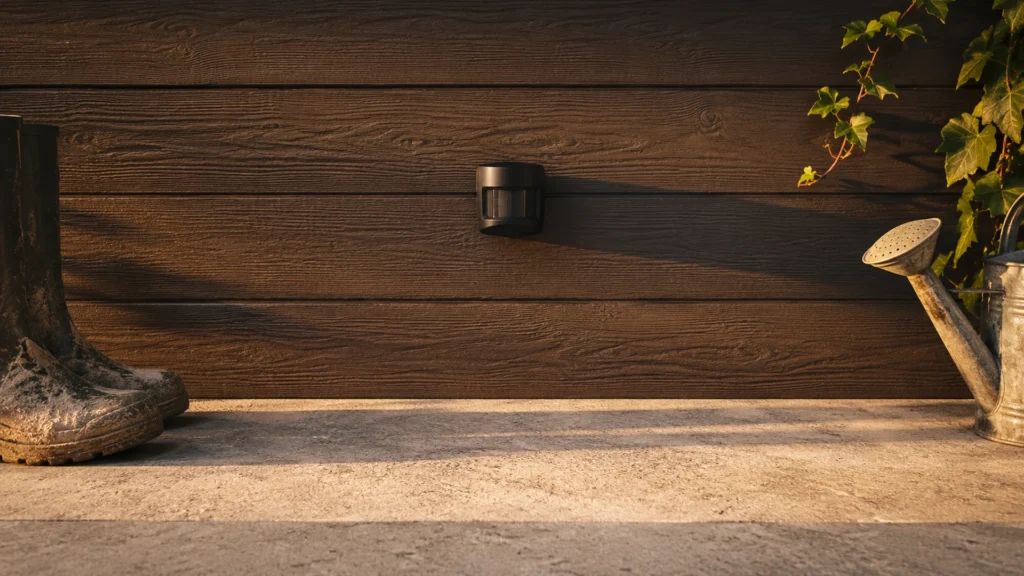
Outdoor motion sensors detect movement around porches, driveways, and entryways to control lights, alarms, or smart alerts. In this sub-category, buyers need sensors that handle changing daylight, wind-blown foliage, and real-world movement distances.
Picking one is harder than it sounds because performance depends on motion type and placement. A sensor can cover a wide area but still miss small steps. Others trigger often, which leads to false alerts and wasted battery or nuisance light control.
Use the criteria below to match the sensor to your outdoor layout and expectations, then compare the top picks in this guide against your install limits and power choice. Looking for all types? See our Best Motion Sensors.
Quick Overview
Our Top Picks
#1. Eve Motion 3-Pack Motion Sensor

Specifications
| Brand | Eve |
|---|---|
| Detection Range | 9 m |
| Detection Angle | 120 deg |
| Power Source | Battery |
| Connectivity | Thread, Matter |
| Use Location | Indoor/Outdoor |
| Operating Temperature | 0 to 130 °F |
Pros
- Consistent triggers, low false alarms
- Wide coverage, quick
- Useful sensitivity and timers
Cons
- Battery-powered maintenance
- Thread onboarding friction
- Occasional reset cycles
This is a top choice for Outdoor Motion Sensors because it keeps motion detection steady where many sensors struggle. Across its 9 m range and 120 deg angle, it tends to trigger quickly and with few false alarms. It also works in an indoor/outdoor setup, which makes it easier to use the same system for entryways, driveways, and patio paths.
The main trade-off is battery upkeep. You will also feel some friction during setup if you already use Thread and Matter, since onboarding can take a few extra steps. In practice, occasional reset cycles show up now and then, but the day to day response remains consistent for most outdoor routines.
#2. Yale Sync 3-Pack Motion Sensor

Specifications
| Brand | Yale |
|---|---|
| Sensing Technology | PIR |
| Detection Angle | 110 deg |
| Power Source | Battery |
| Use Location | Outdoor |
Pros
- Consistent triggers, low false alarms
- Wide coverage, quick
- Quick mounting and pairing
Cons
- Battery-powered maintenance
- App alert friction
- Initial setup hiccup
The Yale Sync 3-Pack stands out for outdoor use because it tends to trigger when it should, with low false alarms. In real yard and walkway setups, the PIR motion sensing and wide 110 deg coverage help it catch movement quickly, especially when people move across its view rather than only a small amount. With three sensors in one set, you can cover the front door, driveway, and a side path without trying to guess where motion will fall.
The main trade-off is maintenance. These sensors run on batteries, so you will need to plan for periodic changes. Setup can also feel a little rocky at first, and app alerts can be slightly annoying if you are sensitive to notification delays. This kit fits best for people who want dependable detection outdoors and are willing to manage batteries and fine-tune settings during the initial setup.
#3. Philips Hue Outdoor Motion Sensor

Specifications
| Brand | Philips Hue |
|---|---|
| Detection Range | 12 to 39 ft |
| Detection Angle | 160 deg |
| Power Source | Battery |
| Connectivity | Matter |
| Mounting Type | Wall |
| Use Location | Outdoor |
| Operating Temperature | -4 to 122 °F |
Pros
- Consistent triggers, low false alarms
- Useful sensitivity and timers
- Quick mounting and pairing
Cons
- Battery-powered maintenance
- Weatherproofing enclosure needed
Philips Hue Outdoor Motion Sensor stands out because it is part of the Hue ecosystem and connects with Matter, which helps it fit smoothly into existing smart-home setups. In outdoor use, it covers a wide 160 deg field of view with a 12 to 39 ft range, and it tends to trigger consistently with few false alarms. It also includes practical controls like sensitivity and a motion timer, so you can dial in how long lights stay on after someone passes.
The main trade-off is power. It runs on a battery, so outdoor placement means occasional maintenance. Also, the outdoor enclosure needs weather protection based on setup needs, so plan placement carefully to keep the sensor shielded from rain and direct exposure. This is a good pick for Hue users who want reliable outdoor detection and convenient app based automation, and who do not mind battery upkeep.
#4. Ring Motion Detector Motion Sensor

Specifications
| Brand | Ring |
|---|---|
| Detection Range | 9.1 m range |
| Detection Angle | 90 deg |
| Mounting Type | Wall |
| Use Location | Indoor/Outdoor |
Pros
- Quick mounting and pairing
- Useful sensitivity and timers
- Works indoors and outdoors
Cons
- Generally responsive, sometimes misses
- Video processing errors
Ring Motion Detector Motion Sensor stands out for outdoor-focused setups that still need simple placement and fast start-up. It supports indoor and outdoor use, mounts on a wall, and uses a 9.1 m, 90 deg detection view to cover a typical entryway or porch run. Setup is quick, and the app pairing process is straightforward, which helps when you are installing multiple sensors around a property.
The main trade-off is that it can miss some motion at the edges or during small movements, so you may need to tweak sensitivity and test the spot before you rely on it. There are also occasional video processing errors reported, which can be frustrating if your goal is camera-triggering. This is a solid pick for homeowners who want quick installation and adjustable settings, and who are willing to do a little dialing-in for reliable outdoor alerts.
#5. Sengled Zigbee Motion Sensor

Specifications
| Brand | Sengled |
|---|---|
| Detection Range | 30 ft |
| Detection Angle | 120 deg |
| Connectivity | Zigbee |
| Use Location | Outdoor |
Pros
- Broad protocol support
- Works indoors and outdoors
Cons
- Occasional nuisance activations
- Generally responsive, sometimes misses
- Okay build, flimsy plastics
For outdoor monitoring, this Sengled Zigbee motion sensor stands out mainly because it uses the Zigbee smart home network. That matters when you want sensors around your yard and not a Wi-Fi hotspot at every post. It is rated for outdoor use and uses a 120 deg viewing angle with up to a 30 ft detection range, which is enough for common driveway and walkway layouts.
The main trade-off is behavior in real conditions. Users report occasional nuisance activations, and the sensor can miss motion sometimes, especially at the edges. It also feels only okay in build quality, with plastics that seem a bit flimsy for frequent exterior exposure. If you set it up carefully and are willing to adjust placement and sensitivity, it can work well. If you need near-zero false alerts, you may want a different model in this category.
What to Look For
Outdoor detection performance: Confirm the detection range and field of view are realistic for your setup. Place the sensor where it sees the path of a person, not the ground near plants. If a sensor claims long range, still expect weaker performance at the edge for slow, small motions.
Reliability in outdoor conditions: Choose sensors known for consistent triggering over time. Outdoor use often exposes units to heat swings, rain, and repeated day-night cycles. Look for reviews that mention stable operation and fewer false triggers after months of use.
Easy placement and setup: Prioritize models that mount cleanly and adjust quickly. Outdoor sensors need good aiming once, then stable behavior. If the setup requires extra tools, confusing pairing steps, or tight wiring, factor that into your install plan.
Motion sensing type that fits your traffic: Match sensing approach to how people move. If you want dependable detection across different motion patterns, dual technology tends to handle more situations than motion-only approaches. For light outdoor coverage, narrower sensing can still work well if you aim at the doorway or walkway.
Power choice for exterior placement: Outdoor sensors run on either battery or hardwired power. Battery models may require periodic changes, while hardwired units remove that maintenance but need nearby wiring. Pick the power type that matches your outlet or wiring access before you judge range or features.
How We Picked
Products were identified through broad research across review sites and buyer forums, then filtered to only those that qualify as Outdoor Motion Sensors. The final shortlist favors sensors designed for exterior use, or commonly installed outdoors for porches, paths, and entry points.
Scoring used the same objective pillar framework as the main Motion Sensors post, allowing direct comparison of products within this sub-category. Performance and reliability weighed the most, then installation and features, followed by build quality and value for the typical outdoor buyer.
Frequently Asked Questions
What mounting height works best for outdoor motion sensors?
Most outdoor sensors work best when mounted about 6 to 8 ft high. This helps cover walkways and keeps the sensor from pointing too close to the ground. Follow the product guidance for range and angle, then test at night.
Do outdoor motion sensors work in rain, snow, and hot weather?
They should if they are rated for outdoor use. Look for an outdoor rating and an operating temperature range that matches your area. Even then, wipe the sensor lens and keep it free of spider webs and dust.
Why do outdoor motion sensors sometimes trigger at the wrong times?
False alerts often happen due to insects, moving plants, or reflections from car headlights. Many sensors let you adjust sensitivity and timing, which can reduce unwanted triggers. Place the sensor away from direct sunlight and avoid aiming at bushes or flags.
What is the key difference between PIR and dual technology outdoor motion sensors?
PIR sensors detect heat movement and are great for body motion like people and pets. Dual technology adds another sensing method, which can improve coverage and reduce missed motion. It can also help when motion is light or partially blocked.
When should I choose an indoor motion sensor instead of an outdoor one?
Choose an indoor sensor if the area stays dry and temperature stable. Indoor models often lack weather sealing and can fail faster outside. If you need exterior coverage, use an outdoor rated sensor designed for harsh conditions.
How do outdoor motion sensors differ from standard motion sensors for overall performance?
Outdoor models focus on weather resistance and more consistent triggering outdoors. They are also built to handle temperature swings and longer exposure to sun and moisture. Standard motion sensors can work outside briefly, but they usually do not last or perform as reliably.


