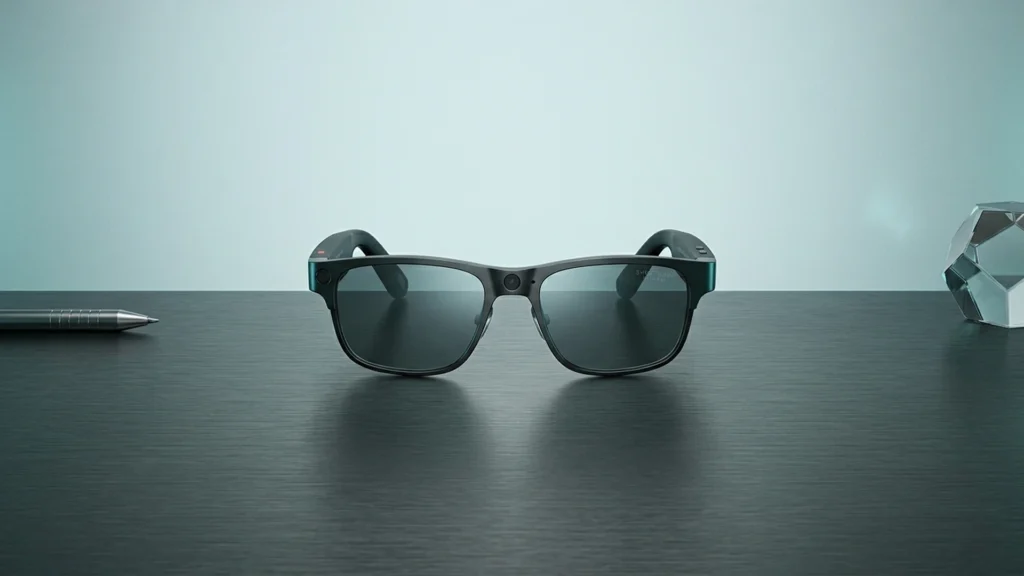
Camera Smart Glasses add a forward-facing camera to smart eyewear. Buyers in this sub-category need footage that stays stable in motion, plus controls that make it easy to start capture, tag events, and get AI help hands-free.
Picking the right pair is harder than it looks. Camera quality and processing speed trade off with battery life. Comfort also matters because you wear the glasses while recording. Add software reliability to the mix, and you get more failures from app flow, latency, and voice accuracy than from hardware alone.
To match the camera features to your daily use, compare the camera performance you actually need, then check comfort and battery for repeat use. Looking for all types? See our Best Smart Glasses.
Quick Overview
Our Top Picks
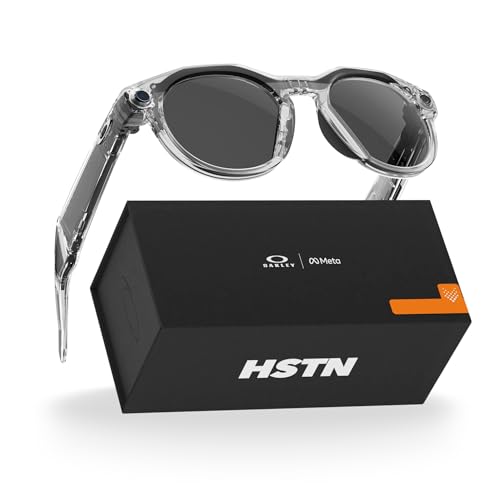
#1. Meta HSTN Smart Glasses
Specifications
| Brand | Meta |
|---|---|
| Form Factor | Smart Glasses |
| Display Technology | LCOS |
| Display Resolution | 2880 x 1620 px |
| Camera Resolution | 12 MP |
| Connectivity | Bluetooth |
| Battery Life | 8 hr |
Pros
- Reliable voice & translation
- Fast recharge, low drain
- Crisp image clarity
Cons
- Default 1080p recording
- Poor battery repairability
- Prescription mismatch
For camera smart glasses shoppers, the Meta HSTN Smart Glasses stand out for how consistently the glasses handle voice and translation while you record. The 12 MP camera can capture clear scenes, and the display stays readable enough for quick checks on what you are filming. In daily use, voice control and translation feel dependable, with fast response and low lag, which matters when you are filming on the move.
The main trade-off is recording quality and repairability. By default, the camera records at 1080p, so you do not get higher resolution capture unless you adjust settings. Battery life is solid for a workday, but battery repair options look limited. Also note that prescription fit can be a problem, so check compatibility before relying on them long term.
#2. Meta Ray-Ban Meta Smart Glasses

Specifications
| Brand | Meta |
|---|---|
| Form Factor | Smart Glasses |
| Display Resolution | 600 x 600 px |
| Camera Resolution | 12 MP |
| Connectivity | Bluetooth |
| Battery Life | 8 hr |
| Weight | 1.6 oz |
Pros
- Worth it for daily use
- Lightweight and stable
- Easy capture controls
Cons
- Inconsistent runtime
- Limited water resistance
- Value skepticism
Meta Ray-Ban Meta Smart Glasses stand out for the Camera Smart Glasses use case because they make quick capture feel simple. The 12 MP camera and easy capture controls are aimed at hands-free moments, like getting a photo during a walk or saving a quick clip without taking out your phone. Comfort also helps this workday style. At 1.6 oz and with a stable fit, you can wear them for longer sessions and still keep the camera ready when you need it.
The main trade-off is reliability. Runtime can feel inconsistent, so you may not always get the same length of use from day to day. Water resistance is also limited, which matters if you plan to capture outdoors in wet weather. These are best for people who want frequent, quick camera grabs and can accept the occasional battery or runtime hiccup.
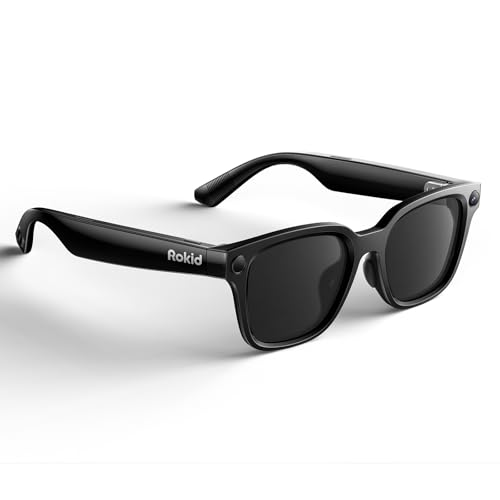
#3. Rokid 2026 AI Glasses Style Smart Glasses
Specifications
| Brand | Rokid |
|---|---|
| Form Factor | AI Glasses |
| Camera Resolution | 12 MP |
| Battery Life | 6 hr |
| Weight | 0.1 lb |
Pros
- Worth it for daily use
- Lightweight and stable
- Real-time translation
Cons
- Dies early with mixed use
- Display-free interaction limits
- Reported performance boundaries
Rokid 2026 AI Glasses are notable in the camera smart glasses lane because they bring a 12 MP camera into an always-wear form factor, alongside real-time AI translation. For quick on-the-go moments, that combo helps you capture what you see and get language help fast. Comfort also feels practical for everyday wear, with a lightweight, stable fit that does not feel distracting during normal movement.
The main trade-off is endurance. Battery life is rated around 6 hr, and reports say it can end early when usage mixes camera moments and AI work. They also rely on display-free interaction, so you will mainly use audio cues and voice rather than glanceable visual output. This set fits best if translation and camera capture are your top priorities, and you can plan for recharging during longer days.
What to Look For
Camera usability in real settings: Test how the camera handles motion, indoor lighting, and backlight. You want stable framing and readable video for common scenes like walking, screens, and faces at arm distance.
AI and voice capture reliability: Check whether the glasses can understand your prompts consistently when the camera app is active. The best cameras still fail if tagging, captions, or live help lags or mishears commands.
Latency from command to capture: Fast start and quick preview matter. Slow response makes casual recording miss the moment, especially for quick clips or when you use voice controls while moving.
Battery life for camera sessions: Look for predictable run time with mixed use, not just standby. Camera features drain power fast, so you need enough hours for recording plus normal notifications.
All-day comfort and stability while recording: Camera Smart Glasses often sit in a way that highlights frame weight and pressure points. Prioritize a balanced fit that stays put during walking and head turns.
How We Picked
Products were identified through broad research across review sites and buyer forums, then filtered to only those that qualify as Camera Smart Glasses. That filter favors glasses with a camera you can use for capture and camera-driven AI actions, not just video pass-through or basic sensing.
Scoring used the same objective pillar framework as the main Smart Glasses post, allowing direct comparison of products within this sub-category. Core Tech covers camera performance and AI response in use. Comfort, Battery, Build, and Value then determine whether the camera features stay practical over real recording sessions.
Frequently Asked Questions
What should I look for in camera quality on smart glasses?
Look for a clear main camera sensor and stable focus for close and moving shots. Also check for good low light performance, since many moments happen indoors or at night. Finally, make sure the app saves images fast without frequent failures.
Do camera smart glasses record continuously or only when you start capture?
Most camera smart glasses record only when you start capture through the app or a button. They usually do not run long, always-on video by default. Check how long they can record in one session before they save and reset.
How do I set up and maintain the camera so it stays reliable?
Pair the glasses once, then keep the companion app updated for better camera and AI features. Clean the camera area with a microfiber cloth and avoid harsh cleaners. If you notice blurry shots, wipe the lens and check for smudges after outdoor use.
How do camera smart glasses differ from AR glasses if I want a display?
Camera smart glasses focus on capturing photos and video, then showing AI hints and notifications. AR glasses focus more on a visible overlay or guided prompts. If you mainly want to record and share, camera features matter most. If you mainly want on-lens info, prioritize the display system.
When should I choose camera smart glasses instead of audio smart glasses?
Choose camera smart glasses if you want to document moments hands-free and get quick AI summaries. Choose audio smart glasses if your main goal is calls, music, and voice guidance. Camera models often feel more useful for travel and events, while audio models feel lighter for daily wear.