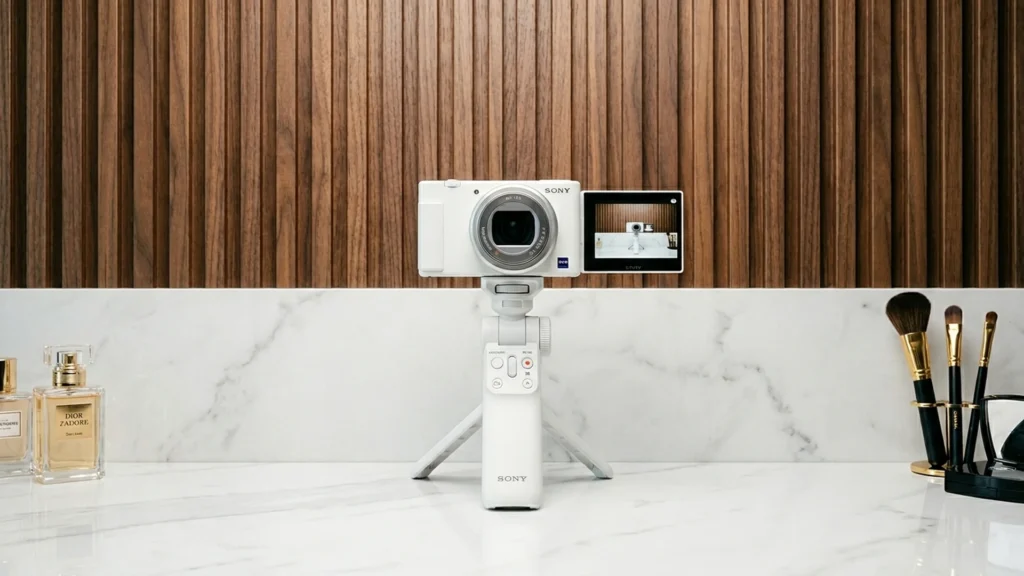
Vlogging digital cameras are built for day-to-day creator work. You need clean video, dependable autofocus on your face, and audio that does not fall apart when you move. Most vlogging buyers also want flip-out screens for framing and simple menus for fast changes while you talk to the camera.
Picking one is harder than it sounds. Strong autofocus usually comes with a bigger menu and careful settings. Better video often means larger files, extra power use, and more limits at long recording times. If you choose a model with a weaker stabilization setup or unreliable eye tracking, you will notice it in every take.
Looking for all types? See our Best Digital Cameras.
Quick Overview
Our Top Picks
#1. Sony ZV-E10 II Digital Camera

Specifications
| Brand | Sony |
|---|---|
| Camera Type | Mirrorless |
| Sensor Size | APS-C |
| Effective Megapixels | 26 MP |
| Lens Mount | Sony E |
| Max Video Resolution | 4K |
| Continuous Shooting Speed | 11 fps |
Pros
- Strong dynamic range
- 4K video support
- Reliable endurance for shoots
- Great features for the price
Cons
- No built-in flash
- UHS-I write limits
The Sony ZV-E10 II stands out for vlogging because it balances dependable 4K video with strong photo results in a compact APS-C body. The autofocus is typically fast to lock and stable once it finds a face or eye, which matters when you are walking, talking, or turning the camera in real time. Footage looks clean and flexible, with strong dynamic range for keeping highlights under control and smooth detail that holds up well across common lighting situations.
Its main trade-off for everyday creators is practical, not technical. There is no built-in flash, so you need a separate light for dark rooms. Also, the UHS-I memory card write limits can slow down long recording sessions if you use the highest settings, so plan on cards that match your workflow.
#2. Sony ZV-E1 Digital Camera

Specifications
| Brand | Sony |
|---|---|
| Camera Type | Mirrorless |
| Sensor Size | Full Frame |
| Effective Megapixels | 12.1 MP |
| Max Video Resolution | 4K |
| Continuous Shooting Speed | 10 fps |
Pros
- Consistent tracking performance
- Stable, detailed 4K footage
- Larger sensor advantage
- Fast burst capture
Cons
- Battery drains faster than expected
- Low-resolution detail
The Sony ZV-E1 stands out for vlogging because its autofocus tracking is consistently reliable, even when you move around the frame. In practice, face and eye detection hold focus well while you talk, walk, or pan to show items. Video quality is also very steady, with stable, detailed 4K capture that keeps skin tones looking natural and stays sharp across typical shooting situations.
The main trade-off is battery life. The camera can drain faster than expected, especially during longer recording sessions. It also has lower-res stills detail due to its 12.1 MP full-frame sensor, so it is better for vlog-first shooters who prioritize smooth, dependable video over maximum still-image resolution.
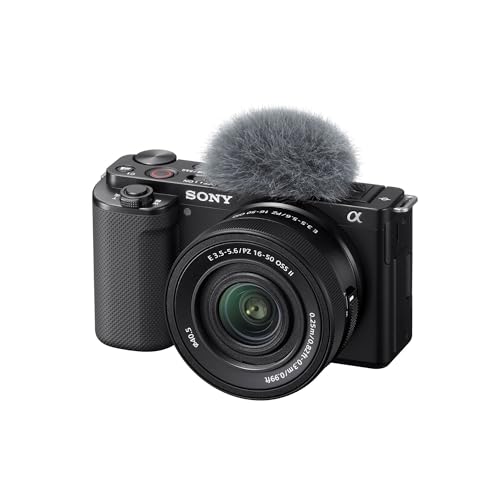
#3. Sony ZV-E10 Digital Camera
Specifications
| Brand | Sony |
|---|---|
| Camera Type | Mirrorless |
| Sensor Size | APS-C |
| Effective Megapixels | 24.2 MP |
| Lens Mount | Sony E |
| Max Video Resolution | 4K |
| Battery Life Shots | 260 shots |
Pros
- High-resolution sensor
- Interchangeable lens support
- 4K video support
- Great features for the price
Cons
- Short battery endurance
- No EVF
- Sparse still-image feedback
The Sony ZV-E10 stands out for vlogging because it is built for creators who want interchangeable lenses without stepping up to a larger, more complex body. Its 24.2 MP APS-C sensor gives sharp detail, and its 4K video support helps you capture clean, well-defined footage for talking-head and b-roll. The autofocus is also a practical match for vlogging, with reliable face and eye tracking that keeps you in focus as you move between takes.
The main trade-off is shooting time. Battery life is rated at about 260 shots, and video use will drain it faster, so plan on carrying a spare or using a power option. Another downside for some creators is the lack of an EVF, which can make bright outdoor shooting harder since you rely on the rear screen for framing.
What to Look For
Face and eye autofocus you can trust: For vlogs, autofocus must lock quickly and keep your face in focus while you walk and reframe. Prioritize cameras known for stable tracking and accurate eye detection, not just decent focus in ideal lighting.
Video features that match your workflow: Check max resolution and frame-rate options for your intended style. Also confirm whether autofocus works during recording and whether stabilization helps smooth out handheld shots. Look for practical audio support, since your voice matters more than pixel count.
Low-light and highlight handling: Vlogs often happen indoors, at dusk, or under mixed lighting. Choose a camera that holds detail in shadows and does not let highlights clip too early. Clean low-light results reduce the need for heavy corrections later.
Creator-friendly handling: You will shoot for long stretches, so grip comfort and quick controls matter. A flip-friendly screen, easy menu navigation, and responsive operation reduce missed takes, especially when you adjust exposure or switch settings mid-sentence.
Battery life for real recording sessions: Vlogging drains power faster than stills because you are running the screen, autofocus, and video. Look at rated battery life, then plan for extra batteries if you record longer clips or shoot in bursts between takes.
How We Picked
Products were identified through broad research across review sites and buyer forums, then filtered to only those that qualify as Vlogging Digital Cameras.
Scoring used the same objective pillar framework as the main Digital Cameras post, allowing direct comparison of products within this sub-category.
Frequently Asked Questions
What should I prioritize in a vlogging digital camera: video or photo quality?
For vlogging, video quality usually matters most. Look for sharp 4K video and reliable autofocus while recording. Image quality still matters for low light and skin tones. Good cameras keep colors natural and files easy to edit.
Do I need built in stabilization for vlogging, or is a tripod enough?
Stabilization helps a lot if you walk and talk on the move. A tripod can work well for static setups. If you plan handheld shots, prioritize cameras with strong video stability. This reduces shake and makes audio and framing easier.
How do I set up audio and framing for vlogging without extra gear?
Start by using the camera's flip screen so you can frame yourself quickly. Set focus to face or eye tracking if available, so your shots stay sharp. For sound, check the mic input options and test levels before you film. Even small changes in distance can greatly change voice clarity.
When should I choose a different type of digital camera instead of a vlogging camera?
Choose a different type if you mostly need one thing, like long zooms or maximum still-photo quality. If you shoot lots of action from far away, a zoom-focused camera may fit better. If you only film casually at home, a compact camera with simple controls may be enough. Think about your shot style first, then match the camera to it.
How do vlogging digital cameras usually compare to other digital cameras for low light and autofocus?
Vlogging cameras tend to focus on clean video at night and steady face tracking. They often handle autofocus better while recording than camera types that are mainly built for photos. Look for strong low-light performance and quick focus changes. This helps your face stay sharp even in dim rooms.