Smart plant sensors are small outdoor and indoor devices that track plant growing conditions like soil moisture, light, temperature, humidity, and sometimes pH or EC. They pair with a phone app or a hub so you can review trends and get alerts when conditions drift.
Picking the right one is harder than it sounds. Sensor accuracy can vary by probe type and calibration habits. Wireless specs may list a range that disappears once you add walls, soil, metal planters, or long sensor wires. Battery claims also differ, since cold weather, frequent reports, and strong Wi-Fi use can cut real life. Finally, some apps add features that sound useful, but they do not improve decisions for watering or feeding.
This guide compares smart plant sensors using the same real-world criteria every time: measurement reliability, connection stability, power and battery life, water resistance for garden use, ease of setup, and value for the measurements you actually get. You will leave with a clear shortlist and a checklist for what to verify before you buy.
Quick Overview
Top Picks
Best Overall

Specifications
| Brand | ECOWITT |
|---|---|
| Supported Measurements | Moisture |
| Connectivity | Wi-Fi |
| Power Source | Solar, USB-C |
| Battery Life | 12 months |
| Wireless Range | 328 ft |
| Water Resistance Rating | IP66 |
| Compatibility | Home Assistant |
Pros
- Consistent, well-calibrated data
- Accurate battery reporting
- Intuitive app and calibration
Cons
- Limited sensing
- Single connectivity type
- Gateway dependency
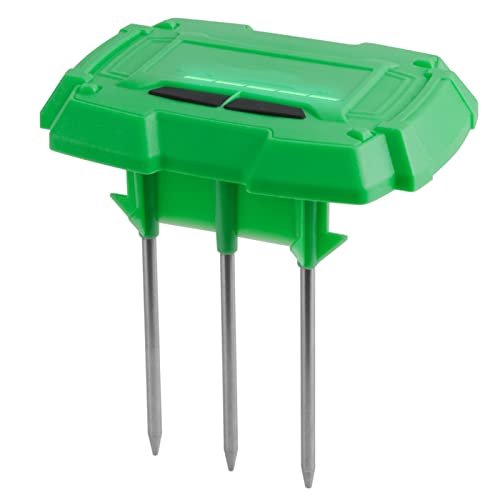
This ECOWITT WH51 fits the Best Overall slot because it delivers steady moisture tracking without making setup feel complicated. Its most distinctive trait is the consistently well-calibrated readings you can trust for day to day plant care.
Across the key pillars, it scores well for accuracy and battery life, with 8.1 for both. The app flow and calibration feel straightforward, and battery reporting is accurate instead of guesswork. It also brings durable outdoor-ready design with an IP66 rating, and it can run on solar with USB-C backup for long stretches.
The main trade-off is limited sensing, since it focuses on fewer measurement types. It also uses Wi-Fi only, and you will depend on a gateway or hub to fit into your smart home setup. If you want dependable moisture monitoring that stays accurate and low-maintenance, this is the one to get.
Also ranked #1 in: Wireless Smart Plant Sensors
Best 3-Pack

Specifications
| Brand | THIRDREALITY |
|---|---|
| Supported Measurements | Moisture |
| Connectivity | Zigbee |
| Battery Life | 36 months |
| Compatibility | Home Assistant,Hubitat,SmartThings |
Pros
- Multiple connection methods
- Long-lasting battery
- Broad ecosystem support
Cons
- Limited sensing
- Hub-dependent reporting reliability
- Occasional sensor freezes
For a Best 3-Pack spot, this set stands out because it uses Zigbee instead of only phone Bluetooth. That matters when you want sensors to keep reporting to your home automation system without staying glued to your phone.
Battery life is a strong point at 36 months, and users typically see stable day-to-day readings from the moisture sensor. Setup also feels manageable for a multi-sensor bundle, and you get broad ecosystem support with Home Assistant, Hubitat, and SmartThings. Connectivity is solid thanks to Zigbee, which tends to stay online more reliably than short-range links.
The main drawback is that reporting can depend on your hub, and some users note occasional sensor freezes. If you already run Zigbee through a hub and want three long-lasting moisture sensors that fit an automation dashboard, this is a good choice, especially for plant care routines that need steady updates.
Best for Automated Irrigation

Specifications
| Brand | Gardena |
|---|---|
| Supported Measurements | Moisture |
| Connectivity | Bluetooth |
| Power Source | AA Battery |
| Battery Life | 12 months |
| Compatibility | Gardena Water Control systems Flex, Select, Bluetooth, Master |
| Dimensions | 6 x 3 x 3.3 in |
Pros
- Long-lasting battery
- Automatic irrigation control
- Seamless ecosystem setup
Cons
- Limited sensing
- Single connectivity type
- Hard-to-maintain power
This Gardena soil moisture sensor fits the Best for Automated Irrigation role because it is designed to drive irrigation decisions based on moisture, not guesswork. It also plugs into a Gardena ecosystem, so your schedule can react when the root zone gets too dry.
Setup is straightforward and the ecosystem pairing feels smooth when you already use Gardena Water Control hardware. Readings are steady enough for day-to-day control, and the battery life is a standout, with Gardena listing up to 12 months on an AA battery. Build quality is also a strong point, since the sensor and probe are meant for ongoing soil and outdoor use.
The main downside is that sensing is limited to moisture. Also, it uses Bluetooth, so you are tied to that connection method. If you want simple, moisture-based automation with long battery life, this is a good fit, but choose it only if you do not need extra measurements.
Best with Zigbee

Specifications
| Brand | THIRDREALITY |
|---|---|
| Supported Measurements | Moisture |
| Connectivity | Zigbee |
| Power Source | AA Battery |
| Compatibility | Home Assistant,Hubitat,SmartThings |
| Dimensions | 7.2 x 1 x 1 in |
Pros
- Reliable value for gardeners
- Multiple connection methods
- Quick app integration
Cons
- Average longevity indoors
- Hard-to-maintain power
- Early battery drain
If you already run a Zigbee smart home, the THIRDREALITY Gen2 Plant Sensor fits well. It uses Zigbee for steady hub-based updates, so you are not relying on a phone connection for day-to-day monitoring. That makes it a good match for people who want sensors to stay online through normal daily routines.
In day-to-day use, the biggest strengths are setup speed and general reliability. Pairing is straightforward, and integration works with hubs like Home Assistant, Hubitat, and SmartThings. Readouts are also consistently usable, especially for moisture tracking, which is what most plant owners check first. Battery life is adequate at the start, and the sensor is simple to understand once it is placed.
The main downside is power longevity indoors. Users report early battery drain and find upkeep harder than expected with AA batteries. If you want Zigbee-connected plant data for a home hub and can handle periodic battery swaps, this is the one to get. If you need long battery life without maintenance, you may want to look elsewhere.
Best with Alexa

Specifications
| Brand | RAINPOINT |
|---|---|
| Supported Measurements | Moisture, Temperature |
| Connectivity | Wi-Fi |
| Water Resistance Rating | IPX5 |
| Compatibility | Google Assistant, Alexa |
| Dimensions | 5.6 x 5.5 x 4 in |
Pros
- Reliable value for gardeners
- Outdoor resilience
- Schedule continuity
Cons
- Needs more frequent charging
- WiFi pairing failures
- Hub dependency
This Wi-Fi plant sensor fits the Best with Alexa role because it ties into voice control through Alexa support. If you want reminders and routines that react to garden conditions, staying on Wi-Fi matters more than Bluetooth-only options. The sensor also uses outdoor-ready housing, so it is practical for patio pots and backyard beds.
Moisture and temperature data are a solid match for everyday plant care, and the IPX5 water resistance helps it handle wet weather exposure. Setup is also fairly straightforward, and the app alerts make it easier to notice shifts before leaves look stressed. Durability scores well too, since the body and probe are made for real outdoor use, not just indoor window sills.
The main drawback is power and pairing. It can need more frequent charging, and some users report Wi-Fi pairing failures, which can slow down first use. If you want Alexa-driven garden alerts and can handle occasional charging and some setup patience, this is a good pick.
Best for Deep Soil

Specifications
| Brand | REOTEMP |
|---|---|
| Supported Measurements | Moisture |
| Power Source | AAA Battery |
Pros
- Beginner-friendly operation
- Actionable root-zone readings
- Soil-specific calibration possible
Cons
- Unreliable without calibration
- Mostly accurate, slight drift
- Needs more frequent charging
REOTEMP 15 is a strong fit for the Best for Deep Soil category because it focuses on root-zone moisture, not just surface dampness. That makes it easier to judge when water has actually reached where plant roots live. For bigger pots or deeper beds, those soil-level readings tend to matter more than quick, top-layer guesses.
The biggest strength is its beginner-friendly operation. You can get actionable root-zone readings without needing advanced setup. It also supports soil-specific calibration, which helps when your potting mix differs from what the sensor expects. Durability looks solid as well, since the probe is designed for the kind of wet, dirty use that plant care involves. Accuracy is decent overall, though most users will still benefit from calibration to get readings that match their conditions.
The main weakness is that readings can be unreliable without calibration, and some drift is expected over time. If you want deep-soil moisture guidance and you are willing to calibrate and re-check occasionally, this is a good choice. If you want plug-and-play results without any tuning, look elsewhere.
Best Value

Specifications
| Brand | SONKIR |
|---|---|
| Supported Measurements | Moisture, pH, Light |
| Power Source | No battery needed |
| Dimensions | 1.5 x 11.5 x 2 in |
Pros
- Long-lasting, dependable battery
- Reliable value for gardeners
- More plant insights
Cons
- Frequent disconnects and pairing pain
- Mostly accurate, slight drift
- Moisture under-readings
This SONKIR 3-in-1 Plant Sensor fits the Best Value role because it bundles practical plant checks into one simple probe, especially its long-lasting power design. You get moisture, pH, and light readings in a form factor that is easy to drop into a pot or planter and start tracking conditions.
Battery life is a standout, with dependable operation that does not require frequent recharging or replacement. Setup is also straightforward, and the app readouts are generally useful for staying on top of soil moisture trends, basic pH direction, and changing light levels. Most gardeners will like that it gives more insight than a single-purpose moisture tool.
The trade-off is connectivity and consistency. Users report frequent disconnects and pairing pain, and the measurements can drift slightly over time, with moisture sometimes under-reading. If you want a budget-friendly way to monitor moisture, pH, and light and you are willing to tolerate occasional app hiccups, this is a solid choice.
Best Long Battery Life

Specifications
| Brand | Soildrops |
|---|---|
| Supported Measurements | Moisture |
| Power Source | Battery |
| Battery Life | 24 months |
| Dimensions | 4.7 x 2.1 x 1.9 in |
Pros
- Reliable value for gardeners
- Long-lasting battery
- Compact sensor size
Cons
- Average longevity indoors
- Limited sensing
- Sensor sold separately
If you want a smart plant sensor that you do not have to think about often, the Soildrops Smart Moisture Sensor fits the Best Long Battery Life role. Its battery life is rated at 24 months, and that long runtime makes it easier to leave in place for months of growing.
The sensor stays simple and garden friendly. It is compact at 4.7 x 2.1 x 1.9 in, so it is easier to tuck into planters without taking up much space. Setup is also straightforward, and the app alerts help you notice when soil moisture is trending the wrong way. Connectivity is steady enough for typical indoor use, with fewer reports of constant dropouts than many budget sensors.
The main drawback is that performance can feel only average indoors, so you may need to fine tune where you place the probe for your specific potting mix. Also, the sensor part is sold separately. If you are growing plants in containers and want long battery life with simple moisture tracking, this is a solid pick. If you need more than moisture or you want everything included in one kit, look elsewhere.
What to Look For
Accuracy: Look for stable readings that stay consistent over days, not jumpy values. If a sensor measures pH or EC, check for calibration steps and whether users report results that match lab-style expectations or better-than-typical drift over time. Moisture probes should show clear changes when soil dries and re-wets.
Supported Measurements: Match the sensor to your plants and your goal. For watering decisions, prioritize soil moisture and light. For grow setups, add temperature and humidity. If you fertilize for specific targets, verify pH and EC support, since those determine dosing more than light does.
Connectivity: Choose the connection type that fits your layout. Bluetooth can work well in a close-to-the-phone setup, while Wi-Fi is better when the sensor must stay reachable at home. Check for reliable pairing, fast syncing, and fewer dropouts. Also consider how many sensors you want, since some ecosystems handle multi-device setups more cleanly than others.
Battery Life: Use battery life as a planning tool, not a promise. Favor sensors that report battery status clearly and deliver the stated months under normal use. If you expect frequent alerts or long-distance updates, expect battery to drop faster, especially with Wi-Fi models.
Water Resistance Rating: Garden sensors live with splashes, soil dust, and wet hands during maintenance. Verify an IP rating or a clear water protection term. If you plan to leave the probe outside in rain, lean toward higher protection ratings rather than basic splash resistance.
Compatibility: Confirm your phone and any smart home ecosystem support before you commit. Check for iOS or Android support, then verify whether you need Alexa, Google Assistant, or a specific hub for automation. If voice control or dashboard viewing matters to you, do not assume it is included.
Ease of Setup: Installation should be straightforward and repeatable. Check how the app guides placement, how it handles calibration, and how alerts appear. A sensor that requires frequent recalibration or unclear notifications will frustrate you when you just want to water on time.
How We Selected These Products
Products came from broad web searches across review sites, buyer forum threads, and best-of lists, then cross-checked against what real owners reported. I paid close attention to recurring complaint patterns, like readings that do not match soil conditions, frequent disconnects, messy calibration, or batteries that seem to drain faster than expected.
Next, I verified availability and key specs directly against Amazon listings. Each sensor was scored with an objective framework across the pillar areas, Accuracy, Connectivity, Battery, Durability, Ease, and Value. The final picks emphasize distinct roles, so you get options that fit different setups, from automated irrigation to deep-soil probing to multi-sensor kits.
Frequently Asked Questions
Which Smart Plant Sensors are best for watering automation?
Choose a sensor that feeds moisture data into an irrigation controller. A sensor that works well with automated irrigation tends to score well in accuracy and ease. In this set, the top pick for automated irrigation is Gardena Soil Moisture Sensor Plant Sensor.
Do I need a smart hub for a smart moisture sensor to work?
Often, yes, especially for Zigbee or Wi-Fi ecosystems. Zigbee sensors usually need a Zigbee coordinator, otherwise they cannot connect to your app. Wi-Fi ecosystem sensors can also require the matching hub or timer, so check compatibility before you buy.
What separates a budget Smart Plant Sensor from a premium one?
Premium options usually earn better accuracy scores and more reliable long-term readings. They also tend to have clearer setup paths and fewer connection surprises. Budget sensors can work, but you more often see issues like biased readings or dropouts in certain setups.
Is a higher price always better for Smart Plant Sensors?
Not always. The strongest product in this group, ECOWITT WH51 Plant Sensor, wins on accuracy and overall reliability. But some lower-priced options still deliver great value, especially if you mainly need one measurement like moisture.
Why do some Smart Plant Sensors show wrong moisture readings?
Moisture sensing changes with soil type and probe placement. If the probe sits too shallow, it may report the wrong moisture level for your root zone. Some users also report sensors that stay stuck at a constant value, which can happen when the installation or readings do not match real soil changes.
Which connectivity type fits most homes, Wi-Fi or Zigbee?
Wi-Fi can feel simpler because you connect to your home network and manage data in an app. Zigbee often performs well once you have a good hub and enough signal coverage, but placement can matter. If you already use a Zigbee hub, a Zigbee sensor like THIRDREALITY Gen2 Plant Sensor is usually the smoothest path.


