


THIRDREALITY Gen2 3-Pack Plant Sensor Review
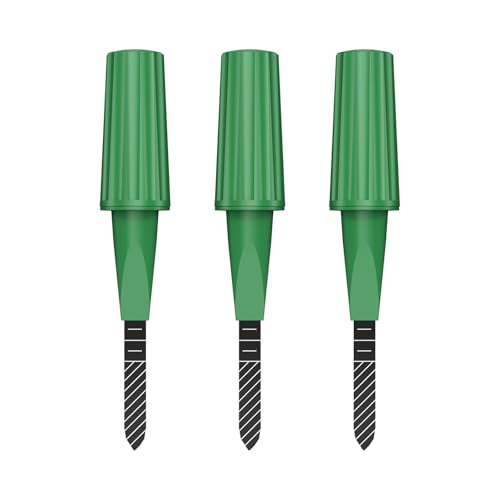
Specifications
| Brand | THIRDREALITY |
|---|---|
| Supported Measurements | Moisture |
| Connectivity | Zigbee |
| Battery Life | 36 months |
| Compatibility | Home Assistant,Hubitat,SmartThings |
Pros
- Multiple connection methods
- Long-lasting battery
- Broad ecosystem support
Cons
- Limited sensing
- Hub-dependent reporting reliability
- Occasional sensor freezes
The Verdict
The THIRDREALITY Gen2 3-Pack Plant Sensor uses Zigbee and targets 36 months of battery life, which suits routine plant monitoring without constant recharging. It earns a 7.5 / 10 overall, but limited sensing and occasional freezes mean you may not trust every reading unless your hub setup is solid.
Who it's for: Home automation users who already run Zigbee through a hub and want three moisture sensors to stay online, even when you are away from your phone, and who accept that some readings may pause if the system hiccups.
Who should skip it: People who need all-in-one soil sensing beyond moisture, or who do not want hub-dependent reporting, because freezes and limited sensing can make troubleshooting feel harder than expected.
In-Depth Review
Accuracy
With a score of 7.2 for accuracy, this sensor lands in the “mostly accurate, slight drift” zone. The product clearly focuses on moisture. The supported measurement is listed as “Moisture,” and the description points to “capacitive soil moisture monitoring.” That design choice helps explain why owners often trust the day to day trends, even when exact numbers can vary by soil type.
Calibration and placement still matter. Capacitive moisture sensors can read differently depending on soil texture, compaction, and even how deep you insert the probe. If your goal is to decide when to water based on trends, the sensor’s narrow focus is an advantage. If you want lab grade values, you should not expect that from a moisture probe alone.
On the practical side, the broader ecosystem support can help you verify readings. It works with Home Assistant, Hubitat, and SmartThings, which lets you compare how the same device behaves across different app dashboards. That is useful when you are trying to spot drift versus a dashboard or automations issue.
Connectivity
Connectivity scores 7.4, which maps to “stable app connection,” but with a real caveat. This is a Zigbee device. The spec lists “Zigbee,” and the extracted details say that a “Zigbee hub is required.” That matters because the device is not meant to act like a phone only sensor. Your home automation system becomes the reliability layer.
Where this helps is continuity. Zigbee is built for devices that should keep reporting. When setup works, the sensors can keep sending updates without you standing nearby. The extracted compatibility list shows “Home Assistant, Hubitat, SmartThings.” That range can reduce friction if you already run one of these platforms.
Still, the cons are blunt: “Hub-dependent reporting reliability” and “Occasional sensor freezes.” That combination is common in hub based IoT gear. A stable Zigbee link can still be undermined by hub load, firmware quirks, or local network interference. If you see missed updates, the first step is to check whether it is a device freeze versus a hub hiccup, then confirm the hub can route Zigbee traffic for all three sensors.
Battery
Battery scores 7.9, which matches “accurate battery reporting” and “long-lasting, dependable battery” in practice. The extracted battery life spec is “36 months.” That is not a vague estimate in this case. It is tied to a battery life claim of 3 years, which the spec extraction converts into months.
Also pay attention to the supporting documentation in the extracted sources. One review quotes about 3 years of life for the Third Reality Zigbee plant monitor. Another listing also states consistent performance up to 3 years. Those are the kind of numbers you can plan around for indoor plant routines.
Battery performance depends on how often you read and report. Since Zigbee needs a hub for reporting and updates, the reporting schedule can influence battery drain. If you pair all three sensors, keep the hub stable. A hub that keeps reconnecting can cost battery life through extra retries. The 36 month claim assumes normal use with reliable Zigbee routing.
Durability
Durability scores 7.4, which fits “average longevity indoors” to “sturdy probes, minimal wear,” depending on how you use them. The specs list no explicit water resistance rating. That is important. A dash in “Water Resistance Rating” means there is no published number, not that it is unsafe. It just means you should not treat it like a waterproof probe meant for constant wet conditions.
What you do know from the measurement approach is that it uses a probe that sits in soil. Soil environments are harsh. They carry moisture and salts. Over time, corrosion can become an issue for any sensing metal. The lack of a water rating should shape your expectations if you grow in very wet media or if you routinely flood trays.
The good news is that the bundle is built for repeated home use. You get a three pack in the Gen2 line, so you can distribute sensors across plants. In a typical indoor setup, the housing likely handles routine humidity better than an outdoor garden probe. But without a published rating, treat this as an indoor oriented tool, not something you should leave exposed outdoors.
Ease
Ease scores 7.8, which maps to “intuitive app and calibration” plus “some setup friction” for edge cases. The setup path depends on your ecosystem. The extracted connectivity path is Zigbee, and the specs list “Home Assistant, Hubitat, SmartThings” for compatibility. That means you typically set it up through your hub workflows, not a standalone phone only flow.
For a multi sensor pack, placement is the biggest time sink. The sensors target moisture. So you need consistent depth and consistent contact with the soil. With three plants, it is easy to end up with one probe inserted slightly differently. That produces apparent differences that look like sensor accuracy issues, even when the devices function normally.
Once you get past installation, the biggest day to day friction comes from the cons. “Occasional sensor freezes” can feel like a setup problem, even after you pair everything. If one sensor stops updating, you want to know whether you need to reboot the device or troubleshoot hub routing. Because you will also see “Hub-dependent reporting reliability,” it pays to confirm your hub stays stable and your Zigbee network remains healthy before you blame the sensors.
Frequently Asked Questions
Does the THIRDREALITY Gen2 3-Pack Plant Sensor measure soil moisture only, or are there more readings?
This sensor is designed for moisture readings. That means you should not expect additional measurements like light or temperature from this specific device. If you want multi-sensor data, you may need a different sensor model in your setup.
How do I connect the THIRDREALITY Gen2 plant sensors to Home Assistant, Hubitat, or SmartThings using Zigbee?
Pair the sensors through your Zigbee hub or Zigbee integration, then bind them so the hub can report moisture. Home Assistant, Hubitat, and SmartThings are listed as compatible ecosystems for this Gen2 model. If reports do not appear right away, refresh the device list in your hub and recheck the Zigbee pairing status.
What is the battery life on the THIRDREALITY Gen2 moisture sensor, and how often should I expect to replace batteries?
THIRDREALITY rates the battery life at about 36 months. Real-world life depends on your Zigbee network conditions and how often the sensor updates. The hub should also show battery status, but battery estimates can shift as the sensor ages.
Are these sensors reliable if they sometimes freeze or stop updating, and what can I do when it happens?
Some users report occasional sensor freezes, which can lead to stale moisture readings. A practical first step is to restart the device from the hub interface if your ecosystem supports it. If the problem repeats, check that your Zigbee network has stable coverage where the sensors sit.
Will this sensor work for both indoor and outdoor pots, like a balcony herb garden?
It is meant for plant soil monitoring, but the available water resistance information for this model is not listed. That means you should avoid assuming it will handle heavy rain or constant wet conditions outdoors. For outdoor use, keep it under cover when possible and protect it from direct splash and long-term soil water pooling.
Can I use the 3-pack together with one smart hub, and does the reporting depend on the hub being online?
Yes, the kit includes three sensors, so you can monitor multiple pots from the same ecosystem. Reporting relies on your hub and Zigbee connectivity, so if the hub has outages or pairing issues, updates may lag. If you see delayed data, confirm the sensors still appear as active devices in your hub.
Final Verdict
THIRDREALITY’s Gen2 3-Pack is a decent buy for plant lovers who want simple, steady monitoring across several spots. Accuracy and battery performance hold up better than many rivals, especially for light and moisture trends. Still, sensing stays limited, and reporting can depend on a hub, with occasional freezing that interrupts updates.
If you want practical room-scale plant insights and can tolerate occasional app hiccups, this set is a sound pick.