Full-frame digital cameras use a larger sensor than most mainstream systems. That matters for image quality, especially in low light and when you want wide dynamic range. For full-frame buyers, the goal is simple: cleaner files at higher ISO, accurate color, and autofocus that stays on the subject.
Choosing one is harder than it looks. You trade size and handling for performance. You also trade money for video features, battery life, and burst speed. Even within full-frame, autofocus behavior, rolling-shutter control, and file look can differ a lot from model to model.
If you want a broader comparison beyond full-frame, use this guide as your short list starter and then check the wider roundup here: Looking for all types? See our Best Digital Cameras.
Quick Overview
Our Top Picks
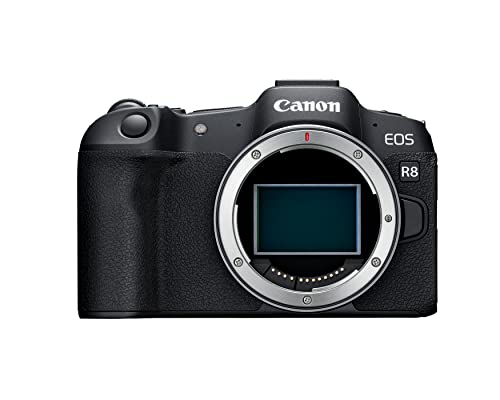
#1. Canon EOS R8 Digital Camera
Specifications
| Brand | Canon |
|---|---|
| Camera Type | Mirrorless |
| Sensor Size | Full Frame |
| Effective Megapixels | 24.2 MP |
| Lens Mount | Canon RF |
| Max Video Resolution | 4K |
Pros
- Strong dynamic range
- Consistent tracking performance
- 4K video support
- Interchangeable lens support
Cons
- Thin video feedback
- Unverified audio support
- Unconfirmed stabilization
For full-frame shooters who want reliable results, the Canon EOS R8 stands out with a strong mix of image quality and dependable autofocus tracking. The 24.2 MP full-frame sensor delivers clean files with good highlight recovery, so both portraits and landscapes hold up well when light changes. In motion, the focus stays consistent more often than you would expect from a compact body, which helps for sports, kids, and wildlife moments where you cannot refocus and reframe.
The main trade-off is video workflow. It supports 4K recording, but feedback during shooting can feel thin, and stabilization is not confirmed in the specs you provided, so lens choice matters for hand-held work. If you are mainly a photographer who occasionally needs solid 4K clips, this camera fits well. If you shoot a lot of video and care about robust audio and clear monitoring, you may want to check the audio and stabilization details before committing.
#2. Sony A7 V Digital Camera

Specifications
| Brand | Sony |
|---|---|
| Camera Type | Mirrorless |
| Sensor Size | Full Frame |
| Effective Megapixels | 33 MP |
| Lens Mount | Sony E |
| Max Video Resolution | 4K |
| Continuous Shooting Speed | 30 fps |
Pros
- Strong dynamic range
- Consistent tracking performance
- Stable, detailed 4K footage
- Controls are intuitive
Cons
- Video crop limitations
- Mixed video satisfaction
The Sony A7 V stands out in full-frame mirrorless by pairing a 33 MP sensor with strong highlight handling. Files look sharp and flexible across bright scenes and deeper shadows. Autofocus tracking also stays steady, so it is a practical pick for people, events, and action where you cannot pause to refocus. When you shoot 4K, the footage stays detailed and stable, which makes it easier to use for real projects instead of test clips.
The main trade-off is video usability. You can run into crop limits that change the framing in some situations, and overall video satisfaction feels mixed depending on the exact mode you use. If stills matter most and you want a full-frame camera with dependable focus and solid dynamic range, this one fits well. If video is your top priority, check how the crop behavior and recording details match your typical workflow before committing.
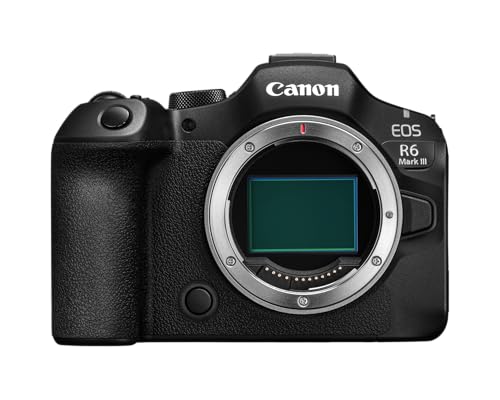
#3. Canon EOS R6 III Digital Camera
Specifications
| Brand | Canon |
|---|---|
| Camera Type | Mirrorless |
| Sensor Size | Full Frame |
| Effective Megapixels | 32.5 MP |
| Lens Mount | Canon RF |
| Max Video Resolution | 7K |
| Continuous Shooting Speed | 40 fps |
Pros
- Consistent tracking performance
- Strong dynamic range
- Stable, detailed 4K footage
- Interchangeable lens support
Cons
- Menus slow you down
- Weak battery data
- Limited video specifics
Canon EOS R6 III stands out in the full-frame mirrorless crowd with dependable autofocus tracking and strong dynamic range. Files stay flexible in bright highlights and deep shadows, and 32.5 MP detail holds up well across typical shooting. It also records stable, detailed 4K video with solid subject focus, which helps when you switch between photos and clips.
The main trade-off is day to day workflow. Menus can slow you down when you change settings often, and battery life details are harder to pin down from the specs alone. This camera fits best for photographers who shoot moving subjects often and want reliable results from one body, while also needing clean 4K footage.
#4. Nikon Zf Digital Camera

Specifications
| Brand | Nikon |
|---|---|
| Camera Type | Mirrorless |
| Sensor Size | Full Frame |
| Effective Megapixels | 24.5 MP |
| Lens Mount | Nikon Z |
| Max Video Resolution | 4K |
Pros
- Strong dynamic range
- Consistent tracking performance
- Interchangeable lens support
- High-resolution sensor
Cons
- Battery compatibility confusion
- Limited video evidence
Nikon Zf stands out in the full-frame class for its strong, flexible image output paired with steady autofocus behavior. The 24.5MP sensor delivers crisp detail and good highlight recovery, so you can push contrast without everything turning crunchy. In real shooting, its tracking stays consistent, which matters more than spec sheets when you photograph people, street scenes, and day-to-day motion.
The main trade-off is practical rather than creative. Battery support can feel confusing because of compatibility details, and that can slow down long days if you rely on the wrong pack. Video is also not its strongest selling point, so this is a better fit for photographers who want a dependable full-frame stills camera and are comfortable building a lens kit for the Nikon Z mount.
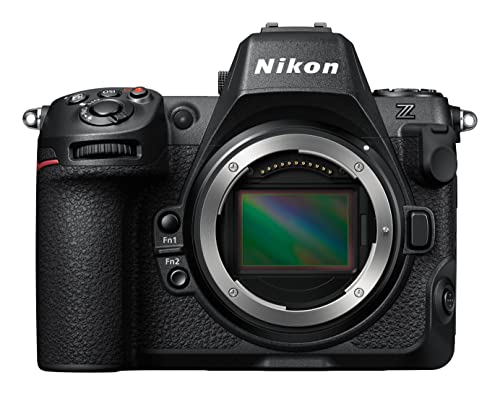
#5. Nikon Z8 Digital Camera
Specifications
| Brand | Nikon |
|---|---|
| Camera Type | Mirrorless |
| Sensor Size | Full Frame |
| Effective Megapixels | 45.7 MP |
| Lens Mount | Nikon Z |
| Max Video Resolution | 8K |
| Continuous Shooting Speed | 120 fps |
Pros
- Strong dynamic range
- Consistent tracking performance
- Stable, detailed 4K footage
- Interchangeable lens support
Cons
- Limited Z8 AF feedback
- Limited video performance evidence
- Sparse battery-life data
The Nikon Z8 stands out in the full-frame mirrorless class for its dependable blend of image quality and real-world performance. The 45.7 MP sensor delivers strong dynamic range, so highlights hold up better and shadows stay usable. It also turns in steady, sharp results at higher ISO settings, which matters when light drops. For action and travel, tracking holds up reliably, and 4K footage stays stable and detailed thanks to the camera's overall capture consistency.
The main trade-off is not the core image results, but the polish around control and video certainty. The camera has limited AF feedback, which can make monitoring focus feel less informative than on some rivals. Video performance is solid on paper, yet the evidence here is thinner than the stills side, and battery-life data is sparse, so you should plan for extra power if you shoot long days.
#6. Nikon Z6III Digital Camera

Specifications
| Brand | Nikon |
|---|---|
| Camera Type | Mirrorless |
| Sensor Size | Full Frame |
| Effective Megapixels | 24.5 MP |
| Lens Mount | Nikon Z |
| Max Video Resolution | 6K |
| Continuous Shooting Speed | 120 fps |
| Battery Life Shots | 330 shots |
Pros
- Strong dynamic range
- Stable, detailed 4K footage
- Controls are intuitive
- Great features for the price
Cons
- Short battery endurance
- Battery anxiety
- No external charger
Nikon Z6III stands out in the full-frame camera group for its strong all-around photo and video results. Files deliver solid dynamic range, so highlights hold up well and shadows stay usable. For creators, the 6K video mode is stable and detailed, with dependable autofocus during recording. Handling is also practical, with controls that feel quick to learn and use when you are shooting in the real world.
The main trade-off is battery comfort. Rated at about 330 shots, it can trigger battery anxiety if you shoot bursts, spend a lot of time in video, or travel without spares. The lack of an external charger also means you may wait longer to get back to shooting. This model fits best when you want one full-frame body that can move between photo and 4K or 6K video with confidence, and you are willing to manage power.
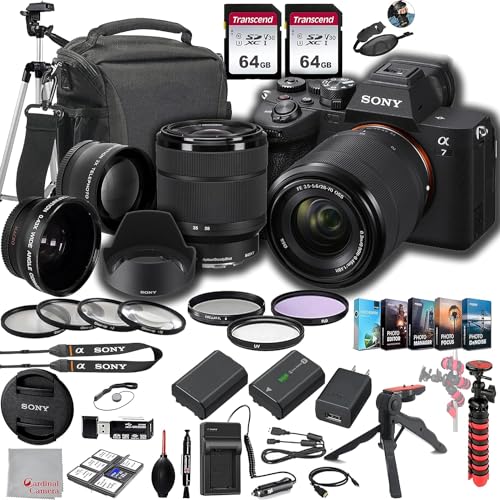
#7. Sony A7 IV Digital Camera
Specifications
| Brand | Sony |
|---|---|
| Camera Type | Mirrorless |
| Sensor Size | Full Frame |
| Effective Megapixels | 33 MP |
| Lens Mount | Sony E |
| Max Video Resolution | 4K |
| Continuous Shooting Speed | 10 fps |
Pros
- Strong dynamic range
- Consistent tracking performance
- High-resolution sensor
- 4K video support
Cons
- Fast battery drain
- Video-spec confusion
The Sony A7 IV stands out in the full-frame category for its mix of high-detail stills and dependable autofocus tracking. With a 33 MP full-frame sensor and strong dynamic range, it keeps fine textures crisp while holding onto highlight detail in tricky light. Autofocus performance stays consistent on people and moving scenes, which makes it easier to trust results when you are shooting both day-to-day moments and more planned work.
The main trade-off is how power-hungry it can feel, especially during bursts and extended use. Video is also a little confusing for some buyers, since the camera supports 4K but the settings and workflow can take effort to get the look and stability you want. This makes the A7 IV a strong choice for hybrid shooters who prioritize still image quality and tracking, and who are willing to manage batteries and dial in video settings.
#8. Nikon Z7 II Digital Camera

Specifications
| Brand | Nikon |
|---|---|
| Camera Type | Mirrorless |
| Sensor Size | Full Frame |
| Effective Megapixels | 45.7 MP |
| Lens Mount | Nikon Z |
| Optical Zoom | 1.0x |
| Max Video Resolution | 4K |
| Continuous Shooting Speed | 10 fps |
Pros
- Strong dynamic range
- Stable, detailed 4K footage
- High-resolution sensor
- Interchangeable lens support
Cons
- Battery drains faster than expected
- Limited optical zoom
- Action-AF uncertainty
The Nikon Z7 II stands out in full-frame territory with its 45.7 MP sensor and strong dynamic range. Files hold up well in high-contrast scenes, and detail stays crisp when you zoom in or crop. It also records stable, detailed 4K video, which makes it a solid hybrid choice compared with many full-frame bodies that feel more photo-first.
The main trade-off is around use between sessions and during fast shooting. Battery life drains faster than expected, so plan on spare batteries for long days. Autofocus tracking can also feel less certain when subjects move quickly, which is worth testing before you commit to action-heavy work.
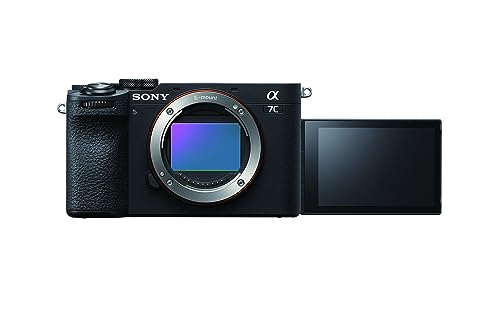
#9. Sony a7C II Digital Camera
Specifications
| Brand | Sony |
|---|---|
| Camera Type | Mirrorless interchangeable-lens camera |
| Sensor Size | Full Frame |
| Effective Megapixels | 33MP |
| Lens Mount | Sony E |
| Max Video Resolution | 4K |
| Battery Life Shots | 330 shots |
Pros
- Strong dynamic range
- Consistent tracking performance
- Interchangeable lens support
- 4K video support
Cons
- Battery drains faster than expected
- Video AF may lag
- Confusing Lightroom artifact
The Sony a7C II stands out in the full-frame camera class by blending strong image quality with dependable subject tracking in a smaller, more travel friendly body. With a 33MP full-frame sensor and good dynamic range, it holds highlight detail well and keeps files flexible for editing. Autofocus performance is also consistent, which matters when you want sharp results without constantly refocusing. Add interchangeable Sony E lenses, and you get a setup that can grow from everyday shooting to more specialized styles.
The main trade-off is power. Battery life can feel short for long days, especially if you use bursts or record video. Video autofocus may also lag at times, so it is safer for static scenes or careful manual timing. If you shoot mostly stills and want a full-frame system that stays easy to carry, this is a strong fit. If you prioritize nonstop video recording or very long battery endurance, you may want to look at alternatives.
#10. Nikon Z5II Digital Camera

Specifications
| Brand | Nikon |
|---|---|
| Camera Type | Mirrorless |
| Sensor Size | Full Frame |
| Effective Megapixels | 24.5 MP |
| Lens Mount | Nikon Z |
| Max Video Resolution | 4K |
| Battery Life Shots | 330 shots |
Pros
- Strong dynamic range
- Great features for the price
- High-resolution sensor
- 4K video support
Cons
- Short battery endurance
- Cropped 4K60 mode
The Nikon Z5II stands out among full-frame mirrorless bodies for its strong still-image flexibility. A 24.5 MP sensor and noted dynamic range make it easier to keep detail in bright scenes and recover highlights in RAW. Autofocus also holds up well for everyday subjects, so you get more keepers without constant refocusing. In a sub-category where many full-frame models demand trade-offs, it feels like a well-balanced camera for photography first.
The main trade-off is endurance. Rated at about 330 shots, it can feel limiting on long outings, especially if you review images often. Video is solid at 4K, but the 4K60 mode is cropped, which may matter for shooters who plan lots of high-frame-rate clips. If your priority is dependable full-frame photos with good file quality, this Nikon is a strong fit, but if you shoot lots of video and long days, plan for extra batteries and careful mode selection.
What to Look For
Image Quality: Check for strong highlight recovery and clean shadows. Full-frame helps, but results still vary. Look for low-noise files at your common ISO range and for pleasing RAW and default JPEG output.
Autofocus: Focus on subject tracking, not just single-shot speed. For portraits and moving kids, eye detection and face detection accuracy matter. For low light, confirm how often the camera locks and how stable tracking stays in darker scenes.
Video Performance: Verify the top video label and what you get in real use. Prioritize autofocus during recording and stabilization support. Also consider rolling shutter, heat limits, and audio options if you shoot longer clips.
Handling: Full-frame bodies vary in grip depth, button layout, and menu speed. If you shoot for an hour or more, comfort matters. Make sure the viewfinder and rear screen are easy to use with gloves, and that you can reach key controls quickly.
Battery Life and Power Reality: Compare rated CIPA shots, but also think about your shooting mix. Burst shooting and video drain batteries fast. Plan on spare batteries if you shoot events or travel days without easy charging.
How We Picked
Products were identified through broad research across review sites and buyer forums, then filtered to only those that qualify as Full-Frame Digital Cameras.
Scoring used the same objective pillar framework as the main Digital Cameras post, allowing direct comparison of products within this sub-category.
Frequently Asked Questions
What should I look for in a full-frame camera for everyday photo quality?
Focus on image quality first. Look for good low-light performance and strong dynamic range, so highlights do not blow out easily. Also check whether the camera handles high ISO with clean detail instead of heavy noise reduction. Sharp, accurate color matters for skin tones and landscapes.
How do full-frame cameras differ in autofocus and tracking?
Some models focus faster and track people more reliably. If you shoot kids, pets, or moving sports, look for good face and eye detection plus dependable subject tracking. Also consider how well it works in low light, since that is where many cameras struggle. A higher miss rate can ruin a whole sequence.
Do full-frame cameras use different lenses, and how does that affect buying?
Yes, full-frame cameras use full-frame compatible lens mounts. Your lens choice will shape your results more than the body alone. Decide if you want primes for low-light and sharpness, or zooms for flexibility. Make sure the lenses you want match the camera mount before you buy.
Should I choose a full-frame camera, or switch to a smaller sensor camera?
Choose full-frame if you want the best low-light performance and shallower depth of field. Smaller sensor cameras often cost less and can be more compact. If you travel often or want an easier budget, a smaller sensor can still produce great pictures. If you print large or shoot at night a lot, full-frame usually fits better.
How do full-frame cameras compare to other digital cameras for video?
Full-frame cameras often give more cinematic look, with better low-light video and more background blur. They also tend to handle detailed motion more consistently thanks to strong autofocus systems. Still, video quality depends on codecs, frame rates, and whether the camera has stable autofocus during recording. Check for 4K options and look for good stabilization if you plan handheld shooting.