




The 5 Best Foldable Solar Panels for Solar-Powered Gadgets in 2026

Transparency Note: This post contains affiliate links. As an Amazon Associate, we earn from qualifying purchases at no extra cost to you.

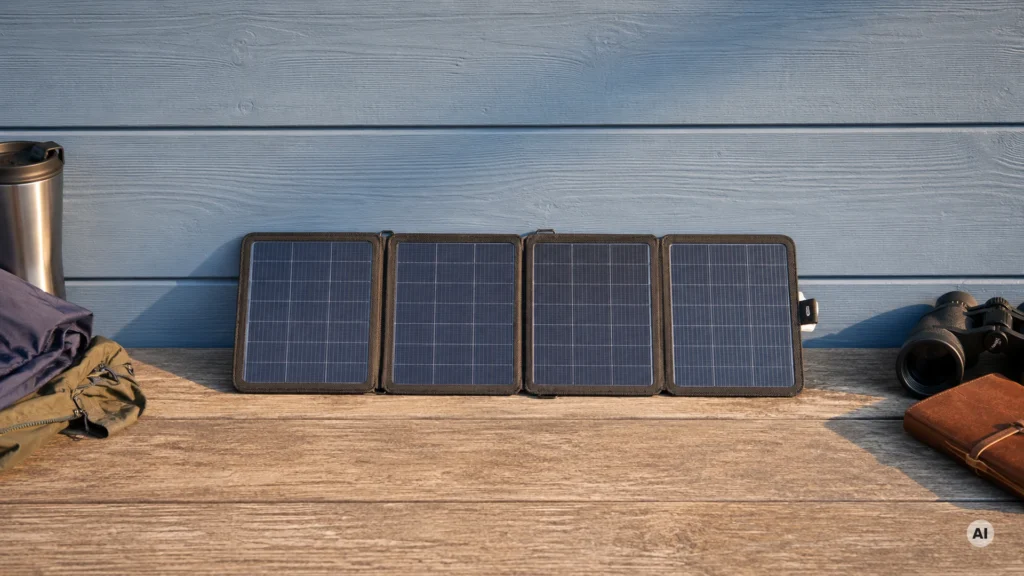
Foldable solar panels for solar-powered gadgets are the add-on that pulls energy from daylight. This category covers portable panels meant for things like power banks, USB chargers, lanterns, and small camping batteries.

The hard part is the trade-off between real charging power and portability. Higher watt panels are heavier and bulkier. Smaller panels pack easier but often feel slow. You also have to match panel output to your gadget, since many devices only accept specific charging inputs.

To narrow your choices, use wattage, battery and charging expectations, and build details like hinges and port protection. If you want the full set of options beyond panels, see our Best Solar-Powered Gadgets.

Quick Overview

Renogy 100W Foldable Solar Panel Solar Panel
#1 Renogy 100W Foldable Solar Panel Solar Panel
Anker PowerPort Solar 21W Solar Charger
#2 Anker PowerPort Solar 21W Solar Charger
Jackery SolarSaga 100W Solar Panel Solar Panel
#3 Jackery SolarSaga 100W Solar Panel Solar Panel
SunJack 25W Foldable Solar Charger Solar Charger
#4 SunJack 25W Foldable Solar Charger Solar Charger
Goal Zero Nomad 100 Solar Panel Solar Panel
#5 Goal Zero Nomad 100 Solar Panel Solar Panel

Our Top Picks

#1. Renogy 100W Foldable Solar Panel Solar Panel

Renogy 100W Foldable Solar Panel Solar Panel
Our Score
8.1 / 10
hover for details
Performance
8.3
Solar Charging
8
Build Quality
8.2
Usability
7.8
Value
8
BrandRenogy
Product TypeSolar Panel
Solar Panel Wattage100W
Water Resistance RatingIP65
Weight7.3 lb
Dimensions23 x 22.5 x 1.6 in
  • Meaningful recharge in daylight
  • Reliable, consistent brightness
  • Sturdy with secure seals
  • Solar input disconnect
  • Setup compatibility friction
  • Large and bulky

In a category where many foldable panels feel more like an emergency backup, this Renogy 100W panel stands out for delivering meaningful recharge in real daylight. Users tend to see steady output, which makes it easier to keep solar-powered gadgets running without constantly babysitting light angles. The panel uses IP65-rated outdoor protection, and reviews point to solid seals and dependable day-to-day consistency.

The main trade-off is practicality. At 7.3 lb and 23 x 22.5 x 1.6 in, it is large and bulky once folded out and ready to work. Some buyers also mention setup friction, including a solar input disconnect and device compatibility quirks. This is best for campers, off-grid users, and anyone who can plan a stable sun position, not for quick carry-and-go top ups.

→ Read full review

#2. Anker PowerPort Solar 21W Solar Charger

Anker PowerPort Solar 21W Solar Charger
Our Score
8.0 / 10
hover for details
Performance
8.1
Solar Charging
7.5
Build Quality
8.3
Usability
8.1
Value
8.2
BrandAnker
Product TypeSolar Charger
Solar Panel Wattage21 W
Solar Charge Time0.5 hr
Water Resistance RatingWater Resistant
Weight0.9 lb
Dimensions6.3 x 11.1 x 1.1 in

      The Anker PowerPort Solar 21W stands out in foldable solar panels for solar-powered gadgets because it targets faster top-ups with a higher 21W panel output than many small emergency-style chargers. In practical use, that means you spend less time waiting when you are topping off a phone, headlamp, or other USB gadget during a sunny outing, rather than relying on the panel as a last resort.

      That said, foldable solar chargers work best when you can place them facing the sun and keep them there. If you need dependable charging through shade, quick repositioning, or cloudy weather, expect slower results. This makes it a good pick for day trips and camping where you can set the panel out, not the best choice for constant on-the-go charging in mixed light.

      → Read full review

      #3. Jackery SolarSaga 100W Solar Panel Solar Panel

      Jackery SolarSaga 100W Solar Panel Solar Panel
      Our Score
      7.8 / 10
      hover for details
      Performance
      7.8
      Solar Charging
      7.7
      Build Quality
      8.1
      Usability
      7.6
      Value
      7.8
      BrandJackery
      Product TypeSolar Panel
      Solar Panel Wattage100W
      Water Resistance RatingIP65
      Weight6 lb
      Dimensions2.4 x 22.8 x 19.7 in
      • Sturdy with secure seals
      • Strong solar output
      • Better weather protection
      • Heavy to carry
      • Large and bulky

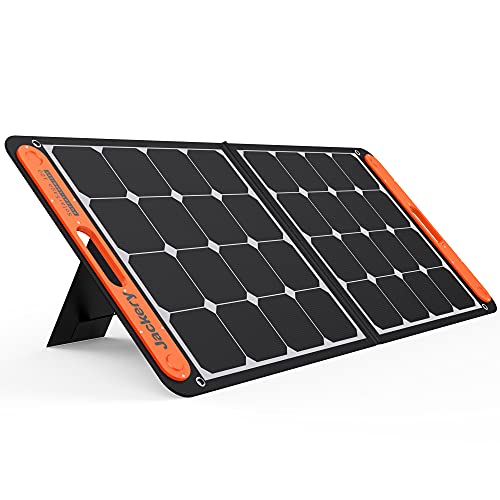
      This Jackery 100W foldable panel stands out for real outdoor use where you need more than a trickle charge. In practice, the panel output stays strong across typical sun conditions, and the build is made for travel with secure seals and solid outdoor protection (IP65). That combination makes it a better match for keeping solar-powered gadgets running in the field, like powering or topping off compatible chargers and power stations.

      The main trade-off is portability. At about 6 lb and with bulky folded dimensions, it is harder to toss in a small daypack than lighter solar panels. It fits best for car camping, longer trips, and users who set up camp and leave the panel out for a while, rather than people who want a quick, lightweight charging backup.

      #4. SunJack 25W Foldable Solar Charger Solar Charger

      SunJack 25W Foldable Solar Charger Solar Charger
      Our Score
      7.4 / 10
      hover for details
      Performance
      7.3
      Solar Charging
      7.1
      Build Quality
      8.1
      Usability
      7
      Value
      8
      BrandSunJack
      Product TypeSolar Charger
      Solar Panel Wattage25 W
      Battery Capacity10000 mAh
      Water Resistance RatingIP67
      Weight1.7 lb
      Dimensions11 x 7.8 x 1 in
      • Strong solar output
      • High capacity storage
      • Better weather protection
      • Heavy to carry
      • Variable sun dependency
      • Limited indicator clarity

      What makes this foldable solar charger stand out for solar-powered gadgets is its strong 25W panel paired with a 10000mAh battery. In practice, that combo matters when you are trying to keep small devices running while you are outside. The unit also carries an IP67 rating, so it is better suited to real outdoor conditions than many lighter, more basic solar chargers.

      The main trade-off is portability. At 1.7 lb and with a folded footprint that still feels bulky, it is not the easiest grab-and-go option. Solar charging will also depend on the sun, so expect slower recovery when light drops. If you plan to spend long stretches outdoors and want more reliable charging than tiny panels, this is a solid fit.

      → Read full review

      #5. Goal Zero Nomad 100 Solar Panel Solar Panel

      Goal Zero Nomad 100 Solar Panel Solar Panel
      Our Score
      7.4 / 10
      hover for details
      Performance
      7.4
      Solar Charging
      6.4
      Build Quality
      8
      Usability
      8.1
      Value
      7.5
      BrandGoal Zero
      Product TypeSolar Panel
      Solar Panel Wattage100W
      Water Resistance RatingWater Resistant
      Weight12 lb
      Dimensions2 x 20.5 x 20.5 in
      • sturdy with secure seals
      • Simple setup, intuitive operation
      • Strong solar output
      • Slow solar recovery
      • Heavy to carry
      • Large and bulky

      This 100W foldable panel stands out for people who need solid charging output for real-time outdoor use, not just a small trickle. In the field, the Nomad 100 keeps its output steadier than many smaller solar setups, and it pairs well with solar-powered gadgets that rely on consistent wattage. Build quality is also a clear plus, with sturdy materials and secure seals meant for day-to-day trips.

      The trade-off is portability. At about 12 lb and with a fairly bulky folded size, it is not the panel you toss in a day pack. Solar charging also has slower recovery when clouds or shade reduce sunlight, so it works best when you can place it in open sun for longer sessions. This is a good fit for car camping or base setups where panel position stays consistent, rather than quick, on-the-go charging.

      → Read full review

      What to Look For

      Panel Wattage That Matches Your Gadget: Start with the panel’s rated wattage, then check what your gadget can accept. A 25 W panel can make a dent in a phone or small power bank, but it will not replace a large battery charger for high-drain devices.

      Solar Charging Time in Real Sun: Look for how long the panel takes to recharge at useful output, not in perfect conditions. Many foldable panels need long exposure, especially if you charge on cool mornings or in partial shade.

      Battery Capacity and Runtime Expectations: Even when the panel wattage sounds strong, runtime depends on the battery you are charging and the gadget’s power draw. Treat runtime as a planning target for your use case, like overnight phone top-ups or multi-day camping light schedules.

      Build Quality for Outdoor Handling: Focus on the hinge durability, cable strain relief, and port protection. Panels get folded, carried, and set down often. Reviews that mention broken hinges, loose sections, or damaged ports are a red flag.

      Usability With Clear Connections: Choose panels that plug in without juggling adapters. Check that connectors fit your charging setup and that you can position the panel easily. Good panels also make it simple to keep them aimed at the sun during charging.

      How We Picked

      Products were identified through broad research across review sites and buyer forums, then filtered to only those that qualify as Foldable Solar Panels for Solar-Powered Gadgets. I kept models that are actually meant to be carried, folded, and used to recharge other gadgets in daylight.

      Scoring used the same objective pillar framework as the main Solar-Powered Gadgets post, allowing direct comparison of products within this sub-category. Performance, solar charging effectiveness, build quality, usability, and value were weighted to reflect what buyers feel day to day when charging in imperfect outdoor light.

      Frequently Asked Questions

      How do I choose the right foldable solar panel wattage for my solar powered gadget?

      Start with your device battery size and its typical charging power. Then compare it to the panel wattage in good sun, not shade or cloudy weather. Lower watt panels can work for small gadgets, but they charge slowly. Higher watt panels recharge faster, especially when you need steady output.

      What is the best way to set up a foldable solar panel for faster charging?

      Place the panel where it gets direct sun for most of the day. Face it toward the sun and adjust the angle when possible. Keep the panel clean and free of dust. Also avoid charging through thick cases that block airflow or interfere with cables.

      Do foldable panels charge well if part of the panel is in shade?

      They usually charge more slowly when any section gets shaded. Many foldable panels use bypass wiring, but performance still drops. If your setup includes trees, tents, or window reflections, try to reposition the panel. You may also use a longer charging cable to keep the panel in full light.

      How should I maintain and store a foldable solar panel?

      Let the panel cool before folding it after sun exposure. Wipe it with a soft, damp cloth and dry it fully before storage. Store it flat or in a protective bag to avoid hinge strain. Avoid sharp bends, and do not leave it outdoors in heavy rain unless it has a clear waterproof rating.

      When should I pick a different Solar-Powered Gadgets type instead of a foldable solar panel?

      Choose a power bank or solar charger when you want a simple, grab and charge option. Choose a foldable panel when you need more wattage, longer outdoor sessions, or flexible panel placement. If you only need quick top ups in short trips, a smaller solar charger may work better. For camping in bright areas, a panel can be more efficient over time.

      How do foldable solar panels compare to fixed or built-in solar gadgets in real use?

      Foldable panels give you more flexibility to face the sun and place the panel where light is best. Fixed or built-in solar gadgets are more convenient, but they often capture less light. Foldable panels also tend to offer higher peak power, which helps with faster charging. The tradeoff is bulk and setup time.

      See Also

      Share:
      On Key
      You Might Also Like