




The 3 Best Flat Soaker Garden Hoses in 2026

Transparency Note: This post contains affiliate links. As an Amazon Associate, we earn from qualifying purchases at no extra cost to you.

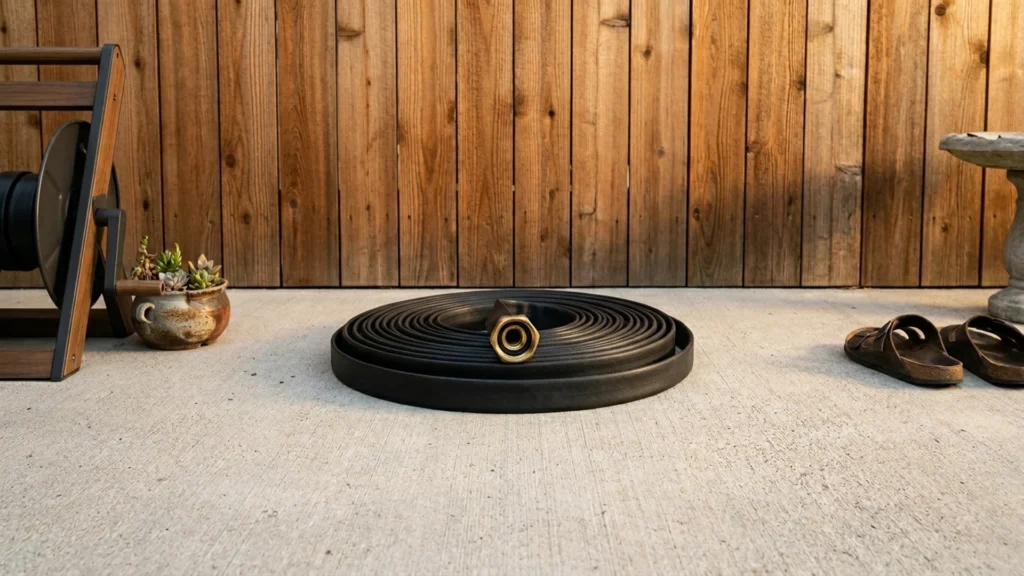
Flat soaker garden hoses are designed to lay close to the soil and release water along their length. That flat shape helps you target roots in beds, borders, and raised planters without flooding walkways.

Picking one is harder than it looks because the flat form can change how the hose performs and stores. Water delivery can vary across the run length, and some hoses flatten permanently after repeated use. You also need to balance material thickness and ply count against everyday handling and storage space.

If you want help comparing all hose types, not just flat soakers, read the full guide in our Best Garden Hoses post at the end of this sub-category section by section.

Quick Overview

LINEX Flat Soaker 15' Garden Hose
#1 LINEX Flat Soaker 15' Garden Hose
GILMOUR Flat Weeper 50' Garden Hose
#2 GILMOUR Flat Weeper 50' Garden Hose
LINEX Flat Soaker 50' Garden Hose
#3 LINEX Flat Soaker 50' Garden Hose

Our Top Picks

#1. LINEX Flat Soaker 15' Garden Hose

LINEX Flat Soaker 15' Garden Hose
Our Score
7.8 / 10
hover for details
Performance
8
Durability
7.3
Handling
8
Fittings
7.2
Value
8.6
BrandLINEX
Hose Length15 ft
Hose Diameter0.5 in
Hose TypeSoaker
Weight3 lb
  • Consistent flow delivery
  • Smooth coil and maneuver
  • Reliable performance at fair cost
  • Too short for yard

LINEX Flat Soaker 15' stands out because it keeps water spread where you need it. As a flat soaker, it lays down along beds instead of fighting the way round hoses roll back up. Users should notice steady flow and consistent output rather than a thin, uneven trickle. It also stays easy to move and coil for daily use, so wrapping it back up after watering feels less like a hassle than with bulkier layouts.

The main trade-off is simple: 15 ft can be short for larger yards. If you have long garden rows, you may need to reposition it often or use it in smaller zones. It is a good match for tight bed areas where you can run it in one or two straight stretches.

→ Read full review

#2. GILMOUR Flat Weeper 50' Garden Hose

GILMOUR Flat Weeper 50' Garden Hose
Our Score
7.8 / 10
hover for details
Performance
7.7
Durability
7.7
Handling
7.6
Fittings
7.6
Value
8.5
BrandGILMOUR
Hose Length50 ft
Hose Diameter0.625 in
Hose MaterialVinyl
Hose TypeFlat
Weight1.4 lb
  • Reliable performance at fair cost
  • Light and easy to move
  • Even bed soaking
  • Less durable vinyl
  • Less precise watering

GILMOUR flat weeper hose stands out because it lays down flat for steady garden bed soaking. The 50 ft length is easy to route along rows, and the water output stays even rather than surging and stopping. In day to day use, it is light at about 1.4 lb, so moving it around corners and tucking it into tight planting spaces feels manageable. You get the soaker style you want without the usual fight of a bulky round hose.

The main trade-off is material feel. It uses vinyl, and that can be less forgiving than thicker, more rugged hose walls when the hose is dragged, kinked, or left out season after season. It also is not the most precise for point watering, so it is best when you want broad, gentle wetting across a bed rather than targeted hits on small spots.

#3. LINEX Flat Soaker 50' Garden Hose

LINEX Flat Soaker 50' Garden Hose
Our Score
7.6 / 10
hover for details
Performance
7.4
Durability
7.5
Handling
8
Fittings
6.8
Value
8.1
BrandLINEX
Hose Length50 ft
Hose TypeSoaker
  • Smooth coil and maneuver
  • Reliable performance at fair cost
  • Threads loosen over time
  • Connection leak risk

The LINEX Flat Soaker 50 ft hose stands out for how it spreads water along the ground. That flat, low-profile layout helps it feed beds and rows more evenly than round hoses that shoot water in a more concentrated stream. In day-to-day use it stays easy to move and lays out smoothly, so you can set it along a garden edge and get steady soaking coverage without constant readjusting. Performance is solid for typical garden lengths, with water delivery that does not feel overly restricted.

The main trade-off is at the ends. Some users may run into connections that start to seep as the threads loosen over time. If you plan to use it year after year, it is worth checking fittings during setup and watching for small leaks around the spigot and hose connections, since that can shorten the useful life of the setup even when the soaker fabric itself seems to hold up.

What to Look For

Even water coverage: Look for a soaker that keeps flow consistent from one end to the other. Flat soakers can lose pressure on long runs, which shows up as dry spots along the far section.

Length that matches your bed: Choose a run length that reaches your plants with minimal overlap. If you need to stretch past the hose limits, you can get thin output at the far end.

Durability under weather and abrasion: Prioritize hoses with higher ply counts and stronger burst pressure ratings. For flat soakers, that matters because the hose gets dragged, walked over, and exposed to sun and moisture all season.

Low memory and kink resistance: A flat hose should unroll and lay down without stubborn curling. If it holds bends or kinks, water coverage becomes uneven and the hose does not sit flat on the soil.

Reliable end fittings: Check for leak-free connections at both ends and a fitting material that resists corrosion. Flat soakers get moved during setup, so weak connectors can loosen or seep over time.

How We Picked

Products were identified through broad research across review sites and buyer forums, then filtered to only those that qualify as Flat Soaker Garden Hoses.

Scoring used the same objective pillar framework as the main Garden Hoses post, allowing direct comparison of products within this sub-category.

Frequently Asked Questions

What does a flat soaker hose do better than a round soaker hose?

A flat soaker spreads water over a wider strip. That helps the soil soak evenly under mulch or along plant rows. It also keeps the hose closer to the ground for less bouncing and rolling.

Do I need to fully cover the flat soaker hose with mulch for best results?

Mulch helps hold moisture and protect the hose from sun. You can run the hose without mulch, but you may see more evaporation. If you use mulch, place it so water can still reach the ground.

How far can I run a flat soaker hose before the water pressure drops?

Longer runs usually deliver less even flow. If your end spots look dry, shorten the line or add a second hose zone. Starting with the right length for your garden bed reduces dry patches.

How should I store a flat soaker hose to prevent cracks and kinks?

Store it dry and out of direct sun. Coil it loosely and avoid tight bends at the ends. If the hose feels stiff after winter, let it warm up before you roll it again.

When should I choose a different type of garden hose instead of a flat soaker?

Choose a standard hose with a nozzle if you need to water scattered spots. Choose a soaker when you want steady watering along rows or beds. If you often need to rinse tools or reach far corners, a flat soaker may be less convenient.

How do flat soaker hoses compare to standard garden hoses in terms of water use?

Flat soaker hoses apply water low and slow at the soil surface. That can reduce wasted runoff compared to overhead spray. You still need enough flow for your bed, but the goal is more targeted watering.

See Also

Share:
On Key
You Might Also Like