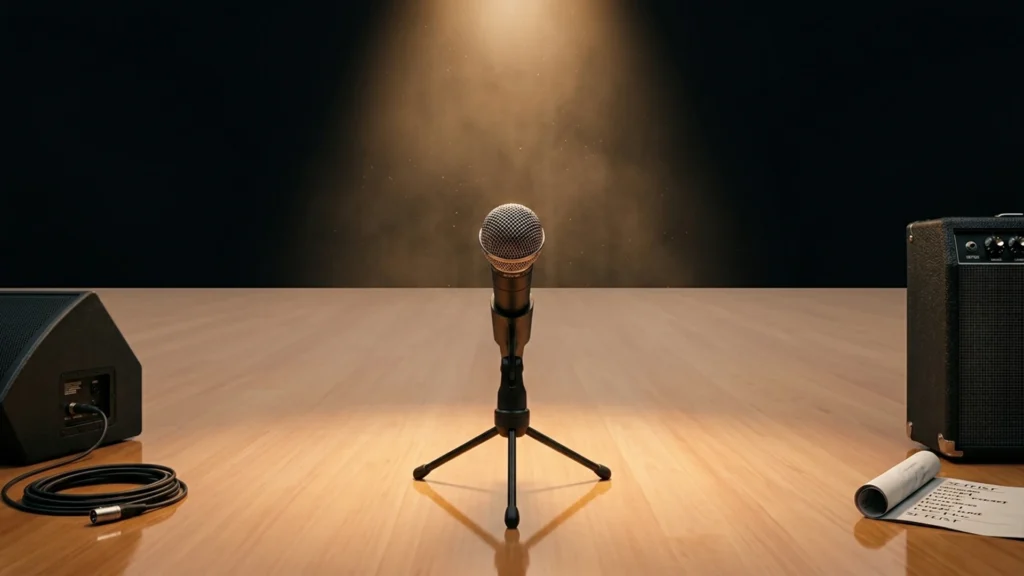
Dynamic handheld microphones are built for direct use. You hold them close, speak or sing into them, and rely on the mic to stay stable under loud volume. For buyers in this sub-category, the goal is clear voice pickup with low noise, strong rejection of sound from the sides, and solid handling durability.
Picking one is harder than it sounds. You trade off vocal tone versus harshness, and you also trade off how forgiving the mic is when you move it around. Some models focus on raw stage use, while others sound more controlled but still need proper gain settings to avoid distortion.
Use this guide to match your use case to the right dynamic handheld pick, then compare the top options in the main rankings: Looking for all types? See our Best Microphones.
Quick Overview
Our Top Picks
#1. Shure SM57 Instrument Microphone

Specifications
| Brand | Shure |
|---|---|
| Microphone Type | Dynamic |
| Form Factor | Handheld |
| Polar Pattern | Cardioid |
| Connector Type | XLR |
| Sensitivity | -56 dBV/Pa |
Pros
- Balanced, detailed and clean
- Sturdy metal and secure cable
- Plug-and-play with stable mounting
Cons
- Low sensitivity
- Technique-dependent sound
- Placement variability
The Shure SM57 stands out in the dynamic handheld microphone category with a balanced, clean sound that stays controlled when a performance gets loud. Its cardioid pickup helps keep the focus on the speaker or instrument, and it handles harsh room spill better than many general-purpose handheld dynamics. The result is a natural vocal midrange that works well on stage, while still being practical for home recording when you need one mic that behaves predictably.
The main trade-off is sensitivity. It does not feel as effortless at very low volume, so your positioning and speaking or playing strength matter. This mic is a strong fit for performers and presenters who want solid build quality, stable mounting, and reliable rejection, but it is less forgiving if you plan to rely on close-but-inconsistent technique or unpredictable mic placement.
#2. Shure SM58 Dynamic Microphone

Specifications
| Brand | Shure |
|---|---|
| Microphone Type | Dynamic |
| Form Factor | Handheld |
| Polar Pattern | Cardioid |
| Connector Type | XLR |
| Sensitivity | 54.5 dBV/Pa |
| Max Spl | 150 dB SPL |
Pros
- Balanced, detailed and clean
- Plug-and-play with stable mounting
- Sturdy metal and secure cable
Cons
- Top-end requires EQ
In the Dynamic Handheld Microphones space, Shure SM58 stands out for how consistently it sounds like a dependable vocal mic in messy real-world use. Its cardioid pickup helps keep focus on the speaker, while the overall tone stays balanced and clean even at higher input levels. It also pairs that sound with build you can trust, using sturdy metal construction and a secure, ready-to-perform setup for everyday carry, setup, and live handling.
The main trade-off is tonal refinement. The top end can need EQ to get the most natural presence and edge, so it may not feel plug-and-play in every system or room. This is best for performers, speakers, and anyone running live vocals or high-use rehearsals who want a solid handheld dynamic that stays stable in typical mixes, even if it takes a little tuning for the brightest results.
#3. Sennheiser e835 Vocal Microphone

Specifications
| Brand | Sennheiser |
|---|---|
| Microphone Type | Dynamic |
| Form Factor | Handheld |
| Polar Pattern | Cardioid |
| Connector Type | XLR |
| Power Source | Battery |
| Frequency Response | 40 Hz - 16000 Hz |
| Sensitivity | 2.7 mV/Pa |
Pros
- Balanced, detailed and clean
- Sturdy metal and secure cable
- Plug-and-play with stable mounting
Cons
- Narrow frequency response
- Low sensitivity
- Battery-limited operation
With its cardioid dynamic design, the Sennheiser e835 stands out as a go-to handheld for clean, intelligible vocals. It delivers balanced detail and a natural tone, while keeping handling noise and off-axis spill under control. The build is solid, with a sturdy metal body and a secure cable connection that holds up to constant grip changes on stage or in rehearsals. Setup is straightforward with plug-and-play use and stable mounting.
The trade-off is that it is not the most sensitive option, so you may want to pair it with a gain-friendly mixer or audio interface. Its frequency response is also on the narrower side, which can make it less forgiving for unusual voices or bright rooms. Battery-limited operation means you are less free to use it for long sessions without planning around power.
What to Look For
Sound clarity under pressure: Choose a mic that delivers clean midrange for vocals and speech. Dynamic handheld models usually perform best when they control sibilance and plosives, so your consonants stay readable without a sharp edge. Avoid mics that sound thin or raspy at typical live distances.
Side rejection for real rooms: Look for a cardioid pattern when you will be near speakers or other people. Better off-axis rejection keeps spill lower, which reduces muddiness and feedback risk. If you will use the mic close to your mouth, cardioid is usually the most practical fit for dynamic handheld use.
Handling noise resistance: A handheld mic must survive grips, cable tug, and bumps. Focus on build and grille strength, plus a well-made switch and sturdy connector. If the mic feels loose or rattly, you will hear it in quiet parts.
Compatibility with your gear: Prioritize XLR output for most live and studio setups. Check whether you need a particular connection type from your mixer or interface. If you plan to plug into an audio interface, make sure your system has an XLR input with the right gain range.
Value for repeat use: For this category, value is mostly reliability plus usable vocal tone. A lower cost mic can work, but you should still expect stable performance at loud volume and fewer handling issues over time.
How We Picked
Products were identified through broad research across review sites and buyer forums, then filtered to only those that qualify as Dynamic Handheld Microphones.
Scoring used the same objective pillar framework as the main Microphones post, allowing direct comparison of products within this sub-category.
Frequently Asked Questions
What makes a dynamic handheld microphone a good choice for live vocals?
Dynamic handheld microphones handle loud voices well. They also work with less worrying about feedback because many use a cardioid pickup pattern. They are tough enough for frequent use on stage. You can also get consistent sound without needing a lot of setup.
Do I need a pop filter when I use a dynamic handheld mic for singing?
Often you still benefit from a pop filter or a foam windscreen. It helps reduce harsh plosives like P and B sounds. Many singers also get great results by staying a few inches from the mic. If your voice is very aggressive, use both the mic technique and a basic screen.
How do I choose between a mic that sounds more bright versus one that sounds more warm?
Bright sounding mics add clarity to the high range. Warm mics often smooth the mids and reduce harshness. The best choice depends on your room and your voice. If your recordings sound sharp or tiring, pick a mic with a smoother top end.
How should I set the distance from the microphone when using a handheld dynamic?
Start about 2 to 4 inches from the microphone. Then adjust until your volume sounds natural without distortion. Moving closer usually boosts bass and can increase boominess. Moving farther usually tightens the tone and reduces bass.
When should I consider a different type of microphone instead of a dynamic handheld?
Consider a condenser microphone if you want more detail and air for quiet or controlled recordings. Choose a ribbon mic when you need a smooth, vintage style and a softer top end. If you deal with very loud sources, dynamics still usually hold up better. For noisy environments, dynamics are often the safer pick.
How do dynamic handheld microphones compare to condenser mics for noise and setup?
Dynamic handheld mics typically have lower sensitivity than condensers. That means they capture less room noise. They also usually need no power beyond what your audio gear provides, like phantom power only for some models. This makes them easier to use for live work and quick setups.