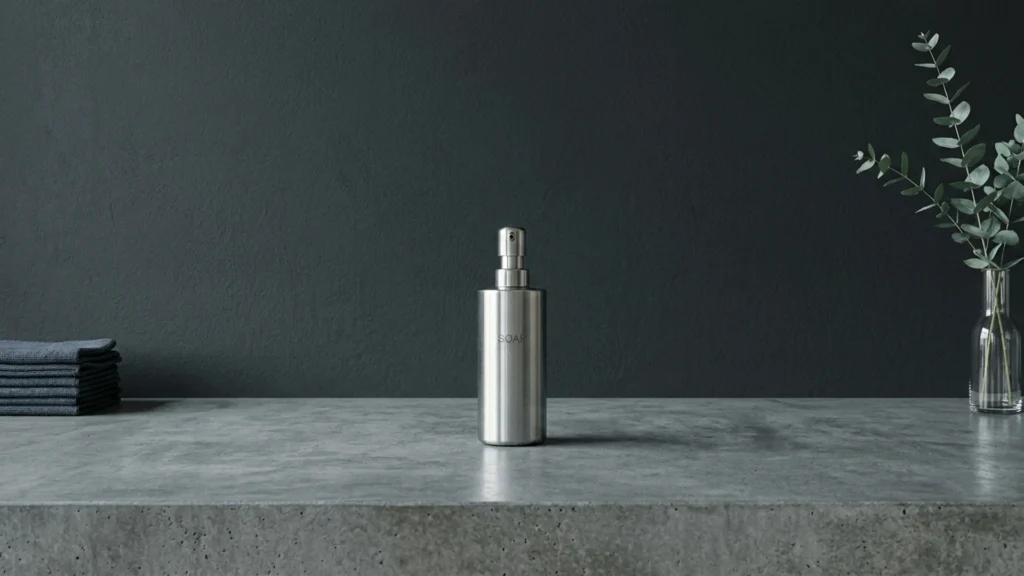
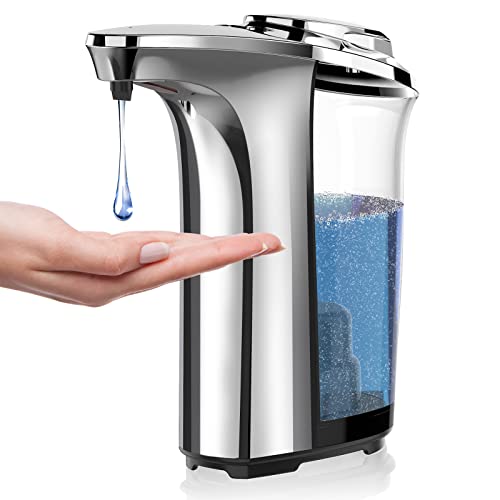
Dish soap dispensers are the countertop or sink-area tools that dispense dishwashing liquid in measured doses. Buyers in this sub-category care most about consistent flow while you scrub. They also need a reliable refill process that does not drip down the counter.
Picking the right model is harder than it looks. Dish soap is thicker than many hand soaps, so weak pumps can sputter or clog. Touchless sensors can also misfire when hands are wet or covered in suds. Finally, you must balance capacity and form factor. A larger tank refills less often, but some bulky designs take up valuable counter space.
Use these criteria to narrow down models that match how you actually wash dishes, not just how they look on a product page. Looking for all types? See our Best Soap Dispensers.
Quick Overview
Our Top Picks
#1. GAGALIFE Kitchen Sink Soap Dispenser

Specifications
| Brand | GAGALIFE |
|---|---|
| Mounting Type | In-Counter |
| Soap Compatibility | Dish Soap |
| Operation Type | Manual Pump |
| Power Source | Manual |
| Material | Brass |
Pros
- Easy setup, simple controls
- Reliable performance, fair cost
- Clean look, well-proportioned
Cons
- Limited compatibility
This in-counter dish soap dispenser stands out for its manual pump and sturdy brass build. In day-to-day sink use, it delivers soap with steady, repeatable control, so you are not dealing with sputtering or random drips while you wash dishes. Setup is also straightforward, which matters when you want something that stays put under regular countertop traffic. It also looks clean and well-proportioned in the sink area, so the dispenser does not feel like an afterthought.
The main trade-off is limited compatibility. If you use a specific dish soap type, make sure it matches what this dispenser is meant for before you install it. This is best for households that prefer a simple pump they can operate with one hand while their other hand stays busy.
#2. SonTiy Kitchen Sink Soap Dispenser

Specifications
| Brand | SonTiy |
|---|---|
| Soap Compatibility | Dish Soap |
| Operation Type | Manual Pump |
| Power Source | Manual |
| Capacity | 17 oz |
| Material | Stainless Steel |
| Dimensions | 3.3 x 9.5 x 7.1 in |
Pros
- Reliable performance, fair cost
- Easy setup, simple controls
- Durable corrosion resistance
Cons
- Manual touch required
- Limited compatibility
This SonTiy sink soap dispenser stands out for dish duty because it uses stainless steel construction and a simple manual pump for consistent, repeatable dispensing. With a 17 oz tank, it fits well under typical kitchen sink setups and reduces how often you refill. Setup is straightforward, and the controls are easy to use one handed while you rinse or scrub. Corrosion resistance also matters here since dish areas see constant moisture and splashes.
The main trade-off is that it still requires a touch to pump, so it is less hands-free than sensor models. It also has limited compatibility, so you will want to stick to dish soap it works with well instead of experimenting with thick, unusual formulas.
#3. Aunmaon Touchless Soap Dispenser

Specifications
| Brand | Aunmaon |
|---|---|
| Mounting Type | Wall Mount |
| Soap Compatibility | Liquid Soap |
| Operation Type | Touchless Sensor |
| Power Source | Battery |
| Capacity | 12.5 oz |
| Dimensions | 7.3 x 4 x 2.8 in |
Pros
- Hands-free operation
- Easy setup, simple controls
- Reliable performance, fair cost
Cons
- Requires frequent battery changes
- Thin plastic shows wear
- Limited compatibility
This touchless wall dispenser stands out in the dish soap dispenser category because it keeps things clean while you wash. A sensor delivers liquid soap on contact, so you do not have to touch a pump with wet hands. For kitchens and shared bathrooms, that hands free flow reduces mess and helps keep the soap area looking tidy.
The main trade off is power. It runs on batteries, so you will need to swap them more often than a manual pump. It is also made from thin plastic, so it may show wear over time. Best fit: households that want sensor-based dispensing and are okay with battery upkeep.
#4. PZOTRUF 17oz Touchless Soap Dispenser

Specifications
| Brand | PZOTRUF |
|---|---|
| Soap Compatibility | Dish Soap |
| Operation Type | Touchless Sensor |
| Power Source | Battery |
| Capacity | 17 oz |
| Material | Aluminum |
| Dimensions | 7.4 x 6.4 x 3.3 in |
Pros
- Reliable performance, fair cost
- Hands-free operation
Cons
- Requires frequent battery changes
- Limited compatibility
For dish soap stations, the big draw here is hands-free dispensing. The PZOTRUF uses a touchless sensor to release soap cleanly with a quick response, which helps when your hands are wet or greasy. It is also built from aluminum and sized at 7.4 x 6.4 x 3.3 in, so it fits well near a sink without looking bulky.
The main trade-off is power. It runs on batteries, so you will need to change them more often than a plug-in model. It also has limited compatibility, so stick to dish soaps it is designed to work with for the smoothest flow and fewer drips.
What to Look For
Clog-resistant dispensing: Dish soap can be slow-flowing and thicker than hand soap. Favor dispensers with a strong pump or a well-regulated flow path. Watch for signals of sputtering, dripping, or missed activations, since those turn into soap waste on your counter.
Dish soap compatibility: Confirm the dispenser supports Dish Soap rather than only Liquid Soap or Foam Soap. Some models work for thinner liquids and then struggle with dish detergents. If a unit is tuned for foaming or sanitizer, it may not dispense cleanly for dishwashing liquid.
Operation that fits wet hands: For dish duty, Manual Pump and Lever styles often handle wet, slippery hands better than sensors. If you choose Touchless Sensor, look for fast response and reliable activation with damp skin, not delayed triggering after you reach in.
Capacity and refill access: Choose a capacity that matches your household pace. A larger chamber reduces refill frequency, which matters because dish soap refills are messy. Also check for a wide opening or simple access so you can refill without fighting tight parts.
Leak control and cleanup: Dish soap leaks are more noticeable than hand soap leaks. Prioritize sealed construction and stable bases. If the dispenser is touchless or battery-powered, pay extra attention to how it holds the liquid and how the nozzle area cleans.
How We Picked
Products were identified through broad research across review sites and buyer forums, then filtered to only those that qualify as Dish Soap Dispensers.
Scoring used the same objective pillar framework as the main Soap Dispensers post, allowing direct comparison of products within this sub-category.
Frequently Asked Questions
What size dispenser should I choose for dish soap use at the sink?
Most dish soap dispensers hold between 12 oz and 33 oz. If you wash dishes often or share a household, choose a larger tank to refill less. If you only use it for quick hand washing, a smaller capacity may be enough.
Do dish soap dispensers work with thick dish liquids and gel soaps?
They usually work best with standard liquid dish soaps. Touchless and some manual pumps may struggle with very thick gel soaps. If the soap is extra thick, test with a small batch first and check for smooth flow.
How do I stop a dish soap dispenser from clogging or dripping?
Use soap that is not full of solids or scrubbers. Keep the pump tube clean and wipe the nozzle after heavy use. If it drips, check that the refill bottle is sealed and the dispenser sits upright.
What is the main difference between manual and touchless dish soap dispensers?
Manual pumps give consistent soap with each press. Touchless models reduce hand contact and speed up refills during busy times. Touchless models can require battery charging or adapter power, depending on the unit.
When should I choose a regular soap dispenser instead of a dish soap dispenser?
Choose a regular soap dispenser if you mainly need hand soap near a bathroom or kitchen sink. Dish soap dispensers are tuned for dish liquids and kitchen cleaning habits. If you switch often between dish soap and hand soap, consider dedicated dispensers to avoid residue buildup.
How do dish soap dispensers compare to other soap dispensers in terms of daily mess and cleanup?
Dish soap dispensers often face more splashes and thicker soap use. A good nozzle design and reliable pumping help prevent drips and sticky buildup. If you want easier cleanup, look for smooth plastic or metal surfaces and a removable pump for washing.


