




The 4 Best Compound Digital Microscopes in 2026

Transparency Note: This post contains affiliate links. As an Amazon Associate, we earn from qualifying purchases at no extra cost to you.

Compound digital microscopes combine an optical compound microscope style with a built-in digital camera and display. For buyers, the key need is a live view that stays sharp while you move from low to high power. You also need controls and illumination that let you inspect real samples, not just hit the biggest stated magnification number.

Picking one is hard because trade-offs show up fast at the top end. Higher magnification often brings weaker image sharpness, lower effective detail, and more image noise. Some units also lag in preview, make focusing awkward, or rely on lighting that creates glare on glossy or reflective samples. The result is a microscope that looks good in specs but feels frustrating during actual inspection.

Use this guide to narrow down options based on imaging quality, real controls, build stability, and lighting coverage. Looking for all types? See our Best Digital Microscopes.

Quick Overview

SWIFT SW350T Digital Microscope
#1 SWIFT SW350T Digital Microscope
SWIFT SW380T Digital Microscope
#2 SWIFT SW380T Digital Microscope
AmScope B120 Digital Microscope
#3 AmScope B120 Digital Microscope
OMAX 40X-2000X Digital Microscope
#4 OMAX 40X-2000X Digital Microscope

Our Top Picks

#1. SWIFT SW350T Digital Microscope

SWIFT SW350T Digital Microscope
Our Score
7.3 / 10
hover for details
Imaging
6.8
Usability
7.6
Build
7.2
Lighting
7.7
Value
7.7
BrandSWIFT
Magnification Range40x-2500x
Sensor Resolution5 MP
Display Size10.1 in
Working Distance0.29 mm
Illumination TypeLED
  • High magnification
  • Large screen display
  • Beginner-friendly setup
  • Decent clarity, slight blur
  • Tight working distance

The SWIFT SW350T stands out in compound digital microscopes for its big 10.1 in screen, which keeps you from squinting at a small display while you inspect tiny parts. With a 5 MP sensor and a 40x-2500x range, it is easier to follow what is happening at higher magnifications than most handheld or single-lens designs. For compound-style viewing, where you want steady framing and a clear live view, the larger screen is the main practical win.

The trade-off is usable detail near the top end. Clarity is decent, but you can see slight blur as you push toward the highest magnification. Also, the working distance is tight at 0.29 mm, so you must plan how you place specimens. This is a good fit for beginners who want a straightforward setup and a large viewing area, but it is less forgiving for close, delicate targets that need more space to position.

→ Read full review

#2. SWIFT SW380T Digital Microscope

SWIFT SW380T Digital Microscope
Our Score
7.2 / 10
hover for details
Imaging
6.9
Usability
8
Build
7.2
Lighting
6.6
Value
7.7
BrandSWIFT
Magnification Range40x-2500x
Sensor Resolution5 MP
Illumination TypeLED
ConnectivityUSB 3
  • Controls feel intuitive
  • High magnification
  • High-resolution imaging
  • Decent clarity, slight blur
  • Some hotspots, uneven brightness
  • Limited connectivity

The SWIFT SW380T stands out for compound-style looking work that still needs a usable live view. With a 40x-2500x range and a 5 MP sensor, it can capture fine surface detail without feeling aimed only at the lowest power. Controls are straightforward, so you can move from inspection to saving images with less fumbling than many digital microscopes.

The main trade-off is image consistency at the top end. Clarity is decent but can soften with slight blur, and lighting can show hotspots and uneven brightness. Connectivity is limited as well, which may slow workflows that rely on easy file transfer or streaming. This makes it a better pick for hands-on scanning and quick documentation than for long sessions that demand perfectly even illumination and crisp results at every magnification step.

#3. AmScope B120 Digital Microscope

AmScope B120 Digital Microscope
Our Score
6.9 / 10
hover for details
Imaging
6.2
Usability
7.5
Build
7.1
Lighting
7.2
Value
7.6
BrandAmScope
Magnification Range40x-2500x
Sensor Resolution5 MP
Illumination TypeLED
ConnectivityUSB
  • High magnification
  • Beginner-friendly setup
  • Calibration measurement tools
  • Decent clarity, slight blur
  • Limited connectivity
  • Software-dependent usability

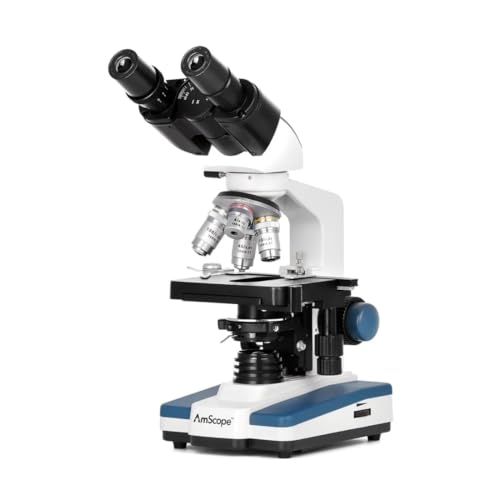
The AmScope B120 stands out in compound digital microscopes because it pairs a wide 40x to 2500x magnification range with a setup that works well for newcomers. The included calibration measurement tools help you take more than just pictures. For classroom work, hobby electronics, or routine material checks, that mix of high magnification and practical measurement makes it easier to get consistent results than simpler entry models.

The trade-off is image sharpness at the top end. Expect slightly blurry detail near the highest magnification, so fine text and tiny surface textures may require patience. It also leans on software for viewing and capture, and that can make day to day use feel less straightforward than models with more direct, self-contained controls. Choose it if you want a learning friendly workflow and measurement support, and accept that the preview may not stay perfectly crisp at 2500x.

#4. OMAX 40X-2000X Digital Microscope

OMAX 40X-2000X Digital Microscope
Our Score
6.8 / 10
hover for details
Imaging
6
Usability
7
Build
7.2
Lighting
7.1
Value
7.5
BrandOMAX
Magnification Range40x-2000x
Sensor Resolution5 MP
Display Size9.7 in
Working Distance1.2 in
Illumination TypeLED
ConnectivityUSB
Frame Rate60 fps
  • High magnification
  • Large screen display
  • Smooth video capture
  • Decent clarity, slight blur
  • Tight working distance
  • LED driver failures

This OMAX 40X-2000X model stands out among compound-style digital microscopes because it pairs high magnification with a large 9.7 in screen and smooth 60 fps live viewing. That makes it easier to track tiny parts while you adjust focus, then capture video without the view freezing or stuttering. For compound microscope tasks like examining small surfaces, grain-like details, or thin samples, the live preview helps you find the area you care about faster.

The main trade-off is clarity near the top end. Expect decent detail overall, but slight blur when you push toward 2000x. The working distance is tight at 1.2 in, so thick specimens can be hard to fit and you may need careful positioning. Also, there are reports of LED driver failures, so this is best for users who want an on-screen workflow and can be quick about troubleshooting if the lights stop working.

What to Look For

Live Image Clarity at High Magnification: Check whether the image holds sharp detail as you increase magnification. Prefer sensors with clearer capture and smoother live framing, since many compound units lose usable detail near the top of their stated range.

Sensor Resolution That Translates to Detail: Use the listed sensor resolution as a practical guide, not a marketing number. Higher resolution can help you see fine edges and texture, but only if the optics and processing do not blur or over-noise the preview.

Focus and On-Device Usability: Look for responsive focusing and controls that let you adjust quickly. Prioritize setups with an easy-to-read display and straightforward ways to view or save images and video, since compound microscopes demand frequent re-focusing during routine work.

Stable Build and Stand Precision: Compound-style inspection at higher magnification amplifies wobble. Choose units with a solid base and a focus mechanism that does not drift, so your sample stays centered and in focus longer.

Illumination Fit for Your Specimens: Confirm you get bright, even light without harsh hotspots. A practical lighting setup matters for both opaque samples and reflective surfaces, so pay attention to whether the unit uses ring or directional LED style illumination.

How We Picked

Products were identified through broad research across review sites and buyer forums, then filtered to only those that qualify as Compound Digital Microscopes.

Scoring used the same objective pillar framework as the main Digital Microscopes post, allowing direct comparison of products within this sub-category.

Frequently Asked Questions

What makes a compound digital microscope different from a basic digital microscope?

Compound digital microscopes are built for small samples and fine detail. They usually combine higher magnification claims with a microscope-style viewing workflow. Basic digital models may be simpler, but they often struggle with tiny textures at the top end. A compound design also tends to work better when you need consistent focus across a small field.

What should I check to make sure the image stays sharp at higher magnification?

Look for stable live view and a solid sensor. Fast preview helps you find focus quickly. Strong products keep detail clear across the full magnification range. If the image gets blurry fast, the effective magnification is usually lower than marketing suggests.

How do I set up lighting so reflect light does not wash out my sample?

Start with lower brightness, then increase slowly. If your unit has ring or top LED lighting, try each option and compare shadows. Use even illumination to reduce hotspots on shiny surfaces. For opaque samples, brighter settings can help, but avoid glare on the brightest parts.

How do compound digital microscopes compare to other digital microscope types for working distance?

Compound models often have less room between the lens and the sample. That can make it harder to place objects or adjust samples mid-session. Other digital types sometimes give more space for thicker items. If you need to keep tools or probes near your sample, choose a type with more working room.

When should I consider a different type of digital microscope instead?

Choose a different type if you need a larger viewing area or longer working distance. You should also switch if your samples are too bulky or too close-packed for the compound setup. If you mostly inspect flat items like coins or small boards, a simpler viewing style may be easier. Compound microscopes shine when you care most about small textures and tight detail.

See Also

Share:
On Key
You Might Also Like