




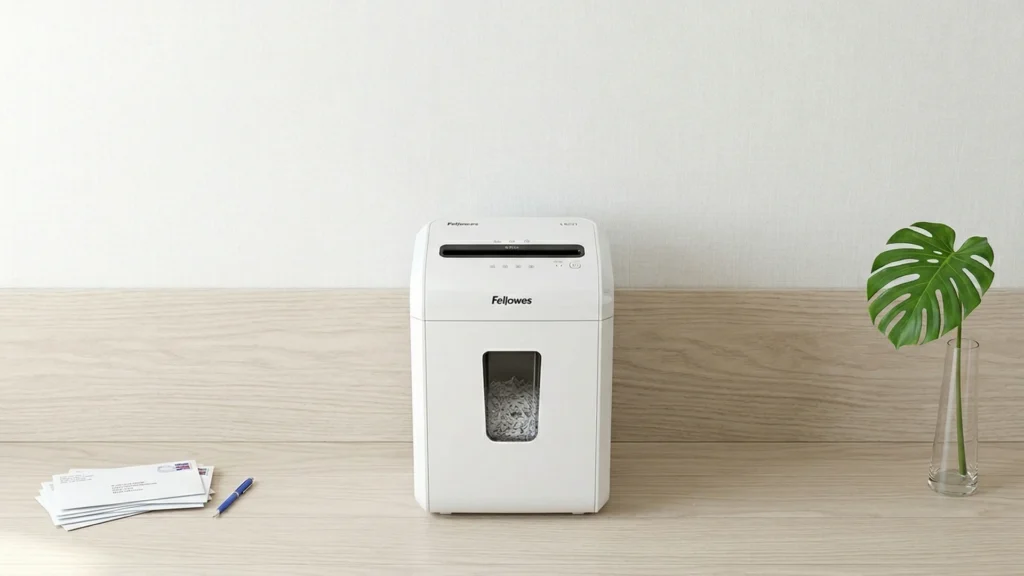
CD and credit card paper shredders are the machines shoppers buy when they need more than plain paper cleanup. This sub-category matters for mixed junk mail and old IDs that include plastic-like items, plus any CD or thin plastic inserts you want destroyed. Buyers in this slot care about a shred pattern that stays unreadable and a feed that can handle tricky media without constant stops.
The hard part is trade-offs. Micro-cut models often feel slower on mixed materials. Higher-security cuts can add power load and increase jam risk when the machine cannot grip thin items well. Even if a shredder claims CD or card support, buyers still must match it to the entry width, sheet capacity, and stated run time for the volume they actually shred.
For the full paper-shredder lineup and broader cut options, use this guide as your baseline and then narrow by media type in the product picks. Looking for all types? See our Best Paper Shredders.
Quick Overview
Our Top Picks
#1. Dahle ShredMATIC SM 300 300-Sheet Cross-Cut Paper Shredder

Specifications
| Brand | Dahle |
|---|---|
| Shred Type | Cross-Cut |
| Security Level | P-4 |
| Sheet Capacity | 300 sheets |
| Bin Capacity | 11 gal |
| Dimensions | 14 x 16 x 27.5 in |
Pros
- High P security
- High sheet capacity
- Handles daily volume
Cons
- Limited user verification
This Dahle cross-cut shredder stands out for credit-card and CD-related paper messes because it targets privacy first. With a P-4 cross-cut level and a 300-sheet sheet capacity, it breaks typical sensitive paperwork into consistently hard-to-read pieces without forcing you to shred in tiny batches. For households or offices that deal with account statements, receipts, and other card-linked documents, the 11 gal bin helps you keep going before you empty it.
The main trade-off is that user verification is limited, so this is not the safest choice for settings that require tighter access control. It fits best for everyday secure shredding where you want strong cross-cut performance and fewer interruptions, not for highly controlled or compliance-driven workflows.
#2. Amazon Basics 8-Sheet Micro-Cut Paper Shredder

Specifications
| Brand | Amazon Basics |
|---|---|
| Shred Type | Micro-Cut |
| Security Level | P-4 |
| Sheet Capacity | 8 sheets |
| Run Time | 5 minutes |
| Cool Down Time | 30 minutes |
| Bin Capacity | 4 gal |
Pros
- Micro-Cut shredding
- High P security
- Worth the investment
Cons
- Wears out faster
- Low sheet capacity
- Long cool-down
This micro-cut shredder stands out for CD and credit card paper shredders because it is built around P-4 security and fine, hard-to-read paper strips. For bills, statements, and other card-related paperwork, the micro-cut pattern helps reduce the chance of piecing documents back together. The 8-sheet capacity also keeps small batches moving without needing constant attention, which matters when you are clearing out envelopes that mix personal data and payment info.
The trade-off is workflow limits. The unit runs for about 5 minutes before it needs a 30-minute cool down, and the 8-sheet pass size is not meant for heavy, all-day shredding. Durability is the other watch point, since it can wear faster than more industrial options. Best fit: households or light home-office users who want strong privacy for occasional batches, not a machine for frequent bulk runs.
#3. Aurora AU1802XA 18-Sheet Cross-Cut Paper Shredder

Specifications
| Brand | Aurora |
|---|---|
| Shred Type | Cross-Cut |
| Security Level | P-4 |
| Sheet Capacity | 18 sheets |
| Run Time | 60 minutes |
| Bin Capacity | 6 gal |
| Entry Width | 8.7 in |
| Dimensions | 14.41 x 11.02 x 20.87 in |
Pros
- High P security
- High sheet capacity
Cons
- Wears out faster
- Narrow entry width
This Aurora cross-cut shredder stands out for CD and credit card related paper disposal because it targets higher privacy than basic strip-cut models. With a P-4 security rating, it breaks each pass into much harder to piece back together sections, which matters when you are shredding statements and other account documents. It also supports up to 18 sheets per feed and uses a 6 gal bin, so it fits better than smaller units when you have a stack to clear in one sitting.
The main trade-off is practical feeding. The entry width is 8.7 in, which can be limiting if your paperwork includes larger clipped pages or if you want a wider, easier line-up. Durability is also a concern, with reports suggesting faster wear over time, so it is best for steady home or light office use rather than heavy, continuous shredding marathons.
What to Look For
Shred type and security level: Aim for Cross-Cut or Micro-Cut with a clear P-level rating. For CD and credit card shredding, finer cuts reduce the chance of recovery from small remaining strips. If the machine only lists strip-cut security, it is a weaker fit for sensitive plastics and cards.
Entry width and media compatibility: Check the entry width and confirm the machine is meant for cards and CDs, not just paper. Narrow throats can work for envelopes, but they often struggle with rigid or semi-rigid pieces. A slightly wider entry helps you feed mixed items with fewer adjustments.
Sheet capacity per pass: Treat the stated sheet capacity as your practical ceiling for mixed jobs. For CD and credit card cleanup, you typically run smaller batches than you would with plain paper. Choose a model with enough capacity to avoid repeated feeding, but do not overfill.
Run time and cool down time: Look for continuous run time that matches your cleanup pace, plus a reasonable cool down. Shredding cards and CD material can be more demanding than paper. If the cooldown is long, you will lose time to waiting during larger jobs.
Jam resistance in real use: In this category, jams usually come from thin media feeding unevenly. Favor models that keep feeding smoothly and offer clear indicators for bin fill and overload. A good jam experience matters as much as cut quality when you process cards and discs.
How We Picked
Products were identified through broad research across review sites and buyer forums, then filtered to only those that qualify as CD and Credit Card Paper Shredders.
Scoring used the same objective pillar framework as the main Paper Shredders post, allowing direct comparison of products within this sub-category. Security, performance, durability, usability, and value were weighted consistently, then checked against the shared display specs so you can compare the models on shred type, P-level, capacity, run time, cooldown, bin size, entry width, and dimensions.
Frequently Asked Questions
Can a CD or credit card shredder handle both plastic cards and paper documents?
Many CD and credit card shredders can take plastic cards and regular paper. Check the entry width and the shred type before you buy. If the unit only supports CDs and cards, it may struggle with thick paper stacks. When in doubt, shred paper in small batches.
Do I need to remove the metal from a credit card before shredding it?
Most credit cards can be shredded as-is. The metal strip does not usually stop shredders made for cards. Still, you should avoid forcing the card in if it does not feed smoothly. If it jams often, reduce feed size and let the motor cool.
What is the safest way to feed a CD or credit card into the shredder?
Feed the item flat and straight into the throat opening. Do not push hard or hold it at an angle. For best results, use smaller runs instead of long continuous feeding. If the shredder has a cool down time, follow it to prevent overheating.
What is the key difference between cross-cut and micro-cut for plastic cards?
Cross-cut makes small pieces across and along the cut pattern. Micro-cut makes even smaller pieces, which can improve privacy. If you shred sensitive account details, micro-cut usually gives stronger protection. Strip-cut options usually produce longer strips and offer less security.
Should I choose a CD and credit card shredder, or a basic paper shredder instead?
Choose a CD and credit card shredder if you regularly destroy CDs, DVDs, or plastic cards. Basic paper shredders often do not handle hard plastic well. They can jam or damage the cutters. If your main need is paper only, a standard paper shredder can be a better fit.
How do entry width and sheet capacity matter for CDs and credit cards?
Entry width affects how easily a card feeds in. A wider throat usually reduces misfeeds and jams. Sheet capacity matters for paper runs more than plastic. For plastic cards, focus on smooth feeding and shred size.


