




Skip to content

The 8 Best Board Games in 2026

September 20, 2026-By The Top Zone

Transparency Note: This post contains affiliate links. As an Amazon Associate, we earn from qualifying purchases at no extra cost to you.

Board games bring people together around a shared set of rules, from simple dice games to long strategy sessions. They fit family nights, casual gatherings, two-player dates, and focused solo play. Good games offer clear choices, steady pacing, and rules that support the experience. Poor ones can create confusion, long waits, or outcomes driven mostly by luck.

Choosing one is difficult because player count, play time, and age ratings do not tell the whole story. A game listed for four players may feel crowded, while a long play time can reflect depth or slow turns. Features such as miniatures, large boxes, and many components may look impressive but add little to the actual play. The main challenge is matching the game's complexity, interaction, and replay value to your group.

This guide compares board games across gameplay, components, accessibility, replayability, and value. It also highlights player count, play time, age range, game type, main mechanic, complexity, designer, and publisher. Use these details to narrow the list by how and where you plan to play.

Quick Overview

Days of Wonder Ticket to Ride Board Game
Best Overall Days of Wonder Ticket to Ride Board Game
Stonemaier Games Wingspan Board Game
Best for Bird Lovers Stonemaier Games Wingspan Board Game
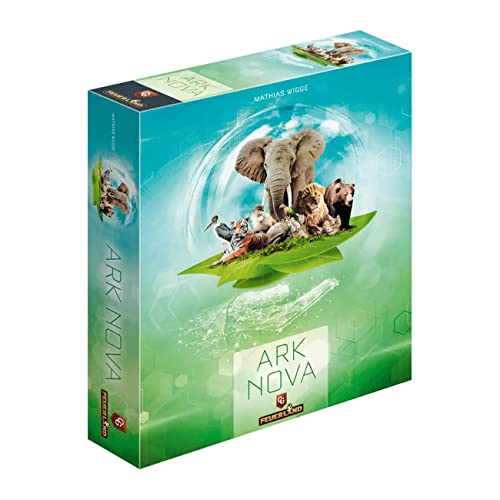
Capstone Games Ark Nova Board Game
Best for Deep Strategy Capstone Games Ark Nova Board Game
IELLO King of Tokyo Board Game
Best for Families IELLO King of Tokyo Board Game
Scorpion Masqué Sky Team Board Game
Best for Two Players Scorpion Masqué Sky Team Board Game
Asmodee Harmonies Board Game
Best Habitat Scoring Asmodee Harmonies Board Game
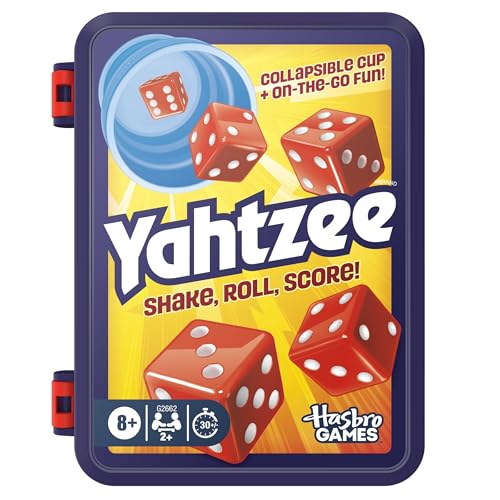
Hasbro Gaming Yahtzee Board Game
Best Value Hasbro Gaming Yahtzee Board Game
Pegasus Spiele Dorfromantik Board Game
Best for Relaxed Play Pegasus Spiele Dorfromantik Board Game

Top Picks

Best Overall

Days of Wonder Ticket to Ride Board Game
Our Score 8.1 / 10 Score details
Gameplay8.1
Components9.1
Accessibility7.9
Replayability7.4
Value8.1
How we research & score
BrandDays of Wonder
Player Count2-5 Players
Play Time30-60 min
Recommended Age8+
Game TypeCompetitive
Primary MechanicRoute Building
DesignerAlan R. Moon
PublisherDays of Wonder
  • Tight pacing, smart choices
  • Crisp, durable printing
  • Fair cost, strong output
  • Same-group fatigue

Ticket to Ride earns the Best Overall spot by making route building easy to learn and hard to master. Players collect train cards, claim map routes, and race to complete destination tickets. Each turn feels quick, but every route choice can shape the whole game.

The board is clear, the train pieces are sturdy, and the cards use crisp, readable printing. Its 30 to 60 minute play time also keeps the pace moving for groups of two to five. Simple rules welcome new players, while blocking key links and judging when to draw new tickets add smart choices for experienced players.

Repeated plays with the same group can cause some fatigue, since the core map and goals stay familiar. Still, it suits families, casual players, and groups that want meaningful decisions without a long rules lesson. If you need an approachable strategy game with strong table presence and steady interaction, this is the one to get.

Also ranked #1 in: 2-Player Board Games · Board Games for 8-Year-Olds

→ Read full review

Best for Bird Lovers

Stonemaier Games Wingspan Board Game
Our Score 8.0 / 10 Score details
Gameplay8.3
Components7.6
Accessibility7.5
Replayability8.6
Value8
How we research & score
BrandStonemaier Games
Player Count1-5 Players
Play Time60-90 min
Recommended Age14+
Game TypeCompetitive
Primary MechanicEngine Building
DesignerElizabeth Hargrave
PublisherStonemaier Games
  • Tight pacing, smart choices
  • Fresh matches every time
  • Fair cost, strong output
  • Occasional accessibility friction
  • Edition component inconsistency

Wingspan is a natural pick for bird lovers because every card depicts a real bird, with facts about its habitat, range, and behavior. You build a wildlife preserve across three habitats, then watch your bird collection create useful links. The calm nature theme gives the game a distinct feel without reducing its strategic depth.

Its engine-building system keeps turns brisk and choices meaningful. You gain food, lay eggs, or draw birds, then improve those actions as your habitat grows. Random bird cards, bonus goals, and changing bird trays keep each game fresh. Solo play works well, while games with up to five players usually stay within 60 to 90 minutes.

New players may need extra help with some icons and card effects, and component quality can vary by edition. Still, Wingspan suits bird fans who want a thoughtful strategy game with strong replay value. If you want a competitive game about birds without harsh player attacks, this is the one to get.

→ Read full review

Best for Deep Strategy

Capstone Games Ark Nova Board Game
Our Score 8.0 / 10 Score details
Gameplay8.6
Components8.3
Accessibility6.2
Replayability8.7
Value7.9
How we research & score
BrandCapstone Games
Player Count1-4 Players
Play Time90-150 min
Recommended Age14+
Primary MechanicCard Driven Decisions
DesignerMathias Wigge
PublisherCapstone Games
  • Tight pacing, smart choices
  • Great readability, sturdy parts
  • Fresh matches every time
  • Fiddly start, unclear icons
  • Too long for casual sessions
  • Casual mismatch

Ark Nova fits Best for Deep Strategy because every turn asks you to balance short-term gains with a long-term conservation plan. Its card-driven decisions create many paths to victory, and strong play comes from timing, planning, and adapting to the shared market.

The game keeps choices meaningful without losing its structure. Clear boards, readable cards, and sturdy pieces make a complex system easier to track. Variable card draws and changing zoo plans also keep matches fresh, whether you play solo or with up to four people. Sessions usually run 90 to 150 minutes, giving its strategy room to develop.

The start can feel fiddly, and some icons take time to learn. Its length also makes it a poor fit for casual game nights. Choose Ark Nova if you want deep, replayable strategy and can commit to a longer session.

→ Read full review

Best for Families

IELLO King of Tokyo Board Game
Our Score 7.8 / 10 Score details
Gameplay7.9
Components7.4
Accessibility7.9
Replayability8
Value8.1
How we research & score
BrandIELLO
Player Count2-6 Players
Play Time30 min
Recommended Age8+
Primary MechanicDice Rolling
DesignerRichard Garfield
PublisherIELLO
  • Fresh matches every time
  • Fair cost, strong output
  • Manageable play length
  • Luck-driven swings
  • Depth limitation

King of Tokyo fits the Best for Families role because it turns monster battles into a simple, lively dice game. Players roll six dice, keep useful results, and decide whether to attack, heal, gain energy, or chase points. The bright monsters and clear turn flow help new players join quickly.

Games take about 30 minutes, so younger players rarely face a long wait. The two to six player count also works well for family groups. Each turn brings a fresh mix of dice results, while power cards add new effects and reasons to change plans. The game stays easy to teach but remains fun across repeated plays.

Luck can cause sharp swings, and the strategy has less depth than a heavier family game. Still, it suits families who want quick, interactive matches with simple rules and plenty of table talk. If you need an easy game for mixed ages without a long play time, this is the one to get.

→ Read full review

Best for Two Players

Scorpion Masqué Sky Team Board Game
Our Score 7.8 / 10 Score details
Gameplay8.6
Components8.1
Accessibility6.2
Replayability7.8
Value8.2
How we research & score
BrandScorpion Masqué
Player Count2 Players
Play Time20 Minutes Playing Time
Recommended Age12+
Game TypeCooperative
Primary MechanicDice Rolling
DesignerLuc Rémond
PublisherScorpion Masqué
  • Tight pacing, smart choices
  • Great readability, sturdy parts
  • Fair cost, strong output
  • Limited player compatibility
  • Two-player exclusivity
  • Base-mode repetitive

Sky Team fits the Best for Two Players role because it is built for exactly two people. You and your partner work as pilot and co-pilot, placing dice without speaking freely about every choice. Each short flight creates a tense puzzle where timing and trust matter.

Rounds move quickly, with meaningful choices on every turn. Dice rolls add risk, but careful planning gives you ways to manage bad results. The board and tokens are easy to read, and the sturdy components make setup smooth. At about 20 minutes, it is easy to play again while still feeling focused and engaging.

The main drawback is its narrow audience. It only supports two players, and the base mode can feel repetitive after several plays. Sky Team is best for couples, friends, or regular partners who want a compact cooperative challenge. If you need a sharp two-player game without a long session, this is the one to get.

→ Read full review

Best Habitat Scoring

Asmodee Harmonies Board Game
Our Score 7.8 / 10 Score details
Gameplay8
Components7.8
Accessibility7.8
Replayability7.2
Value8.2
How we research & score
BrandAsmodee
Player Count1-4 Players
Play Time30 min
Recommended Age10+
Primary MechanicTile Placement
Complexity2.0/5
DesignerJohan Benvenuto
  • Tight pacing, smart choices
  • Fair cost, strong output
  • Engaging habitat scoring
  • Rulebook ambiguity
  • Solo card availability
  • Limited solo variety

As the Best Habitat Scoring pick, Harmonies turns landscape building into a clear scoring puzzle. You place colorful tokens to shape habitats, then match them to animal cards. Each choice must serve both your growing land and your scoring goals.

The turns move quickly, but they still create useful tension. You must weigh open spaces, habitat patterns, and animal needs before taking your next pieces. The tile placement feels smart without becoming hard to teach, and the 30-minute play time suits weeknight sessions. Solid components and simple icons also help the table stay easy to read.

The rulebook has a few unclear points, and the solo mode depends on available cards with limited variety. Harmonies is best for players who want thoughtful habitat scoring and short, calm strategy games without a long rules teach.

→ Read full review

Best Value

Hasbro Gaming Yahtzee Board Game
Our Score 7.7 / 10 Score details
Gameplay7.3
Components7.7
Accessibility7.7
Replayability7.6
Value8.8
How we research & score
BrandHasbro Gaming
Player Count2+ Players
Play Time30 min
Recommended Age8+
Primary MechanicDice Rolling
PublisherHasbro
  • Fair cost, strong output
  • Flexible player range
  • Manageable play length
  • Luck swings

Yahtzee fits the Best Value role because its simple dice game supports quick, repeat plays with almost no learning curve. Each turn gives you up to three rolls to chase scoring combinations, then you record the result on your score sheet.

The rules are easy to teach, and the clear score categories help new players join quickly. Its 2-plus player range works well for pairs, families, or larger groups, while a typical 30-minute session keeps the game moving. The dice, cup, score sheets, and compact setup also make it convenient to bring out often.

Luck can swing the result, even when players make smart choices about which dice to keep. This is best for families and casual groups that want a familiar, flexible dice game without a long rules lesson or a lengthy session.

→ Read full review

Best for Relaxed Play

Pegasus Spiele Dorfromantik Board Game
Our Score 7.6 / 10 Score details
Gameplay7.9
Components7.8
Accessibility7.1
Replayability7.2
Value8
How we research & score
BrandPegasus Spiele
Player Count1-6 Players
Recommended Age8+
Game TypeCooperative
Primary MechanicTile Placement
Complexity1.7/5
DesignerMichael Palm
PublisherPegasus Spiele
  • Fair cost, strong output
  • Broad age suitability
  • Video-game faithful
  • Limited player interaction
  • Challenge feels absent
  • Depth increases slower

For relaxed play, Dorfromantik turns tile placement into a calm shared puzzle. Players build a countryside map together, matching landscapes and completing simple goals. Its gentle pace and cooperative design make it easy to enjoy without pressure.

The rules are approachable for ages 8 and up, and the 1-6 player range suits both solo sessions and family groups. Clear tiles keep turns moving, while new tasks add variety as you play. The video game feel carries over well, and the compact 1.7/5 complexity keeps teaching time short.

Limited player interaction can make the game feel quiet, and the challenge grows slowly. It suits families, casual groups, and players who want shared progress over sharp competition. If you want a peaceful tile-laying game without stressful conflict, this is the one to get.

→ Read full review

What to Look For

Player Count: Check the recommended range, then consider how the game changes with fewer or more players. Some games work best at their full count, while others remain strong with two.

Play Time: Compare the stated time with your available table time. Include setup, rules teaching, cleanup, and possible pauses, not just the advertised playing time.

Complexity and Age: Match the rules to the group. A higher complexity rating can offer deeper choices, but it may require more teaching and patience. Use the age rating as a starting point, not a guarantee.

Gameplay and Interaction: Look for meaningful decisions, balanced turns, clear rules, and interaction that suits your group. Competitive games should limit runaway leaders, while cooperative games should avoid one player making every decision.

Primary Mechanic: Identify the main action system, such as deck building, worker placement, dice rolling, or tile placement. Choose mechanics your group enjoys, since they shape the feel of every turn.

Replayability: Favor variable setups, several viable strategies, changing objectives, or different player interactions. A game with many pieces is not automatically replayable if the same sequence works every time.

Components and Value: Check whether cards, boards, tokens, and storage are durable and easy to read. Judge the price against the depth, content, production quality, and number of plays your group is likely to get.

How We Selected These Products

We began with broad web searches across review sites, buyer forums, and best-of lists. We used multiple sources rather than relying on one ranking or retailer page. We then read a large volume of customer reviews to identify problems buyers actually faced, such as unclear rules, long downtime, poor storage, and fragile pieces. We also noted the features players valued most after repeated sessions.

We verified product availability and key specifications directly against Amazon, including player count, play time, recommended age, game type, primary mechanic, complexity, designer, and publisher. Each product received scores for Gameplay, Components, Accessibility, Replayability, and Value using the stated weighted framework.

Final curation did not simply rank products by score. We selected games that serve distinct roles, including family play, deep strategy, two-player sessions, relaxed play, and budget-conscious buying. This approach keeps the list useful for different groups and playing habits.

Frequently Asked Questions

Which board game is best for families?

Choose a game with simple rules, short turns, and little setup. A family-friendly game should still offer meaningful choices without overwhelming new players. Fast dice games and light tile-laying games often work well for mixed ages.

What is the best board game for two players?

Look for a game designed around two players, rather than one that simply supports two. These games usually balance turns, limit downtime, and make each decision matter. A short cooperative game can also provide a focused experience without needing a larger group.

How should I set up and store a board game?

Read the setup section before opening every component. Sort cards, tokens, and pieces into small bags or trays so future sessions start faster. Store the box flat in a dry place, and keep cards away from heat and moisture.

Is a higher price always better for board games?

No. Higher-priced games often provide deeper systems, more cards, or better components, but they may take longer to learn. Budget games can offer excellent value when they deliver quick setup, clear rules, and many enjoyable plays.

What separates budget and premium board games?

Budget games often focus on a simple core loop and fewer components. Premium games usually add deeper strategy, more varied setups, stronger materials, or solo and campaign options. The best choice depends on how much time and complexity your group wants.

Why do some board games score lower for accessibility?

Heavy games often require longer explanations, more setup, and careful tracking during play. Limited player counts or restricted communication can also reduce accessibility. A lower accessibility score does not mean poor design, but it usually signals a steeper learning curve.