Skip to content

The 7 Best Board Games for 8-Year-Olds in 2026

September 20, 2026-By The Top Zone

Transparency Note: This post contains affiliate links. As an Amazon Associate, we earn from qualifying purchases at no extra cost to you.

Board games for 8-year-olds should offer clear rules, short turns, and choices that feel meaningful. Children at this age can handle more planning than preschool games, but still need readable boards, simple setup, and play times that match their attention span.

The main trade-off is between easy access and lasting depth. A simple dice game may teach quickly but lose interest after a few plays, while a strategic game can offer more replay value but require extra teaching. Families should also weigh luck, reading demands, player count, competition, and whether younger or less experienced players can stay involved.

We compare games that suit family play and independent learning at around age eight, with attention to mechanics, components, and real play length. Looking for all types? See our Best Board Games.

Quick Overview

Days of Wonder Ticket to Ride Board Game
#1 Days of Wonder Ticket to Ride Board Game
IELLO King of Tokyo Board Game
#2 IELLO King of Tokyo Board Game
Repos Production 7 Wonders Architects Board Game
#3 Repos Production 7 Wonders Architects Board Game
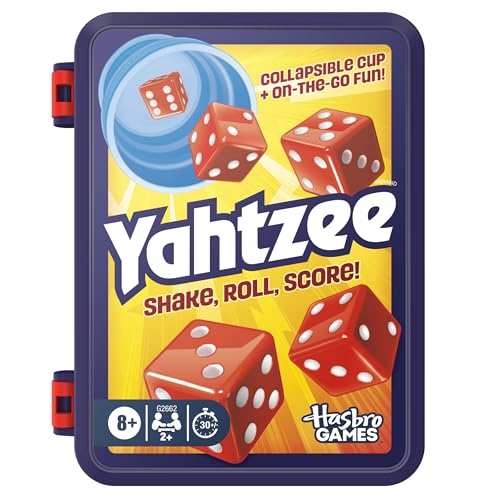
Hasbro Gaming Yahtzee Board Game
#4 Hasbro Gaming Yahtzee Board Game
Hasbro Gaming Clue 1986 Edition Board Game
#5 Hasbro Gaming Clue 1986 Edition Board Game
Asmodee Ticket to Ride France & Old West Board Game
#6 Asmodee Ticket to Ride France & Old West Board Game
Monopoly Wicked Edition Board Game
#7 Monopoly Wicked Edition Board Game

Our Top Picks

#1. Days of Wonder Ticket to Ride Board Game

Days of Wonder Ticket to Ride Board Game
Our Score
8.1 / 10
hover for details
Gameplay
8.1
Components
9.1
Accessibility
7.9
Replayability
7.4
Value
8.1
BrandDays of Wonder
Player Count2-5 Players
Play Time30-60 min
Recommended Age8+
Game TypeCompetitive
Primary MechanicRoute Building
DesignerAlan R. Moon
PublisherDays of Wonder
  • Tight pacing, smart choices
  • Crisp, durable printing
  • Fair cost, strong output
  • Same-group fatigue

For 8-year-olds, Ticket to Ride stands out by turning map reading and planning into an easy-to-grasp route-building game. Players collect colored train cards, claim tracks, and try to connect cities on their destination tickets. Each turn is simple, yet choosing which routes to pursue creates real decisions. The 30 to 60 minute play time keeps the pace lively, while the clear board and crisp train pieces help children follow the action.

This competitive game works best for families who want a first strategy game with room to grow. The rules are approachable for age 8+, but blocking a route can teach children about timing and shared space. Repeated plays with the same group may feel familiar because the map and turn choices stay consistent. Still, the mix of luck, planning, and direct interaction makes it a strong pick for 2 to 5 players.

→ Read full review

#2. IELLO King of Tokyo Board Game

IELLO King of Tokyo Board Game
Our Score
7.8 / 10
hover for details
Gameplay
7.9
Components
7.4
Accessibility
7.9
Replayability
8
Value
8.1
BrandIELLO
Player Count2-6 Players
Play Time30 min
Recommended Age8+
Primary MechanicDice Rolling
DesignerRichard Garfield
PublisherIELLO
  • Fresh matches every time
  • Fair cost, strong output
  • Manageable play length
  • Luck-driven swings
  • Depth limitation

For 8-year-olds, King of Tokyo stands out as a lively mix of simple rules, dice rolling, and direct player interaction. Each turn uses six dice, letting children choose whether to chase attacks, energy, hearts, or victory points. Players can also buy power cards, which adds small but meaningful choices. Matches take about 30 minutes, so the action stays focused without demanding a long attention span. The colorful monster theme and clear goal make it easy for families to teach.

Random dice rolls can create sudden swings, and the strategy stays fairly light for experienced players. Still, that luck helps younger players compete with adults. With support for 2-6 players and fresh card combinations each game, it suits families who want a quick, social contest rather than a deep strategy game.

→ Read full review

#3. Repos Production 7 Wonders Architects Board Game

Repos Production 7 Wonders Architects Board Game
Our Score
7.8 / 10
hover for details
Gameplay
8
Components
7.7
Accessibility
7.7
Replayability
7.6
Value
7.9
BrandRepos Production
Player Count2-7 Players
Play Time25 min
Recommended Age8+
Primary MechanicDeck Building
DesignerAntoine Bauza
PublisherRepos Production
  • Tight pacing, smart choices
  • Flexible player range
  • Broad age suitability
  • Streamlined depth limits

For 8-year-olds, 7 Wonders Architects stands out with quick turns and meaningful choices. Players build one of seven ancient wonders by selecting cards from shared options, gathering resources, collecting science symbols, and competing for points. Its clear card icons and 25-minute play time help children stay involved, while the 2-7 player range works for a family game or a larger group.

The streamlined rules make it easy to teach, but they also limit strategic depth for older or experienced players. This is best for children who are ready to move beyond simple luck-based games and enjoy light competition. Adults may want a deeper strategy game after repeated plays, but young players can find fresh choices through different wonders and opponents.

#4. Hasbro Gaming Yahtzee Board Game

Hasbro Gaming Yahtzee Board Game
Our Score
7.7 / 10
hover for details
Gameplay
7.3
Components
7.7
Accessibility
7.7
Replayability
7.6
Value
8.8
BrandHasbro Gaming
Player Count2+ Players
Play Time30 min
Recommended Age8+
Primary MechanicDice Rolling
PublisherHasbro
  • Fair cost, strong output
  • Flexible player range
  • Manageable play length
  • Luck swings

For 8-year-olds, Hasbro Gaming Yahtzee stands out as a simple dice game that still rewards choices. Players roll up to three times, then select the best scoring category. That structure is easy to learn, yet it invites young players to weigh safe points against a risky combination. Its 30-minute play time also suits family game nights, and the 2+ player range works for one child and an adult or a larger group.

Luck can swing the score, so careful play will not always win. Still, the clear score sheet, familiar dice rolling, and manageable pace make Yahtzee a strong pick for children who enjoy numbers and repeat play. It suits families seeking a competitive game with little setup and rules that children can quickly understand.

→ Read full review

#5. Hasbro Gaming Clue 1986 Edition Board Game

Hasbro Gaming Clue 1986 Edition Board Game
Our Score
7.5 / 10
hover for details
Gameplay
7.2
Components
8.4
Accessibility
6.3
Replayability
7.6
Value
8.3
BrandHasbro Gaming
Player Count3-6 Players
Recommended Age8+
PublisherHasbro
  • Great readability, sturdy parts
  • Fair cost, strong output
  • Flexible player range
  • Fiddly start, unclear icons

For 8-year-olds ready for a real mystery game, Clue 1986 Edition stands out with clear deduction and lively player interaction. Players ask smart questions, track clues, and narrow the case to one suspect, room, and weapon. The readable board and sturdy pieces help young players follow the action. Its flexible 3-6 player range also suits family game nights.

The opening setup feels fiddly, and some icons may need an adult explanation. Luck affects movement, but careful note-taking and good questions still matter. This is best for children who enjoy solving puzzles and can handle a longer rules explanation than simpler family games.

#6. Asmodee Ticket to Ride France & Old West Board Game

Asmodee Ticket to Ride France & Old West Board Game
Our Score
7.2 / 10
hover for details
Gameplay
7.2
Components
7.3
Accessibility
6.6
Replayability
7.2
Value
7.9
BrandAsmodee
Player Count2-6 Players
Play Time30-60 min
Recommended Age8+
Primary MechanicRoute Building
DesignerAlan R. Moon
PublisherAsmodee
  • Manageable play length
  • Flexible player range
  • Distinct France twist
  • Fiddly start
  • unclear icons

For 8-year-olds ready for a step up from simple family games, this Ticket to Ride edition adds a clear route-building challenge with a distinct France twist. Players collect train cards, claim routes, and complete destination tickets across a colorful map. The 30 to 60 minute play time works well for family sessions, and the 2 to 6 player range makes it easy to bring siblings or friends into the game.

The core turns are easy to understand, but setup can feel fiddly for younger players. Some icons may also need explanation before play runs smoothly. It suits children who enjoy planning ahead and watching other players claim routes, especially with an adult nearby for the first game.

#7. Monopoly Wicked Edition Board Game

Monopoly Wicked Edition Board Game
Our Score
6.7 / 10
hover for details
Gameplay
6.4
Components
7.1
Accessibility
6.2
Replayability
6.4
Value
8
BrandMonopoly
Player Count2-6 Players
Play Time30 min
Recommended Age8+
Primary MechanicArea Control
PublisherHasbro
  • Fair cost, strong output
  • Flexible player range
  • Manageable play length
  • Some downtime lingers
  • Fiddly start, unclear icons
  • Repetition creeps in

For 8-year-olds who enjoy familiar stories, Monopoly Wicked Edition adds a colorful spin to a classic property game. Players move around a Wicked-themed board, claim spaces, and make simple trading choices. Its 30-minute play time suits family sessions better than many longer Monopoly games. Support for 2-6 players also makes it easy to bring to the table.

The rules are approachable, but setup can feel fiddly and some icons need explanation. Turns may slow when players wait on trades or payments. Repeated games can also feel similar once children learn the main pattern. This is best for families who want light competition, quick turns, and Wicked theme appeal rather than deep strategy.

What to Look For

Age-Appropriate Complexity: Choose games with rules an 8-year-old can follow after one clear explanation. A good choice includes real decisions without long text, dense exceptions, or too many steps to remember.

Play Time and Player Count: Check the listed player range and actual play time. Games around 30 to 60 minutes often fit family sessions, while a broad player range helps the game work for siblings, parents, and friends.

Balance of Luck and Skill: Dice and cards can keep children engaged, but choices should still matter. Look for games where planning, trading, route choices, deduction, or timing can improve a player's result.

Components and Usability: Pieces should be sturdy, easy to handle, and easy to identify. Readable cards, clear symbols, simple setup, and useful storage matter when children help run the game.

Replayability and Family Fit: Prefer variable boards, changing goals, or several useful strategies over one repeated sequence. Consider whether the game stays fun at two players and whether its competitive tone suits the children who will play it.

How We Picked

We identified candidates through broad research across review sites and buyer forums, then filtered the results to games that fit Board Games for 8-Year-Olds. We considered stated age guidance, play length, player count, learning demands, and suitability for family play.

We used the same objective pillar framework as the main Board Games post. Gameplay, components, accessibility, replayability, and value received weighted scores, allowing direct comparison among products in this sub-category.

Frequently Asked Questions

What makes a board game suitable for an 8-year-old?

Look for clear rules, short turns, readable cards, and play times around 30 to 60 minutes. Games should offer real choices without requiring advanced reading or complex math. An age rating of 8+ helps, but the child's reading level and patience matter too.

How do these games differ in the way children play?

Ticket to Ride focuses on planning routes and collecting cards. King of Tokyo uses dice and direct player interaction, while 7 Wonders Architects uses simple card choices and building. Yahtzee relies more on luck, and Clue focuses on memory, deduction, and asking questions.

How should families set up and store board games for 8-year-olds?

Before the first game, sort cards, tokens, dice, and other pieces into small containers or labeled bags. Keep the rulebook with the game and check the parts after each play. Store boxes flat in a dry place to protect cards, boards, and cardboard tokens.

Are board games for 8-year-olds usually cooperative or competitive?

Most games in this group are competitive, so players work toward their own goals. Some encourage friendly interaction, while others let players block routes, steal points, or attack opponents. Choose cooperative games instead if your child dislikes losing or prefers shared goals.

When should I choose a different type of board game?

Choose a lighter family or preschool game if the child struggles with reading, long turns, or multi-step rules. Choose an advanced strategy game if the child already enjoys planning and wants longer sessions. Party games may work better for large groups or children who prefer quick, social play.

See Also