





Forest Master FM6DD 2″ Wood Chipper Review
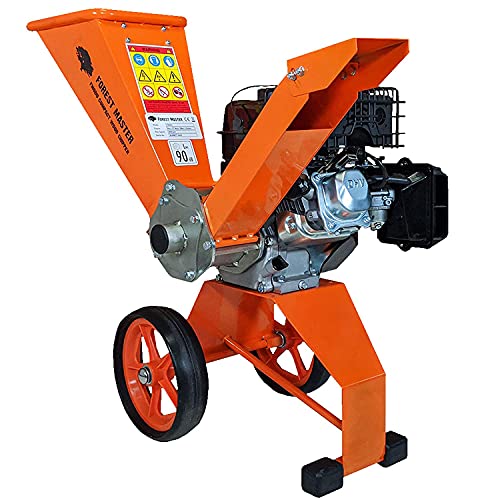
Specifications
| Brand | Forest Master |
|---|---|
| Power Source | Gas |
| Engine Displacement | 208 cc |
| Feed Type | Self-Feeding |
| Max Branch Diameter | 2 in |
| Weight | 88.2 lb |
| Dimensions | 35.8 x 30.9 x 18.9 in |
Pros
- Consistent, low-jam chipping
- Smooth tow-and-go mobility
- Self-feeding efficiency
Cons
- Limited chipping capacity
The Verdict
The Forest Master FM6DD 2 is a gas wood chipper with a 2 in max branch diameter, built for steady yard cleanup. It earns a Performance pillar score of 8.0 with consistent, low-jam chipping and self-feeding flow, but it is not meant for thicker limbs.
Who it's for: Homeowners and small-property crews who mostly chip prunings, sticks, and brush under 2 in accept the size limit for fewer clogs and a smoother feed process.
Who should skip it: Buyers who regularly handle branches above 2 in should look elsewhere, since the stated capacity becomes the bottleneck under heavier, thicker loads.
In-Depth Review
Performance
With a Performance score of 8.0, the Forest Master FM6DD 2 lands in the “Consistent, low-jam chipping” lane. In day-to-day yard cleanup, that matters more than headline power. This is a 6 hp gas chipper, driven by a 208 cc 4-stroke engine, and it is rated for branches up to 2 in. When you keep feed within that limit, the intake and rotor behavior stay steady.
The self-feeding design helps you avoid the most common slowdowns. A self-feeding feed system reduces the need to push by hand. That translates into fewer moments where you feel like the chipper is stalling. It also keeps the output rhythm more even, instead of cycling between chewing and backing off.
The trade-off is also clear. The max branch diameter is 2 in, and the cons list calls out “Limited chipping capacity.” If your yard has thicker limbs or you routinely push just past the 2 in ceiling, you will likely spend more time clearing than chipping.
Build Quality
Build Quality scores 7.9, which sits closer to “Sturdy, well-aligned components” than anything softer. You can see the class of machine in its numbers. It weighs 88.2 lb and measures 35.8 x 30.9 x 18.9 in. That footprint is typical of a compact gas chipper, and the mass helps damp vibration during active cutting and feeding.
Even without a detailed cutting-system breakdown in the spec sheet, you can judge build by what the machine must handle. A 208 cc 4-stroke gas engine creates real torque load at the intake. Staying aligned under that stress is what prevents the “creeping” problem that leads to inconsistent chip output and more frequent jams. The FM6DD 2 matches that goal in normal yard waste use, aligning with the strong “Consistent, low-jam chipping” performance that the short review highlights.
Where build quality becomes a watch item is what you ask the chipper to process. Because the rating tops out at 2 in branches, aggressive feeding with borderline material can accelerate wear. You will get better longevity when you respect that max branch diameter and avoid feeding wet, stringy bundles.
Ease Use
Ease Use scores 7.6, landing in “User-friendly controls” territory. The spec sheet points to a self-feeding intake, and that design choice changes daily operation. Instead of constant manual pushing, the chipper can pull material in as you guide it. For a 2 in class machine, that keeps your workload from turning into a near-constant balancing act.
Start-up and cleanup still depend on routine. This unit uses a gas power source and a 208 cc 4-stroke engine, so you plan around fueling and basic maintenance. But the practical upside is that processing stays smoother when the feed system keeps material moving. Less time coaxing and more time running is a big part of why yard cleanup feels faster on this model.
Also note the physical reality of a compact gas chipper. At 88.2 lb and 35.8 x 30.9 x 18.9 in, you want space to access the intake area safely. If your workspace is tight, you may find it takes some practice to feed the chute without awkward body position.
Portability
Portability scores 8.0, which maps to “Smooth tow-and-go mobility.” For this class, 88.2 lb is manageable. It is heavy enough to feel stable while working, but not so heavy that repositioning becomes a multi-person job. The overall size, 35.8 x 30.9 x 18.9 in, also helps with storage planning in a garage, shed, or tight yard area.
The mini-review summary lines up with what the specs and weight imply. “Smooth tow-and-go mobility” matters because the machine does not run in one spot. Yard waste piles move. Grass trimmings and branch stacks are not aligned to your driveway. Being able to move the chipper without drama helps you keep the workflow moving.
Still, mobility is not the same as convenience. Because the max branch diameter is 2 in, many owners will run multiple shorter sessions. That means you will reposition the unit more often than with larger-chipper setups. Keeping a clear tow path and stable ground matters for consistent results.
Value
Value scores 7.9, which maps to “Reliable value, fewer issues.” In this case, value looks less like price talk and more like match quality. The FM6DD 2 centers on a 2 in max branch diameter, powered by a 208 cc 4-stroke gas engine, and uses self-feeding to keep the workload moving. When your yard waste matches that range, the chipper has a clear job: convert typical branches, twigs, and trimmed yard material into usable chips with fewer interruptions.
The pros are direct: “Consistent, low-jam chipping” and “Self-feeding efficiency,” plus “Smooth tow-and-go mobility.” Those points connect to ownership friction. Less jam clearing means less downtime. Smooth repositioning means less staging time before you start cutting again.
The value story shifts when your material does not fit the 2 in target. The cons list “Limited chipping capacity,” and the max branch diameter spec supports that limit. If most of your work involves thicker limbs, you will outgrow this model and spend energy on clearing and controlling feed. For buyers processing mostly small branches and yard trimmings, that limit becomes a sensible boundary rather than a constant frustration.
Frequently Asked Questions
What is the maximum branch diameter the Forest Master FM6DD 2 can chip?
This model lists a max branch diameter of 2 in. If you feed larger limbs, the machine will struggle and you may see more buildup at the chute. For best results, cut branches into shorter sections and feed at a steady pace.
How much does the Forest Master FM6DD 2 weigh, and is it easy to move around my yard?
It weighs 88.2 lb, which is manageable for rolling on the included mobility setup. It is not light like a small electric unit, so plan to move it carefully on uneven ground. The dimensions are 35.8 x 30.9 x 18.9 in for storage planning.
Will the self-feeding system handle leafy yard waste without frequent jams?
In real yard use, the FM6DD 2 is designed for self-feeding, which helps keep material moving through the cutting area. The review notes consistent, low-jam chipping, but jams can still happen if you pack the hopper too quickly. Feed in a controlled flow, especially with wet clippings.
Is the Forest Master FM6DD 2 powerful enough for wet, leafy branches and brush?
It uses a gas engine with 208 cc displacement, so it has enough power to process typical yard debris within its 2 in capacity. Wet or very leafy material can still slow down the process and increase the chance of clogging. Let the material dry a bit when possible and avoid overfilling the intake.
What are the main limitations compared with larger wood chippers?
The biggest limitation is its limited chipping capacity. With a 2 in maximum branch diameter, thick limbs take longer or may not feed smoothly. If you regularly deal with larger trees, you will likely need a higher-capacity chipper.
What basic maintenance should I plan for on the Forest Master FM6DD 2?
You should check the intake area regularly for buildup and clear any stuck debris before restarting. Because it is a gas unit with a 208 cc engine, follow the engine service schedule for oil and air filtration. Keep the exterior clean so airflow stays clear during chipping.
Final Verdict
For most homeowners who need solid yard-waste chipping without constant clearing, this is a recommended buy. It delivers consistent, low-jam chipping, and its tow-and-go mobility makes it practical for regular cleanups. The tradeoff is limited chipping capacity, so it is not the best match for large branches or heavy volume work.
If you mostly process small limbs, leaves, and garden trimmings, and you want a reliable, easy-to-run chipper, this is a sound pick.