




The 9 Best Hub Required Motion Sensors in 2026

Transparency Note: This post contains affiliate links. As an Amazon Associate, we earn from qualifying purchases at no extra cost to you.

Hub Required Motion Sensors are motion detectors that need a smart home hub to work. For this guide, that means you only buy the sensor if you already run, or plan to run, the matching hub platform such as Apple HomeKit, Zigbee, or Z-Wave. Your day-to-day goal is simple: reliable motion alerts that turn on lights or start automations when people or pets move.

The hard part is the trade-offs that show up after install. Hub-only setups can limit where you can place sensors. Some systems also add more steps for pairing, and not every sensor handles motion edge cases like small movements or slow walks the same way. Range and coverage matter, but so does how fast the sensor triggers once it detects motion.

To cover the full picture beyond hub-required models, use this guide alongside our broader buying list. Looking for all types? See our Best Motion Sensors.

Quick Overview

Eve Motion 3-Pack Motion Sensor
#1 Eve Motion 3-Pack Motion Sensor
Aqara Motion and Light Sensor P2 Motion Sensor
#2 Aqara Motion and Light Sensor P2 Motion Sensor
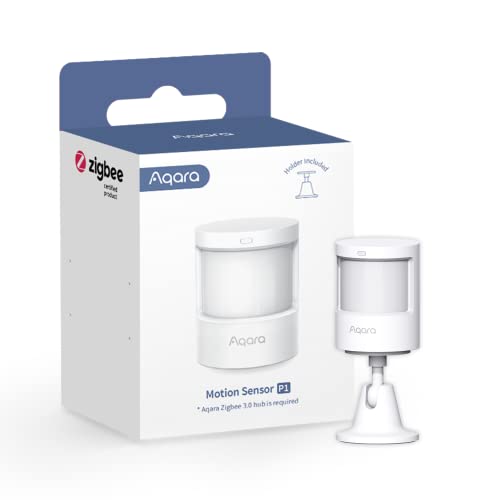
Aqara Zigbee 3.0 Motion Sensor P1 Motion Sensor
#3 Aqara Zigbee 3.0 Motion Sensor P1 Motion Sensor
eufy Security Motion Sensor
#4 eufy Security Motion Sensor
Philips Hue Outdoor Motion Sensor
#5 Philips Hue Outdoor Motion Sensor
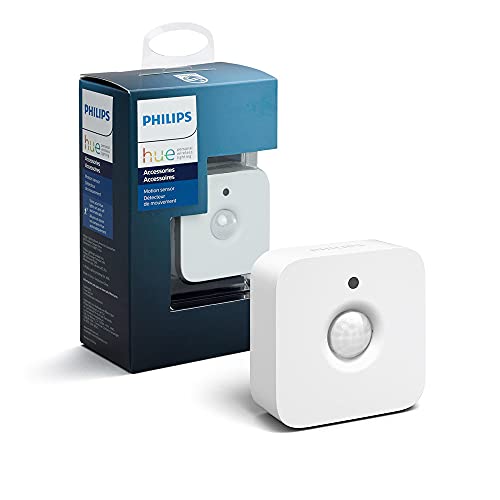
Philips Hue Motion Sensor
#6 Philips Hue Motion Sensor
Wyze Motion Sensor
#7 Wyze Motion Sensor
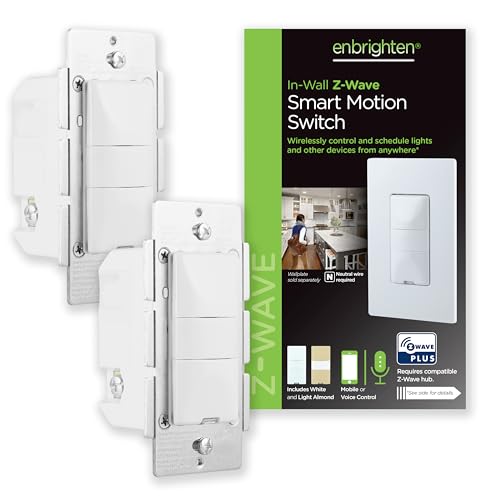
Enbrighten Z-Wave Smart Motion Sensor
#8 Enbrighten Z-Wave Smart Motion Sensor
Sengled Zigbee Motion Sensor
#9 Sengled Zigbee Motion Sensor

Our Top Picks

#1. Eve Motion 3-Pack Motion Sensor

Eve Motion 3-Pack Motion Sensor
Our Score
8.4 / 10
hover for details
Performance
8.9
Reliability
8.5
Installation
7.9
Features
8.7
Build
8.3
Value
7.8
BrandEve
Detection Range9 m
Detection Angle120 deg
Power SourceBattery
ConnectivityThread, Matter
Use LocationIndoor/Outdoor
Operating Temperature0 to 130 °F
  • Consistent triggers, low false alarms
  • Wide coverage, quick
  • Useful sensitivity and timers
  • Battery-powered maintenance
  • Thread onboarding friction
  • Occasional reset cycles

For hub required motion sensors, the Eve Motion 3-Pack stands out because it ties into Thread and Matter ecosystems for steady, automation friendly behavior. In day to day use, it detects movement at up to 9 m with a wide 120 deg field of view, and it does so quickly with low false alarms. That combination makes it a strong fit for lighting triggers, entry alerts, and routines that need consistent sensing across rooms.

The main trade off is maintenance. These are battery powered, so you will periodically replace batteries. Setup can also feel slightly fiddly if you are onboarding Thread devices, and some owners report occasional reset cycles. If you want hub managed motion detection that stays reliable once set, and you do not mind battery care, this is a top choice in the category.

#2. Aqara Motion and Light Sensor P2 Motion Sensor

Aqara Motion and Light Sensor P2 Motion Sensor
Our Score
8.4 / 10
hover for details
Performance
8.6
Reliability
8.8
Installation
8.1
Features
8.1
Build
8.2
Value
8.4
BrandAqara
Sensing TechnologyPIR
Detection Range23 ft
Detection Angle170 deg
Power SourceBattery
ConnectivityThread, Matter
  • Consistent triggers, low false alarms
  • Wide coverage, quick
  • Quick mounting and pairing
  • Short detection range
  • Battery-powered maintenance

For a hub required motion sensor setup, the Aqara Motion and Light Sensor P2 stands out because it triggers consistently with low false alarms. In daily use, it reliably picks up movement, and its wide 170 deg coverage helps it work across a bigger area instead of only a narrow zone. Setup is also straightforward, with quick pairing and easy mounting so you can place it where you need alerts without much hassle.

The main trade-off is coverage. With a rated 23 ft range, it is not ideal for long hallways or rooms where the sensor must reach far into corners. It also runs on a battery, so plan for periodic maintenance rather than forgetting it for years. If you want dependable motion events for automations and you can place it within that 23 ft footprint, it is a strong choice.

#3. Aqara Zigbee 3.0 Motion Sensor P1 Motion Sensor

Aqara Zigbee 3.0 Motion Sensor P1 Motion Sensor
Our Score
8.2 / 10
hover for details
Performance
8.1
Reliability
8.2
Installation
8
Features
8.3
Build
8
Value
8.5
BrandAqara
Detection Range4 to 7 ft
Detection Angle150 to 170 deg
Power SourceBattery
ConnectivityZigbee
Mounting TypeWall
Operating Temperature14 to 131 °F
  • Consistent triggers, low false alarms
  • Wide coverage, quick
  • Useful sensitivity and timers
  • Dark-object miss-detection
  • Battery-powered maintenance
  • Hub-dependent integration

For a hub required motion sensor setup, Aqara's Zigbee P1 stands out for how consistently it trips when movement happens. Users report consistent triggers with low false alarms, helped by a wide 150 to 170 deg detection angle and a 4 to 7 ft range that fits many hallways and small rooms. The sensor also includes practical tuning like sensitivity and motion timers, so you can reduce unwanted alerts while keeping responsiveness.

The main trade-off is the typical battery sensor routine and its limits with certain targets. It can miss dark-object movement, and you will need periodic battery maintenance. It also depends on a Zigbee hub for the full smart-home experience, so it is best for people already committed to hub-based automations rather than standalone use.

#4. eufy Security Motion Sensor

eufy Security Motion Sensor
Our Score
8.1 / 10
hover for details
Performance
8
Reliability
8.1
Installation
8.2
Features
7.9
Build
8
Value
8.4
Brandeufy Security
Sensing TechnologyPIR
Detection Range30 ft
Detection Angle100 deg
Power SourceBattery
Mounting TypeWall
Operating Temperature14 to 104 °F
  • Consistent triggers, low false alarms
  • Quick mounting and pairing
  • Wide coverage, quick
  • Short detection range
  • Hub connectivity dependence
  • Battery-powered maintenance

If you want a hub-required motion sensor that stays calm under normal home movement, the eufy Security Motion Sensor is a solid pick. It uses PIR sensing and detects motion at up to 30 ft with a 100 deg field of view. In real use, it tends to trigger consistently with fewer false alarms, and setup is straightforward thanks to quick mounting and pairing.

The main trade-off is range. If the sensor is too far from the area you care about, detection can feel weaker near the edges. It is also battery powered, so expect periodic maintenance, and it relies on hub connectivity for notifications and automation. This makes it best for entry points, hallways, and rooms where you can place it within about 30 ft of the target zone.

#5. Philips Hue Outdoor Motion Sensor

Philips Hue Outdoor Motion Sensor
Our Score
7.9 / 10
hover for details
Performance
7.6
Reliability
8
Installation
8.2
Features
8.1
Build
8
Value
7.9
BrandPhilips Hue
Detection Range12 to 39 ft
Detection Angle160 deg
Power SourceBattery
ConnectivityMatter
Mounting TypeWall
Use LocationOutdoor
Operating Temperature-4 to 122 °F
  • Consistent triggers, low false alarms
  • Useful sensitivity and timers
  • Quick mounting and pairing
  • Battery-powered maintenance
  • Weatherproofing enclosure needed

This Philips Hue Outdoor Motion Sensor stands out in the hub required motion-sensor crowd because it is built for reliable automation around the Hue ecosystem, not just basic alerts. In real outdoor use, it tracks movement within 12 to 39 ft and covers a wide 160 deg view, which helps when you need one sensor to cover a walkway or entry area. It also tends to trigger consistently with low false alarms, so lights and routines do not keep firing when nothing is there.

The main trade-off is maintenance. Since it runs on battery power, you will eventually need to replace cells, and the outdoor setup may require attention to weatherproofing and placement. This is a solid pick for anyone who already uses Hue smart lighting and wants dependable motion actions, but less ideal for people who prefer wired sensors or want minimal upkeep.

#6. Philips Hue Motion Sensor

Philips Hue Motion Sensor
Our Score
7.9 / 10
hover for details
Performance
7.6
Reliability
8.1
Installation
8.3
Features
7.4
Build
8
Value
8
BrandPhilips Hue
Sensing TechnologyPIR
Detection Angle100 deg
Power SourceBattery
ConnectivityMatter
Mounting TypeWall
Use LocationOutdoor
  • Consistent triggers, low false alarms
  • Quick mounting and pairing
  • Price matches the performance
  • Occasional stuck-on lights
  • Firmware update delays
  • Careful placement required

Philips Hue Motion Sensor stands out for hub required motion sensor setups because it pairs fast and triggers in a steady, predictable way. That matters when you rely on motion to run lights in a hallway or outside at night. In real use, it tends to catch movement without frequent false alarms, so automations do not constantly flip on by mistake.

The main trade-off is that placement takes care. If you mount it in the wrong spot, you can see odd behavior such as lights getting stuck on, and some users may wait longer for firmware updates to land. This is best for people who can test a couple mounting positions and tune expectations for an always-on hub based lighting routine.

#7. Wyze Motion Sensor

Wyze Motion Sensor
Our Score
7.5 / 10
hover for details
Performance
7.6
Reliability
6.7
Installation
8
Features
7.2
Build
7.6
Value
8.2
BrandWYZE
Sensing TechnologyPIR
Detection Range25 ft
Detection Angle120 deg
Power SourceBattery
Mounting TypeWall
Use LocationIndoor
  • Power-out siren triggering
  • Quick mounting and pairing
  • Price matches the performance
  • Alexa routine missed triggers
  • Stuck detected state
  • Occasional nuisance activations

This Wyze motion sensor stands out for a hub required setup because it is built around simple, local-style motion alerts that can quickly trigger a siren when the Hub Required Motion Sensors workflow needs a strong audible response. You get a wide 120 deg view and up to 25 ft range, plus quick mounting and pairing that make it easier to populate multiple rooms without slowing down setup. In day to day use, the experience feels snappy, which matters when the sensor is expected to activate automations immediately.

The trade-off is reliability with certain smart home automations. Some users report Alexa routine misses, plus occasional nuisance activations. There is also a risk of a stuck detected state, which can be annoying if your hub expects a clean off cycle. This is a solid pick for straightforward hub automations, but it is not the best fit if you depend on perfect detection timing across Alexa routines or you need flawless state tracking.

#8. Enbrighten Z-Wave Smart Motion Sensor

Enbrighten Z-Wave Smart Motion Sensor
Our Score
7.2 / 10
hover for details
Performance
7.1
Reliability
6.7
Installation
7.1
Features
8
Build
7.1
Value
7.6
BrandEnbrighten
Sensing TechnologyPIR
Detection Range45 ft
ConnectivityZ-Wave
Mounting TypeWall
Use LocationIndoor
  • Useful sensitivity and timers
  • Broad protocol support
  • Indoor-only operation
  • Hub handler dependency

This Enbrighten Z-Wave Smart Motion Sensor stands out in a hub required motion setup because it is built for Z-Wave automation and plays nicely with a larger system once paired. It uses PIR sensing, with a stated 45 ft range, and it adds practical tuning like sensitivity control and timer settings, which helps you match detection to real hallway or room traffic patterns.

The main trade-off is that it is indoor only. It also depends on you having a compatible Z-Wave hub to handle events and automations, so it is not a good fit if you want simple local alerts. For the right hub based setup, it is a solid choice, but those needing outdoor placement or hub free use should look elsewhere.

#9. Sengled Zigbee Motion Sensor

Sengled Zigbee Motion Sensor
Our Score
6.4 / 10
hover for details
Performance
6.3
Reliability
6.1
Installation
6.4
Features
6.3
Build
6.6
Value
7.5
BrandSengled
Detection Range30 ft
Detection Angle120 deg
ConnectivityZigbee
Use LocationOutdoor
  • Broad protocol support
  • Works indoors and outdoors
  • Occasional nuisance activations
  • Generally responsive, sometimes misses
  • Okay build, flimsy plastics

This Sengled Zigbee motion sensor stands out for hub-required setups where you want a single, dependable protocol. It is rated for outdoor use and covers about 120 deg across a 30 ft detection range, so it can work for paths, driveways, and entryways when paired through a Zigbee hub.

The trade-off is that its motion response is not always perfect. Users report occasional nuisance activations, and it can sometimes miss motion. Build quality also feels a bit light, so it may be a better fit for sheltered outdoor spots or areas with less direct weather and dust.

What to Look For

Hub Compatibility: Confirm the sensor connects to your hub platform through supported connectivity, such as Zigbee, Z-Wave, Bluetooth, or Wi-Fi. If it lists one ecosystem, plan to stay inside that ecosystem for stable automations.

Detection Range and Field of View: Match the sensor footprint to where you will mount it. A wider detection angle helps cover hallways and rooms. If your layout has long sight lines, prioritize models with higher listed range so motion stays consistent near the edge.

Power Source Fit: Pick battery versus wired power based on your maintenance tolerance. Battery models need periodic checks. If you want fewer interruptions for long-running setups, prioritize wired options when the hub ecosystem supports them.

Indoor vs Outdoor Use: If you will mount outside or in a garage, require an Outdoor rating. Outdoor placement increases exposure to temperature swings and airflow changes, which can affect false alerts.

Sensing Technology: Use the sensing type as a placement tool. PIR sensors work well for most indoor human movement. Dual technology and more advanced sensing types tend to improve real-world detection for tricky motion, but you still need to set sensitivity and placement correctly.

How We Picked

Products were identified through broad research across review sites and buyer forums, then filtered to only those that qualify as Hub Required Motion Sensors. I kept models that depend on a hub platform to pair and deliver motion events, and I removed sensors that can reliably operate alone with only local controls.

Scoring used the same objective pillar framework as the main Motion Sensors post, allowing direct comparison of products within this sub-category. Performance and reliability carried the most weight, then installation and features. Build and value rounded out the ranking to reflect real owner experience after months of use.

Frequently Asked Questions

Do Hub Required Motion Sensors need a smart home hub to work?

Yes. These sensors usually connect to your hub, not directly to your phone or Wi-Fi. The hub then runs automations like lights turning on when motion is detected.

What is the biggest difference between Hub Required Motion Sensors models?

The main differences are sensing support and smart home features. Look for how well they detect motion and how fast they trigger. Also check if they add things like light sensing, stronger battery life, or adjustable sensitivity in the hub app.

How should I place Hub Required Motion Sensors for reliable detection?

Mount them where people walk through the sensor's view, not where they face a wall. Avoid aiming at windows with direct sunlight or moving shadows from ceiling fans. If your model has sensitivity settings, test it after you install it.

When should I choose a non hub motion sensor instead?

Choose a non hub model if you want simple setup and fewer devices. Non hub sensors often connect directly to Wi-Fi or pair without a separate hub. They can be a better fit for renters or anyone who does not want hub setup.

How do Hub Required Motion Sensors compare to other motion sensors for automations?

Hub Required Motion Sensors usually work best with the hub's automation system. That can mean smoother routines and better device-to-device control. Non hub sensors can still automate, but they may have fewer options depending on your platform.

See Also

Share:
On Key
You Might Also Like