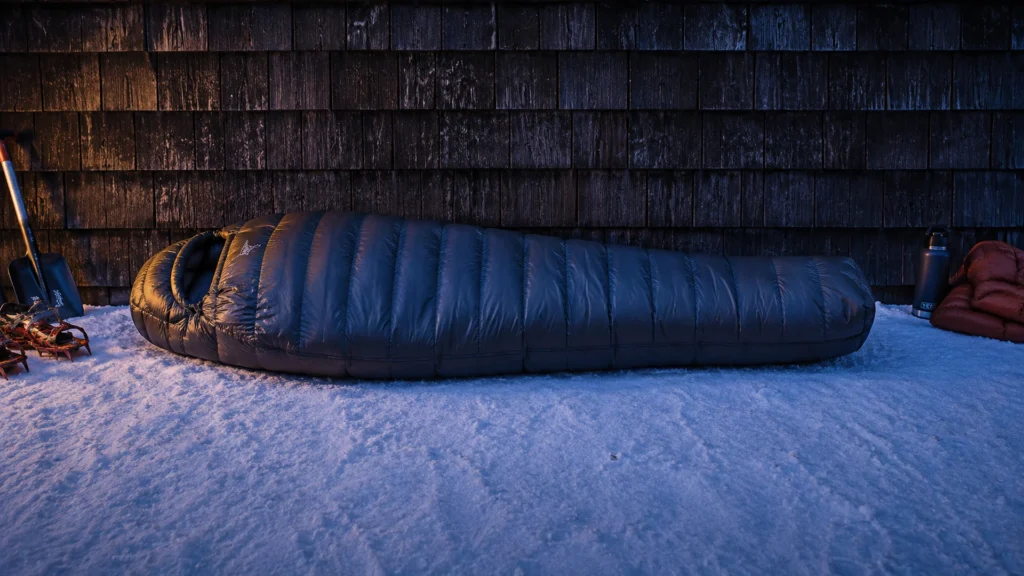
Down sleeping bags use goose or duck down clusters to trap heat. For this sub-category, your job is to match loft to expected nighttime temps and keep drafts out at the hood, zipper, and collar. If you camp in cold, you need a bag that stays warm even when conditions swing or the tent seal is imperfect.
Picking the right down bag gets hard because the trade-offs are real. Warmer bags usually weigh more and pack bigger. Higher fill power can improve warmth per ounce, but it also raises cost. And down only works well when it stays dry, so shell fabric, baffles, and your weather habits all affect comfort and warmth.
For related gear choices across all fill types and temperature ranges, tie your decision back to the full guide: Looking for all types? See our Best Sleeping Bags.
Quick Overview
Our Top Picks
#1. Western Mountaineering AlpinLite 20°F Sleeping Bag

Specifications
| Brand | Western Mountaineering |
|---|---|
| Temperature Rating | 20 °F |
| Shape | Mummy |
| Insulation Type | Down |
| Fill Power | 850 fill power |
| Weight | 1.9 lb |
Pros
- Hugs rated temps
- Roomy fit, smooth zipper
- Sturdy shell, reliable zips
Cons
- Overheat risk higher temps
Western Mountaineering AlpinLite 20°F is a top pick in the down sleeping bag group because it stays true to its cold rating. In real use, it grips the warmth around your body and limits drafts through the hood and zipper area. That dependable heat retention is backed by the practical down choice too, with 850 fill power loft that holds up when the temperature drops.
The main trade-off is fit and temperature balance. Its snug mummy shape helps trap warmth, but it can run warm if you push toward milder nights. This is a strong match for cold-weather backpackers who want a reliable down bag and can manage ventilation when conditions swing.
#2. Western Mountaineering UltraLite 20°F Sleeping Bag

Specifications
| Brand | Western Mountaineering |
|---|---|
| Temperature Rating | 20 °F |
| Season Rating | 3 Season |
| Insulation Type | Down |
| Fill Power | 850 fill power |
| Weight | 1 lb |
| Packed Size | 7 x 13 in |
Pros
- Hugs rated temps
- Roomy fit, smooth zipper
- Sturdy shell, reliable zips
Cons
- Snag-prone lightweight shell
- Moisture sensitivity
- Limited stow convenience
Western Mountaineering UltraLite 20°F stands out in down sleeping bags for how reliably it holds warmth near its 20°F rating. Users tend to feel the insulation work, with less of the draftiness that can make colder bags feel worse than the label. The roomy cut helps sleepers move and get comfortable, and the zipper runs smoothly when you need to adjust during the night.
For the down sleeping bag crowd, the main trade-off is sensitivity to moisture and a lighter shell that can be more snag-prone. This is a strong pick for dry, controlled conditions and careful handling, but less ideal if you expect wet weather or rough campsite use. If you want a bag that is easy to set up and forget without babying the fabric, look elsewhere.
#3. Western Mountaineering TerraLite 25°F Sleeping Bag

Specifications
| Brand | Western Mountaineering |
|---|---|
| Temperature Rating | 25 °F |
| Shape | Semi-Rectangular |
| Insulation Type | Down |
| Fill Power | 850 fill power |
| Weight | 1 lb |
| Packed Size | 10 x 27 x 12 in |
Pros
- Draftproof and cozy
- Light carry, tight pack
- Sturdy shell, reliable zips
Cons
- Shoulder chest narrow fit
- Fit-temperature mismatch
For a down sleeping bag that stays warm without feeling like a burden, the Western Mountaineering TerraLite 25°F is a standout. It uses 850 fill-power down and a semi-rectangular cut, and the build is geared for draft control. In the Down sleeping bag sub-category, that combo matters because heat loss from leaky collars and zipper areas is what makes many 25°F bags feel colder than expected. Here, the bag locks in heat well, and the weight and packed size stay tight for easier carrying.
The main trade-off is fit. The shoulder and chest area runs narrow, so sleepers who like more room may feel restricted. That can also create a comfort-temperature mismatch, especially if you run cold in the upper body. If you are slim, sleep in a fairly compact position, and want a warm, light down bag with strong sealing and dependable zippers, this one is a solid choice at the 25°F limit.
#4. Sea to Summit Spark Pro 15°F Sleeping Bag

Specifications
| Brand | Sea to Summit |
|---|---|
| Temperature Rating | 15 °F |
| Season Rating | 3 Season |
| Shape | Mummy |
| Insulation Type | Down |
| Fill Power | 900 fill power |
| Weight | 0.7 lb |
| Max User Height | 73 in |
Pros
- Draftproof and cozy
- Colder rated warmth
- Better insulation efficiency
Cons
- Side-sleeper slipping
- Pad-interface sensitivity
The Sea to Summit Spark Pro 15°F is a standout down bag for cold-weather backpackers who want real warmth without carrying a lot of weight. It targets a 15°F limit and uses high-loft 900 fill power down, along with a draftproof, cozy build that helps keep heat from leaking out near the hood and zipper. In the Down sleeping bag category, this is the kind of bag where insulation efficiency matters most, because even small gaps can turn a rated temperature into a colder night.
The main trade-offs are fit and pad setup. Side-sleepers may find they can slip a bit in the mummy shape, which can expose them to drafts. Also, warmth depends on how well the bag seals against your sleeping pad, so it is more sensitive at the pad interface than some designs. If you are a mostly back or stomach sleeper and you use a well-matched pad, it is a strong choice for staying warm near its 15°F mark.
#5. NEMO Disco 15°F Sleeping Bag

Specifications
| Brand | NEMO Equipment |
|---|---|
| Temperature Rating | 15 °F |
| Season Rating | 3 Season |
| Shape | Semi-Rectangular |
| Insulation Type | Down |
| Fill Power | 650 fill power |
| Weight | 2.69 lb |
| Packed Size | 12.5 x 8.5 in diameter |
Pros
- Draftproof and cozy
- Sturdy shell, reliable zips
- Effective temperature regulation
Cons
- Bulk/weight tradeoff
- Temperature expectation mismatch
- Pad dependency for warmth
NEMO’s Disco 15°F stands out in the down sleeping bag space for how well it seals out drafts while still feeling cozy. The bag uses down insulation with a 15°F rating and focuses on warmth where it matters, around the hood and along the zipper line. In real use, that attention to draft control helps it feel warmer than many down bags that are less consistent with sealing.
The main trade-off is bulk and weight. At 2.69 lb and with a 12.5 x 8.5 in packed size, it is not the lightest option for backpacking. It also leans on good pad insulation for full performance, so it is best for campers who can pair it with a warm sleeping pad and who want a comfort-first down bag for cold, three-season trips.
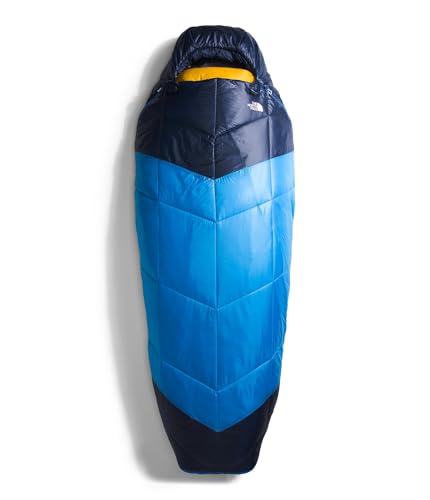
#6. The North Face One Bag 5°F Sleeping Bag

Specifications
| Brand | The North Face |
|---|---|
| Temperature Rating | 5 °F |
| Shape | Mummy |
| Insulation Type | Down |
| Fill Power | 800 fill power |
| Weight | 3.81 lb |
| Packed Size | 8 x 15 in |
| Max User Height | 74 in |
Pros
- Draftproof and cozy
- Better insulation efficiency
Cons
- Bulky pack, average rebound
- Heavy to carry
This 5 °F down mummy bag stands out for how cozy it feels when temperatures drop. The warmth rating is backed up by strong draft blocking, so you are less likely to feel cold air near the hood and zipper line. With 800 fill power down at 3.81 lb, it tends to keep usable loft where it matters, even when you are sleeping close to its lower limit.
The main trade-off is travel weight and size. At 8 x 15 in packed, it is bulky for a down bag at this rating, and it does not rebound as aggressively after compression as smaller packs. It is a good choice for car camping or trips where you care more about staying warm than minimizing carry weight.
#7. Therm-a-Rest Boost 650 20°F Sleeping Bag

Specifications
| Brand | Therm-a-Rest |
|---|---|
| Temperature Rating | 20 °F |
| Shape | Semi-Rectangular |
| Insulation Type | Down |
| Fill Power | 650 fill power |
| Weight | 2.75 lb |
| Packed Size | 12.5 x 7.5 in |
| Max User Height | 72 in |
Pros
- Roomy fit, smooth zipper
- Easy side shifting
- Ventilation versatility
Cons
- Cold-spot risk
- Side-sleeping cold
- Extra hardware bulk
The Therm-a-Rest Boost 650 stands out among down sleeping bags because it balances true cold-weather warmth with a semi-rectangular, roomier feel. At a 20 F rating, it gives you more room than tighter mummy styles, and the smooth zipper makes in-and-out and repositioning easier. In down bags, that combination matters, since changing your position without fighting the bag helps prevent the insulation from breaking down where you lie.
The main trade-off is warmth consistency. Cold-spot risk and side-sleeping cold can show up, especially if you frequently curl or turn toward the edges. If you sleep on your side or run cold, plan on using good insulating layers and a draft-resistant pad setup. If you mostly sleep fairly centered and like a roomy down bag, this one is a solid match.
#8. Kelty Cosmic 20°F Sleeping Bag

Specifications
| Brand | Kelty |
|---|---|
| Temperature Rating | 20 °F |
| Season Rating | 3 Season |
| Shape | Mummy |
| Insulation Type | Down |
| Fill Power | 550 fill power |
| Weight | 2.4 lb |
| Packed Size | 16 x 9 in |
| Max User Height | 66 in |
Pros
- Sturdy shell, reliable zips
- Strong performance per dollar
Cons
- Draft management concerns
- Fit restrictiveness issues
- Bulky pack, average rebound
Kelty Cosmic 20°F is a down mummy bag that stands out for its solid build. The shell feels sturdy, and the zippers come across as reliable in daily use. With 550 fill power down and a 2.4 lb weight, it is a practical pick for people who want classic down warmth without babying their gear. The comfort scores also suggest it is pleasant once you are inside, with fewer annoyances than many budget contenders in this range.
The main trade-off is how it manages cold air and how tightly it fits. Draft control can be a weak point, and the mummy shape can feel restrictive for sleepers who like extra room. It also packs a bit larger than ideal, and the rebound after compression is only average, so this is best for trips where you do not store it compressed for long periods or expect a super-compact pack size.
#9. Guide Gear -30°F Sleeping Bag

Specifications
| Brand | Guide Gear |
|---|---|
| Temperature Rating | -30 °F |
| Shape | Rectangular |
| Insulation Type | Down |
| Weight | 12.7 lb |
Pros
- Higher loft potential
Cons
- Mildly cooler than rated
- Heavy and slow to loft
- Wearing faster than expected
This Guide Gear -30°F down bag stands out for its higher loft potential, which is the big promise of down in extreme cold. In practice, though, it can run mildly cooler than its rating. Draft control is not the strongest link, so the bag may feel colder than expected when the air outside is really moving.
The trade-off is also practical. At 12.7 lb, it is heavy for a down option, and it can be slow to regain loft after you pack it. Durability is decent, but wear can show up faster than you would like. This is a better fit for car camping, base camp, or anyone who has room to manage bulk and wants down warmth for cold nights without demanding fast pack-down comfort.
What to Look For
Warmth at the stated temperature: Use the primary temperature rating to set your target, then plan for wind and sweat. If a bag feels cold around the hood or zipper area, it will likely underperform in the field even if the number looks right.
Loft and draft control design: Look for good insulation baffles along the zipper and a hood that seals well around your head. Down only keeps heat when the insulation stays in place and drafts cannot slip through.
Pack weight and packed size: Down can be light, but you should still check weight and packed dimensions against your trip style. If you hike long distances, prioritize lower weight and smaller packed size for the warmth you need.
Fill power and down performance for your conditions: Higher fill power typically improves warmth per ounce and helps the bag pack smaller. For wet or damp trips, choose a bag with a shell and construction that can handle occasional moisture, and plan to keep the bag dry.
Durability where it counts: Down bags fail at seams, zipper areas, and shell abrasion first. Check for solid construction around the foot box and zipper track, since damage there quickly turns warmth into cold spots.
How We Picked
Products were identified through broad research across review sites and buyer forums, then filtered to only those that qualify as Down Sleeping Bags. The list includes bags across common temperature targets, so you can compare warmth and packing traits within the down-only category.
Scoring used the same objective pillar framework as the main Sleeping Bags post, allowing direct comparison of products within this sub-category. Warmth and comfort carried the most weight, then packability and durability, with value based on how well each down bag delivered for its price.
Frequently Asked Questions
Do down sleeping bags keep you warmer than synthetic bags?
Down usually traps heat well for its weight. That means many down bags feel warmer and pack smaller. Synthetic bags often stay more reliable when wet. If your trips include lots of snow or damp weather, that tradeoff matters.
How should I wash and dry a down sleeping bag to keep it lofted?
Use a down-safe cleaner and follow the care label. Wash the whole bag, not just one spot, so it dries evenly. Dry it on low heat with clean dryer balls and check often. Stop only when the bag feels fully dry, because trapped moisture can ruin loft.
What temperature rating should I trust for down sleeping bags?
Most down bags list a comfort limit or a lower survival type rating. The real comfort depends on wind, your clothing, and sleeping pad warmth. A draft collar and a well-sealed hood help you stay close to the rating. If you run cold, consider a bag rated a bit warmer than your expected low.
How do down sleeping bags compare to synthetic sleeping bags for wet weather?
Down loses insulation performance when it gets wet, especially if it cannot fully dry. Synthetic fibers still insulate better when damp. If you expect rain, high humidity, or wet ground, synthetic can be the safer pick. For down, focus on keeping it dry with a good shelter and a liner when needed.
When should I choose a different sleeping bag type instead of down?
Choose synthetic if your priority is staying warm when wet. Choose a quilt or another bag style if you want more freedom of movement. Choose warmer rated insulation if you do not use a high R value sleeping pad. If weight and pack size drive your decision, down usually wins.


