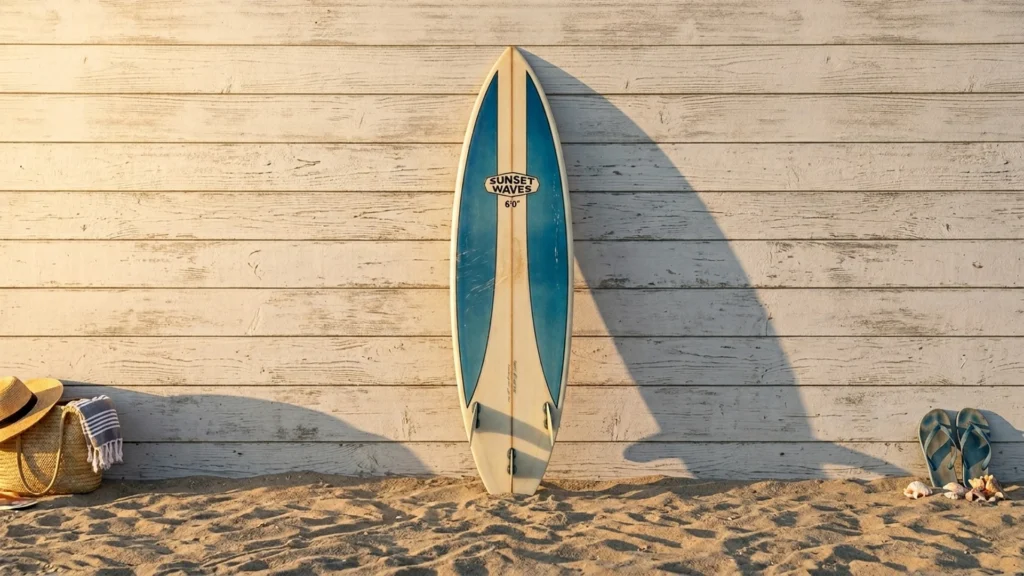
6-foot surfboards sit in the middle ground between shortboards and longboards. At this length, buyers usually want easier paddling than a larger board, plus more stability than a compact design. This is a common size for retro fish shapes, foam beginner boards, and softer entry boards that still let you catch and ride waves.
Picking the right 6-footer is hard because the trade-offs show up fast. More foam and wider outlines improve pop and forgiveness, but they can slow down turns and feel less lively on steeper faces. Thinner, performance-leaning 6-foot shapes handle speed and rail work better, but they demand better positioning and wave selection.
Looking for all types? See our Best Surfboards.
Quick Overview
Our Top Picks
#1. Paragon Retro Fish 6' Surfboard

Specifications
| Brand | Paragon Surfboards |
|---|---|
| Length | 72 in |
| Width | 21 in |
| Thickness | 2.5 in |
| Volume | 38.5 L |
| Board Type | Fish |
| Construction | Epoxy |
| Fin Setup | Twin Fin |
| Fin System | Quad FCS plugs |
Pros
- Durable composite build
- Good stability width
- More user-friendly thickness
Cons
- Water seepage risk
- Early tail cracking
This 6-foot fish is notable for being easy to ride while still keeping the playful speed that fish shapes are known for. At 72 in long and 21 in wide, its 2.5 in thickness and 38.5 L volume help you get into waves sooner and stay stable as you set your rail and pump through the line. The twin fin setup with quad FCS plugs also makes it feel responsive for a board in this size range, without demanding perfect technique.
The main trade-offs are durability and maintenance. There is a water seepage risk, so treat it carefully during travel and keep an eye out for any early damage. Early tail cracking can also show up, especially with repeated hard impacts. This board fits best for riders who want a stable 6-foot fish for small to medium surf and smoother, faster turns, and who are willing to be a bit more careful with how they transport and land.
#2. Giantex 6' Foam Surfboard
Specifications
| Brand | Giantex |
|---|---|
| Length | 72 in |
| Width | 20 in |
| Thickness | 3 in |
| Construction | EPS |
| Fin Setup | 2+1 |
Pros
- Strong value for specs
- Durable composite build
- Beginner traction
Cons
- Somewhat sluggish underfoot
- Tends to feel limited
- Turn initiation effort
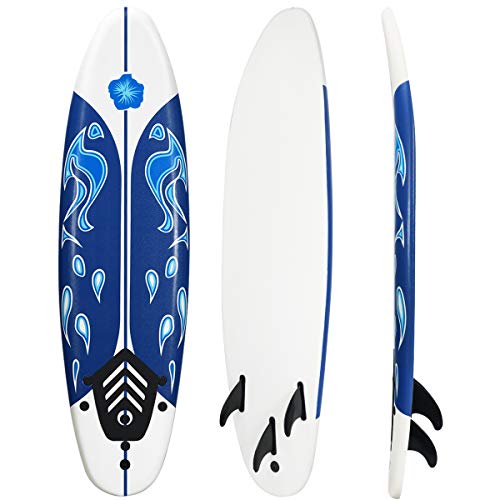
This Giantex 6' Foam Surfboard stands out in the 6-foot category for how approachable it feels right away. At 72 in long, 20 in wide, and 3 in thick, it gives easy paddling and steady pop-up support, helped by beginner-friendly traction and a 2+1 thruster setup. Under the feet, it tracks well enough for straight lines and basic turns, which matters when you are learning to read waves and keep speed.
The trade-off is that it can feel a bit sluggish when you try to snap your turns fast. Turn initiation takes more effort than livelier boards, so it is best for riders who want control and comfort over quick, snappy maneuvering. It also helps if your sessions focus on small to mid-size waves where you can build momentum and surf more in a smooth, steady style.
#3. GYMAX 6' Body Board
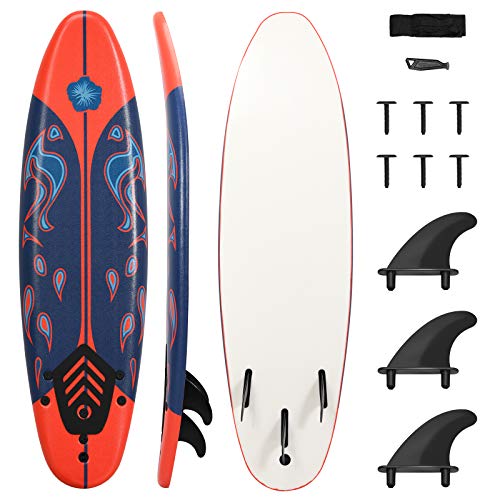
Specifications
| Brand | GYMAX |
|---|---|
| Length | 72 in |
| Width | 20 in |
| Thickness | 3 in |
| Construction | Foam |
| Fin Setup | 3-Fin |
Pros
- Strong value for specs
- Beginner-friendly handling
Cons
- Chips and dents sooner
- Inconsistent unit quality
- Somewhat sluggish underfoot
This 6-foot GYMAX body board stands out in the 6-Foot Surfboards space because it is a beginner-first board with easy, steady handling. At 72 in long and 20 in wide, it gives a stable, forgiving feel, and the 3-fin setup helps you hold a line while you learn basic speed and turning. Build is foam with a simple thruster style layout, so it works well for calmer days and small surf where control matters more than aggressive performance.
The trade-off is toughness and feel underfoot. Chips and dents can show up sooner than you would want, and some units feel a bit sluggish, especially when you try to generate speed late in a turn. If you want a smooth learning board for everyday sessions, this is a solid pick, but if you travel a lot or expect crisp, lively response in bigger surf, you may want to look at sturdier options.
What to Look For
Speed and rail control: On a 6-foot board, you should be able to generate speed with normal paddling and hold a line once you set the rail. If it feels to flat or hard to turn, it will drain your energy as soon as the wave steepens.
Wave range: Decide what you ride most. A 6-foot retro fish style should work in smaller, weaker surf, while a firmer performance feel usually handles punchier sections better. Match the board to the conditions you actually get, not your best day.
Construction and stiffness: Pay attention to what the board uses for material. Epoxy or PU builds tend to feel more consistent than soft, budget foam boards. A board that flexes too much can feel slow, while one that feels overly stiff can feel harsh and harder to control.
Durability for travel and repairs: 6-foot boards get carried, leaned on, and bumped. Look for solid fin box areas and a build that resists dings. Foam entry boards can survive knocks, but they still need care around rails and fin mounts.
Value for the use case: Compare price against real day-to-day needs. If the board is mainly for learning and gentle waves, spending for advanced performance features usually does not pay off. If you want real turning and drive, avoid boards that sacrifice control for low cost.
How We Picked
Products were identified through broad research across review sites and buyer forums, then filtered to only those that qualify as 6-Foot Surfboards.
Scoring used the same objective pillar framework as the main Surfboards post, allowing direct comparison of products within this sub-category.
Frequently Asked Questions
Are 6-foot surfboards good for beginners, and what should I look for?
A 6-foot board can be more stable than shorter boards, so it often helps beginners paddle and pop up. Look for a shape that gives easy speed and forgiving turning, plus a solid fin setup. Also check that the board feels stiff enough to hold your line, not dead or floppy.
How do retro fish styles on a 6-foot board usually change performance?
Retro fish shapes tend to catch waves sooner and feel quicker on small to mid-size surf. They often turn smoothly rather than feeling locked in like a longboard. The tradeoff is that they may feel less precise on steep, fast sections than more traditional all-around shortboards.
What maintenance matters most for a 6-foot foam or entry-level board?
Rinse the board with fresh water after every session, even if it was not sandy. Let it fully dry before storage to reduce odor and soft spots. Avoid heavy impacts near the nose and rails, and inspect for chips or loose fins before each trip.
When should I choose a different surfboard type instead of a 6-foot board?
Choose a different type if you mostly surf strong, fast waves where you need sharper control. If you ride very small, weak surf, a fish or a slightly more volume-forward fun shape can work better than a standard 6-foot model. If you want long glide and easy noseriding, a longboard usually fits better.
How do 6-foot surfboards compare to shorter boards in turning and speed?
A 6-foot board usually paddles and gains speed more easily than shorter boards. It also tends to feel more stable when you are setting up a turn. Shorter boards often turn faster off the bottom, but they can feel less forgiving when you miss your line.