




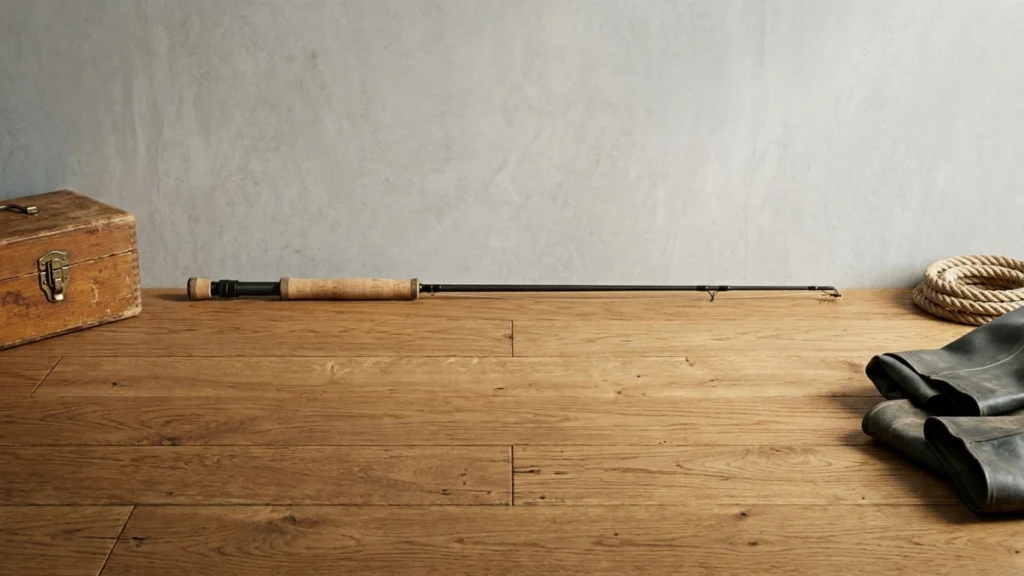
1-Piece Fishing Rods come in a single rod section. That design usually gives more direct blank power and cleaner control when you cast, set hooks, and fight fish. For buyers, the main payoff is how the rod feels on the water, not how it packs for travel.
Buying is hard because 1-piece rods trade portability for stiffness and response. You also have to match the rod to your lure, line, and target fish. Pick the wrong power or action and the rod can feel underpowered on hooksets or too stiff for sensitivity and light strikes.
If you want broader choices across rod styles and builds, Looking for all types? See our Best Fishing Rods.
Quick Overview
Our Top Picks
#1. KastKing Assegai Technique 7'8" Fishing Rod

Specifications
| Brand | KastKing |
|---|---|
| Rod Type | Casting Rod |
| Rod Length | 7.83 ft |
| Rod Power | Medium |
| Rod Action | Moderate |
| Number Of Pieces | 1 Piece |
| Blank Material | Graphite |
Pros
- Accurate, confident hooksets
- Durable components, clean fit
- Highly sensitive blank
Cons
- Fit-spec confusion
- Hook-keeper placement issue
- Hard to control length
This KastKing 7'8" one-piece casting rod stands out for how easy it is to fish with all day while still staying responsive. Because it is a true single section, there is less to align or worry about at the joints, and that shows in its casting feel. Users report confident, accurate casts and hooksets, plus a solid backbone when the fish pushes back. The moderate action also gives a smooth load without feeling mushy, so you can keep control during typical pitching and reeling moves.
Not every angler will love the same feel, though. Some buyers mention fit-spec confusion, and a hook-keeper placement issue, which can affect how quickly you can manage lures between casts. If you are picky about rod control, you may also notice it takes a bit of practice to manage the length and keep casts tight. This one-piece design and technique-ready feel are best for anglers who want one rod that stays consistent from the first cast to the last.
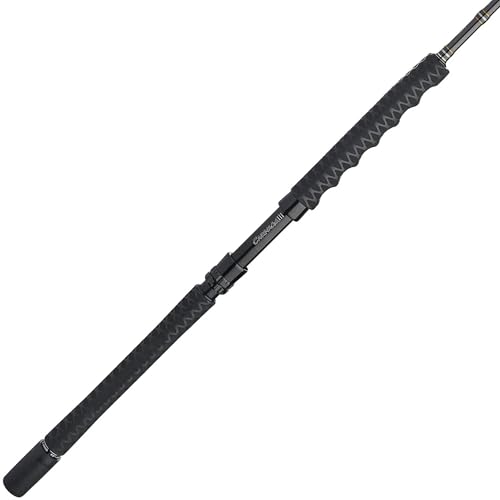
#2. PENN Carnage III Jigging 6' Fishing Rod

Specifications
| Brand | PENN |
|---|---|
| Rod Type | Spinning Rod |
| Rod Length | 6 ft |
| Rod Power | Heavy |
| Rod Action | Moderate Fast |
| Line Rating | 30-80 lb |
| Number Of Pieces | 1 Piece |
Pros
- Accurate, confident hooksets
- Durable components, clean fit
- Strong performance for price
Cons
- Slight wrist fatigue
- Too heavy for most
- Mismatched line rating
For anglers who want a true one-piece build, this PENN Carnage III Jigging rod stands out for how it keeps power and control right through the fight. At 6 ft with heavy power and a moderate fast action, it helps you drive hooks with confidence, even when you are working bottom and vertical jigging. Guides and components feel solid, and the rod fit and finish come across as clean, which matters more when there are no sections to align after transport.
The main trade-off is comfort. Users report some wrist fatigue, and the rod can feel too heavy for long sessions for lighter hands or lighter lures. It also has a mismatched line rating for some setups, so it is best for anglers who already fish within a 30-80 lb range and want a stout jigging rod that prioritizes backbone over finesse.
#3. Shimano TALLUS PX 6'6" Fishing Rod

Specifications
| Brand | SHIMANO |
|---|---|
| Rod Type | Casting Rod |
| Rod Length | 6.5 ft |
| Rod Power | Extra Heavy |
| Number Of Pieces | 1 Piece |
Pros
- Accurate, confident hooksets
- Great all-around length
- Good casting control
Cons
- Slight wrist fatigue
- Specs uncertainty
This Shimano Tallus PX stands out in 1-piece rod setups because it keeps feel and control steady from start to finish. The 6.5 ft extra heavy casting blank helps you make accurate casts with firm line control, and the hooksets come through with real confidence. Under load, the rod tracks straight and pushes back when you need power, which is a big deal when you want one smooth casting and fighting rhythm instead of stopping to adjust.
The main trade-off is comfort over long sessions. Some anglers report slight wrist fatigue, especially when casting heavy lures for extended periods. Also, specs like line and lure ranges are not clearly confirmed here, so it is best suited for anglers who already know what they want to throw and can tune their setup by feel rather than relying on exact numbers.
#4. Lew's MACH Jacked 7' Fishing Rod Combo

Specifications
| Brand | Lew's |
|---|---|
| Rod Type | Spinning Rod |
| Rod Length | 7 ft |
| Rod Power | Medium |
| Rod Action | Fast |
| Lure Rating | 0.25-0.88 oz |
| Number Of Pieces | 1 Piece |
| Blank Material | Graphite |
Pros
- Durable components, clean fit
- Highly sensitive blank
- Great all-around length
Cons
- Somewhat dull feedback
This 1-piece spinning combo stands out because it keeps the rod feel consistent from first cast to the last. At 7 ft with a medium power and fast action, the blank loads smoothly and gives good control for common moving lures. The build is also solid for a one-piece setup, with durable components and clean, well-aligned fit where it matters.
The main trade-off is bite feel. Reviews point to somewhat dull feedback, so it is not the best choice if you rely on subtle taps. It works better for anglers who can watch the line and focus on steady contact, especially within the lure range of 0.25-0.88 oz.
What to Look For
Rod length for your water: Choose a length that fits how you fish. A longer rod helps reach and cast farther from shore or boats. A shorter one helps with accuracy and close-quarters control.
Power and action matched to the lure: Match power to the fish size and cover. Match action to how you want the rod to load on casts and on hooksets. Fast and extra fast actions tend to transfer energy quicker, while slower actions absorb more during fights.
Line rating and lure rating that stay in range: Use the stated lb and oz ranges as your guardrails. Staying near the rod ratings improves casting control and keeps the blank working the way it was designed.
Blank material and overall sensitivity: One-piece designs often feel more responsive, but not all blanks telegraph bites the same. Look for reports that mention clear bottom contact, easy bite detection, and solid feedback when working lures.
Build quality where it matters most: Check for a stable reel seat, straight guide alignment, and a handle that stays secure under load. For 1-piece rods, poor QC shows up fast as looseness, guide issues, or early wear.
How We Picked
Products were identified through broad research across review sites and buyer forums, then filtered to only those that qualify as 1-Piece Fishing Rods.
Scoring used the same objective pillar framework as the main Fishing Rods post, allowing direct comparison of products within this sub-category.
Frequently Asked Questions
What is the main advantage of a 1-piece fishing rod?
A 1-piece rod feels more connected from handle to tip. Many anglers notice better control when casting and setting the hook. It can also feel more direct when you fight a fish. That said, it is less travel friendly than multi-piece rods.
How do I choose the right length for a 1-piece rod?
Pick a length that matches your main technique and where you fish. Shorter rods feel easier to control around docks and boats. Longer rods often cast farther and handle longer casts better. If you fish from a small space, lean shorter.
Do 1-piece rods need special care during transport and storage?
Yes. Store the rod in a rod tube or protective sleeve to prevent tip damage. Avoid putting weight on the tip in your vehicle. Let the rod warm up before heavy flexing in cold weather.
How can I tell which 1-piece rod is better made?
Look for straight alignment, secure guides, and a solid reel seat. Check that the wraps and finish look clean and even. Give the rod a gentle flex to see if it feels consistent, not wobbly. Better-built rods usually last longer and keep performance.
When should I choose a multi-piece rod instead of a 1-piece rod?
Choose multi-piece if you travel often or you need a rod that fits a small vehicle. It also helps when you fly or store rods in tight spaces. A 1-piece rod usually wins for feel and direct power. It is not the best choice if packing matters most.
How do 1-piece rods compare to other fishing rods in terms of sensitivity?
Many 1-piece rods transmit bites more clearly because they flex as one solid blank. This can improve bottom contact and lure feedback. Multi-piece rods can still be sensitive, but joints may slightly reduce the feel. For bite detection, a stiffer, higher quality blank often matters more than anything else.


