




Skinner hunting knives focus on one job: clean skinning and controlled slicing close to the hide. Buyers in this sub-category want a short, stable fixed or traditional blade that tracks straight, reduces drag, and stays controllable when hands get slick. The goal is predictable cuts for hide removal, field dressing, and trimming around joints.
Picking the right skinner is hard because key specs fight each other. A thinner, sharper edge can skin with less effort, but it may need more care to avoid rolling or chipping. Stronger, tougher steels can hold up better, yet may sharpen slower in the field. Handle grip matters more than many buyers expect, since wet hide and blood change how every scale feels in use.
Looking for all types? See our Best Hunting Knives.
Quick Overview
Our Top Picks
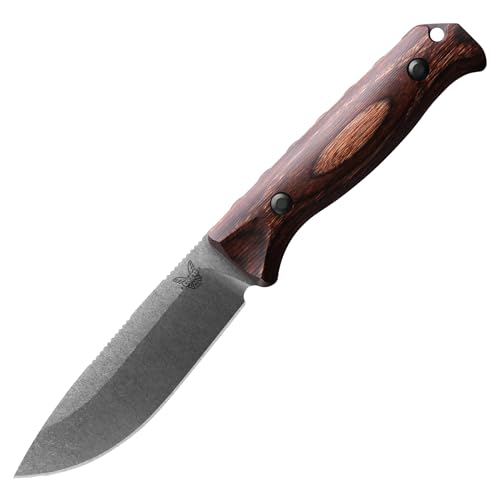
#1. Benchmade Saddle Mountain Hunting Knife
Specifications
| Brand | Benchmade |
|---|---|
| Knife Type | Fixed Blade |
| Blade Length | 4.2 in |
| Overall Length | 8.70 in |
| Blade Material | CPM-S30V Stainless Steel |
| Blade Style | Drop Point |
| Blade Edge | Plain Edge |
| Handle Material | Wood |
| Weight | 4.8 oz |
Pros
- Clean, effortless skinning
- Tight fit and finish
- Balanced for precise control
Cons
- Harder sharpening effort
This Benchmade fixed blade stands out in a Skinner Hunting Knives lineup thanks to how easily it glides through hide and connective tissue. The 4.2 in drop point blade and tight, well-finished build give you steady tip control for close work. In real field dressing, it keeps cuts clean with less drag, so you can stay on the surface and avoid digging in.
The main trade-off shows up when you need to resharpen. CPM-S30V can take more effort than softer steels, so plan to sharpen before the season or bring the right setup. If you want precise skinning control and a durable, well-made knife for frequent use, this is a strong fit.
#2. ESEE Ashley Game Hunting Knife

Specifications
| Brand | ESEE |
|---|---|
| Knife Type | Fixed Blade |
| Blade Length | 3.5 in |
| Overall Length | 8.25 in |
| Blade Material | 1095 Carbon Steel |
| Blade Style | Drop Point |
| Handle Material | Micarta |
| Weight | 5.1 oz |
Pros
- Clean, effortless skinning
- Balanced for precise control
- Tight fit and finish
Cons
- Low-grade/unknown steel
- Limited performance specifics
Balanced control and clean skinning work stand out for this ESEE fixed blade, especially for the hands-on pace of a typical skinner job. In the 3.5 in drop point blade class, it tracks smoothly through membrane and fat, and it feels steady for careful cuts. The micarta grip also stays secure during wet, bloody work, and the fit and finish feel tight enough that you do not notice the knife while you work.
The trade-off is blade certainty. The steel is listed as 1095 carbon, but the review stops short of clear edge retention or real field sharpening guidance, so performance depends more on your setup and maintenance. This is a strong pick for hunters who value precise control and are willing to manage a carbon blade with proper cleaning and care.
#3. Buck 113 Ranger Skinner Hunting Knife

Specifications
| Brand | Buck Knives |
|---|---|
| Knife Type | Fixed Blade |
| Blade Length | 3.1 in |
| Overall Length | 7.3 in |
| Blade Material | 420HC Stainless Steel |
| Blade Style | Skinner |
| Blade Edge | Plain Edge |
| Handle Material | Ebony |
| Weight | 5.2 oz |
Pros
- Clean, effortless skinning
- Tight fit and finish
- Balanced for precise control
Cons
- No blade jimping
This Buck 113 Ranger Skinner is a standout pick for skinning because it stays clean and controlled through the long, careful cuts that matter most. The small 3.1 in skinning blade is easy to steer, and users report an effortless feel when separating hide from tissue. With 420HC stainless steel and a tight, solid build, it holds up well for field dressing work without feeling flimsy, and the balance helps reduce hand fatigue during detailed work.
The main trade-off is the lack of blade jimping. Without it, you rely more on grip and finger placement than on traction near the spine. If you like a smooth thumb rest and have a steady hold, it fits that style of skinner work well. If you want extra purchase for wet or slippery conditions, you may prefer a model with jimping.
What to Look For
Skinning-first blade geometry: Look for a blade profile and edge grind that let you slice forward with light pressure. For skinner work, a thin edge behind the bevel matters more than a broad, heavy cutting face. If the blade feels clumsy or needs force to move, it will slow you down on long jobs.
Edge retention and easy resharpening: Your knife will see bone contact, hide hair, and grit. Choose a blade material and heat treat that hold an edge but also resharpen without turning the field into a workshop. If you plan to use a stone, match the steel to the sharpening time you can realistically spend.
Corrosion resistance for wet work: Skinning puts the blade in constant contact with moisture and salt. Prioritize stainless blade steels when you do not want to baby the knife. If you use carbon steel, plan on more rinsing and drying after each animal.
Handle grip under blood and water: A skinner sees long, close cuts, so the handle must stay secure. Choose a handle material that stays grippy when wet, and make sure the knife balances so your wrist does not take the strain. Hot spots or a slick grip can turn precise skinning into sloppy cuts.
Blade length and control: Skinning knives usually favor shorter blades for better tip control and less blade exposure during tight work. Pick a length that lets you follow the hide without overreaching, then test comfort with a relaxed pinch grip.
How We Picked
We identified candidates through broad research across review sites and buyer forums, then filtered to only knives that fit skinner hunting use. We focused on knives buyers actually use for hide work and field dressing, not generic folders that happen to cut.
We scored each option using the same objective pillar framework as the main Hunting Knives post, so results stay comparable within this sub-category. Performance, build quality, ergonomics, and value determined the rank, with extra attention on edge control for skinning and dependable grip during wet, detailed work.
Frequently Asked Questions
What makes a skinner knife different from other hunting knives?
A skinner blade is usually shaped for close, controlled cuts along hide. Many have a long, straight edge and a profile that helps you work under skin without digging in. It is built for precision during skinning and light field dressing.
How should I choose the right blade length for skinning?
Pick a blade length that gives you control, not just reach. For most chores, a medium blade works well for long strokes and careful trimming. If you want more leverage on bigger animals, a longer blade can help, but it should still feel easy to guide.
What is the best way to clean and care for a skinner knife after use?
Rinse off blood and debris right away, then dry the blade fully. Wipe the handle too, especially if it has wood or micarta. Use a light oil on the blade to slow rust, then store it in a dry sheath.
Do I really need a partially serrated edge for skinning?
Most skinning work benefits from a plain edge because it stays smooth and predictable. Partially serrated edges can help start cuts on tough hide, but they can feel less clean for long, thin slicing. Choose based on your preference and how often you resharpen in the field.
When should I skip a skinner knife and choose a different hunting knife?
Choose a different type if you mainly need general carving and heavy chopping. If you spend most time on deboning or breaking down joints, a more robust all purpose fixed blade may fit better. A skinner is best when your focus is hide work and tight, careful cuts.
How do skinner knives compare to drop point hunting knives for everyday field dressing?
A drop point hunting knife often gives more versatility for mixed tasks. A skinner knife usually wins for hide and membrane work because it is easier to control close to the carcass. If your job is mostly skinning, a skinner will feel more precise.


