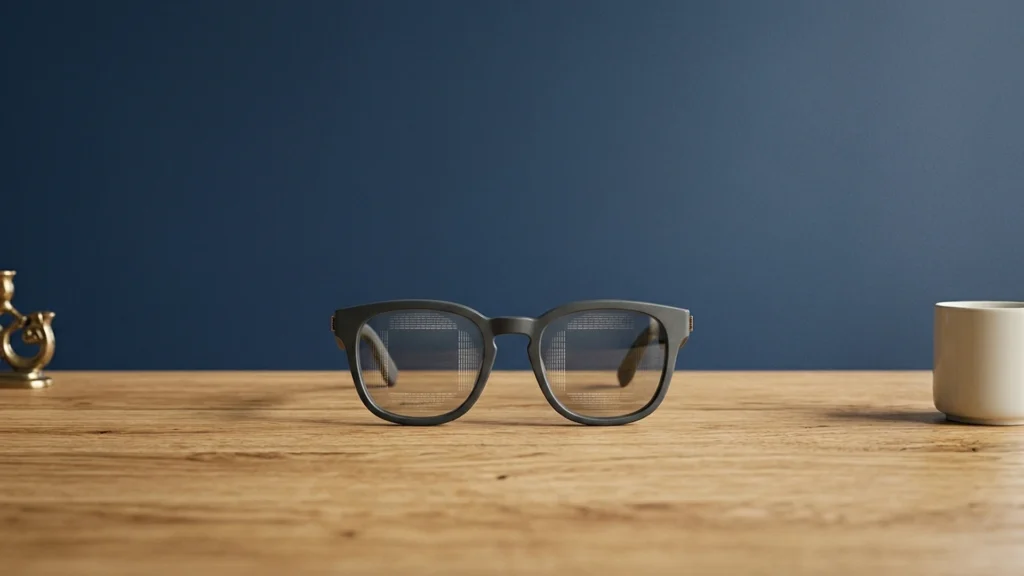
Micro-OLED smart glasses use tiny OLED panels for the display. That matters because text and UI overlays depend on both panel crispness and the optics that place the image in front of your eyes. In this sub-category, you should expect glass-to-screen sharpness for media, clear interface text, and dependable handoff from the app or phone to the glasses.
Picking the right pair gets harder because micro-OLED systems still trade off. You may face a smaller or more constrained field of view. Brightness can drop in real indoor light. Comfort varies widely due to weight balance and how the frame clamps your temples. Battery life also differs by use, especially when you run constant display output.
If you want the broader buying map across all smart glass styles, start with our full guide and then narrow to micro-OLED models by the criteria below. Looking for all types? See our Best Smart Glasses.
Quick Overview
Our Top Picks
#1. VITURE Beast XR Smart Glasses

Specifications
| Brand | VITURE |
|---|---|
| Form Factor | XR Glasses |
| Display Technology | Micro-OLED |
| Field Of View | 58° |
| Weight | 0.2 oz |
Pros
- Reliable voice & translation
- Lightweight and stable
Cons
- Dies early with mixed use
- Prescription-lens inconsistency
- Firmware-dependent features
VITURE Beast XR stands out in the micro-OLED smart glasses space because it keeps the smart parts working in day-to-day use. Voice commands and translation feel consistent, and audio stays clear enough to follow while you move. The glasses also hit a nice balance between lightweight wear and stable positioning, so the display experience is less interrupted by shifting or readjusting.
The main trade-off is reliability over long sessions. Battery life can end sooner than you want with mixed use, and some functions depend on firmware, so behavior may change across updates. If you use prescription lenses, plan for possible fit or lens consistency issues, and expect that to matter more than the display tech.
#2. RayNeo Air 3s Pro Smart Glasses

Specifications
| Brand | RayNeo |
|---|---|
| Form Factor | AR Glasses |
| Display Technology | Micro-OLED |
| Display Resolution | 1920 x 1080 px |
| Field Of View | 47° |
| Weight | 0.2 oz |
Pros
- Reliable voice & translation
- Lightweight and stable
- Worth it for daily use
Cons
- Dies early with mixed use
- Adaptation time required
RayNeo Air 3s Pro stands out in the Micro-OLED Smart Glasses space with a practical, everyday approach. The micro-OLED display is clear enough for quick glance use, while voice and translation feel dependable in real conversations. It also stays light and stable during normal movement, which matters when you want the screen and audio to feel natural together.
The main trade-off is battery consistency. It tends to die earlier with mixed use, so you may need more frequent charging than you expect. Also plan for a short adaptation period to get comfortable with controls and how to time prompts. If you care most about voice, translation, and comfort for daily wear, it is a strong near-term pick in this category.
#3. VITURE Luma Pro Smart Glasses

Specifications
| Brand | VITURE |
|---|---|
| Form Factor | XR Glasses |
| Display Technology | Micro-OLED |
| Field Of View | 52° |
| Connectivity | Direct Connection to Virtually Any USB-C Device |
| Weight | 0.2 lb |
Pros
- Advanced display optics
- Reliable voice & translation
- AR-focused feature set
Cons
- Dies early with mixed use
- Accessory dock dependency
- Native feature limitations
VITURE Luma Pro stands out in Micro-OLED Smart Glasses because the display optics feel built for real viewing, not just demos. The micro-OLED setup delivers crisp, readable content with a steady visual experience, while the audio and voice side stays dependable for hands-free control. Translation and voice input also tend to be reliable in daily use, which matters when you are relying on the glasses instead of pulling out your phone.
The main trade-off is endurance and setup simplicity. With mixed use, the battery can run down sooner than you want, so plan for charging breaks. It also leans on an accessory dock for some workflows, and native features can feel limited compared to what you might expect from a full XR platform. This makes it best for people who want strong micro-OLED display time and practical voice driven use, and who do not mind working around the ecosystem.
#4. Rokid Max2 Smart Glasses

Specifications
| Brand | Rokid |
|---|---|
| Form Factor | AR Glasses |
| Display Technology | Micro-OLED |
| Display Resolution | 1920 x 1080 px |
| Field Of View | 50° |
| Camera Resolution | 12 MP |
| Connectivity | USB-C |
| Weight | 2.6 oz |
Pros
- Crisp image clarity
- Advanced display optics
- Lightweight and stable
Cons
- Dies early with mixed use
- Limited connectivity
- Creaks slightly under pressure
Rokid Max2 stands out in the Micro-OLED Smart Glasses space for how crisp the image looks. With 1920 x 1080 px micro OLED and advanced display optics, the picture comes through clearly when the content is on screen. The glasses also feel light at 2.6 oz, and they stay stable, which helps when you glance at notifications or follow media in motion. A 12 MP camera adds to the practical side for quick capture, and the overall experience feels responsive rather than laggy.
The main trade-off is power. It dies early with mixed use, so you may need frequent charging if you want a full day. Connectivity is also limited to USB-C, which can reduce how seamlessly it fits into a wider workflow. Build is good enough for everyday wear, but it creaks slightly under pressure, so it does not feel as rigid as sturdier frames.
#5. VITURE Pro XR Smart Glasses

Specifications
| Brand | VITURE |
|---|---|
| Form Factor | XR Glasses |
| Display Technology | Micro-OLED |
| Display Resolution | 1920 x 1080 px per eye |
| Field Of View | 46° |
| Battery Life | 2.8 hr |
| Weight | 0.2 lb |
Pros
- Reliable voice & translation
- Worth it for daily use
Cons
- Dies early with mixed use
- Narrow field of view
VITURE Pro XR stands out in the Micro-OLED Smart Glasses category for its day to day voice and translation reliability. In use, it feels responsive, with fewer dropouts than many XR style glasses. The Micro-OLED image also stays sharp and clear for watching and reading, which matters when you are relying on a small display across your field of view.
The main trade-off is simple. The field of view is narrow at 46 degrees, so the display feels more tunnel like than immersive. Battery life is also short, around 2.8 hr with mixed use, so long sessions require frequent recharging. This is best for people who prioritize voice and translation over broad visuals and all day runtime.
#6. XREAL One Pro Smart Glasses

Specifications
| Brand | XREAL |
|---|---|
| Form Factor | AR Glasses |
| Display Technology | Micro-OLED |
| Field Of View | 57°F |
| Connectivity | Wi-Fi 6, Bluetooth 5.2 |
| Weight | 0.2 lb |
Pros
- Reliable voice & translation
- Lightweight and stable
- Advanced display optics
Cons
- High standby drain
- Not top-tier picture quality
- Batteryless tether use
XREAL One Pro stands out in the Micro-OLED smart glasses space because it feels practical for everyday voice and translation use. The experience stays light and stable on your face, and the advanced optics help keep the display readable during normal viewing. If you want micro-OLED-style clarity without fighting constant setup issues, this model is a solid fit.
The main trade-off is power. Standby drain is high, so you cannot rely on leaving it idle for long. It also works best when tethered, which limits flexibility if you want full battery independent use. Choose it if voice and translation reliability matter most, and you plan your charging habits around the battery.
#7. RayNeo Air 4 Pro Smart Glasses

Specifications
| Brand | RayNeo |
|---|---|
| Form Factor | AR Glasses |
| Display Technology | Micro-OLED |
| Field Of View | 46° |
| Connectivity | USB-C |
Pros
- Reliable voice & translation
- Worth it for daily use
- Advanced display optics
Cons
- High standby drain
- Creaks slightly under pressure
- Narrow field of view
RayNeo Air 4 Pro stands out in Micro-OLED Smart Glasses for its daily AI and translation reliability, paired with strong display optics. The Micro-OLED display looks clear when you look into it, and the smart side feels dependable when you speak. In practice, the voice and translation flow smoothly enough that you do not constantly repeat yourself. That is a big deal for this category, where many glasses look good but struggle to stay accurate in real moments.
The trade-offs are real. Battery performance is less steady due to high standby drain, so you need to manage charging if you wear them casually. Comfort is also mixed over long stretches, with slight creaking under pressure. Add the narrow 46 degree field of view, and you get a more focused view than you might expect. This model fits best if you prioritize voice translation reliability and clear Micro-OLED visuals, and you can tolerate tighter framing and more hands-on battery habits.
#8. XREAL 1S Smart Glasses

Specifications
| Brand | XREAL |
|---|---|
| Form Factor | AR Glasses |
| Display Technology | Micro-OLED |
| Display Resolution | 1920 x 1200 px per eye |
| Field Of View | 52° |
| Connectivity | USB-C DP |
| Weight | 3.2 oz |
Pros
- Reliable voice & translation
- Crisp image clarity
- Advanced display optics
Cons
- High standby drain
- Heavy and tiring
- 3D latency
XREAL 1S stands out in Micro-OLED smart glasses because the image stays sharp and clear in real viewing. The optics help deliver readable text and stable visuals, and the glasses also handle voice and translation in a way that feels dependable from session to session. If you want micro-OLED immersion for everyday media and quick assist tasks, this model is one of the steadier picks.
The trade-off is comfort and endurance. At 3.2 oz, the frame can feel heavy and tiring over long periods. Battery life also drops faster than you would expect, especially when left idle. There is also some 3D latency, so fast, layered content may not feel perfectly smooth for everyone.
What to Look For
Micro-OLED display performance: Focus on how legible the image looks in motion. Check for crisp text edges and stable contrast when the display content changes. If reviews mention washed-out whites or blurry UI, that is a real micro-OLED optics and processing issue.
Resolution clarity per eye: Higher pixel counts usually reduce “text crawl” and make small labels easier to read. Use the per-eye resolution when you compare models. If two pairs use similar optics, the one with better pixel density typically looks cleaner for apps and subtitles.
Field of view you can live with: Larger field of view can make games and video feel more immersive. But wide optics can also increase edge distortion. Choose based on your main use. If you read menus and notifications, prioritize readable edges over sheer width.
Camera and connectivity that support daily use: Micro-OLED glasses often pair with a companion app. A useful camera should be clear enough for basic scanning, calls, or AI features. For connectivity, confirm the connection method you will use most, like Bluetooth for audio control and the expected video streaming path from your phone or device.
Comfort plus battery in mixed use: Micro-OLED displays add power draw. Look for glasses that keep steady battery performance during real mixed sessions, not only idle time. Comfort matters because micro-OLED frames can feel front-heavy during long viewing. Check reviews for hotspot notes on the nose and temple pressure.
How We Picked
Products were identified through broad research across review sites and buyer forums, then filtered to only those that qualify as Micro-OLED Smart Glasses.
Scoring used the same objective pillar framework as the main Smart Glasses post, allowing direct comparison of products within this sub-category.
Frequently Asked Questions
What is Micro-OLED smart display tech, and what does it change for me?
Micro-OLED panels create very sharp images with strong contrast. That helps text and UI look clearer, especially in darker scenes. You may still notice brightness drops outdoors compared to indoor use.
Do Micro-OLED smart glasses work well for video watching or just notifications?
They usually feel best for watching content like videos, streaming, and large on-screen apps. Some models also handle notifications well when paired with your phone. If you want mostly tiny alerts, you may not need the most advanced display.
How do I set up Micro-OLED smart glasses with my phone or laptop?
Most models connect using Bluetooth for audio and a separate link for the display. You often need an app for pairing and settings like brightness and notifications. After setup, keep your phone or dongle within range to reduce lag.
How should I care for the lenses and keep the display looking clean?
Use a microfiber cloth and a lens-safe cleaner. Avoid paper towels or harsh sprays that can damage coatings. Store the glasses in a case when you are not using them.
When should I choose a different smart glasses type instead of Micro-OLED?
Choose AR glasses if you want richer camera based overlays and stronger AI features. Choose Audio glasses if your main goal is clear sound and hands free calls. Choose Micro-OLED when you care most about a bigger, more readable screen.
How do Micro-OLED smart glasses compare to other smart glasses for battery life?
Micro-OLED display glasses often use more power than audio focused models. Battery life can feel short during heavy use like watching video. If you plan all day wear, look for glasses with dependable standby and faster recharging.