




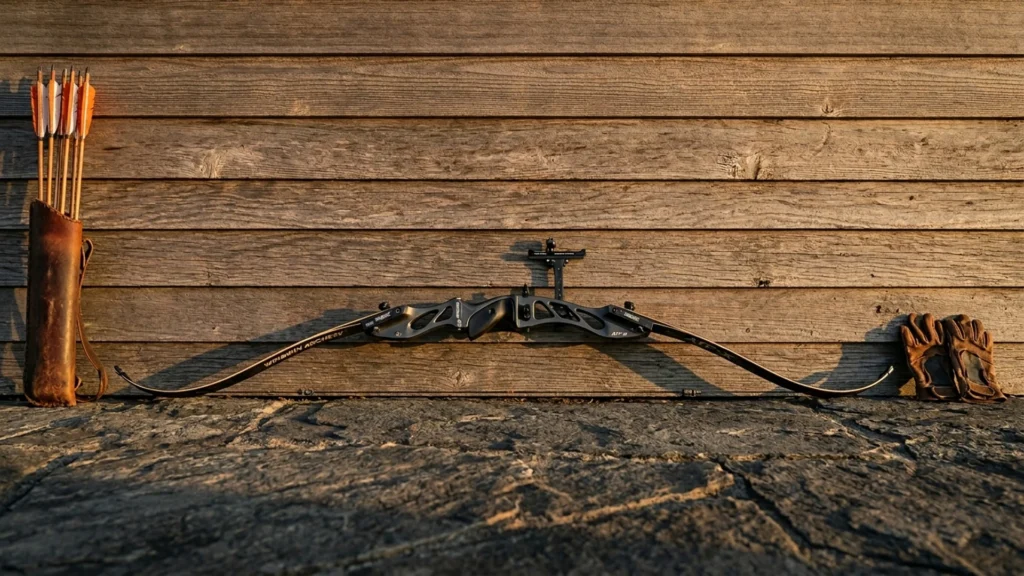
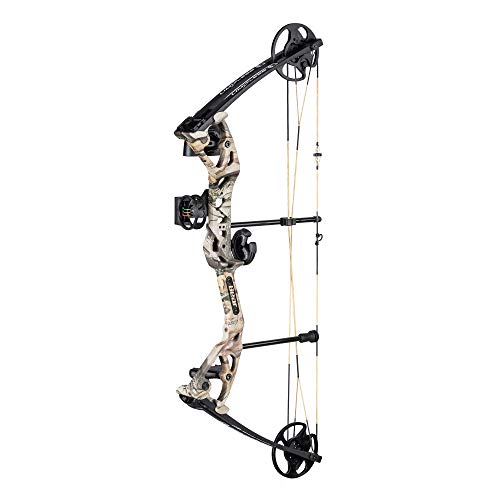
Draw Weight Range archery bows focus on adjustable draw weight so you can start at a lighter pull and move up as you build strength and form. Buyers in this sub-category usually want one bow that fits multiple skill levels, often for family use or steady practice at home.
The hard part is the trade-offs. A wider draw weight range can mean a less forgiving setup at the high end. Weight changes can also shift balance and vibration feel. If the bow does not tune cleanly across the range, you end up with inconsistent groups even when the draw weight looks correct on paper.
Looking for all types? See our Best Archery Bows.
Quick Overview
Our Top Picks
#1. PSE Brute NXT Compound Bow

Specifications
| Brand | PSE ARCHERY |
|---|---|
| Bow Type | Compound |
| Axle To Axle Length | 30.75 in |
| Brace Height | 6.5 in |
| Draw Weight | 50% draw-weight adjustability; Peak draw weight: 55 lb |
| Draw Length | 22.5-30 in |
| Let Off | 80% |
| Ibo Speed | 328-320 fps |
Pros
- Consistent, stable shots
- Easy setup across draw lengths
Cons
- Dealer-only repairs
- Parts obsolescence risk
The PSE Brute NXT stands out for this draw weight range use case because it supports a wide adjustment window, from 22.5 to 30 inches draw length, with 50% draw-weight adjustability and a peak of 55 lb. That means many shooters can move between setups without feeling like they are switching to a different bow. In real use, it shoots with stable, consistent behavior, and the draw cycle feels easy to live with. The result is good shot repeatability, which matters when you are dialing in form across different draw weights.
The trade-off is service. Repairs are described as dealer-only, so you may be stuck waiting on parts or shop time if something needs attention. Also, parts availability can be a concern as models change. If you want a bow you can tune for different draw lengths and keep shooting the same platform, this one fits well. If you prefer simple self-service, you may want to plan for that support path up front.
#2. Bear Limitless Youth Compound Bow

Specifications
| Brand | Bear Archery |
|---|---|
| Bow Type | Compound |
| Hand Orientation | Right Hand |
| Axle To Axle Length | 28 in |
| Brace Height | 7 in |
| Draw Weight | 25-50 lb |
| Draw Length | 19-29 in |
| Let Off | 50% |
| Ibo Speed | 265 fps |
Pros
- Easy setup across draw lengths
- Strong performance for price
Cons
- Too long and bulky
- Too low or too heavy
The Bear Limitless Youth Compound Bow stands out in draw weight range archery setups because it covers a wide, practical band for growing shooters. With 25-50 lb draw weight and 19-29 in draw length, it is one of the easier choices to keep for multiple seasons. The 50% let-off helps maintain a steady hold during practice, while the 28 in axle-to-axle length keeps the bow manageable compared to many longer options.
The trade-off is size. At 28 in axle-to-axle, it can feel bulky and harder to carry than shorter youth bows, especially for smaller frames. It also runs best when you match the draw weight to the shooter closely. If you go too low or too heavy for the user, form and smoothness suffer, and groups can tighten less than expected.
#3. Genesis Original Compound Bow

Specifications
| Brand | GENESIS |
|---|---|
| Bow Type | Compound |
| Hand Orientation | Right Hand |
| Axle To Axle Length | 35.5 in |
| Brace Height | 7.625 in |
| Draw Weight | 10-20 lb |
| Draw Length | 15-30 in |
| Let Off | 80-90% |
| Ibo Speed | 200 fps |
Pros
- Comfortable grip, balanced feel
- Easy setup across draw lengths
- Strong performance for price
Cons
- Too long and bulky
- Lower arrow speed
- Long-range ceiling
The Genesis Original Compound Bow stands out for the draw-weight range crowd because it covers 10-20 lb without feeling awkward or hard to tune. That makes it a solid match for shooters who want one bow for steady skill growth or shared use, since the draw length adjusts from 15-30 in too. The bow also feels good in the hand, with a balanced, comfortable grip that helps keep form consistent as you move between settings.
The main trade-off is speed and reach. With an IBO speed listed around 200 fps, it tends to have a lower arrow speed than faster options, and its long-range ceiling feels limited. It can also feel a bit too long and bulky for some setups, so it is best for someone who prioritizes smooth, forgiving shooting in the mid-range over maximum distance.
#4. Bear Royale RTH 27" Compound Bow

Specifications
| Brand | Bear Archery |
|---|---|
| Bow Type | Compound |
| Hand Orientation | Right Hand |
| Axle To Axle Length | 27 in |
| Brace Height | 6 in |
| Draw Weight | 5-50 lb |
| Draw Length | 12-27 in |
| Let Off | 75% |
| Ibo Speed | 290 fps |
Pros
- Beginner-friendly tuning
- Stable starter handling
Cons
- Lower arrow speed
- Likely poor fit
- Too long and bulky
The Bear Royale RTH 27 stands out in draw weight range archery bows because it covers a wide 5-50 lb window in one package. That makes it easier for new shooters and growing shooters to stay on the same bow. It is also beginner-friendly to tune, so you spend less time chasing setup issues and more time learning form. In real use it stays stable for a starter compound, with smooth handling that helps with consistent release and follow-through.
The trade-off is speed. Its stated IBO speed is 290 fps, and reviews point to lower arrow speed than faster models. It can also feel like a poor fit if you want a more compact bow, since the 27 in axle-to-axle length makes it seem long and bulky. This one fits best when you want adjustability and easier learning, not maximum punch or tight carry size.
What to Look For
Real Draw Weight Range: Confirm the exact pounds you can set and how wide the adjustment goes. Buyers should match the starting weight to their current draw ability, then leave room to grow within the same bow setup.
Tuning Stability Across Settings: Look for bows that stay consistent when you change draw weight. If you frequently need to chase paper tune after each adjustment, plan on more time at the range.
Let-Off and Holding Feel: Use let-off as a practical comfort check, not just a spec. Higher let-off can help reduce fatigue during sighting and practice, especially when you are working at the lighter end of the range.
Comfort With Your Form: When draw weight changes, hand shock and vibration feel can change too. Pay attention to how the bow feels at your anchor and release, not only how it feels on the first shot.
Fit for the Intended Shooter: Many draw weight range models target new shooters, youth shooters, or people moving up from a beginner setup. Make sure the bow also fits draw length needs so the adjustment does not create poor posture or a forced anchor.
How We Picked
Products were identified through broad research across review sites and buyer forums, then filtered to only those that qualify as Draw Weight Range Archery Bows.
Scoring used the same objective pillar framework as the main Archery Bows post, allowing direct comparison of products within this sub-category.
Frequently Asked Questions
What draw weight range should I choose if I want the bow to fit for a couple of years?
Look for a bow that can safely move up in draw weight as you grow. Youth bows often cover a small range and can be easier to tune. A wider usable range helps you avoid buying twice. Still, do not set the weight above what you can hold steady at full draw.
How do I pick the right draw weight range if I am not sure of my target draw weight?
Start with your current strength and practice goal, like target shooting or hunting. A common method is to begin with a weight you can draw smoothly 10 to 20 times. Then increase one step at a time after you can keep form. If your shots start to wobble or you feel joint pain, go lighter.
What maintenance matters most for a bow with an adjustable draw weight range?
Check string and cable condition every few weeks of use. Keep the cam and roller areas clean and lightly lubricated as the manual directs. Recheck all bolts after the first few sessions, and then periodically. Also confirm that your draw weight settings are locked in place before shooting.
When should I consider a different type of archery bow instead of a draw weight range bow?
Consider a different type if you need faster learning or more adjustability than the range offers. Some shooters want a fixed setup for consistent form, like many target-style bows. Others may prefer a different bow style for comfort, noise level, or shot feel. If you struggle to draw the full weight smoothly, switch sooner rather than pushing through.
How do draw weight range bows compare to typical compound or recurve bows in setup effort?
Draw weight range bows often require set-up steps for the draw length or weight settings. That can mean more checking before your first session. After it is dialed in, they can be easier to keep on target as your strength changes. Traditional bows usually demand more form consistency from day one, with less built-in range for weight changes.


