




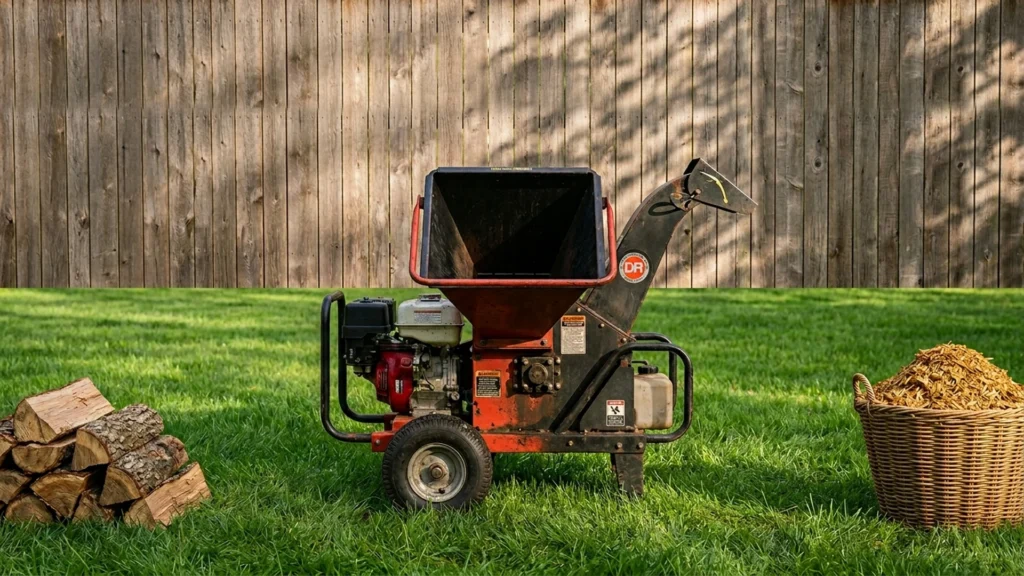
Gas wood chippers use a small engine to turn a cutting system and chip branches fast. For this sub-category, buyers usually want steady output for common yard cleanup tasks like pruning limbs, cutting storm drop-offs, and processing brush pile material. The key is matching engine strength and the cutting setup to real branches, not just dry twigs.
The hard part is trade-offs. More power usually means more weight. A larger max branch diameter can still struggle if the chipper feed and reduction ratio do not keep material moving. You also have to consider how often the machine will handle wet leaves and tangled limbs, since those conditions cause slower feeding and more clogging.
Looking for all types? See our Best Wood Chippers.
Quick Overview
Our Top Picks
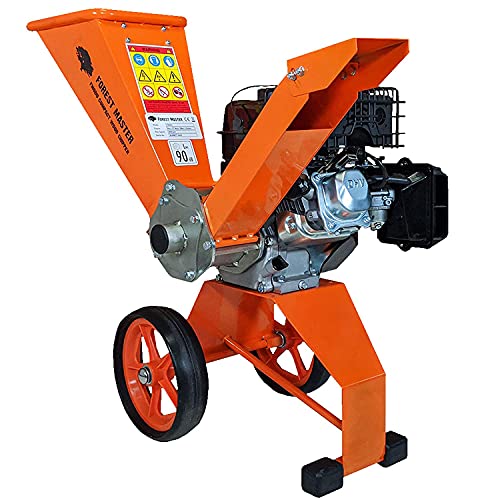
#1. Forest Master FM6DD 2" Wood Chipper
Specifications
| Brand | Forest Master |
|---|---|
| Power Source | Gas |
| Engine Displacement | 208 cc |
| Feed Type | Self-Feeding |
| Max Branch Diameter | 2 in |
| Weight | 88.2 lb |
| Dimensions | 35.8 x 30.9 x 18.9 in |
Pros
- Consistent, low-jam chipping
- Smooth tow-and-go mobility
- Self-feeding efficiency
Cons
- Limited chipping capacity
The Forest Master FM6DD 2 stands out in gas wood chippers because it bites into yard waste with steady, low-jam chipping. Its self-feeding setup helps keep branches moving, so you spend less time clearing the throat and more time finishing piles. In real use, that means more consistent chip flow and fewer stops when you are working through mixed limbs and trimmings.
The main trade-off is its 2 in max branch diameter. If your projects often include thicker wood, you will outgrow this model quickly. It fits best for homeowners and small property owners who want dependable, tow-and-go mobility at a practical size, not for heavy-duty clearing of large limbs.
#2. SuperHandy 4" Wood Chipper

Specifications
| Brand | SuperHandy |
|---|---|
| Power Source | Gas |
| Cutting System | Disc |
| Max Branch Diameter | 4 in |
Pros
- Handles larger branches
- High-duty power
Cons
- Durability-related downtime
- Limited owner feedback
This gas-powered SuperHandy 4 stands out in the wood chipper class by tackling bigger sticks, up to a 4 in max branch diameter. If your yard waste includes thicker limbs, it is easier to keep the pile moving without constantly stepping down to smaller material. With the disc cutting system, it tends to produce chips that move along well when you feed steadily, which matters for a gas chipper meant for real cleanup work.
The main trade-off is reliability over time. The durability feedback points to occasional downtime, so it is a better fit for homeowners who stay on top of basic maintenance and plan for some care. It also fits best for users who want high-duty power for heavier yard sessions, not for people who want the quiet, set-and-forget ownership experience common in simpler setups.
#3. GreatCircleUSA 3" Wood Chipper

Specifications
| Brand | GREAT CIRCLE |
|---|---|
| Power Source | Gas |
| Engine Displacement | 212 cc |
| Max Branch Diameter | 3 in |
| Reduction Ratio | 15:1 |
| Dimensions | 41.6 x 30 x 24.1 in |
Pros
- High-duty power
- Efficient chipping
- Quick start
Cons
- Clogging wet leaves
- Bolt vibration loosening
This gas wood chipper stands out for yardwork that needs steady throughput. With a 212 cc engine and a 3 in max branch size, it turns typical limbs and trimmings into chips efficiently, and it tends to start quickly. The strong power helps it keep moving under load, which matters when you are feeding branches from a raked pile instead of small dry sticks.
The main trade-off is handling wet, leafy material. It can clog when leaves stay damp or clump together, so you may need shorter feeds and more attention to what goes in. Also, some owners report bolt vibration loosening over time, so you will want to do regular checks and snug-up hardware before it becomes a hassle.
#4. Earthquake K32 3" Wood Chipper

Specifications
| Brand | EARTHQUAKE |
|---|---|
| Power Source | Gas |
| Engine Displacement | 212 cc |
| Max Branch Diameter | 3 in |
| Reduction Ratio | 20:1 |
| Weight | 118 lb |
| Dimensions | 25.4 x 29.9 x null in |
Pros
- Consistent, low-jam chipping
- Higher engine power
- More aggressive reduction
Cons
- Limited beyond-capacity performance
- Less ideal for larger branches
The Earthquake K32 3 gas wood chipper stands out in this sub-category for how consistently it chips without constant jams. Its 212 cc engine and 3 in max branch size help it keep up with typical yard waste, and the 20:1 reduction ratio supports a more aggressive cut when you feed it steadily. In day-to-day use, that low-jam performance matters more than big claims, because it reduces stop-and-start time.
The trade-off is capacity comfort. It can handle up to 3 in branches, but it is best treated as a chipper for smaller limbs and routine cleanup, not thick, tough wood. If your yard work regularly includes larger branches, you will likely get better results by stepping up to a higher-capacity model, rather than forcing this one past its sweet spot.
#5. SuperHandy Mini 3" Wood Chipper

Specifications
| Brand | SuperHandy |
|---|---|
| Power Source | Gas |
| Engine Displacement | 212 cc |
| Max Branch Diameter | 3 in |
| Reduction Ratio | 15:1 |
Pros
- Smooth mulch output
- Sturdy powder-coated frame
- Stair-friendly handling
Cons
- Wet debris jamming
- Fuel-condition sensitivity
- Knife-access limitation
SuperHandy Mini 3 stands out in the gas wood chipper space for its smooth mulch output and easy handling. The powder-coated frame feels solid, and its gas engine setup makes it practical for typical yard cleanup jobs like small branches and leafy debris. When it runs cleanly, you get a consistent chip result that is easier to spread as mulch than chunkier grind.
The main trade-off is how it treats wet material. Wet debris can jam, and it seems more sensitive to fuel condition than some models. Knife access is also a little limited, so plan on extra patience when you need to clear jams or do maintenance. This is best for homeowners who chip mostly dry yard waste and want a manageable gas unit for regular cleanup, not heavy, wet pile work.
#6. SuperHandy Mini 3-in-1 3" Wood Chipper

Specifications
| Brand | SuperHandy |
|---|---|
| Power Source | Gas |
| Engine Displacement | 212 cc |
| Max Branch Diameter | 3 in |
| Reduction Ratio | 15:1 |
| Weight | 85 lb |
| Dimensions | 40.6 x 29.5 x 25.7 in |
Pros
- High-duty power
- Easier to move
- Compact footprint
Cons
- Inconsistent results
- Limited user evidence
This SuperHandy mini gas chipper stands out in the gas wood chippers set because it pairs a 212 cc engine with a compact 85 lb build. That mix makes it easier to stage and move around a typical yard than heavier chippers. It is rated for branches up to 3 in, with a 15:1 reduction ratio, so it fits the small job size most homeowners and light property crews handle.
The trade-off is that results can be inconsistent. Some users may see decent chips, while others report more uneven output, especially when the material varies in moisture and texture. If you want a gas chipper mainly for occasional yard waste and you are comfortable working within a smaller diameter class, it can be a practical option. If your projects demand repeatable chip quality for tougher, mixed loads, look for stronger real-world consistency.
What to Look For
Engine capacity that matches your branch size: A gas engine with enough displacement gives more stable cutting under load. If you routinely chip near the max branch diameter, prioritize higher engine displacement over claims alone, since stressed engines slow feeding and increase stalls.
Cutting system type and reduction ratio: Choose the cutting system that best fits consistent, uniform chips. A stronger reduction ratio helps break down material evenly, which reduces the chance that chips pile up and block the discharge.
Feed type that keeps chips moving: Even in gas models, feed control matters. Self-feeding or gravity-assisted designs reduce the time you spend nudging sticks into the chute and lower jam risk from improper angles.
Build quality around the knives and frame: Look for a solid hopper and frame that does not flex while the blades bite. Durable bearings and stable mounts help keep knife alignment true, which supports consistent cutting and less frequent knife adjustments.
Portability for where you actually chip: Gas chippers still need to be moved. Consider wheel setup and overall weight for your yard surface, driveway slope, and storage space so you can position the chute without wrestling the machine.
How We Picked
Products were identified through broad research across review sites and buyer forums, then filtered to only those that qualify as Gas Wood Chippers.
Scoring used the same objective pillar framework as the main Wood Chippers post, allowing direct comparison of products within this sub-category.
Frequently Asked Questions
What kind of yard waste works best with a gas wood chipper?
Gas wood chippers handle dry branches and yard brush best. They usually work well with small twigs and thicker limbs up to the stated max diameter. Very wet, leafy material can slow feeding and increase clogging. Feed steadily and avoid forcing stubborn pieces.
How do I prevent jams in a gas wood chipper?
Prevent jams by feeding smaller sticks first and keeping a steady pace. Do not push random clumps of wet leaves into the hopper. If the chute backs up, stop the feed and clear the stuck material safely. Let the engine reach full speed before you start feeding larger branches.
What maintenance should I do after each use on a gas wood chipper?
After each use, turn the chipper off and unplug spark tools if applicable. Clear the hopper and chute so chips do not pack in. Check that the cutting area stays free of buildup. Follow the oil change and spark plug schedule in the manual.
What is the main difference between gas wood chippers and electric wood chippers?
Gas models run with an engine, so they work farther from power outlets. Electric models often start easier and run quieter. Gas chippers usually handle tougher yard waste better, but they need fuel and more upkeep. Choose gas if you chip often and want more reach.
When should I consider switching from a gas wood chipper to a different wood chipper type?
Switch if you chip very wet, leafy waste all season. A gas chipper can still do it, but clogging risks increase. Consider another type if you need lower noise, easier starting, or shorter sessions close to home. If you only chip occasionally, electric may fit better.
How do gas wood chippers compare to other wood chippers in max branch diameter?
Gas wood chippers often target higher max branch diameter ratings than smaller manual or light-duty options. Your real limit depends on the cutting system and how consistently you feed. Always match the chipper to your thickest branches, not your average pile. If you often exceed the rated diameter, performance will drop and jams become more likely.


