




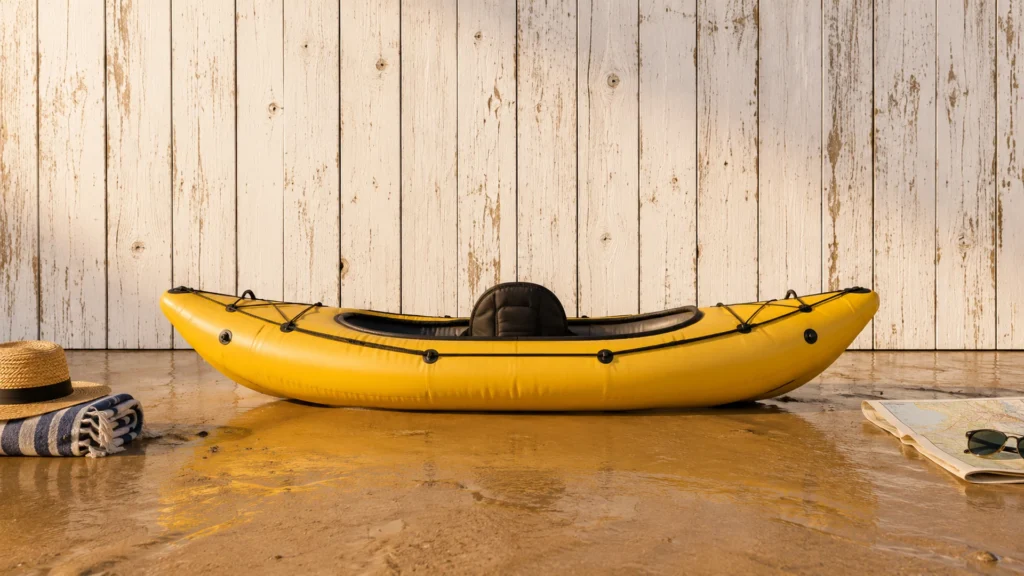
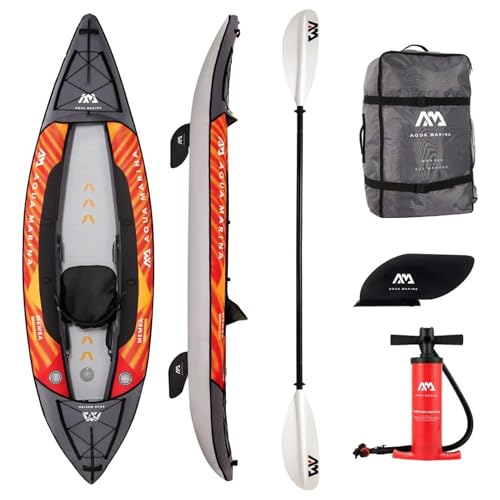
Inflatable kayaks are sit-in boats that you pump up from a compact bag. They work on calm lakes, slow rivers, and light chop, and many models also handle mild current. They fit people who want easy transport and storage, without giving up the kayak feel.
Picking one is harder than it sounds. Most listings share the same specs, but those numbers can hide trade-offs. Longer length can improve tracking, but it can also raise weight and make packing harder. “Drop-stitch” sounds premium, but material type, seam quality, and floor structure matter more. Capacity and seat count are also not the same as usable space, especially for paddlers with longer legs or a bulkier dry bag.
This guide narrows the field using clear criteria that map to real on-water use. You will learn what build quality affects, how performance and stability show up at the paddling stroke, and how comfort and portability change day-to-day. Each recommended model fits a distinct role, so you can choose with less guessing.
Quick Overview
Top Picks
Best Overall

Specifications
| Brand | NRS |
|---|---|
| Length | 131.89 in |
| Width | 35.04 in |
| Weight | 23.6 lb |
| Capacity | 300 lb |
| Material | PVC |
| Air Chambers | 3 Chambers |
Pros
- Thick material, solid seams
- Smooth glide, efficient paddling
- Steady seated confidence
Cons
- best for small lakes
This NRS Kaholo 110 fits the Best Overall spot because it combines a confidence-inspiring feel with efficient paddling. The standout trait is its steady tracking and solid seated balance, so you spend less effort correcting your line.
Build quality is a strong match for everyday use, with thick PVC material and solid seams that hold up well over time. On the water, it glides smoothly and stays responsive without feeling twitchy. That stability shows up fast once you sit down, giving you a calmer ride when you shift your weight or start turning.
The main drawback is that it is best for small lakes rather than open-water or big moving rivers. If you want a dependable solo inflatable for calm, easy-to-manage paddles, and you care more about tracking and stability than whitewater capability, this is the one to get.
Best 2-Person

Specifications
| Brand | Sea Eagle |
|---|---|
| Kayak Type | Touring |
| Seats | 2 Seats |
| Length | 152 in |
| Width | 36 in |
| Weight | 31 lb |
| Capacity | 635 lb |
| Material | PVC |
| Air Chambers | 3 Chambers |
Pros
- Thick material, solid seams
- Steady seated confidence
- Better straight tracking
Cons
- Keel seam reliability
This Sea Eagle 385FT Fasttrack fits the Best 2-Person role because it is built for two paddlers who want a more reliable ride. The most distinctive trait is its better straight tracking, so it holds its line longer than many wider, shorter inflatables.
On the water, the kayak stays steady when you move and when you settle into the seats. The thick PVC and solid seam work support everyday durability, which matters when you are loading and unloading the boat. It also feels efficient for a touring-style tandem, with predictable steering for calm water and light chop.
The main weakness is keel seam reliability. That is the one area to watch if you paddle often or drag the hull. If you want a stable two-person touring kayak that tracks well and feels solid underfoot, this is a strong pick, as long as you take care of the keel seam.
Also ranked #1 in: Drop-Stitch Deck Inflatable Kayaks
Best for Mixed Water

Specifications
| Brand | Sea Eagle |
|---|---|
| Kayak Type | Whitewater |
| Seats | 1 Seat |
| Length | 149 in |
| Width | 39 in |
| Weight | 40 lb |
| Capacity | 750 lb |
| Material | PVC |
Pros
- Thick material, solid seams
- Smooth glide, efficient paddling
- More stable ride
Cons
- Missing foot braces
- Minor delivery defects
For mixed water trips, the Sea Eagle 380x is a strong match because it blends a whitewater-style hull with a very steady feel. That means you can handle light chop and turns without fighting the boat the whole time.
Build quality stands out first. The kayak uses thick PVC with solid seams, and it tracks with a smooth glide that keeps paddling efficient. Stability is also a major win, with a more confident ride than many solo inflatables. Comfort is solid for a one-seater, with a practical cockpit layout that works well on longer outings.
The main downside is that foot braces are missing, which can make it harder to lock your legs in during rougher water. Minor delivery defects have also shown up for some buyers. If you want one solo inflatable that stays steady across calm water and light rapids, choose this one, but plan to add or adapt for foot support if you need it.
Best for Fishing

Specifications
| Brand | BOTE |
|---|---|
| Kayak Type | Fishing |
| Length | 150 in |
| Capacity | 400 lb |
| Material | PVC |
| Air Chambers | 4 Chambers |
Pros
- Thick material, solid seams
- Smooth glide, efficient paddling
- Steady seated confidence
Cons
- Wind sensitivity
- Proprietary add-ons
Built for anglers, the BOTE Lono Aero keeps its balance when you shift your weight and settle in for a long day. Its standout trait is the confident, steady feel from a stable seated platform, backed by thick PVC and four air chambers that help it stay put on the water.
On-water control is strong for an inflatable kayak. It tracks cleanly and paddles efficiently, with a smooth glide that makes straight runs easier. Stability is a clear win too, especially for fishing movements like casting and changing sides, and the construction holds up well thanks to thick material and solid seams.
Do note that it can be sensitive to wind, so you will work a bit harder on breezy days. It also leans on proprietary add-ons for certain fishing setups. If you want a stable fishing kayak that paddles efficiently without feeling sketchy, this is a great fit, as long as you mostly fish calm to lightly choppy water.
Best for Beginners

Specifications
| Brand | AIRE |
|---|---|
| Kayak Type | Whitewater |
| Length | 86 in |
| Width | 36 in |
| Weight | 20 lb |
| Capacity | 220 lb |
| Air Chambers | 2 Chambers |
Pros
- Thick material, solid seams
- More stable ride
- Smooth glide, efficient paddling
Cons
- Less backup inflation
- Sparse user feedback
This whitewater inflatable fits the Best for Beginners role because it stays composed when you are learning control. The most distinctive trait is its more stable ride, which helps you feel steady when you enter, brace, and start turning.
Build quality holds up well for a learning kayak, with thick material and solid seams. On the water, it tracks smoothly and paddles efficiently, so you can make progress without fighting the boat. Stability stays strong too, which makes it easier to keep your balance as conditions get a bit choppier.
One drawback is the lack of backup inflation support, since it has fewer options to keep pressure dependable than some whitewater inflatables. Sparse user feedback also makes it harder to know long-term wear. If you want a beginner-friendly whitewater kayak that is steady and easier to paddle straight, this is a smart choice.
Best 1-Person

Specifications
| Brand | Aqua Marina |
|---|---|
| Kayak Type | Solo |
| Seats | 2 Seats |
| Length | 375 in |
| Weight | 28.7 lb |
| Capacity | 462 lb |
| Material | Drop-Stitch PVC |
| Air Chambers | 3 Chambers |
Pros
- Thick material, solid seams
- Smooth glide, efficient paddling
- Cushioned comfort, easy posture
Cons
- Learning curve instability
- Less forgiving handling
- Delayed setup time
This solo inflatable kayak fits the Best 1-Person role thanks to its efficient feel on the water and supportive in-water posture. The Drop-Stitch PVC hull helps it stay firm as you paddle, so it tracks in a more controlled way than many softer inflatables.
Build quality stands out first, with thick material and solid seams that hold up well in regular use. Paddling feels smooth and efficient, with a glide that makes straight runs easier. Comfort is also a strong point, thanks to cushioned seating that keeps your posture stable for longer outings.
One trade-off is handling during the learning phase, since it can feel a bit less forgiving for new paddlers. Setup can also take longer than expected before you are ready to launch. If you want a solo kayak that paddles efficiently and feels steady once you get the basics down, this is a solid pick for calmer waters and everyday recreation.
Best Lightweight

Specifications
| Brand | Aqua Marina |
|---|---|
| Kayak Type | Touring |
| Seats | 2 Seats |
| Length | 162 in |
| Width | 31 in |
| Weight | 29.5 lb |
| Capacity | 507 lb |
| Material | PVC |
| Air Chambers | 3 Chambers |
Pros
- Thick material, solid seams
- Better straight tracking
- Great features for the cost
Cons
- narrow cockpit feel
This kayak earns its place in the Best Lightweight role thanks to a manageable 29.5 lb carry weight, combined with touring length. It is easy to move for a two-seat inflatable, yet it still aims to cover distance on calm water and light chop. The 3-chamber setup also helps it feel more composed than many lighter inflatables.
On the water, it tracks straighter than you would expect for an inflatable, which makes paddling less of a constant correction job. Build quality stands out with thick PVC and solid seams that feel well made. Comfort stays solid for a touring layout, and the cockpit design makes it workable for longer sessions, as long as you are not sensitive to a snug fit.
The main downside is the narrow cockpit feel, which can limit space and leg room for some paddlers. If you want a lighter two-person inflatable that paddles with better straight-line control, this is the one to get, especially for day trips on flat to lightly moving water.
Best Value

Specifications
| Brand | Intex |
|---|---|
| Kayak Type | Tandem |
| Seats | 2 Seats |
| Length | 139.2 in |
| Width | 31.2 in |
| Weight | 27.5 lb |
| Capacity | 400 lb |
| Material | PVC |
| Air Chambers | 3 Chambers |
Pros
- Better straight tracking
- Easy to carry
- Great features for the cost
Cons
- Skeg misuse capsizes
- Bulging on inflation
- Limited fatigue comfort
This Intex Challenger K2 fits the Best Value role because it nails the daily basics for a tandem inflatable, especially straight-line tracking. At 139.2 in long with a 31.2 in width, it feels built for two paddlers who want an easier time going where they aim.
On the water, it tracks better than many similar recreation inflatables, so you spend less effort correcting your course. It also stays steady with two seats, and the layout feels practical for calm water and light chop. Portability is another bright spot, coming in at 27.5 lb, which makes loading and carrying far less of a chore than heavier kits.
The main trade-off is control if you do not use the skeg correctly, since skeg misuse can lead to capsizes. If you are sharing a kayak with a partner and want simple, reliable paddling performance with good carry convenience, this is a solid pick. If you need maximum beginner forgiveness above all else, look for a more stable, less fin-dependent design.
What to Look For
Build Quality: Look for reinforced seams, thick puncture-resistant material, and dependable valves. A good floor and well-made seams help prevent slow leaks and air loss over time.
Performance: Prioritize tracking and efficient paddling. In practice, a kayak that stays on line with small corrections feels faster, even at the same paddling effort.
Stability: Test your expectations for entry and control. Wider hulls and a stable cockpit layout usually reduce tip risk when you shift your weight or step in.
Comfort: Seats matter more than most specs say. Check seat support, back feel, and leg room. A setup that keeps your posture stable will reduce fatigue on longer paddles.
Portability: Compare packed size, kayak weight, and inflate time. A lighter kayak that inflates quickly often wins, even if it is not the biggest or fastest model.
Value: Match the price to what you actually get. Included paddles, a pump, and repair materials can remove the need for upgrades that add cost later.
Key Specs That Change Fit: Use the basics as your shortlist. Match kayak type to your goal (Solo, Tandem, Touring, Fishing, or Whitewater). Then confirm seats, length, width, max capacity, and air chambers so the cockpit space fits you and the hull can handle your load.
How We Selected These Products
Products were found through broad web searches across review sites, buyer forums, and best-of lists. This helped surface models that people actually buy and discuss, not just those that look good in a spec table.
A large set of real customer reviews was read to spot repeat problems. I focused on issues like leaks, valve failures, uncomfortable seating, and difficulty tracking in use.
Availability and specifications were verified against Amazon listings. Each kayak was then scored using the pillar framework, build quality, performance, stability, comfort, portability, and value. The final picks prioritize distinct roles, such as solo comfort, two-person use, mixed water, fishing layout, beginner control, and price-led value.
Frequently Asked Questions
Which inflatable kayak is best for beginners?
For beginners, choose a stability-first boat with a wide, steady hull. The AIRE Hot Potato 7'2" Inflatable Whitewater Kayak scores well for stability in its class, even though it focuses on rivers. Look for a model that feels calm during entry, not one that feels tippy right away.
Which inflatable kayak is best for fishing?
Pick a fishing kayak that keeps you stable and supports longer sessions. BOTE Lono Aero Inflatable Kayak stands out because it is fishing oriented and supports pedal-drive use for efficient movement. If you do not want pedals, prioritize a rigid-feeling floor, good seating, and secure gear storage.
How do price tiers usually differ for inflatable kayaks?
Lower priced inflatables often use simpler construction and aim for casual use on calm water. Mid-range boats usually add a stiffer drop-stitch floor or better hull tracking. Premium models feel more rigid and may include more advanced features, but they can also cost much more to cover those upgrades.
Does paying more always mean better build quality?
Not always. In the scored set, the highest build quality does not perfectly match the highest total score. Some premium models can still have isolated seam or quality-control complaints, while some mid-range kayaks stay durable because of their floor and material design.
Why do some inflatable kayaks feel less stable than others?
Stability depends on hull width, floor stiffness, and how the kayak responds to weight shifts. Softer, less rigid boats tend to feel wobbly at first, like the Aqua Marina Tomahawk Inflatable Kayak, which is fast but not the most forgiving. Wider designs and rigid floors usually feel steadier, especially during entry and exit.
Why is portability a common tradeoff with performance?
Many performance-focused inflatables use higher-pressure drop-stitch floors and extra structure. That can add weight and make setup less simple than budget models. Lightweight options like Aqua Marina Betta Inflatable Kayak help reduce carry effort, but you may give up some rigidity or forgiveness.


