




Electric toothbrushes replace manual brushing with a powered brush head. They are built to move consistently, hit the gumline, and help reduce plaque when you use them for the right time.
The hard part is that specs often mislead. A higher advertised brush speed does not guarantee better cleaning. Extra modes can add confusion, while pressure sensors, timers, and app features only help if they work reliably. Battery claims may also look strong on paper, but charging speed and day-to-day convenience matter more than marketing numbers.
This guide narrows the field to models that perform in real use. You will learn what to look for, what trade-offs to expect, and how we chose picks that suit different priorities like gum care, whitening, long battery life, and value.
Quick Overview
Top Picks
Best Overall

Specifications
| Brand | Curaprox |
|---|---|
| Brushing Technology | Ultrasonic |
| Number Of Modes | Seven cleaning modes |
| Brush Movements Per Minute | 84000 movements/min |
| Battery Life | 14 days |
| Charging Time | 10 hours |
Pros
- Strong plaque removal
- Comfortable grip, low irritation
- Ultrasonic cleaning
Cons
- Unclear charging time
- Unusually harsh sound
This is a strong fit for the Best Overall pick because it uses ultrasonic cleaning, not just a standard vibration. In real use, that approach tends to feel efficient while still doing the job at the gumline. With seven cleaning modes and a high 84,000 movements per minute, it suits daily brushing without much guesswork.
People notice the cleaning strength first. Plaque removal is consistently strong, and it is also easier on irritated gums. The grip feels steady for most hand sizes, and the ultrasonic action keeps things comfortable over time. Build quality is also solid, with a reliable head feel and a handle that holds up to regular bathroom use.
The main downside is the unusually harsh sound, which some users will find off-putting. Charging time is also unclear, even though the battery is rated for up to 14 days. If you want powerful ultrasonic cleaning with a comfortable grip and multiple modes, choose this when noise matters less than results.
Best Sonic

Specifications
| Brand | Philips Sonicare |
|---|---|
| Brushing Technology | Sonic |
| Number Of Modes | 5 Modes |
| Brush Movements Per Minute | 62000 movements/min |
| Pressure Sensor | Yes |
| Battery Life | 14 days |
| Connectivity | App Control |
Pros
- Strong plaque removal
- Sturdy, reliable construction
- Comfortable grip, low irritation
Cons
- Loud vibrations
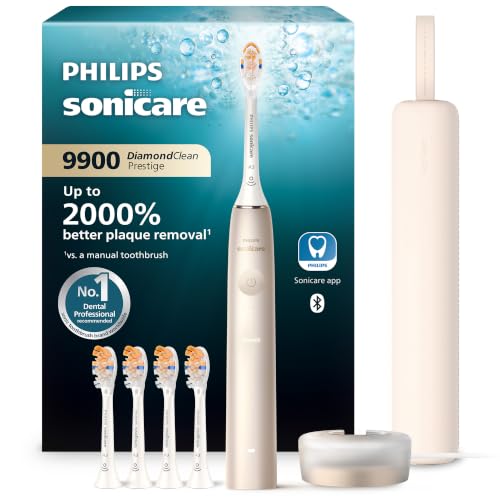
For a Best Sonic pick, the Philips Sonicare DiamondClean 9900 Prestige stands out for its strong sonic cleaning feel and fast plaque removal. It uses Sonic technology with 62,000 movements per minute, so it gets teeth and the gumline in a way most people notice right away.
Daily use is also handled well. A pressure sensor helps you avoid scrubbing too hard, and the 5 modes make it easy to switch between needs without guesswork. Build quality feels solid, and it lasts with a stated 14-day battery life between charges, plus app control if you like tracking your routine.
The main drawback is that the vibrations can feel loud. If you want an effective sonic brush with real guidance from a pressure sensor and you are ok with a more noticeable vibration, this is the one to get.
Also ranked #1 in: App Control Electric Toothbrushes
Best Long Battery

Specifications
| Brand | Laifen |
|---|---|
| Brushing Technology | Sonic |
| Number Of Modes | 2 Modes |
| Brush Movements Per Minute | 66000 movements/min |
| Pressure Sensor | Yes |
| Battery Life | 70 days |
| Charging Time | 2.5 hours |
| Connectivity | App Control |
Pros
- Strong plaque removal
- Sturdy, reliable construction
- Comfortable grip, low irritation
Cons
- Limited brushing modes
- Questionable replacement availability
If you want long battery life without charging often, the Laifen Wave Pro fits the Best Long Battery role well. It is rated for up to 70 days on a full charge. Charging takes about 2.5 hours, so you are not stuck plugged in for long.
Cleaning power is a standout. Users tend to describe strong plaque removal, and the 66000 movements per minute sonic action helps reach the gumline more consistently than weaker brushes. It also includes a pressure sensor, which helps you avoid scrubbing too hard. Build quality feels sturdy, and the grip stays comfortable with low irritation.
The main trade-off is that it has limited brushing modes, only 2. Replacement head availability also looks a bit questionable depending on where you shop. If you brush most days and want reliable, long-lasting power plus strong cleaning, this is a good pick. If you prefer many modes or easy-to-find heads everywhere, look elsewhere.
Best Pressure Sensor

Specifications
| Brand | PHILIPS |
|---|---|
| Brushing Technology | Sonic |
| Number Of Modes | 4 Modes |
| Brush Movements Per Minute | 62000 movements/min |
| Pressure Sensor | Yes |
| Battery Life | 21 days |
| Connectivity | App Control |
Pros
- Strong plaque removal
- Pressure sensor included
- Long battery life
Cons
- Costly replacement heads
- App reliability concerns
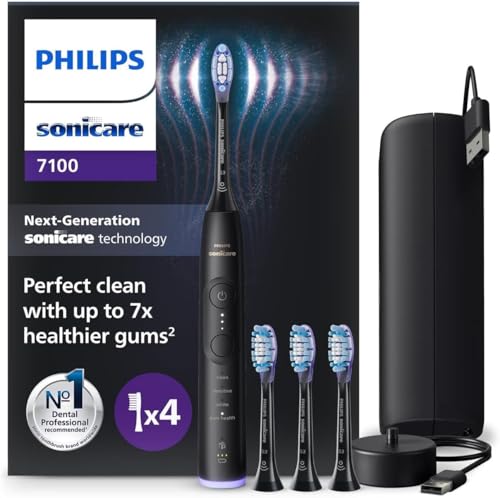
The Philips Sonicare 7100 fits the Best Pressure Sensor role because it actively helps you brush at the right intensity. Its pressure sensor is the standout here, so you get feedback when you press too hard. That can make a big difference if you tend to scrub or have sensitive gums.
Cleaning performance stays strong across daily use, with Sonic action running at up to 62000 movements/min and four brushing modes for different needs. The battery is also a strong point, lasting up to 21 days between charges. Build quality feels solid for everyday bathroom use, and the comfort is generally easy to live with thanks to the familiar Sonic brushing feel.
The main downside is ongoing upkeep, since replacement heads can be costly. There can also be app reliability issues if you rely on app control. If you want a pressure-sensing toothbrush that helps you brush more gently while still removing plaque effectively, this is the one to get.
Best for Gum Care

Specifications
| Brand | PHILIPS |
|---|---|
| Brushing Technology | Sonic |
| Number Of Modes | 3 Modes |
| Brush Movements Per Minute | 62000 movements/min |
| Pressure Sensor | Yes |
| Timer | 2-Minute Timer + Quadpacer |
| Battery Life | 14 days |
Pros
- Strong plaque removal
- Pressure sensor included
- Smart timed brushing
Cons
- Limited brushing modes
This Philips Sonicare model fits the “Best for Gum Care” role because it focuses on safer, gentler cleaning. The standout trait is its pressure sensor, which helps you avoid brushing too hard. Pair that with the 2-minute timer and Quadpacer reminders, and it is easier to build a more consistent routine along the gumline.
Cleaning performance is a strong point, with effective plaque removal and consistent results during everyday use. Comfort also holds up well, since the sonic action helps clean without feeling rough on gums. Battery life is rated at 14 days, and the brush head timing cues reduce the guesswork of how long to spend in each mouth section.
The main downside is that it only has 3 brushing modes, so you have fewer customization options than some competing models. If you want strong gumline cleaning with a pressure check and simple timing guidance, this is a great choice. If you need many different mode settings, look elsewhere.
Best with Bluetooth

Specifications
| Brand | Oral-B |
|---|---|
| Brushing Technology | Oscillating-Rotating |
| Pressure Sensor | Yes |
| Battery Life | 14 days |
| Connectivity | Bluetooth |
Pros
- Strong plaque removal
- Pressure sensor included
- Quick recharge, steady power
Cons
- Battery capacity degradation
This fits the Best with Bluetooth role because it syncs brushing sessions to a phone over Bluetooth. If you like feedback that tracks how you brush, this is one of the more straightforward ways to add that layer.
Cleaning performance is strong, backed by the oscillating-rotating brush action and a pressure sensor that helps you avoid brushing too hard. Users also tend to like the feel of the power during daily use, along with a timer and reminders that keep sessions consistent.
The main knock is battery capacity degradation over time. Still, it suits people who want effective daily plaque removal plus Bluetooth tracking, especially if you brush at least twice a day and do not want to fuss with charging often.
Best for Whitening

Specifications
| Brand | Aquasonic |
|---|---|
| Brushing Technology | Vibrating |
| Number Of Modes | 4 Modes |
| Brush Movements Per Minute | 40000 movements/min |
| Pressure Sensor | No |
| Timer | Smart Timer |
| Battery Life | 28 days |
| Connectivity | No Connectivity |
Pros
- High brushing speed
- Smart timed brushing
- Long battery life
Cons
- Basic vibrating action
This Aquasonic brush fits the Best for Whitening role because it focuses on fast, high-output cleaning. With 4 modes and a very high speed of 40000 movements per minute, it aims to lift surface stains while keeping your brushing consistent.
Real-world strengths show up across daily use. It has a smart timer, so you can stay on track without guessing, and it runs for up to 28 days on a charge. Comfort is also a plus, with a vibration feel that stays effective without feeling overly harsh for most routines.
The main drawback is simple: the vibrating action feels basic compared with more advanced brushing technologies. If you want strong, fast stain-removal cleaning with a reliable timer and long battery life, but you do not care about pressure sensing or app control, this is a solid pick.
Best Maglev Motor

Specifications
| Brand | Oclean |
|---|---|
| Brushing Technology | Sonic |
| Number Of Modes | 3 Modes |
| Brush Movements Per Minute | 84000 movements/min |
| Pressure Sensor | Yes |
| Battery Life | 30 days |
| Charging Time | 3 hours |
| Connectivity | App Control |
Pros
- Strong plaque removal
- Pressure sensor included
- Comfortable grip, low irritation
Cons
- Early reliability risk
- Limited brushing modes
If you are shopping for the Best Maglev Motor category, the Oclean X Pro fits because its motor feels smooth and controlled, not buzzy or jittery. The result is a steady sonic cleaning action that stays consistent across your routine, which matters for daily plaque removal.
In real use, it delivers strong plaque removal, and the included pressure sensor helps you avoid brushing too hard. Comfort is a plus too, with a grip that feels solid in wet hands and low irritation for most users. It also stays practical between charges with up to 30 days of battery life, and it recharges in about 3 hours.
The main downside is early reliability risk, so it is worth keeping an eye on long-term performance. It also has only 3 modes, so variety is limited if you like lots of options. If you want a comfortable sonic toothbrush with a pressure sensor and consistent cleaning, this is the one to get, but consider other picks if you are cautious about durability.
Best Value

Specifications
| Brand | kingheroes |
|---|---|
| Brushing Technology | Sonic |
| Number Of Modes | 4 Modes |
| Brush Movements Per Minute | 42000 movements/min |
| Timer | 2-Minute Timer |
| Battery Life | 60 days |
Pros
- Reasonable price, solid results
- High brushing speed
- Smart timed brushing
Cons
- No pressure monitoring
- Mostly solid, slightly flimsy
- Unverified durability
If you want a best-value electric toothbrush, this one stands out for its high-speed sonic action and straightforward timed brushing. It is a good fit for shoppers who care more about daily plaque removal than extras. With 4 modes and 42,000 movements per minute, it feels built for quick, consistent clean sessions.
In real use, it hits solid marks for cleaning, largely due to that fast sonic brushing. The built-in 2-minute timer helps you stay on track, and users also get smart timing so brushing does not drag on too long. Battery life is also strong at up to 60 days, which means fewer charging interruptions. Comfort is generally good too, with effective brushing that should not feel harsh for most people.
The main downside is the lack of pressure monitoring, so you have to watch your technique yourself. Build quality also feels slightly flimsy, and durability is hard to verify over the long run. If you want strong sonic cleaning with a timer and long battery life, and you are fine skipping pressure alerts, this is a smart choice.
What to Look For
Brushing Technology: Choose the brushing action that you will actually like. Sonic models rely on high-frequency motion, while oscillating-rotating heads work with a sweeping motion. If you dislike the feel, you will press less, brush shorter, and get weaker results.
Cleaning Power in Real Use: Prioritize plaque removal and coverage. Look for brushes that reach hard spots without you scrubbing harder. If reviews mention persistent plaque, streaks, or frequent re-cleaning, skip the model.
Modes That Change Something: Aim for 2 to 5 meaningful modes, not a long list. Useful modes are typically daily cleaning, sensitive or gentle, and gum care or whitening. Too many modes can lead to the wrong setting and less consistent brushing.
Pressure Sensor: Yes is the safer default. A pressure sensor helps you avoid brushing too hard, which can irritate gums and wear enamel over time. If it triggers late or not at all, it will not change your habits.
Timer and Quadpacer: A 2-Minute Timer helps you brush long enough. Quadpacer style reminders split the mouth into sections, which improves coverage. Without reminders, many people cut sessions short or focus on one area.
Battery Life and Charging Time: Check the longest advertised days per charge. Then consider charging convenience, such as how long it takes to top up. If you must charge often or wait many hours, it becomes inconvenient and you will stretch usage too far.
Connectivity Options: Bluetooth and app control can help if you like feedback and tracking. If you do not want phone involvement, prioritize a simple, dependable timer and pressure control instead. An unreliable app feature usually adds friction, not value.
How We Selected These Products
We found electric toothbrush models through broad web searches across review sites, buyer forums, and best-of roundups, then compared overlapping picks rather than trusting a single source.
Next, we read a large volume of real customer reviews to learn what buyers actually struggled with. We focused on common issues like weak cleaning despite high specs, pressure sensors that feel inconsistent, poor durability, annoying charging routines, and apps that do not work as described.
We then verified availability and key specifications directly against Amazon listings. Each model was scored using an objective framework aligned to the pillar names, including Performance, Build Quality, Features, Battery, Comfort, and Value. Final picks emphasized distinct roles, so you get options that fit different needs instead of one generic ranking.
Frequently Asked Questions
Which electric toothbrush is best if I want the gentlest clean for gum care?
Look for models that include a dedicated Gum Care mode and a pressure sensor. Philips Sonicare ProtectiveClean 5100 Electric Toothbrush stands out because it targets gum care with a specific Gum Care mode and uses structured timing to help you brush evenly. If you brush too hard, even a strong brush can feel rough, so pressure sensing matters.
What is the key difference between budget and premium electric toothbrushes?
Budget models often focus on basic cleaning power plus simple modes and timers. Premium models usually add guidance features, like smarter pressure alerts or app based coaching, to improve how you brush. In this set, the best examples also show better build and a more consistent everyday experience, not just stronger vibration.
How often should I replace an electric toothbrush head?
Most brands recommend replacing the brush head about every 3 months. If you notice frayed bristles, replace it sooner. When you use the same head longer than that, cleaning can drop and irritation can increase.
Is a higher price always better for electric toothbrushes?
No. Some high cost brushes score high because of guidance and comfort features, not because they clean wildly better. In this set, budget and mid range options can still deliver strong plaque removal, especially when they include good timers and pressure support.
Why do some electric toothbrushes do well on performance but not on value?
Value depends on ongoing costs, like replacement heads, plus how often you must recharge or use extra accessories. For example, premium brushes can deliver excellent cleaning, but replacement heads can be expensive and battery convenience can vary. That makes a toothbrush feel less like a bargain over time.
Why do many electric toothbrushes score lower on comfort than on performance?
A powerful brush can feel too intense for some people, especially if it lacks pressure sensing. Some models also have vibration levels that feel stronger right out of the box. Comfort improves when the brush helps you avoid over brushing, and when it matches your sensitivity with the right mode.


