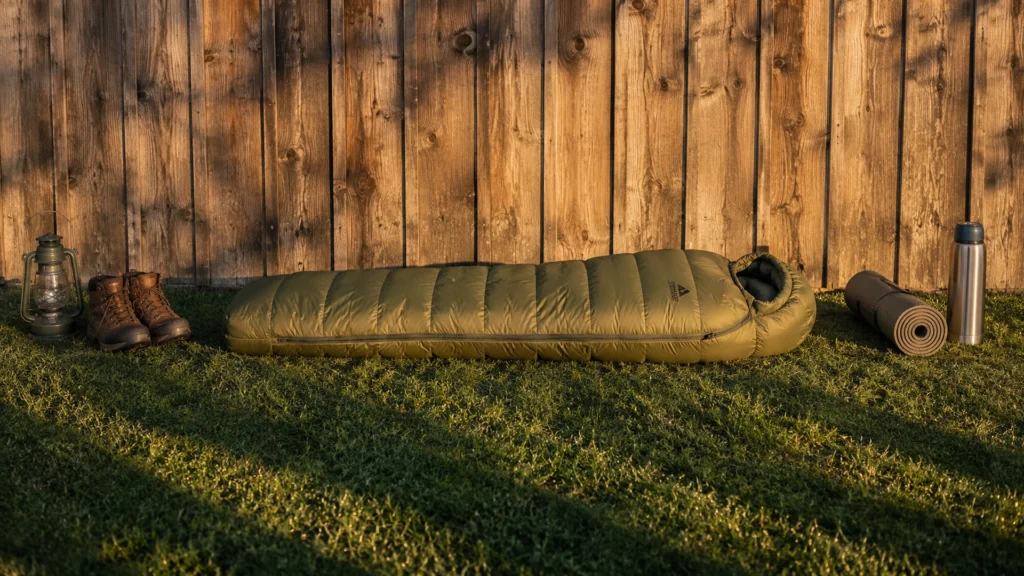
Sleeping bags are insulated, hooded covers that keep you warm in a tent, under a tarp, or on the ground. They come in different shapes and temperature ratings, and the best choice depends on when and where you plan to sleep. The wrong bag can leave you cold, sweaty, or stuck with a heavy pack.
Picking one gets tricky fast. Temperature ratings can be optimistic, especially for lower-cost bags and for people who tend to get cold. Specs like fill power, packed size, and weight matter, but only if the bag also seals well at the zipper and collar. Features that sound nice, like extra pockets or complicated designs, often do not help much when you are shivering at 2 a.m.
This guide narrows the options to bags that work for real trips. You will get clear criteria for warmth and fit, plus a scoring approach that weighs comfort, packability, durability, and value. Use it to match a bag to your conditions and sleep style, not just a number on the box.
Quick Overview
Top Picks
Best Overall

Specifications
| Brand | Western Mountaineering |
|---|---|
| Temperature Rating | 30 °F |
| Season Rating | 3 Season |
| Insulation Type | Down |
| Fill Power | 850 fill power |
| Weight | 1 lb |
| Packed Size | 13 x 7 in |
Pros
- Hugs rated temps
- Light carry, tight pack
- Sturdy shell, reliable zips
Cons
- Wind-penetration sensitivity
- Compression-sack dependent
This is a top fit for the Best Overall spot because it hugs its 30°F rating closely while staying light. In the real world, the warmth feels steady, not just theoretical on a label. That combination matters when temperatures dip and wind finds gaps.
Warmth comes from down insulation packed with good draft control, helped by a hood and zipper area that seal well. Comfort also stays high thanks to a streamlined shape that still lets you shift positions without feeling trapped. It is easy to carry, and the bag packs tightly at about 13 x 7 in, with solid rebound after compression. The shell and zippers also hold up well in day to day use.
The main trade-off is that performance can drop in wind, so you may feel more cold on exposed nights. It also depends on using the compression sack correctly to keep the bag compact. If you want one light, warm, reliable down bag for cold three-season trips and you camp with some shelter from wind, this is the one to get.
Best Down

Specifications
| Brand | Western Mountaineering |
|---|---|
| Temperature Rating | 20 °F |
| Shape | Mummy |
| Insulation Type | Down |
| Fill Power | 850 fill power |
| Weight | 1.9 lb |
Pros
- Hugs rated temps
- Roomy fit, smooth zipper
- Sturdy shell, reliable zips
Cons
- Overheat risk higher temps
If you want a down bag for cold nights, this Western Mountaineering AlpinLite 20F fits the Best Down role. Its standout trait is how closely it hugs its rating, with strong heat retention when the temperature drops near 20F.
Warmth lands high at 9.1, and comfort follows with an 8.6. Reviewers tend to like the roomy fit for a mummy bag, plus the smooth zipper that is easier to manage in the dark. The durable shell and reliable zipper work support the durability score of 8.3.
The main trade-off is overheat risk at higher temps, especially if you run warm or if skies clear and temperatures rise. If your goal is efficient down warmth for cold, dry conditions and you do not mind venting to stay comfortable, this is the one to get.
Also ranked #1 in: 20F Sleeping Bags
Best Ultralight

Specifications
| Brand | Sea to Summit |
|---|---|
| Temperature Rating | 15 °F |
| Season Rating | 3 Season |
| Shape | Mummy |
| Insulation Type | Down |
| Fill Power | 900 fill power |
| Weight | 0.7 lb |
| Max User Height | 73 in |
Pros
- Draftproof and cozy
- Colder rated warmth
- Better insulation efficiency
Cons
- Side-sleeper slipping
- Pad-interface sensitivity
This 15°F down mummy bag fits the Best Ultralight role because it balances low weight with real heat control. At just 0.7 lb, it is built for hikers who feel every ounce on the move. The standout trait is its draftproof, cozy design, which helps it hold warmth near the rating.
Warmth scores high thanks to efficient insulation and better heat retention. Comfort is also strong, with a hood that stays snug and a sleep feel that works well for most campers. It packs down well for its temperature class, and it should bounce back better after compression than bulkier bags, which matters when you are rolling it up night after night.
The main trade-off is that side-sleepers may slip out of the ideal position. It also shows pad-interface sensitivity, so a poor pad fit or gaps can create cold spots at the bottom edge. If you sleep mostly on your back or stomach and want a light 15°F bag with solid draft protection, this is the one to get.
Best Synthetic

Specifications
| Brand | Big Agnes |
|---|---|
| Temperature Rating | 20 °F |
| Season Rating | 3 Season |
| Shape | Semi-Rectangular |
| Insulation Type | Synthetic |
| Weight | 5 lb |
| Max User Height | 78 in |
Pros
- Draftproof and cozy
- Strong performance per dollar
Cons
- Colder-than-rated reports
- Temperature setup sensitivity
This sleeping bag fits the Best Synthetic slot because it keeps warmth even when conditions get damp or variable. The key trait is its draftproof, cozy build, built around sealed insulation and a hood that helps hold heat in the places you feel it most.
Warmth and comfort both land in the high range. In real use, it tends to stay steady near the 20 F mark, and the semi-rectangular shape gives enough room to shift positions without feeling trapped. It also uses synthetic insulation, which helps it bounce back better after being packed and stored. Durability looks solid for a bag in this class, with confidence in the shell and overall build quality.
The main drawback is that some users report it runs colder than the 20 F rating. Setup also matters, since small changes in layering and pad choice can move the comfort zone. If you want a synthetic bag for cold-weather car camping or shoulder-season trips and you are willing to dial in your system, this is a strong pick.
Best for Winter Camping
Specifications
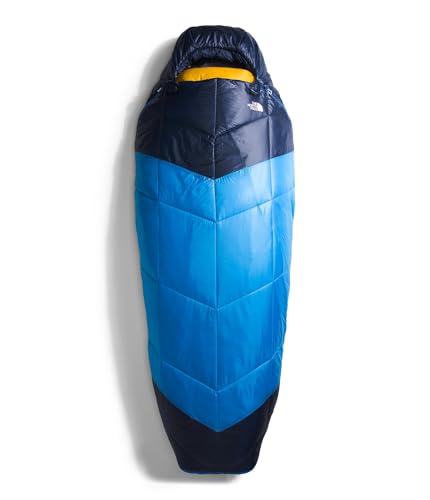
| Brand | The North Face |
|---|---|
| Temperature Rating | 5 °F |
| Shape | Mummy |
| Insulation Type | Down |
| Fill Power | 800 fill power |
| Weight | 3.81 lb |
| Packed Size | 8 x 15 in |
| Max User Height | 74 in |
Pros
- Draftproof and cozy
- Better insulation efficiency
Cons
- Bulky pack, average rebound
- Heavy to carry
For winter camping, this 5°F mummy bag is a strong match thanks to its draftproof, cozy build. The narrow mummy cut helps trap warm air, while the hood and zipper area do a good job blocking cold leaks that can ruin sleep in sub-freezing weather.
Warmth stands out in real use, with an 800 fill power down setup that stays efficient for a 5°F rating. Comfort is also solid, aided by a sleep-friendly hood and an overall snug fit that limits heat loss without feeling harsh. Durability looks dependable too, with solid construction that should hold up well when you pack, unfold, and sleep through cold nights.
The main trade-off is practical, it packs up bulky and can feel heavy to carry, with only average rebound after compression. If you are car camping, winter base-camping, or you do short winter walks and want strong cold-weather warmth, this is a good choice. If you need a light, pack-small option for long hikes, look elsewhere.
Best for Side Sleepers

Specifications
| Brand | Therm-a-Rest |
|---|---|
| Temperature Rating | 20 °F |
| Shape | Semi-Rectangular |
| Insulation Type | Down |
| Fill Power | 650 fill power |
| Weight | 2.75 lb |
| Packed Size | 12.5 x 7.5 in |
| Max User Height | 72 in |
Pros
- Roomy fit, smooth zipper
- Easy side shifting
- Ventilation versatility
Cons
- Cold-spot risk
- Side-sleeping cold
- Extra hardware bulk
This semi-rectangular down bag is a strong match for side sleepers because it is roomy and lets your hips shift without feeling locked in. The smooth zipper also helps when you roll, so changing positions is less of a chore.
Comfort and sleepability stand out in real use. You get an easy side-shifting feel, plus ventilation versatility for temperature swings. Warmth is solid for a 20°F bag, and the insulation stays consistent enough that most people will not feel hit-and-miss cold zones. In the field, it packs into a manageable size for its warmth, though it is still not the smallest option.
The main weakness is cold-spot risk, especially when you sleep on your side. Draft management can be tricky around the zipper and edges, so some sleepers may feel colder than they expect. If you sleep on your side and want a roomy, flexible bag that still works near 20°F, this is a good pick, as long as you are willing to manage insulation and drafts.
Best for Large Frames
Specifications
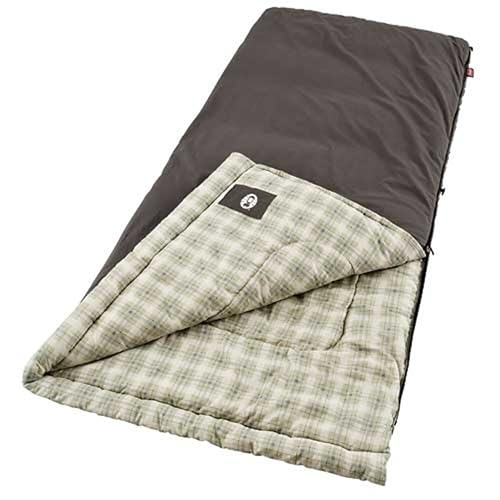
| Brand | Coleman |
|---|---|
| Temperature Rating | 10 °F |
| Insulation Type | Synthetic |
| Weight | 8.9 lb |
| Max User Height | 79 in |
Pros
- Colder rated warmth
- Roomy fit, smooth zipper
- Strong performance per dollar
Cons
- Heavy to carry
- Bulky pack, average rebound
This is a strong match for big bodies because the Coleman Heritage Big & Tall 10°F model is made for more room at the same time it aims for true cold-weather warmth. The standout trait is how well it holds heat near its 10°F rating, which matters most when you are larger and tend to feel the cold sooner.
Comfort scores high thanks to a roomy, easier-to-move fit and a smooth zipper that stays friendly during sleep. Warmth also stands out in real use, with synthetic insulation that keeps working through colder nights. It also earns solid durability marks, with confidence in the overall build for repeated campsite use, and it feels like a practical choice when you want strong performance for the effort you bring.
The main trade-off is carry comfort. It weighs in at 8.9 lb and packs bulky, so it is not ideal for long walks or tight storage. If you want a roomy large-frame bag for colder car camping or basecamp trips and you do not mind the extra weight, this is the one to get.
Best Value
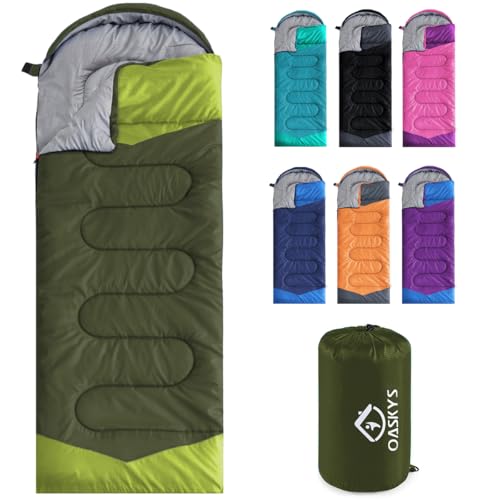
Specifications
| Brand | oaskys |
|---|---|
| Temperature Rating | 30 °F |
| Season Rating | 3 Season |
| Weight | 3 lb |
Pros
- Strong performance per dollar
Cons
- Mildly cooler than rated
- Okay feel, slight tightness
- Bulky pack, average rebound
This 30°F sleeping bag fits the Best Value spot because it keeps the overall experience close to the rating without demanding a premium trade-off. In the real world, you get solid warmth and a mostly comfortable sleep, backed by a durability score that holds up better than many budget-friendly options.
Warmth lands at 6.6, with draft control that helps you stay steady near the comfort edge. Comfort scores 6.7, and it feels reasonably easy to sleep in, though some users may notice a slight fit tightness. Durability is stronger at 7.0, with reliable construction that should handle repeated trips. It is also light enough at 3 lb for a 3-season bag, but packability is only average, scoring 6.2, with a bulky carry.
The main downside is that it runs mildly cooler than the 30°F label, and it may not rebound as well after compression, so loft can feel less springy over time. If you want a dependable 3-season bag for moderate cold nights and you plan to manage expectations on the low end, this is a good pick. If you need a bag that stays comfortably warm well below its rating and packs down small, look elsewhere.
What to Look For
Temperature Rating: Start here. Use the listed temperature rating to pick a comfort zone, then size up if you run cold or camp in windy conditions. A bag that feels colder than its rating usually means drafts or insulation gaps.
Season Rating: Treat this as a practical shortcut. A 3 Season bag typically fits most spring, summer, and fall camping, while 4 Season or 5 Season options are built for colder, snowier nights. Do not rely on season labels alone if the temperature rating is far off your expected lows.
Shape: Choose Mummy for warmth and efficiency in cold weather. Pick Semi-Rectangular or Rectangular if you want more room to move, especially in warmer conditions. A poor shape match can force you to keep your arms in place, which makes the bag feel colder and less comfortable.
Insulation Type: Down gives high warmth for low weight and packs smaller. Synthetic insulation keeps working when damp and is easier to recover after wet weather. If your trips include rain, high humidity, or deep condensation risk, synthetic often pays off.
Fill Power: Higher fill power usually means better loft for the same space and weight. Use it to compare Down bags at similar temperature ratings, not across different insulation types or different shapes. If two bags list similar loft but one has higher fill power, it often packs and weighs less.
Weight: Consider the real load you will carry. For backpacking, a small weight difference matters over long days. For car camping, you can prioritize warmth and comfort over lightness.
Max User Height: Confirm the fit before you buy. A bag with too-short length can bunch insulation near your feet, which kills warmth. If you fall between sizes, choose the option with more usable length for your height and sleeping position.
How We Selected These Products
We found products through broad web searches across review sites, buyer forums, and best-of lists. We did not rely on one publication or one retail listing. After that, we read many real customer reviews to learn what actually caused issues, such as cold spots near the zipper, poor hood fit, or loft loss after travel and storage.
Then we verified availability and key specs directly against Amazon. We pulled the published temperature rating, season rating, shape, insulation type, fill power, weight, packed size, and max user height. Each bag was scored using an objective framework across the pillar names: Warmth, Comfort, Packability, Durability, and Value.
The final picks focused on fit-for-purpose performance. A bag could score lower overall but still be a clear winner for a specific role, like winter use, women-specific fit, side sleeping, ultralight backpacking, synthetic wet-weather confidence, or large-frame sizing. We curated for distinct needs, not just the highest number.
Frequently Asked Questions
What is the best sleeping bag for overall camping use?
For the best all-around mix of warmth, comfort, packability, and durability, pick Western Mountaineering MegaLite 30°F Sleeping Bag. It scores highest overall in this set. Users also report it runs warmer than many 30°F bags, which helps in real conditions.
Which sleeping bag style is best for side sleepers?
Side sleepers usually do better with a more forgiving fit, like a semi-rectangular shape or a bag with built-in space. Therm-a-Rest Boost 650 20°F Sleeping Bag earns top spot for side sleeping comfort in this set. It focuses on movement and adjustability, so you can shift positions without feeling trapped.
What is the difference between down and synthetic sleeping bags for real camping?
Down bags pack smaller and often feel warmer for the same weight. Synthetic bags tend to handle damp conditions better and keep warming longer when wet. If your trips include wet weather or you worry about moisture, synthetic usually feels less stressful.
Is a higher price always better for sleeping bags?
Not always. Higher prices often buy better materials, better heat retention, and lighter weight. Still, value can beat price, like oaskys 30°F Sleeping Bag, which leads on value even if it does not match premium warmth and consistency.
Do most sleeping bags stay warm at their listed temperature?
Often, but not every person gets the same results at the rating. Several bags in this set run warmer than advertised, like Western Mountaineering MegaLite 30°F Sleeping Bag. Others can feel colder based on sleep position, drafts, or how well the bag seals to the pad.
Why does packability vary so much between sleeping bags?
Packability depends on weight, fill efficiency, and how well the bag rebounds after compression. Ultralight designs often compress very small, like Sea to Summit Spark Pro 15°F Sleeping Bag. Roomier comfort-focused bags can feel bulkier even when they still pack down reasonably well.