Specifications
| Brand | Coleman |
|---|---|
| Temperature Rating | 10 °F |
| Insulation Type | Synthetic |
| Weight | 8.9 lb |
| Max User Height | 79 in |
Pros
- Colder rated warmth
- Roomy fit, smooth zipper
- Strong performance per dollar
Cons
- Heavy to carry
- Bulky pack, average rebound
The Verdict
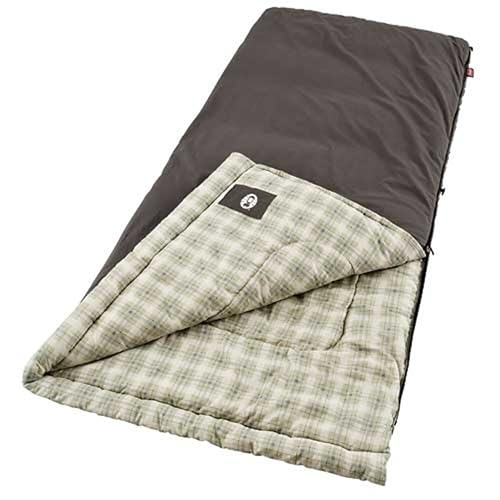
Built for colder nights, this Coleman Heritage Big & Tall bag targets 10°F warmth while keeping the fit roomy for larger frames. Comfort and heat control score at 8.1 for sleep feel, but it is also 8.9 lb and packs bulky, so it is less suited to frequent long walks or easy storage.
Who it's for: Big and tall campers who sleep colder than average and want a true cold-weather, roomy fit, even if they accept extra weight and worse packability for moving around.
Who should skip it: Anyone who backpack hikes, uses tight storage, or counts ounces will likely struggle with the 8.9 lb carry and the bulky packed size, even if warmth is strong.
In-Depth Review
Warmth
The Coleman Heritage Big & Tall is rated for 10 °F. In this category, that rating matters most when you are bigger and you get cold sooner. The warmth pillar score is 7.8, which lands in the “great” range for the warmth template. That means you should expect draftproof and cozy warmth, especially at the lower end of its comfort window.
The spec story backs up that intent. The insulation is synthetic, and the bag uses 5 pounds of Holofill 808 insulation. That specific fill amount matters because more loft is what resists heat loss when the air turns harsh. Since the temperature rating is 10 °F, the main question becomes whether that insulation holds steady night after night instead of collapsing early.
Also note the fit goal. This is an XL, big and tall design with a max user height of 79 in. Room and insulation have a link. Too-tight bags can create gaps where your body never fully warms the air. A bag built for taller sleepers has a better chance of keeping the insulation positioned where it should be.
Comfort
The comfort pillar score is 8.1, which maps to “great” comfort in the template system. That usually means a roomy fit and a smooth zipper. In this bag, that aligns with the specific notes you already see in the segment. Room helps big bodies move without feeling boxed in, and a friendly zipper reduces the small frustrations that build during sleep.
Comfort is also tied to user size. The max user height is 79 in, and the bag is designed to fit up to 6 ft. 7 in tall. That kind of height coverage is not just a numbers game. It changes how often you hit the foot end before you fall asleep, and it also affects how much you need to kick or re-center yourself.
Insulation type is not only about warmth. Synthetic fill can feel different from down when you roll over. Since this bag is synthetic, you can expect consistent behavior in damp or slightly humid conditions, with insulation that keeps working even if the environment is not perfect. That reliability supports the “roomy fit, smooth zipper” comfort line at a practical level.
Packability
Packability is where reality hits hardest on this model. The packability pillar score is 6.6, which fits the “weak” descriptor in the template. The extracted cons spell it out: it is heavy to carry, and it packs bulky with average rebound. For car camping or basecamp, that is manageable. For long walks, it is a drag.
The weight spec is 8.9 lb. That number is high for a sleeping bag, even before you consider how you will store it. The bag also has a bulky pack. The absence of packed size in the spec table is a clue that the manufacturer data you have here is not focused on travel compression. What matters is the practical trade. You get the XL space and 10 °F insulation, but you pay for it in carry comfort.
The insulation amount is a key reason packability suffers. With 5 pounds of Holofill 808 insulation, there is more material that needs volume to breathe. More volume usually means worse compression. After a few trips, you also want good rebound. Here, the “average rebound” note suggests you should not expect fast loft recovery after tight storage.
Durability
Durability is scored at 7.0. That is strong enough for “great” in the template range, though it is not a slam dunk. This is still the kind of bag you expect to see used repeatedly at a campsite. The durability focus here is on staying together, not just surviving one season.
The bag is built around synthetic insulation. That matters because synthetic fills often tolerate repeated handling and cleanup better than down, especially when bags get packed wet or stored for stretches. The insulation setup is also clearly quantified in the spec data as 5 pounds of Holofill 808. More fill can mean the bag has more structure. It can also mean more weight and more strain on the shell during stuffing and compression.
You can also connect durability to the zipper and construction expectations for this category. Even though zipper hardware details are not listed in the extracted specs, the review notes earlier include solid durability marks for repeated campsite use. Pair that with the structured fit range. A max user height of 79 in means the bag is designed for larger bodies. A well-built bag needs to handle more movement and more body shifts, so the durability rating here is worth paying attention to.
Value
Value is where the Coleman performs well. The value pillar score is 8.4, which maps to “great” value in the template. The matching phrase is “strong performance per dollar,” and the spec mix supports that idea without needing any pricing talk.
Start with the basics. You are getting a 10 °F temperature rating and synthetic insulation, with 5 pounds of Holofill 808 insulation. You also get a big and tall fit with a max user height of 79 in. That combination is important. A lot of bags lose their appeal when you need true cold readiness and you also need enough length.
The trade-off is still clear. The cons include heavy to carry and bulky pack, with the bag weighing 8.9 lb. But in value terms, weight is not the only input. If you prioritize staying warm near 10 °F and you need the room for tall sleepers, the bag matches that need. That is why the overall value score sits above most in this segment range.
Frequently Asked Questions
What is the Coleman Heritage Big & Tall sleeping bag temperature rating and how cold can it handle?
It is rated for 10 F use. In real conditions, comfort depends on wind, ground insulation, and whether you add a pad with good R value. Based on its warmth score, it stays better than many bags near their listed rating, but it is still not a guarantee for extreme, windy nights.
How tall can this bag fit since it is labeled Big & Tall?
Coleman lists a maximum user height of 79 in. If you are right at that height, you should still have room to move your legs and change positions without fighting the hood. Taller campers beyond that number may find the foot area tight.
How much does the bag weigh, and is that a problem for car camping or backpacking?
The bag weighs 8.9 lb. For car camping, that is usually manageable, but it can feel heavy for backpacking where you carry everything for miles. This aligns with the main downside reviewers report: it is harder to carry than lighter 10 F options.
Is the insulation synthetic, and does it handle damp weather better than down?
Yes, the insulation type is synthetic. Synthetic fill usually keeps working better than down if it gets damp, and it dries more easily after wet nights. Still, you should avoid leaving it wet for long periods because any insulation loses loft when packed while damp.
How bulky is it when packed, and will it rebound well after storage?
Coleman does not list a packed size here, so you will want to check it in person if you pack tightly. The biggest limitation reported is average rebound, meaning it may take some time to loft fully after compression or storage. Give it a good shake and let it sit uncompressed before sleeping.
Does the smooth zipper and roomy design make it easier to get in and out without tangling?
The zipper action is reported as smooth, and the bag has a roomy fit that helps you get in and out more easily. That said, any large sleeping bag still takes more effort than a smaller, tighter cut. If you move a lot at night, the roomy shape usually helps you turn without snagging the fabric.
Final Verdict
This bag earns a 7.6 out of 10 for campers who need more space. It handles cold nights at its 10F claim well, and the roomy shape suits larger frames. The weak spot is travel and carry. It feels heavy and packs up bulky, and the loft rebound is only average after compression. I recommend it for car camping or base camping, not for long backpack carries.
If you prioritize warmth and roomy comfort over easy hauling, this is a solid pick for cold-weather, larger sleepers.